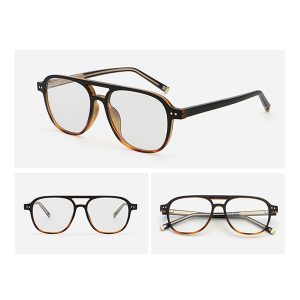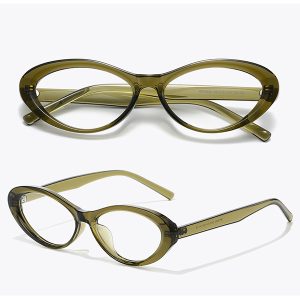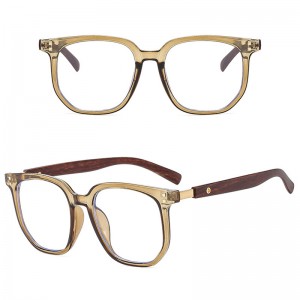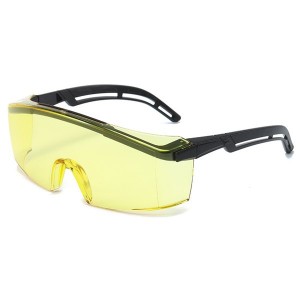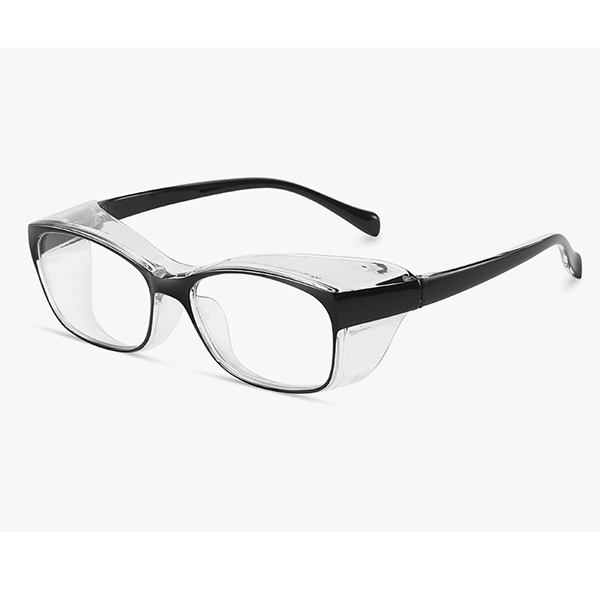
Tired of switching glasses for sun, work, and driving? It's a hassle. Imagine one pair that protects you from UV rays, blue light, fog, and even splashes.
Yes, multi-function outdoor glasses offer a comprehensive solution. They combine features like anti-fog, blue light blocking, polarization, and a splash-resistant shield into a single, durable pair, making them ideal for daily wear, demanding jobs, and active lifestyles.
I've been in the eyewear business for over a decade, and I've seen firsthand how the need for versatile protection has grown. My clients, from brand owners to retail buyers, are no longer looking for single-purpose glasses. They want simplicity without sacrificing safety. These multi-function glasses aren't just another product; they are a direct response to a real-world need for reliable, all-in-one eye care. Let's break down exactly what makes these glasses so special and how they can simplify your life while keeping your eyes safe.
Why is an All-in-One PC Frame and Lens Ideal for Daily Protection?
Worried about your glasses breaking easily? Flimsy frames and lenses just can't handle the demands of daily wear and tear. Our all-in-one polycarbonate design offers the toughness you need.
An all-in-one PC (polycarbonate) frame and lens construction provides superior durability and impact resistance. This integrated design eliminates weak points, ensuring your glasses are tough enough for both demanding work environments and active daily use, offering consistent, reliable protection without compromise.
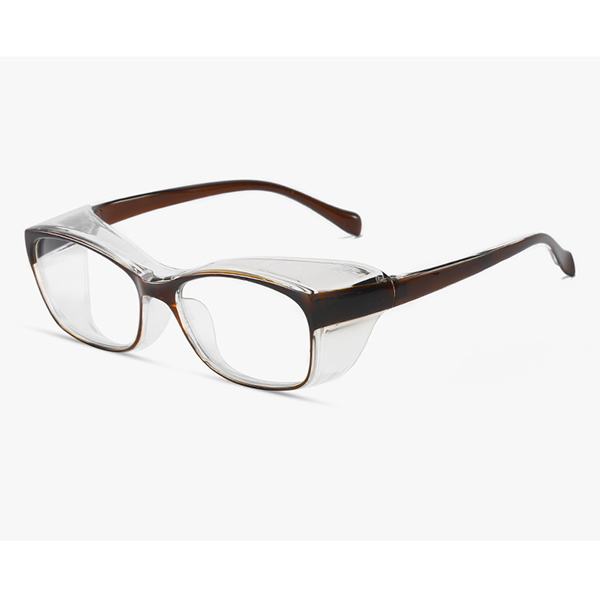
When we source materials, we look for strength and reliability. That's why we chose polycarbonate for both the frame and the lenses[^1]. This material is incredibly strong. It's the same stuff used in riot shields and safety goggles for a reason. It can take a hit without shattering, which is a critical safety feature. The "all-in-one" design means the frame and lenses are constructed as a solid, cohesive unit. This reduces the number of small parts like screws or weak joints that can fail over time. For my clients who supply to active individuals or professionals in demanding fields, this durability is a major selling point. It means fewer returns and happier customers.
Material Strength Comparison
| Material | Impact Resistance | Weight | Common Use |
|---|---|---|---|
| Polycarbonate (PC) | Very High | Very Light | Safety Glasses, Sport Sunglasses |
| Acetate | Medium | Medium | Fashion Frames |
| Standard Plastic | Low | Very Light | Inexpensive Sunglasses |
| Metal | High | Heavy | Premium/Classic Frames |
This construction makes the glasses perfect for anyone who needs dependable eye protection they can just put on and forget about.
How Does a Sealed Design Reduce Droplet and Dust Exposure?
Do airborne particles like dust and droplets worry you at work or outdoors? Standard glasses leave gaps around your eyes, offering incomplete protection. Our sealed design creates a barrier for peace of mind.
A sealed design features a frame that fits closely to the face[^2], much like a goggle. This minimizes gaps around the eyes, creating a physical barrier that helps block airborne droplets, dust, and other particulates from reaching your eyes, ensuring more complete protection.
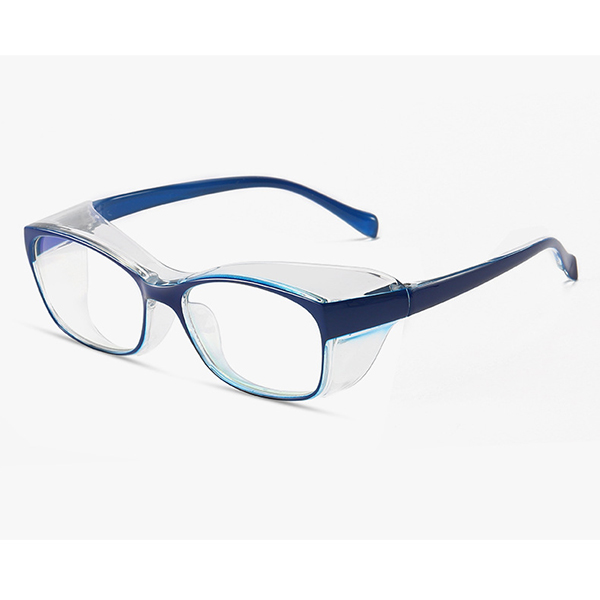
The idea behind the sealed, goggle-style design is simple: close the gaps. Regular eyeglasses leave your eyes exposed from the top, bottom, and sides. In environments where dust, debris, or even splashes are a concern, this is a significant risk. I remember working with a client who supplies personal protective equipment to medical clinics. They needed eyewear that offered more coverage than standard frames but was more comfortable than bulky goggles for all-day wear. These glasses were the perfect solution.
Creating a Protective Barrier
The frame is engineered to curve and sit flush against the brow and cheeks. This doesn't create a 100% airtight seal like a laboratory goggle, but it drastically reduces the entry path for airborne contaminants.
Who Benefits Most?
- Healthcare Professionals: Doctors and nurses find them invaluable for reducing exposure to splashes and droplets.
- Construction Workers: The design is excellent for keeping sawdust and debris out of the eyes.
- Lab Technicians: It provides an extra layer of protection from accidental splashes.
- Everyday Users: Even for cycling or working in the garden, it keeps wind and dust from causing irritation.
This design adds a crucial layer of safety that standard glasses simply can't offer.
Can an Anti-Fog Coating and Polarized Filter Really Guarantee Clear Vision?
Frustrated when your glasses fog up while wearing a mask or when sun glare blinds you? This can be annoying and even dangerous. Our dual-feature lenses solve both problems for consistently clear sight.
While no solution is 100% perfect, a high-quality anti-fog coating drastically reduces condensation[^3] from heat or humidity. Paired with a polarized filter that cuts blinding glare[^4] from reflective surfaces, these glasses provide exceptionally clear and comfortable vision in a wide range of conditions.
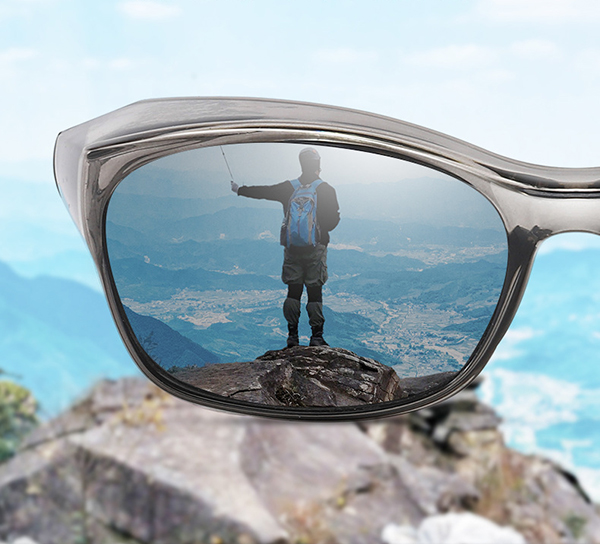
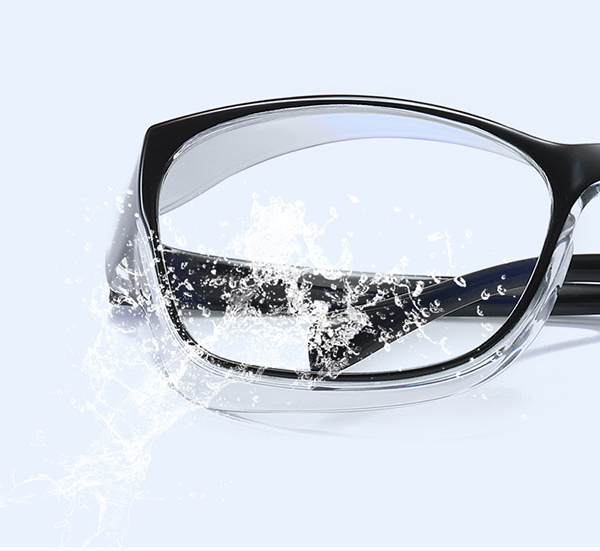
Clear vision is non-negotiable. That's why we focused on tackling the two biggest enemies of clarity: fog and glare. The anti-fog coating works on a microscopic level. It's a hydrophilic (water-loving) treatment that prevents moisture from forming tiny, vision-obscuring droplets. Instead, it spreads the moisture into an invisible, uniform sheet of water, so your vision stays clear. This is essential when you're moving from a cold car to a warm room or wearing a face mask.
The polarized filter tackles glare. Glare is concentrated horizontal light that reflects off surfaces like wet roads, water, or car hoods. It's blinding and causes eye strain. Polarization acts like a vertical blind, blocking this horizontal light while letting useful vertical light through. This enhances contrast and makes your vision sharper and more comfortable.
| Feature | Solves Problem Of... | Best For... |
|---|---|---|
| Anti-Fog Coating | Lenses fogging up | Humid conditions, wearing masks, sports |
| Polarized Filter | Blinding glare | Driving, fishing, snow sports |
Combining these two technologies means you get reliable clarity whether you're driving on a sunny day or working in a fast-paced, humid environment.
Are These Glasses Truly Suitable for Both Day (Sun & Blue Light) and Night Driving?
Is it a pain to carry separate sunglasses and night driving glasses? Forgetting the right pair can compromise your vision and safety. These versatile glasses are designed for 24/7 clarity.
Yes, thanks to their specific lens technology. They feature Category 1 light-colored lenses that block 100% of harmful UV rays and filter blue light during the day. At night, their anti-glare properties reduce headlight glare, making them versatile enough for both day and night use.
One of the biggest challenges in eyewear is creating a single lens that performs well in all light conditions. We achieved this by using a very specific lens type. These are classified as Category 1, which means they have a very light tint. This is key to their versatility.
Performance During the Day
During the day, the lenses provide full UV400 protection, blocking all harmful UVA and UVB rays. They also have a blue light filtering component. This is great for reducing eye strain not just from the sun, but also from digital screens if you wear them indoors. They aren't as dark as traditional sunglasses, making them perfect for overcast days or for people who find dark tints uncomfortable.
Performance at Night
At night, the main challenge is glare from streetlights and oncoming headlights. Because the tint is very light (Category 1 allows 43-80% of light through), it doesn't dangerously impair your vision in the dark. The anti-glare and polarizing properties of the lens work to scatter and reduce the intensity of bright lights[^5], which can make night driving much more comfortable and feel safer. It helps you see the road more clearly instead of being blinded by a starburst of light. This dual-purpose functionality is a huge benefit for professional drivers or anyone with a long commute.
What Makes a Lightweight, Impact-Resistant Material Essential for Active Lifestyles?
Do heavy, fragile glasses slow you down during sports or active work? They can be uncomfortable and a liability. Our lightweight, impact-resistant frames are built for movement and safety.
For active lifestyles, a lightweight material like polycarbonate ensures all-day comfort without creating pressure points[^6]. Its high impact resistance protects your eyes from unexpected debris or accidents during sports or physical work, giving you the confidence to stay focused on your activity.
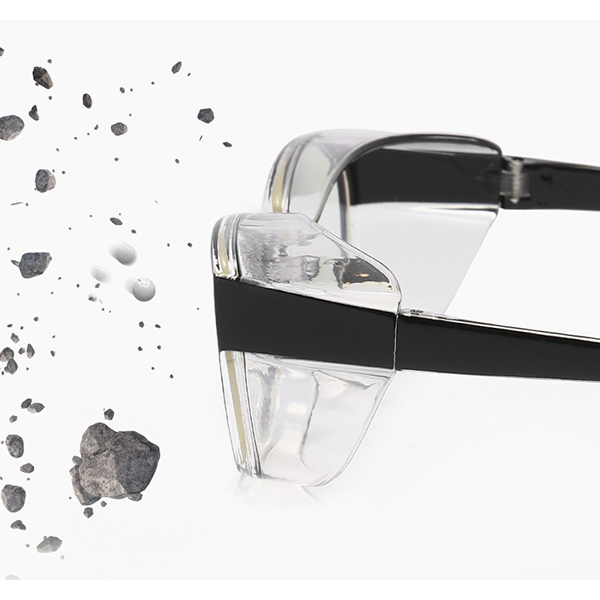
When a client like Victoria Velasquez, who targets fashion-forward but active consumers, asks me for a new product, comfort and safety are at the top of her list. Nobody wants to wear glasses that feel heavy or that they have to constantly worry about breaking. That's why the choice of polycarbonate is so important for this design. The lightweight nature of the material means you can wear these glasses all day without them sliding down your nose or causing headaches. They feel like they're barely there.
But the real game-changer is the impact resistance. For anyone who plays sports, works in a trade, or just has an active life, the risk of something hitting your face is real. A stray ball, a flying wood chip, or even just dropping your glasses can spell disaster with the wrong material. Polycarbonate won't shatter into dangerous shards like glass or other plastics[^7]. It absorbs the impact, protecting your eyes. This combination of being feather-light and nearly indestructible[^8] gives the wearer confidence and freedom. They can focus on their performance, their work, or their adventure, knowing their eyes are well-protected.
Conclusion
These multi-function glasses truly offer a complete solution. From their durable PC build to their advanced lens coatings, they provide reliable, all-around protection[^9] for any situation, day or night.
[^1]: "Shatter resistance of spectacle lenses - PubMed", https://pubmed.ncbi.nlm.nih.gov/8990340/. This source discusses the use of polycarbonate in eyewear, highlighting its durability and impact resistance. Evidence role: mechanism; source type: education. Supports: Polycarbonate is chosen for its strength and reliability, making it suitable for eyewear frames and lenses.. Scope note: The source may not specifically address the 'all-in-one' design but supports the material's properties.
[^2]: "Eye Protection for Infection Control - CDC", https://www.cdc.gov/niosh/ppe/eye-safety/infection-control.html. This source explains how sealed eyewear designs reduce exposure to airborne particles by minimizing gaps around the eyes. Evidence role: mechanism; source type: research. Supports: A sealed design minimizes gaps around the eyes, reducing exposure to airborne particles like dust and droplets.. Scope note: The source may not address specific use cases like medical or construction environments.
[^3]: "Anti-fog - Wikipedia", https://en.wikipedia.org/wiki/Anti-fog. This source describes how anti-fog coatings work to prevent condensation on lenses, improving visibility. Evidence role: mechanism; source type: research. Supports: Anti-fog coatings reduce condensation on lenses, improving visibility in humid or temperature-changing environments.. Scope note: The source may not confirm the effectiveness of all anti-fog coatings under every condition.
[^4]: "Polarized sunglasses: Protecting your eyes from harmful glare", https://www.health.harvard.edu/healthy-aging-and-longevity/polarized-sunglasses-protecting-your-eyes-from-harmful-glare. This source explains how polarized filters reduce glare by blocking horizontal light waves, enhancing visual clarity. Evidence role: mechanism; source type: education. Supports: Polarized filters reduce glare by blocking horizontal light waves, enhancing visual clarity.. Scope note: The source may not address specific applications like driving or sports.
[^5]: "Anti-reflective coating - Wikipedia", https://en.wikipedia.org/wiki/Anti-reflective_coating. This source explains how anti-glare and polarizing technologies reduce light intensity and improve visibility, especially in low-light conditions. Evidence role: mechanism; source type: research. Supports: Anti-glare and polarizing technologies reduce light intensity and improve visibility, especially in low-light conditions.. Scope note: The source may not confirm the combined effectiveness of these technologies in a single lens.
[^6]: "Polycarbonate - Wikipedia", https://en.wikipedia.org/wiki/Polycarbonate. This source highlights the lightweight and ergonomic properties of polycarbonate, making it suitable for prolonged use in eyewear. Evidence role: mechanism; source type: education. Supports: Polycarbonate ensures all-day comfort without creating pressure points, making it ideal for eyewear.. Scope note: The source may not address specific ergonomic designs of frames made from polycarbonate.
[^7]: "Acrylic vs. Polycarbonate - Regal Plastics", https://www.regal-plastics.com/blog/acrylicvspolycarbonate/. This source discusses the impact resistance of polycarbonate and its safety advantages over glass and other plastics. Evidence role: mechanism; source type: education. Supports: Polycarbonate won't shatter into dangerous shards, making it safer than glass or other plastics for eyewear.. Scope note: The source may not address specific scenarios like sports or industrial use.
[^8]: "Polycarbonate - Wikipedia", https://en.wikipedia.org/wiki/Polycarbonate. This source describes the lightweight and durable properties of polycarbonate, emphasizing its suitability for active lifestyles. Evidence role: general_support; source type: education. Supports: Polycarbonate is feather-light and nearly indestructible, making it ideal for active lifestyles.. Scope note: The source may not confirm the specific combination of being lightweight and indestructible in all use cases.
[^9]: "Anti Reflective Coating for Glasses: What Are The Benefits?", https://www.richmondoptometry.com/anti-reflective-coatings-benefits-functionality-and-myths/. This source explains how advanced lens coatings like anti-fog and UV protection enhance the functionality of eyewear. Evidence role: general_support; source type: research. Supports: Advanced lens coatings like anti-fog and UV protection provide reliable, all-around protection for eyewear.. Scope note: The source may not confirm the integration of all advanced coatings in a single product.