1. Understanding the Market
To successfully import sunglasses from China, comprehending the industry landscape is vital. This includes market size insights, key players, and emerging trends.
1.1 Overview of China's Sunglasses Industry
1.1.1 Market Size and Revenue
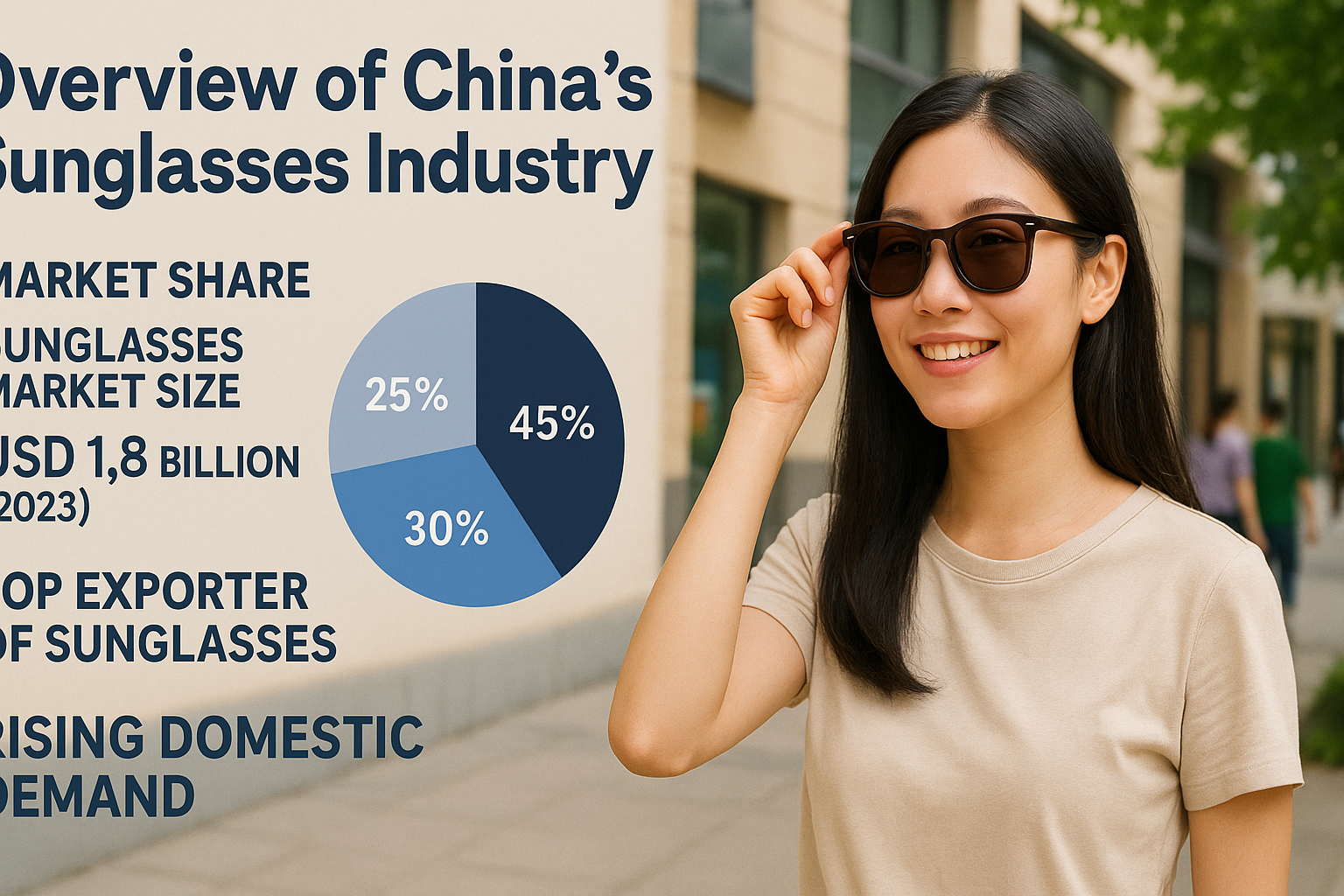
China's sunglasses industry is a booming sector, contributing significantly to global revenue:
- Market Value: Roughly $5 billion in 2023, anticipated to grow with increasing fashion awareness and disposable income.
- Growth Drivers: Innovational designs and expanding middle-class demand.
1.1.2 Major Production Regions
Key regions enhance manufacturing capabilities:
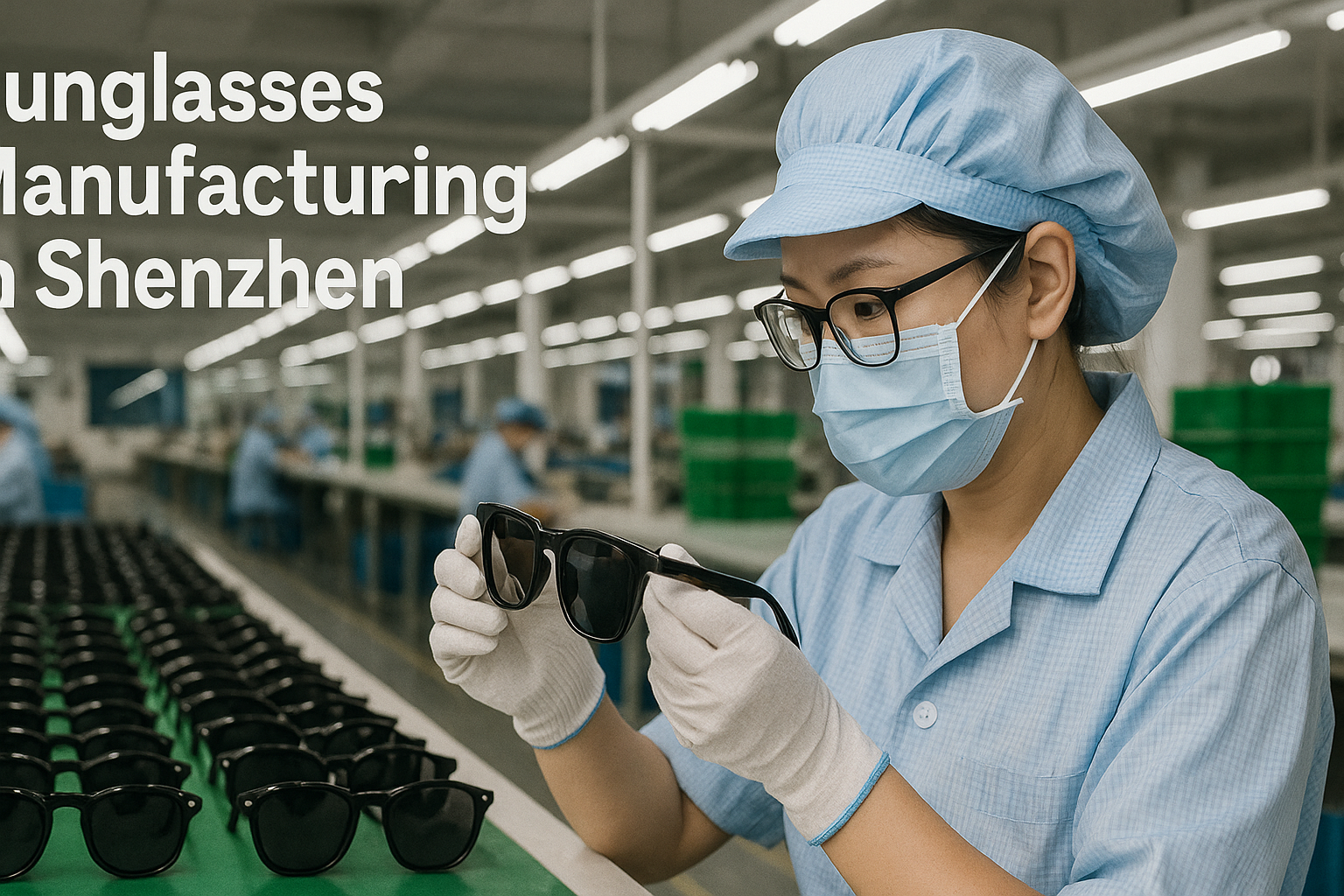
- Production Hubs: Predominantly in Shenzhen, Wenzhou, and Xiamen.
- Infrastructure Benefits: Advanced tech support and established supply chains.
1.1.3 Growth Projections
Future outlooks predict continued rise:
- Annual Growth Rate: Estimated at 8% over the next five years, driven by innovation and digital sales channels.
1.2 Key Manufacturers and Suppliers in China
1.2.1 Top Manufacturers by Output
Leading producers underpin the supply chain:
- Major Players: Companies like Essilor Luxottica and Jiangsu Hongchen focus on large-scale production.
- Output Capacity: Facilities catering to extensive international markets.
1.2.2 Leading Exporters
Export pioneers set standards:
- Export Volumes: High quantities destined for global markets, ensuring steady supply.
1.2.3 Profiles of Notable Companies
Renowned for quality and innovation:
- Innovative Designs: Companies like Sanyuan Eyewear lead in cutting-edge styles and eco-friendly designs.
1.3 Trends and Innovations in the Chinese Market
1.3.1 Popular Styles and Designs
Fashion influences consumer choices:
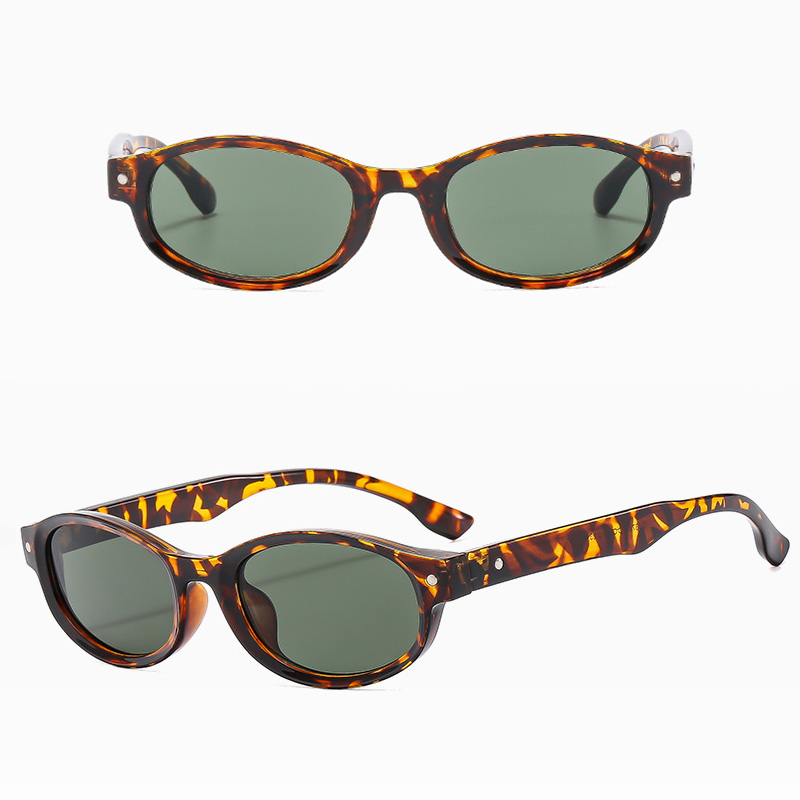
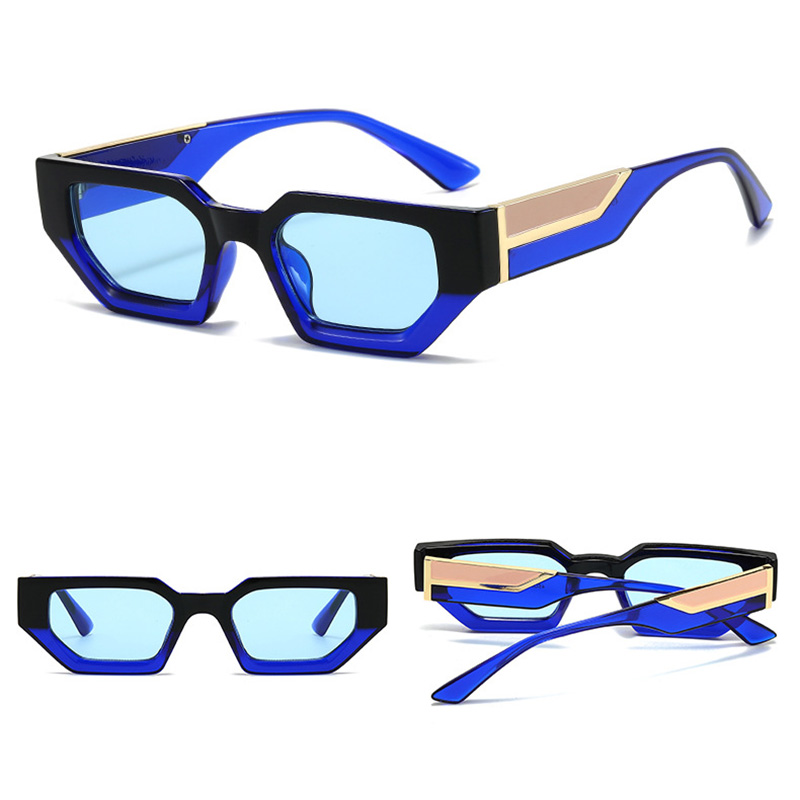
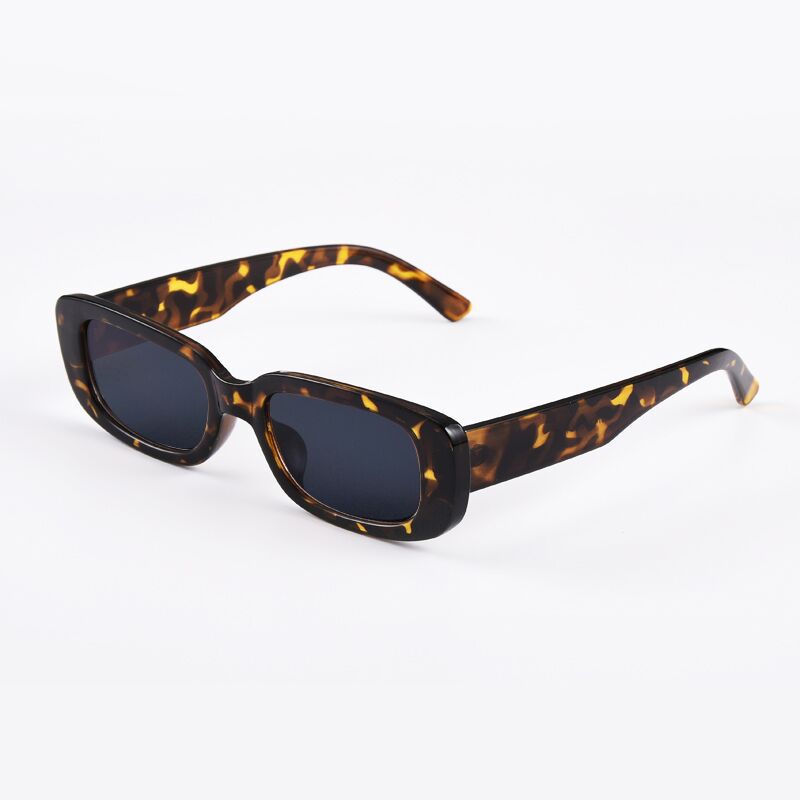
- Current Trends: Oversized frames, streamline shapes, and reflective lenses dominate.
1.3.2 Technological Advancements
Pioneering tech boosts market appeal:
- Smart Features: Bluetooth and adjustable lenses offer additional functions.
1.3.3 Sustainability Trends
Eco-friendly practices gain traction:
- Sustainable Materials: Use of recycled and biodegradable components increasing across manufacturers.

2. Identifying the Requirements
Understanding the types and standards required for sunglasses facilitates the import process, ensuring products meet quality and demographic needs.
2.1 Types of Sunglasses
2.1.1 Fashion Sunglasses
Demand for stylish, varied designs highlights consumer interests.
2.1.2 Sports Sunglasses
Functionality and durability cater to active lifestyles.
2.1.3 Prescription Sunglasses
Combine vision correction and protection.
2.1.4 Polarized Sunglasses
Provide glare reduction and improved clarity.
2.2 Quality Standards and Certifications
2.2.1 ISO Standards
Essential for assuring manufacturing quality:
- ISO 12312-1: Key for protecting consumer safety in eyewear products.
2.2.2 CE Marking and European Standards
Mandatory for selling within the EU:
- Conformity Assurance: Certifies compliance with health and safety directives.
2.2.3 FDA Compliance (for U.S. Market)
Meeting U.S. market criteria is critical:
- Safety Protocol: Align products with FDA's performance standards.

2.3 Target Audience and Market Needs
2.3.1 Demographic Analysis
Define consumer types for targeted marketing.
2.3.2 Consumer Preferences
Examine preferred styles, colors, and features.
2.3.3 Seasonal Demand
Identify peak periods to align supply with sales.
3. Finding Reliable Manufacturers
Selecting a trustworthy manufacturer lays a robust foundation for importing quality sunglasses.
3.1 Research and Shortlisting Potential Manufacturers
3.1.1 Online Platforms (e.g., Alibaba, Global Sources)
Leverage digital portals to discover capable manufacturers.
3.1.2 Trade Shows and Exhibitions
Events such as the Canton Fair provide direct insights into company offerings.
3.1.3 Industry Connections and Recommendations
Industry networks offer trusted referrals.
3.2 Evaluating Manufacturer Experience and Capacity
3.2.1 Years in Operation
Longevity can signify reliability and expertise.
3.2.2 Production Volume and Capabilities
Assess scalability for meeting order demands.
3.2.3 Reputation and Reviews
Examine past performance through client feedback.
3.3 Verifying Certifications and Compliance
3.3.1 Factory Audits
Evaluate operational standards through detailed assessments.
3.3.2 Certification Verification
Confirm validity of regulatory conformities.
3.3.3 Ethical and Environmental Compliance
Prioritize manufacturers upholding high ethical standards.
4. Communication and Negotiation
Effective communication sets the tone for smooth trade operations and creates pathways for productive negotiations.
4.1 Initial Contact and Requests for Quotation (RFQ)
4.1.1 Preparing RFQ Documents
Comprehensive documents help convey detailed product needs.
4.1.2 Key Information to Include
Pricing benchmarks and volume estimates establish context.
4.1.3 Typical Response Times
Expectations for response windows aid in managing timelines.
4.2 Discussing Terms and Conditions
4.2.1 Price Negotiation Strategies
Seek beneficial pricing terms through strategic methods.
4.2.2 Minimum Order Quantity (MOQ) Discussions
Discussing MOQs aligns production with realistic purchasing levels.
4.2.3 Shipping and Delivery Terms
Specify reliable delivery methods and timing.
4.3 Building a Relationship with Suppliers
4.3.1 Cultural Considerations
Respect cultures by recognizing important business nuances.
4.3.2 Effective Communication Practices
Clarity and consistent updates foster trust and understanding.
4.3.3 Long-term Partnership Strategies
Ensure sustainability by cultivating mutual objectives.

Conclusion: Navigating the landscape of importing sunglasses from China requires diligence in research, strategic supplier selection, and thorough understanding of market trends. By adhering to quality standards and building robust manufacturer relationships, your business can successfully leverage China's expansive production capabilities for profitable outcomes in global markets.
Share:


Post time: May-30-2025