Struggling to find reliable wholesale sunglasses suppliers[^1]? You waste time and money on partners who deliver poor quality, causing stress and hurting your brand. This guide simplifies your search.
The best ways to purchase wholesale sunglasses are through online B2B platforms, sourcing directly from manufacturers, visiting trade shows, and working with specialty distributors. Each method offers unique advantages in price, customization, and convenience for your business.
Finding the right sourcing channel can feel like a huge challenge, but it's the first step toward building a successful eyewear brand. You need a partner who can provide the quality, price, and reliability your business depends on. In this guide, I'll break down the most effective methods I've seen customers use over the years. We will explore each option so you can decide which path is the perfect fit for your specific goals.
How Can You Use Online B2B Platforms for Sunglasses Wholesale?
Sifting through endless online listings is overwhelming. You risk dealing with scams or receiving low-quality products that don't match the photos, wasting your budget and delaying your launch.
Use platforms like Alibaba[^2] to find a vast selection of wholesale sunglasses. You can filter by supplier certifications, reviews, and response rates. This allows you to compare prices and styles efficiently from your desk.
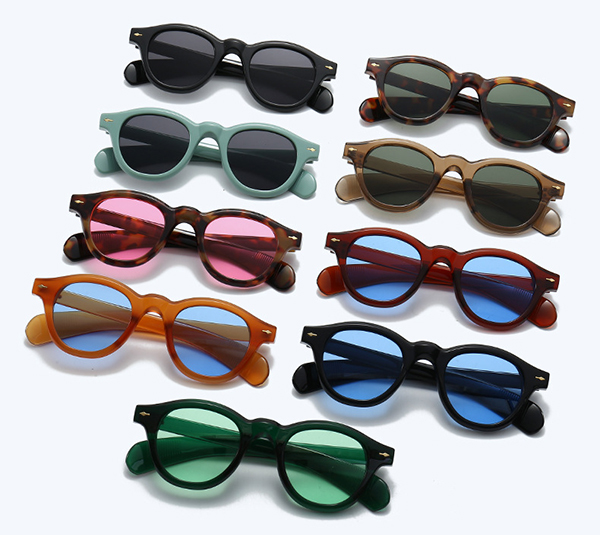
Diving into online B2B marketplaces is often the first step for many brand owners. Platforms like Alibaba[^2] are giant digital marketplaces where you can find thousands of suppliers in one place. The sheer volume of options is a major advantage, giving you access to countless styles, materials, and price points. However, you must learn how to navigate them effectively to find the gems. Start by using the platform’s search filters. Look for suppliers with a high number of years in business, positive reviews, and a high response rate. Also, check for certifications like "Verified Supplier[^3]" or "Trade Assurance[^4]," which add a layer of security to your purchase. Don’t be shy about starting conversations with multiple suppliers to gauge their professionalism and communication style. This initial interaction is a great test of what a long-term partnership might look like.
| Vetting Tip | What to Look For |
|---|---|
| Supplier Profile | Years on platform, business type (manufacturer vs. trader). |
| Reviews & Ratings | Feedback from previous buyers on quality and service. |
| Response Rate | How quickly and professionally they reply to inquiries. |
| Certifications | Trade Assurance[^4], Verified Supplier[^3], ISO, FDA. |
Why Should You Source Directly from Sunglasses Manufacturers?
Working with middlemen adds costs and creates communication delays. Your unique brand vision gets lost in translation, and you end up paying more for a product that isn't quite right.
Sourcing directly from a manufacturer like us gives you cost savings, greater control over customization (OEM/ODM[^5]), and direct communication. This is ideal for building a unique private label brand[^6] and ensuring quality standards are met.
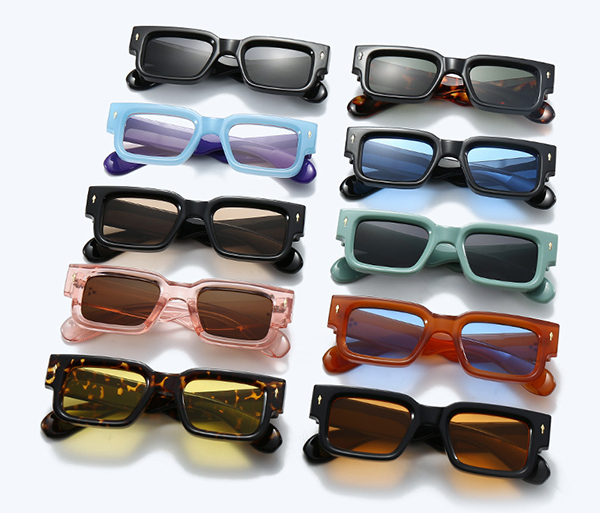
Going straight to the source is the best way to maximize control and profitability. When you partner directly with a sunglasses manufacturer, you cut out the intermediary, which almost always results in a better price per unit. More importantly, it opens the door to true customization. You can work with the factory's design team on everything from mold development for a unique frame shape to specific lens colors and custom packaging. This direct line of communication is critical for ensuring your quality standards are met. For example, buyers who need to comply with specific regulations like Prop65[^7] or require BV factory audits find it much easier to manage these requirements when talking directly to the factory. At our facility, we have thousands of styles in stock, which allows us to offer private label customization with quick turnarounds. For instance, we can add a custom logo to our existing inventory and have it ready to ship in about 10 days, a flexibility that many larger factories can't offer.
Steps for Vetting a Manufacturer
- Initial Contact: Send a detailed inquiry with your product specifications and business needs.
- Request Certifications: Ask for copies of their business license, ISO, FDA, and any other relevant compliance documents.
- Order Samples: Always get physical samples to evaluate the quality of the materials, construction, and lenses.
- Virtual Tour: Request a video call for a virtual tour of their factory to see their production lines and quality control processes[^8] in action.
Are Wholesale Markets and Trade Shows Still Worth Visiting?
Online sourcing can feel impersonal and risky. You can't truly judge the look, feel, and quality of a product through a computer screen, leaving you uncertain about your investment.
Yes, absolutely. Trade exhibitions and wholesale markets let you see and touch the products, meet suppliers face-to-face, and discover new trends. It’s an invaluable way to build trust and assess manufacturing quality directly.
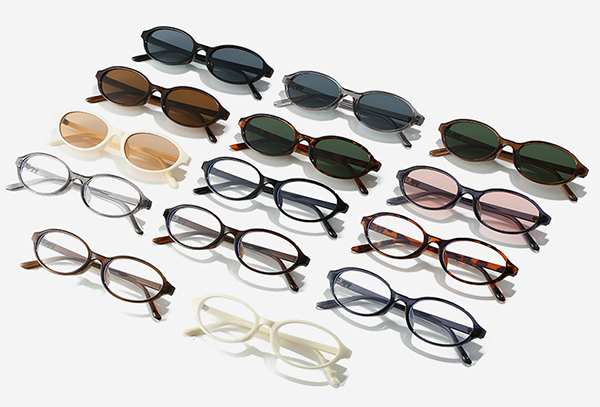
In a digital world, there is still immense value in making a personal connection. Attending a major eyewear trade show like MIDO[^9] in Milan or Vision Expo[^10] in the U.S. puts you in a room with hundreds of the world’s top manufacturers. You can walk from booth to booth, physically hold the sunglasses, feel the weight of the material, and test the hinge quality. This hands-on experience is something a photo or video can never replicate. It’s also your chance to meet the people behind the company. Having a face-to-face conversation helps you build rapport and trust, which are the foundations of any good business partnership. You can negotiate terms in person and get immediate answers to your questions. For buyers focused on supplier reliability, this direct interaction is priceless. It allows you to gauge a company's professionalism and commitment to quality far more effectively than a series of emails.
| Aspect | In-Person (Trade Show) | Online (B2B Platform) |
|---|---|---|
| Product Evaluation | Excellent; can touch and feel products. | Limited; rely on photos/videos. |
| Relationship Building | Strong; face-to-face interaction. | Slower; based on digital communication. |
| Cost & Time | Higher; requires travel and time off. | Lower; can be done from anywhere. |
| Discovery | High; easy to discover new trends/suppliers. | Moderate; depends on search algorithms. |
When Should You Work with Specialty Eyewear Distributors?
Managing international logistics and meeting large factory MOQs is complex. You might be a smaller brand that simply can't afford to order thousands of units for a single style.
Work with distributors when you need smaller order quantities, faster shipping from a local warehouse, and a curated selection of products. They handle importation and are a good starting point for new or smaller businesses.
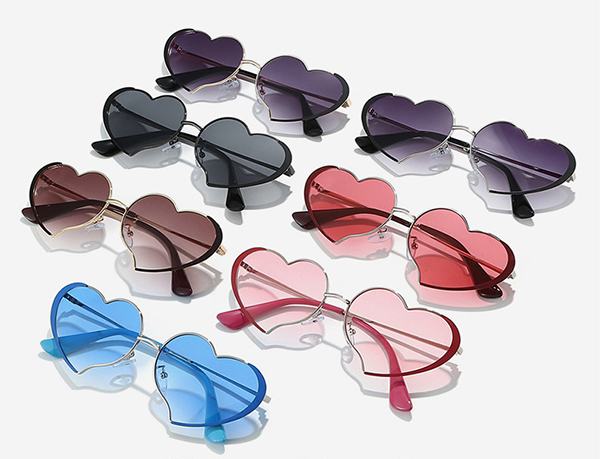
Distributors play an important role in the supply chain, especially for boutiques, small e-commerce sellers, and businesses just starting out. A distributor buys in bulk from various manufacturers and then sells those products in smaller quantities to retailers. The main advantage here is accessibility. You can often order as few as a dozen pairs of a particular style, which is perfect for testing the market without a huge financial commitment. Distributors also typically have warehouses in your country, which means faster shipping times and no headaches with customs or import duties. However, this convenience comes at a price. The per-unit cost will be higher than buying direct from a factory, and your options for customization will be very limited or non-existent. You are essentially choosing from the distributor's pre-selected catalog. It's a trade-off between flexibility and control versus cost and customization. Some modern manufacturers, like us, now bridge this gap by offering low MOQs on in-stock items, giving you factory-direct benefits without the massive order requirements.
How Do You Evaluate Suppliers for a Reliable Wholesale Partnership?
Choosing a bad supplier can damage your brand's reputation overnight. You face inconsistent quality, missed deadlines, and poor communication, which ultimately costs you customers and profits.
Evaluate suppliers by checking their certifications (FDA, ISO), communication responsiveness, production capacity, and quality control processes[^8]. Always request samples and ask for references to ensure they are a reliable long-term partner.
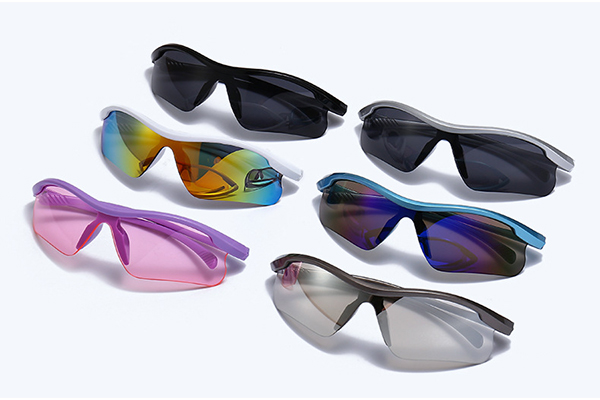
Finding a supplier is easy; finding a great partner is hard. A thorough evaluation process is non-negotiable. This is about more than just price. Your goal is to find a reliable partner who will support your growth for years to come. Start with the fundamentals: communication. Are they quick to respond? Do they answer your questions clearly and professionally? If communication is poor from the start, it will only get worse. Next, verify their qualifications. Ask for copies of their business license and any quality certifications like ISO 9001[^11], CE, or FDA. For certain markets, you might need specific test reports like Prop65[^7]. A legitimate manufacturer will have these ready to share. Finally, you must judge their capabilities. Inquire about their Minimum Order Quantity (MOQ)[^12], production lead times, and capacity. As a manufacturer ourselves, we understand how crucial this is. We keep thousands of styles in stock, which allows us to support small custom logo orders with a fast 10-day turnaround, directly addressing the need for both speed and flexibility.
Supplier Vetting Checklist
| Category | Key Questions to Ask |
|---|---|
| Communication | How quickly do they reply? Is their English clear? Do they understand your needs? |
| Compliance | Can they provide FDA, CE, or ISO certifications? Can they meet specific testing requirements? |
| Production | What is their MOQ? What is the lead time for samples and bulk orders? |
| Quality Control | Can you see their QC process? What is their defect rate? How do they handle returns? |
| Customization | What are their OEM/ODM[^5] capabilities? Can they customize packaging? |
Conclusion
Sourcing wholesale sunglasses involves exploring B2B sites, direct manufacturing, trade shows[^13], and distributors. The key is to thoroughly vet every potential supplier to build a reliable, long-term partnership.
[^1]: Discover top suppliers to ensure quality and reliability for your brand, saving time and money.
[^2]: Learn to navigate Alibaba effectively to find certified and reliable sunglasses suppliers.
[^3]: Gain confidence in your supplier choices by understanding this certification.
[^4]: Learn how Trade Assurance can safeguard your purchases and ensure quality.
[^5]: Explore customization options for creating unique sunglasses designs with manufacturers.
[^6]: Discover steps to build a unique brand with direct manufacturer partnerships.
[^7]: Ensure compliance with safety regulations by understanding Prop65 requirements.
[^8]: Ensure product quality and consistency by understanding key quality control measures.
[^9]: Discover the significance of MIDO for networking and sourcing in the eyewear industry.
[^10]: Explore opportunities to connect with top manufacturers and discover new trends.
[^11]: Learn how ISO 9001 certification ensures quality management in manufacturing.
[^12]: Understand how MOQ affects your purchasing decisions and inventory management.
[^13]: Explore how trade shows offer a hands-on experience to evaluate products and meet suppliers.
Share:


Post time: Feb-05-2026