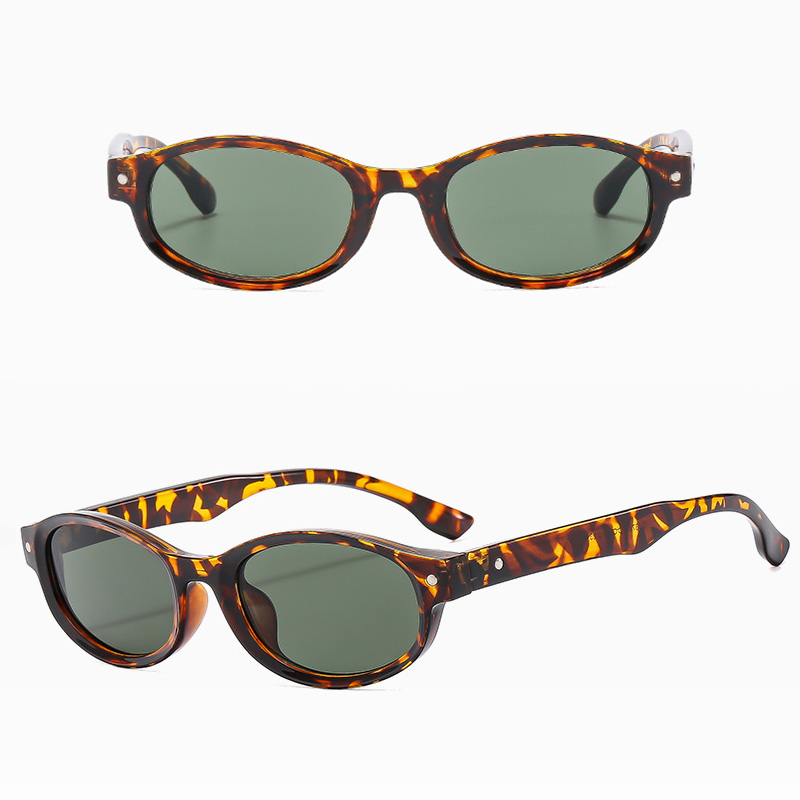
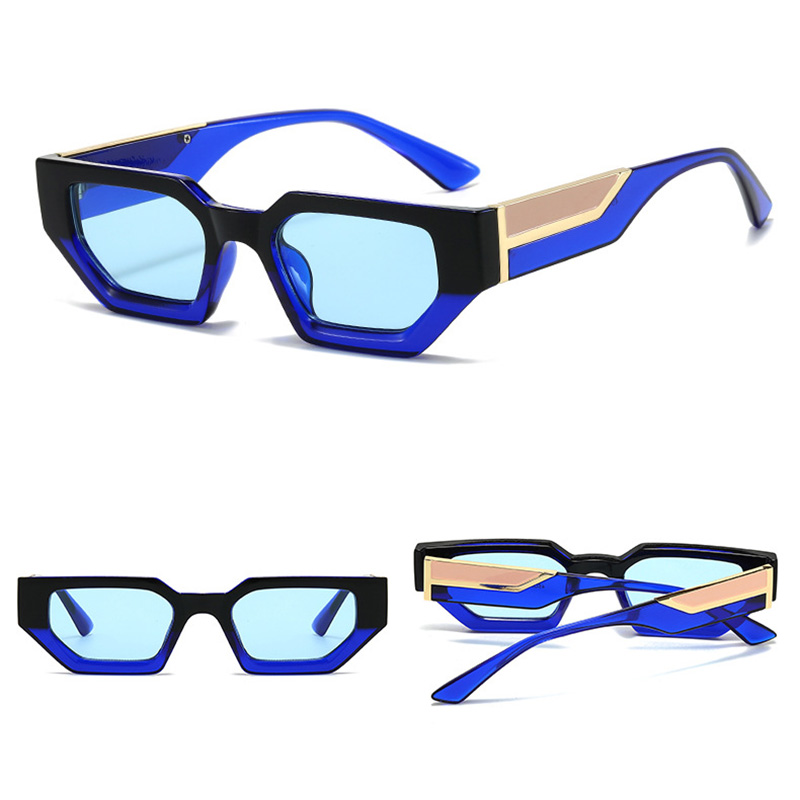
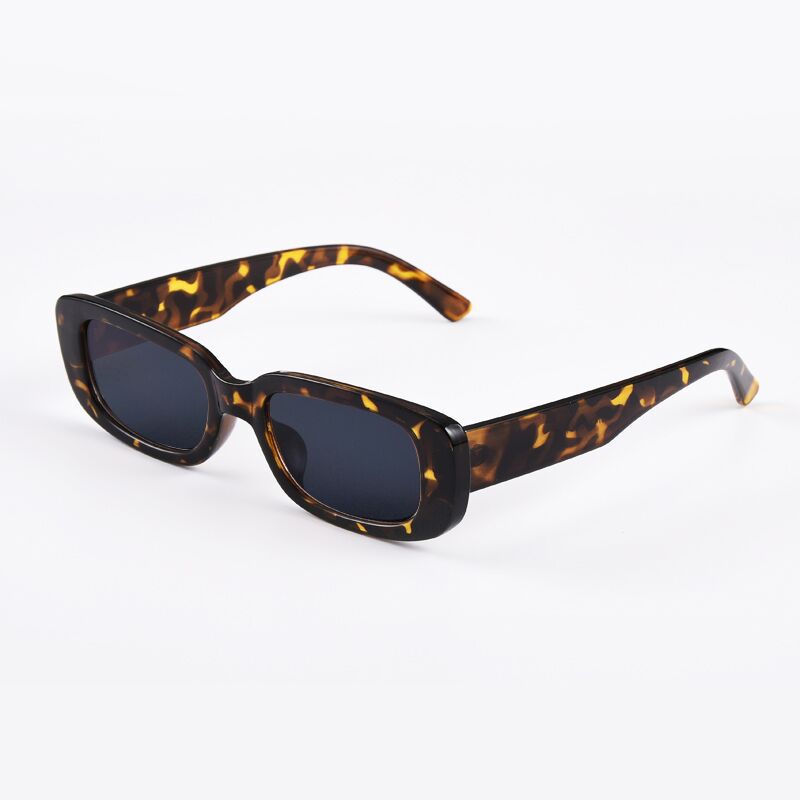
In today's digital age, our exposure to blue light from screens is increasing rapidly. This raises the question of whether anti-blue light glasses can effectively protect our eyes from potential harm and discomfort.
Anti-blue light glasses are designed with special lenses that filter or block blue light, particularly from screens, to alleviate digital eye strain, enhance sleep quality, and potentially guard against retinal harm. They utilize either tinted lenses or specialized coatings to target and filter out blue light wavelengths.
Understanding the science and implications of blue light exposure helps unlock the potential benefits these glasses can offer. Let's explore what the research and experts reveal about this spectrum of light and its impacts on eye health.
What are Blue Light Glasses?
Blue light glasses are specially formulated eyewear aimed at minimizing the effects of blue light emitted from various digital devices. What makes these glasses unique is worth examining.
These glasses feature lenses that are treated with coatings meant to filter blue light specifically. Types of lenses available include clear lenses for minimal visual disruption and amber-tinted lenses for stronger filtration. Each type addresses different consumer needs regarding degree of protection and color distortion.

While resembling conventional eyewear, blue light glasses are designed to mitigate eye strain associated with prolonged exposure to digital displays. Selecting the appropriate type hinges on individual usage patterns and screen time frequency.
The Science of Blue Light
Blue light is a high-energy segment of the visible light spectrum. Understanding its characteristics and sources is crucial in assessing its effects.
Blue light lies in the visible spectrum with wavelengths ranging from 400 to 495 nanometers. Natural sources include sunlight, which is beneficial for regulating circadian rhythms, while artificial sources like phone screens, computer monitors, and LED lighting can lead to eye discomfort and strain. Long-term exposure may risk potential retinal damage as it penetrates deeper into the eye than other light types.

Short-term effects include temporary eye strain and discomfort, whereas extended exposure might contribute to more severe consequences like macular degeneration. The eye's natural barriers, such as the lens and cornea, offer limited defense against excessive blue light, highlighting the need for additional protective measures for regular screen users.
How Do Anti-Blue Light Glasses Work?
The effectiveness of anti-blue light glasses lies in the filtration technology and coatings applied to their lenses.
These glasses utilize filtering technology to selectively block blue light waves, employing methods like lens tinting or coatings. The coatings create barriers that prevent blue light penetration, thereby reducing eye strain and visual discomfort. Innovations in lens designs have led to effective filtering without compromising visual clarity or color accuracy.
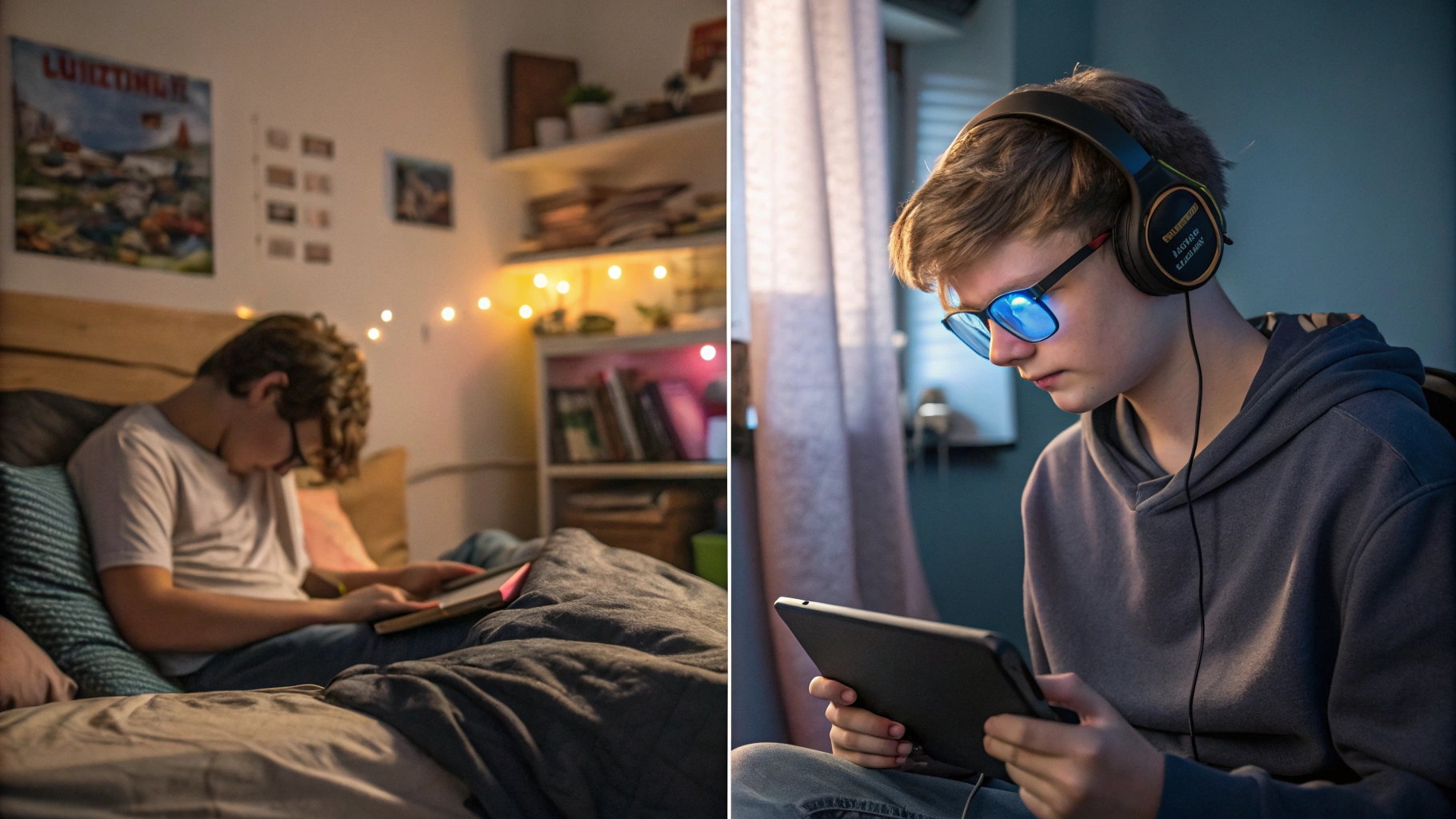
As the technological fabric of eyewear evolves, these solutions foster enhanced comfort and protection for individuals with significant screen exposure, thereby affirming their place as practical devices in our modern digital world.
Benefits of Anti-Blue Light Glasses
Customers opt for anti-blue light glasses due to perceived benefits spanning from eye strain reduction to improved sleep quality and fashionable appeal.
These glasses combat digital eye strain by curbing harmful wavelengths, potentially fostering better sleep by regulating circadian rhythms disrupted otherwise. Reduced glare during extended screen exposure and studies investigating retinal protection further advocate these glasses. Additionally, aesthetic considerations alongside functional benefits make them a desirable accessory.
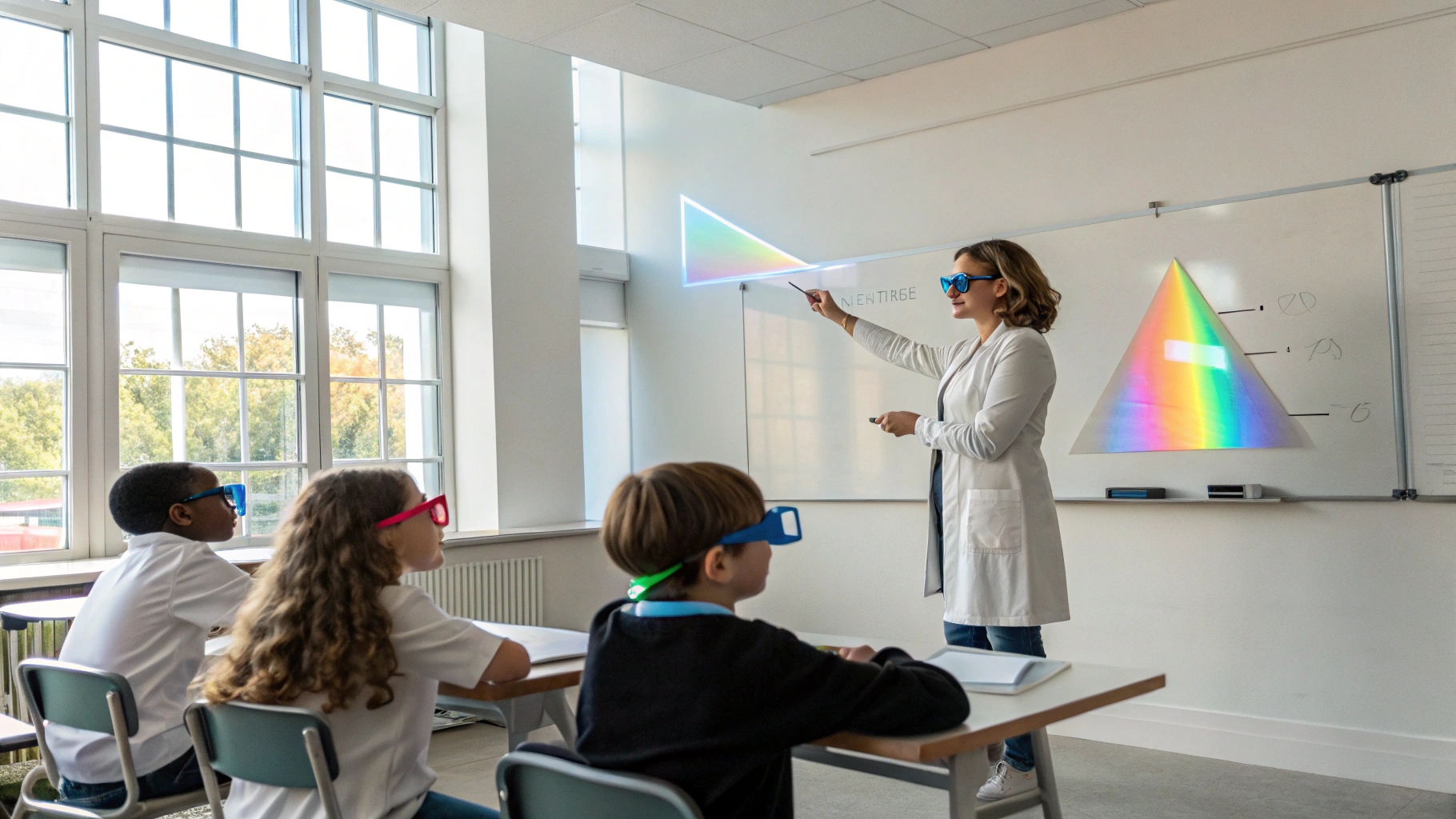
Incorporating style with function, many eyewear brands launch fashionable designs, promoting them as both health-enhancing and stylish.
Criticisms and Limitations
While anti-blue light glasses offer advantages, skepticism persists concerning varied product effectiveness and inconsistent research findings.
Criticisms address the scarcity of comprehensive scientific evidence supporting effectiveness, insinuate placebo effects, and question product quality disparities among various brands. Alternatives like digital screen filters and structured screen-free periods also present protective avenues, prompting reconsideration of glasses as the singular solution.
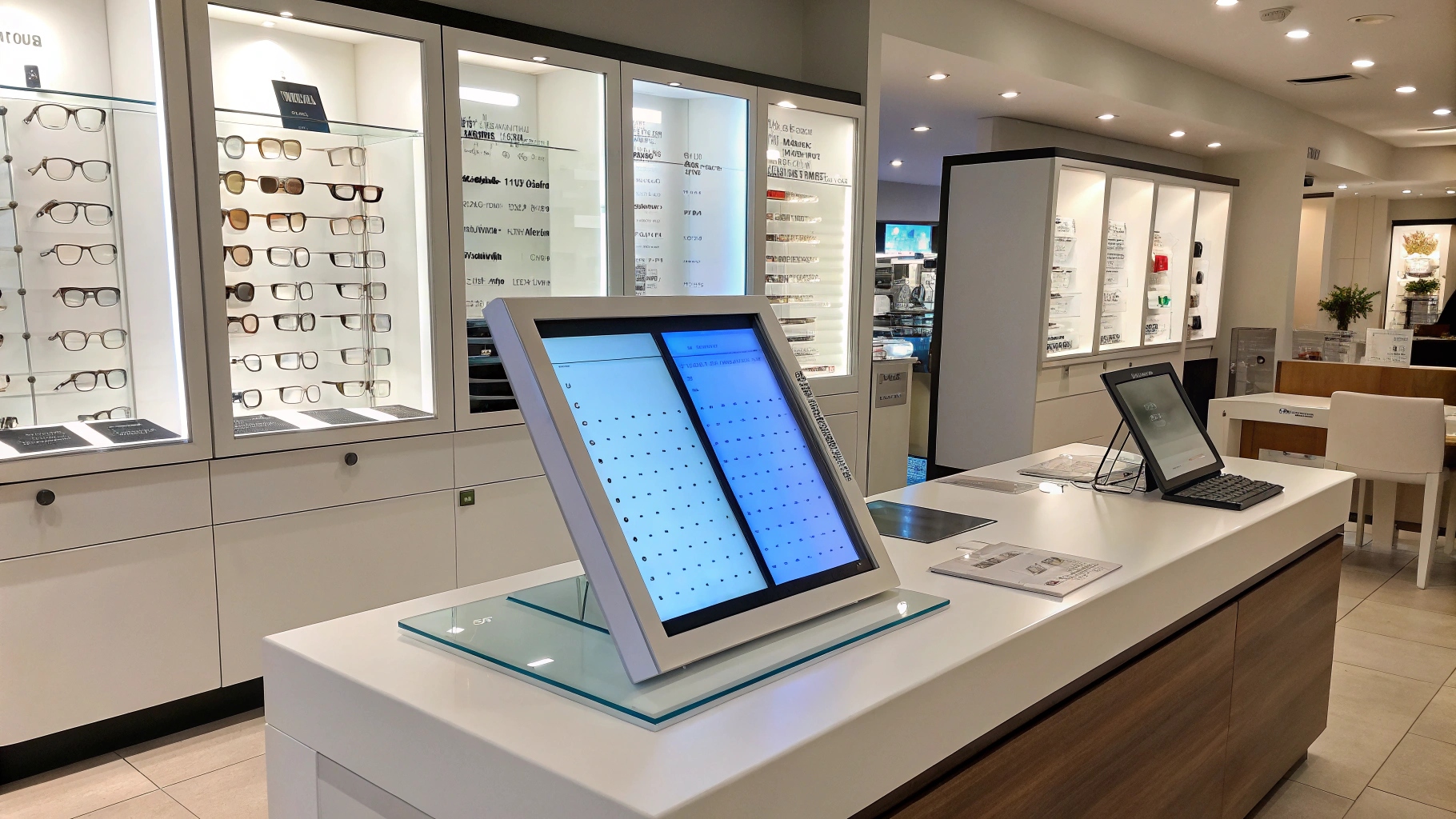
These criticisms highlight the importance of informed product choices alongside an understanding of imitations relative to brand trust.
Research and Studies
Exploring scientific insights reveals mixed results on blue light effects and eyewear efficacy, illuminating pivotal findings and future research areas.
Existing studies include extensive meta-analyses and individual papers with varied findings about blue light exposure impacts. Supportive studies posit protection benefits, while contradicting evidence or negligible results suggest further investigation via longitudinal studies and advanced methods encompassing diverse participant demographics.

Continuous exploration aims to substantiate or debunk claims, ideally elucidating distinct impacts on different population subsets and advancing lens technologies.
Consumer Perspectives
Consumer views on blue light glasses range from enthusiastic endorsements to inquiries about genuine efficacy amid marketing influences.
User reviews reveal satisfaction in strain relief but present concerns over placebo elements. Dominant brands leverage advertising and influencer endorsements, shaping perceptions, whereas emerging players compete through product innovation, targeting diverse consumer needs.

Marketing strategies have capitalized on digital mediums and collaborative endorsements, profoundly influencing market demand and consumer choices.
Conclusion
Evaluating the usefulness of anti-blue light glasses necessitates balancing perceived benefits against critical skepticism.
Personal evaluation guides individuals in assessing whether these glasses suit their regime and quality-oriented product selection. Ongoing studies and technological progress aid understanding their prospective efficacy and roles in robust eye care.
Acknowledging when to consider these glasses can stem from evident eye strain or sleep issues, complemented by scientific security in their effectiveness as it unfolds through further inquiry.
Share:


Post time: Jun-09-2025