Struggling to predict which eyewear brands will lead the future? The market shifts so fast, making it hard to know where to place your bets and build your inventory.
The leading eyewear brands of 2026 won't be defined by a single name but by market influence and consumer connection[^1]. This includes tech integration like Meta's smart glasses, the market dominance of portfolios like Luxottica's, and the rise of accessible, value-driven private labels.

The idea of a single "best" brand is becoming a thing of the past. The eyewear market is too big and too diverse for one company to rule them all. Instead, leadership is now defined by influence in specific areas. Some brands lead in luxury, others in technology, and many more are winning by making style affordable for everyone. As a manufacturer, I see these trends firsthand through the orders my clients place. They are building the brands of the future, and their strategies show us where the market is headed. It’s a fascinating landscape, and understanding its different parts is key to success.
The Power of the Parent Company: How Luxottica's Portfolio Dominates Global Market Share?
Worried your brand can't compete with the giants? Their massive reach seems unbeatable, making it tough for smaller players. But understanding their strategy reveals opportunities for your own niche.
Luxottica dominates global market share through its vast portfolio of well-known brands like Ray-Ban and Oakley, and its control over retail channels. This vertical integration[^2] gives them unmatched influence over trends, pricing, and distribution, solidifying their position as a market powerhouse.

When we talk about market dominance, it's impossible not to start with EssilorLuxottica. Their power isn't just from selling a lot of sunglasses; it's from controlling almost the entire process. They design, manufacture, and distribute their products. They own iconic in-house brands like Ray-Ban, Oakley, and Persol. On top of that, they hold the licenses for nearly every major fashion house you can think of, including Chanel, Prada, and Versace. If you buy luxury eyewear, chances are you're buying a Luxottica product. They even own the stores where you buy them, like Sunglass Hut and LensCrafters. This complete control, known as vertical integration[^2], allows them to set trends and prices across the industry. For a small brand, this can feel intimidating. But it also creates gaps. Their focus on the mass luxury market leaves room for specialized, independent brands to serve customers looking for something unique, a better price, or a more personal story.
Tech Integration as a Popularity Driver: The Rise of Meta Smart Glasses?
Feel like traditional sunglasses are becoming outdated? Technology is changing everything, leaving purely fashion-focused brands behind. Integrating tech is the key to staying relevant and exciting for modern consumers.
Tech integration is a major driver of brand popularity, with products like Ray-Ban Meta smart glasses leading the charge. These devices blend fashion with functionality—offering hands-free photos, calls, and AI features—capturing a new generation of consumers who expect more from their accessories.
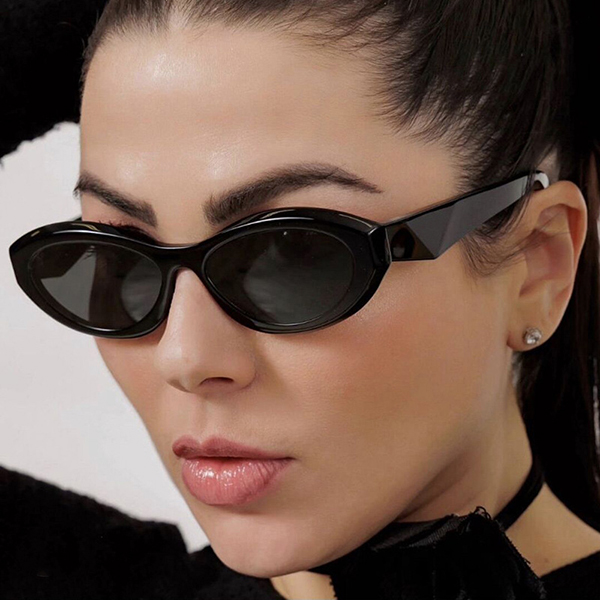
Technology is no longer just for phones and watches; it's becoming a part of what we wear every day. The partnership between Ray-Ban and Meta is the perfect example of this. They succeeded where others, like Google Glass, struggled because they put fashion first. The glasses look like classic Wayfarers, making them socially acceptable and stylish. But inside, they pack a camera, speakers for calls and music, and an AI assistant. This blend of style and function is what makes them so popular. Consumers now expect more from their products. As a manufacturer, I'm seeing this trend up close. We're getting more requests to explore integrating simple tech into eyewear frames. While competing directly with Meta is tough, this trend opens up huge opportunities for niche markets. Imagine smart glasses designed specifically for cyclists with built-in navigation, or for fishers with polarized lenses that can record their catch. This is where smaller, agile brands can innovate and win.
Affordability and Accessibility: Why Value-Based Brands Resonate with the Mass Market?
Are high prices from legacy brands alienating your customers? Consumers want style without the huge price tag, but finding quality is a challenge. Value-based brands offer the perfect solution.
Value-based brands resonate with the mass market by offering stylish, quality eyewear at affordable prices. They succeed by focusing on direct-to-consumer models[^3], efficient supply chains[^4], and private label partnerships[^5], making trendy designs accessible to everyone without the luxury brand markup.
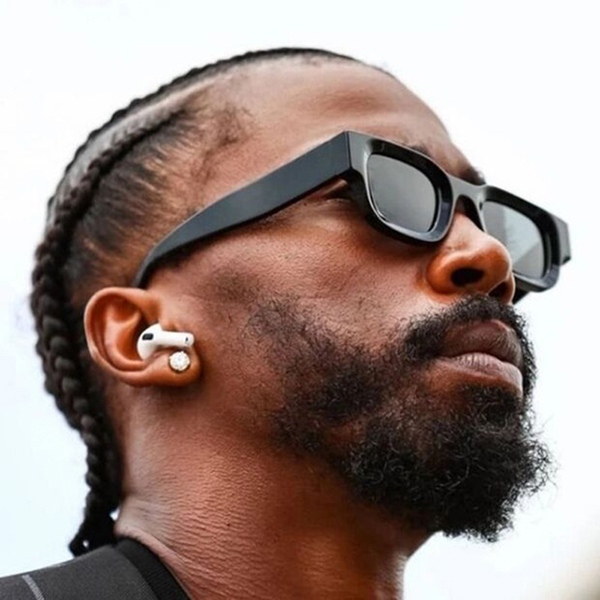
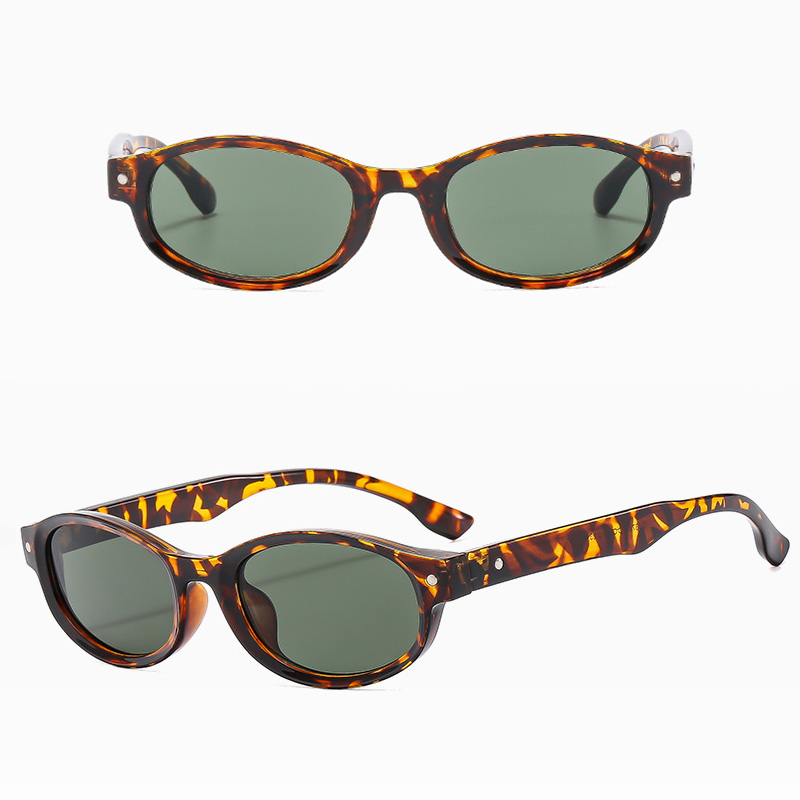
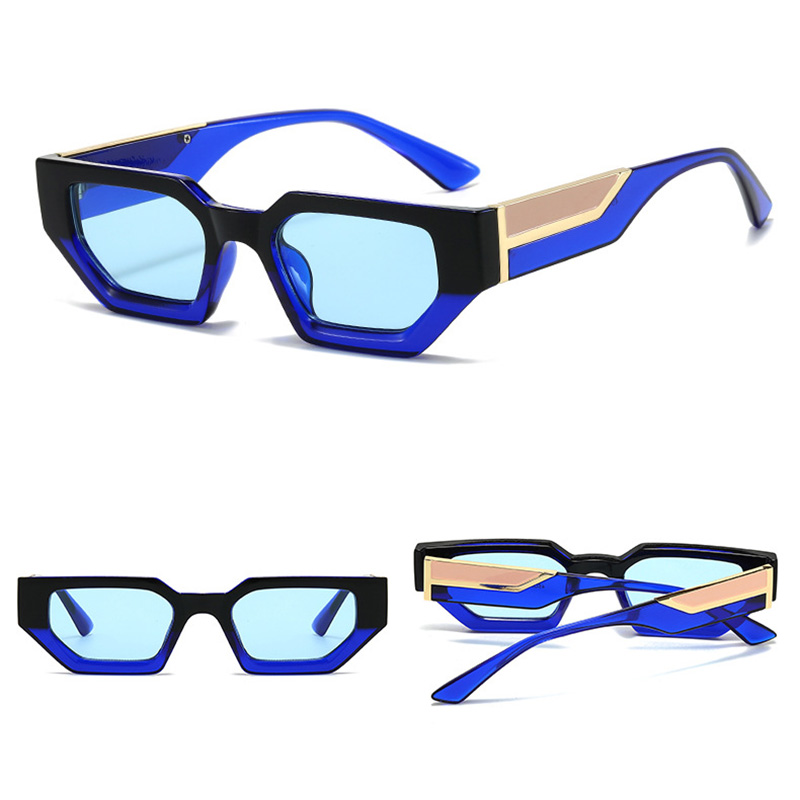
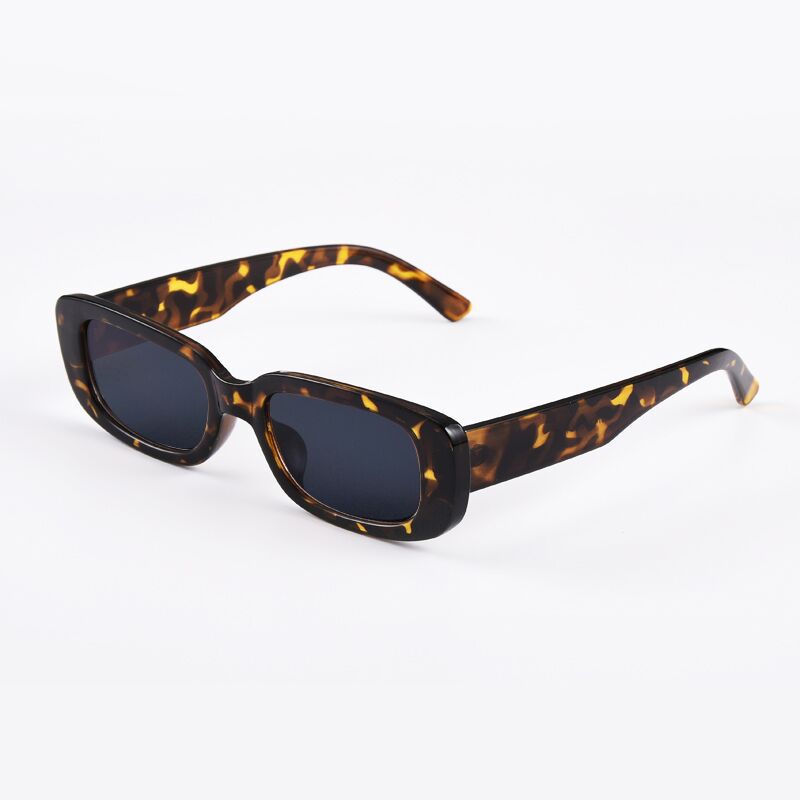
While luxury and tech grab headlines, the biggest part of the market is driven by affordability. Most people want to look good without spending a fortune. This is where value-based brands are thriving. In recent years, we've seen new brands like Pit Viper and the Chinese brand Bèneunder become incredibly popular with fresh, exciting designs. They prove you don't need a legacy name to connect with customers. I see this directly with my own clients. Many of them run private label brands on Amazon or Shopify. We work together to turn their unique designs into high-quality glasses that can be sold for a great price. Some of their designs are amazing, and once they hit the market, they sell incredibly well. The key is a smart business model. By selling directly to consumers online, they cut out the middleman. By working with a reliable manufacturer like us, they can get great quality using cost-effective materials like TR90 and polycarbonate, keeping prices low. This approach makes fashion accessible to everyone.
The New Retail Landscape: How Omnichannel Presence Shapes Brand Popularity?
Is your brand struggling to connect with customers everywhere they shop? Relying on just one channel means you're missing out. An omnichannel strategy[^6] is essential for modern brand visibility.
An omnichannel presence[^7] is crucial for brand popularity in the new retail landscape. Successful brands seamlessly integrate their online stores, social media platforms, and physical retail experiences. This allows customers to discover, try, and buy products through whichever channel is most convenient for them.
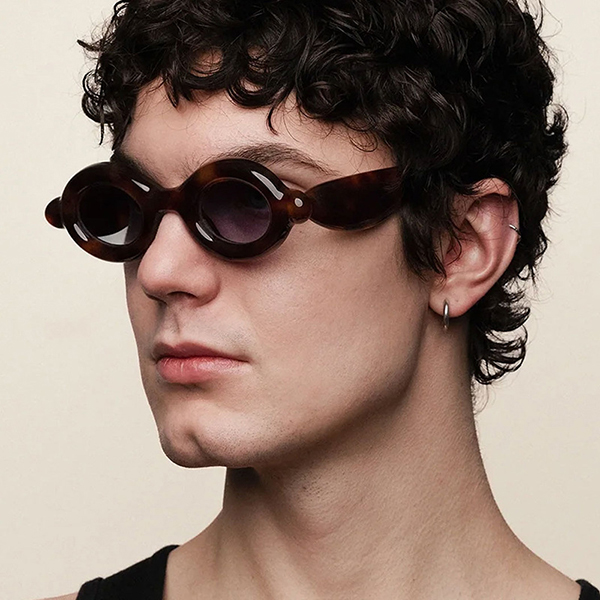
Today, the path a customer takes to buy something is complex. They might see an ad on TikTok, look up reviews on a blog, try on a virtual pair using an AR filter on your website, and then finally buy from your Amazon store. A brand that is present and consistent across all these touchpoints will win. This is what "omnichannel" means: creating a smooth, unified experience wherever your customer is. It’s no longer enough to just have a good website or a nice physical store. You need both, and they need to work together. For my B2B clients[^8], this is a major focus. They need more than just a good product from me. They need high-quality photos, videos, and detailed product descriptions to fuel their online channels. This is often a pain point for brands sourcing from overseas—they get the product but no marketing support. We recognized this early on, which is why we provide a full suite of media assets[^9] to help our clients build a strong omnichannel presence[^7] from day one.
Sunglasses as a Staple: The Role of Multi-Pair Purchasing in Building Brand Loyalty?
Do you see customers buying just one pair of glasses and disappearing? This limits your revenue and growth potential. Encouraging multi-pair ownership turns one-time buyers into loyal fans.
Brands build loyalty by positioning sunglasses as a fashion staple, encouraging multi-pair purchasing[^10]. By offering diverse styles for different occasions[^11]—sports, fashion, driving—at accessible price points, brands can turn a single purchase into a collection, fostering repeat business and strong customer relationships.

Sunglasses are no longer just a medical device for sun protection. They are a core fashion accessory, just like shoes or handbags. People don't own just one pair anymore. They have a sporty pair for running, a classic pair for driving, and a few trendy pairs to match different outfits. This shift in consumer behavior is a massive opportunity for brands to build loyalty. Instead of a one-time purchase, you can create a customer who comes back again and again to build their "eyewear wardrobe[^12]." Brands can encourage this by offering a wide variety of styles and promoting the idea of collecting pairs for different activities. As a manufacturer, we support this strategy by offering flexible Minimum Order Quantities (MOQs)[^13]. This allows our clients, especially smaller e-commerce brands, to order a diverse range of styles instead of getting stuck with thousands of a single design. This flexibility is critical for them to build a catalog that excites customers and encourages them to buy more than just one pair.
Conclusion
The future of eyewear leadership is diverse. Success will come from embracing technology, offering value, mastering omnichannel retail, and encouraging a multi-pair mindset. It's an exciting time for innovation.
[^1]: Understanding how brands connect with consumers can help you predict future leaders in the eyewear industry.
[^2]: Understanding vertical integration can reveal how major brands control trends, pricing, and distribution.
[^3]: Understanding direct-to-consumer models can reveal how brands make trendy designs accessible without luxury markups.
[^4]: Exploring efficient supply chains can show how brands maintain quality while keeping prices low.
[^5]: Discovering private label partnerships can help you understand how brands offer affordable, stylish eyewear.
[^6]: Understanding omnichannel strategies can show how brands enhance visibility and customer engagement.
[^7]: Learning about omnichannel strategies can reveal how brands connect with customers across various platforms.
[^8]: Understanding support for B2B clients can reveal how brands enhance their retail strategies.
[^9]: Exploring media assets can show how brands create strong marketing support for their products.
[^10]: Understanding multi-pair purchasing can reveal how brands encourage repeat business and strong customer relationships.
[^11]: Exploring diverse styles can show how brands cater to various consumer needs and preferences.
[^12]: Exploring the concept of an eyewear wardrobe can reveal how brands foster loyalty and repeat purchases.
[^13]: Learning about MOQs can show how brands offer diverse styles without overstocking.
Share:


Post time: Feb-27-2026