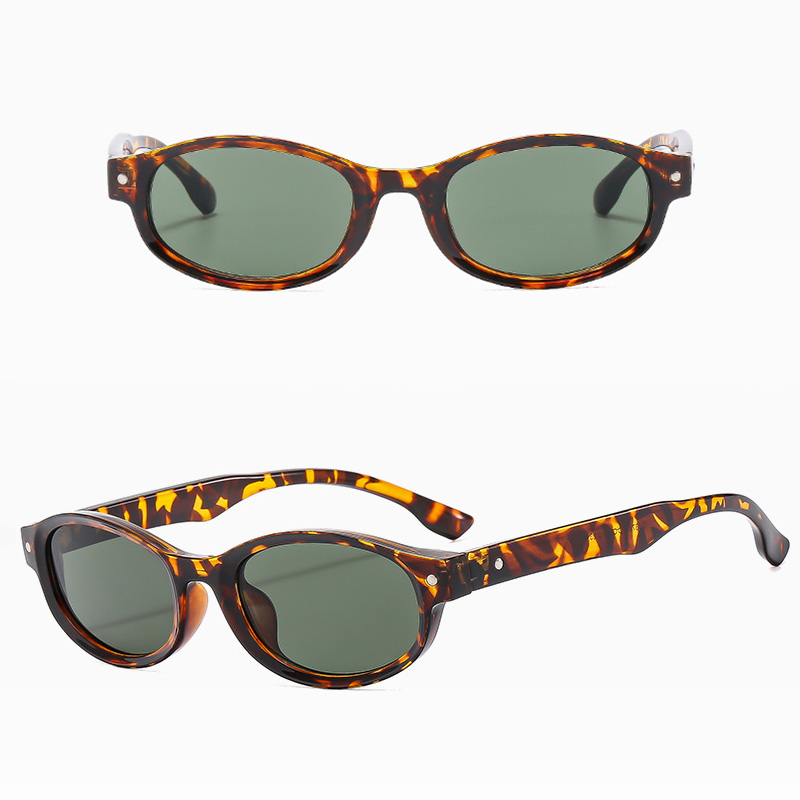
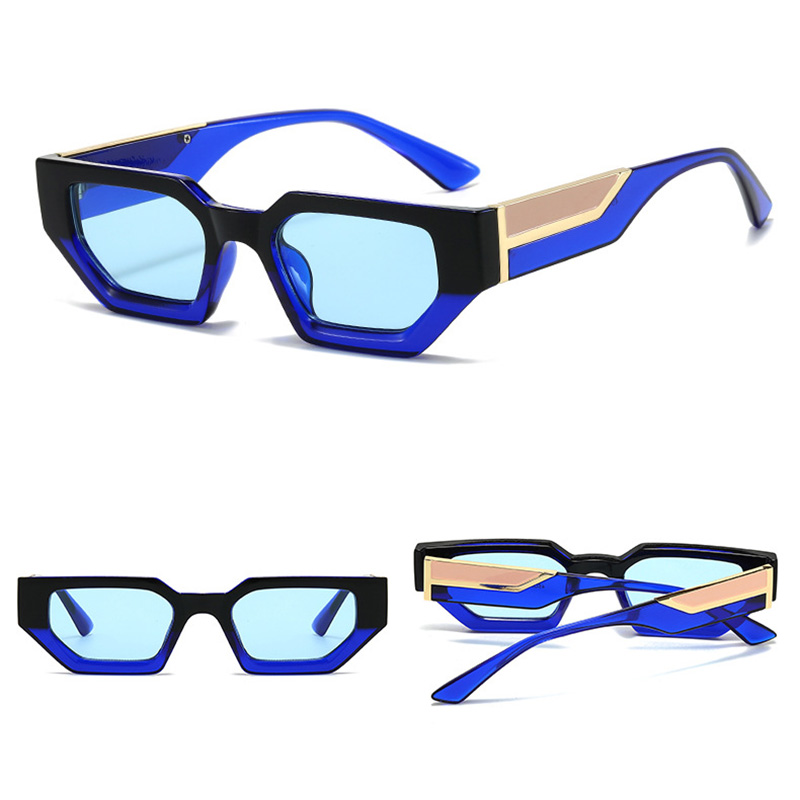
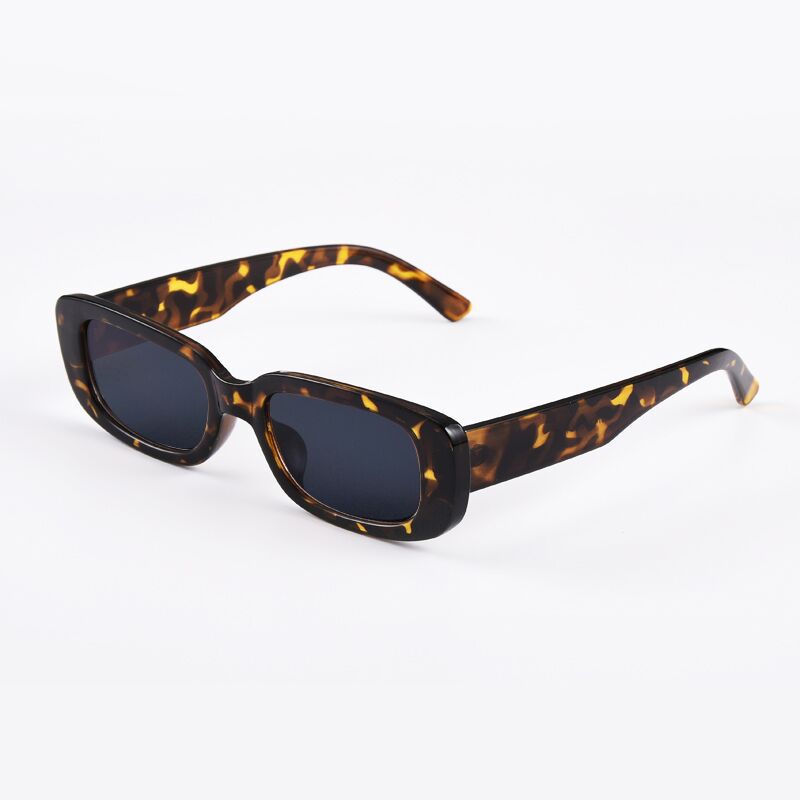
Planning a trip but forgetting a key item? This can lead to eye strain[^1], UV damage[^2], and discomfort. A good pair of sunglasses is the simple, stylish solution for any destination.
Sunglasses are a vacation hero because they protect your eyes from harmful UV rays, reduce glare[^3] for comfort and safety, and serve as a versatile fashion accessory[^4]. They ensure you look and feel great in any setting, from bustling cities to snowy mountains, making them truly essential.
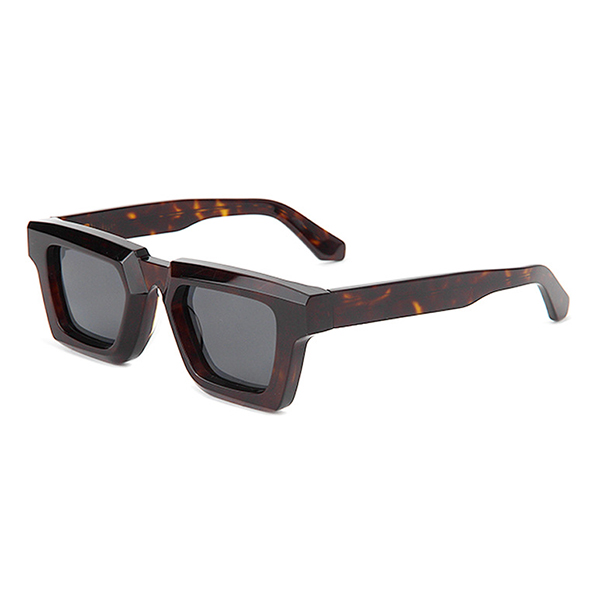
Most of us automatically pack sunglasses for a beach holiday. It's a no-brainer. But what about a city break, a mountain hike, or even a winter ski trip? After years in the eyewear business, I’ve learned that the sun’s invisible threats[^5] are present everywhere, not just on sunny shores. It's not just about looking cool; it's about genuine protection for your eyes and the delicate skin around them. Let's dive into why a great pair of sunglasses is the most important travel companion you can have, no matter where your adventures take you.
Why is Shielding Your Eyes from Hidden UV Threats a Non-Negotiable for Health?
Worried about skin damage and wrinkles? The delicate skin around your eyes is the most vulnerable. Sunglasses are your first and best line of defense against premature aging[^6] and serious eye conditions.
Sunglasses are non-negotiable for health because they block 99-100% of UVA and UVB rays. This protection prevents long-term damage like cataracts[^7] and also shields the sensitive skin around your eyes from photoaging, keeping you looking youthful and your vision sharp.
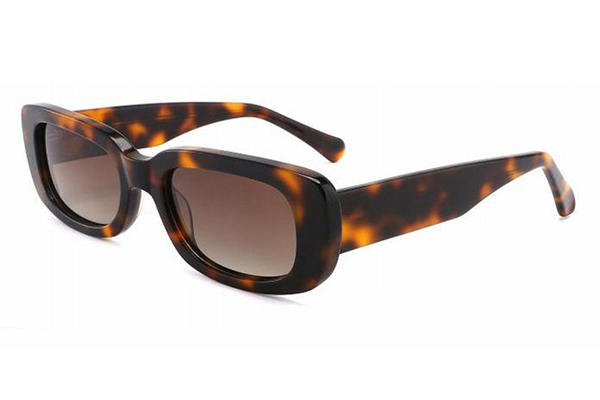
I used to believe that a good face cream and sunscreen were all I needed. But my work in this industry taught me something crucial: the skin around our eyes is the thinnest and most sensitive on our entire body. It’s the first place to show signs of aging, largely due to sun exposure. Physical barriers are far more effective and gentler than relying on chemicals alone. A quality pair of sunglasses acts as a physical shield, not just for your eyeballs but for that entire fragile area. This is about more than just avoiding crow's feet; it's about preventing serious, long-term health issues that build up over time.
Understanding UV Radiation
The sun emits different types of ultraviolet (UV) rays, but the two we need to worry about are UVA and UVB. UVA rays penetrate deep into the skin, causing premature aging[^6]. UVB rays are the primary cause of sunburn. Both contribute to serious eye conditions. Sunglasses with 100% UV protection block both, offering complete defense.
The Long-Term Consequences
Consistent exposure to UV radiation without protection can lead to several severe eye problems. It's not an immediate effect, which is why it's so easy to ignore until it's too late.
| Condition | Description | How Sunglasses Help |
|---|---|---|
| Cataracts | A clouding of the eye's natural lens. | Blocks the UVB rays that accelerate cataract formation. |
| Macular Degeneration | Damage to the retina that causes central vision loss. | Shields the retina from cumulative UV damage over a lifetime. |
| Pterygium | A growth on the eyeball, often called "surfer's eye." | Creates a physical barrier against sun, wind, and dust. |
| Photoaging | Wrinkles and fine lines around the eyes. | Protects the delicate skin from UVA rays that break down collagen. |
How Does Reducing Glare with Sunglasses Lead to Safer Adventures?
Ever been blinded by intense glare[^3] while driving or skiing? That momentary loss of vision is incredibly dangerous. Polarized sunglasses cut through that blinding light, keeping your vision clear and your adventures safe.
Reducing glare[^3] enhances safety by improving visual clarity and reducing eye strain[^1]. On the road, it prevents accidents from reflections off wet pavement. On water or snow, it helps you see hidden obstacles. This clarity allows for quicker reaction times, making all activities safer.
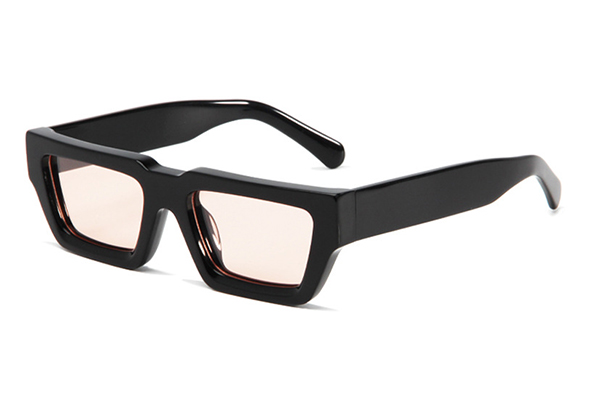
I’ll never forget a road trip I took years ago. I was driving west as the sun was setting, and the glare[^3] reflecting off the car in front of me was completely blinding. For a few terrifying seconds, I couldn't see a thing. That experience made me a firm believer in the power of polarized lenses. They don't just make things look better; they make them fundamentally safer. Glare isn't just an annoyance; it’s a visual hazard that fatigues your eyes and slows your reaction time. Whether you're behind the wheel, on a boat, or on the slopes, managing glare[^3] is critical for seeing what's ahead.
What Exactly is Glare?
Glare is concentrated, harsh light that reflects off horizontal surfaces like water, snow, or wet roads. This light is disorganized and overwhelming, making it difficult for your eyes to process information. It causes you to squint, leads to headaches, and can create dangerous situations where you can’t see obstacles or traffic signals clearly.
The Magic of Polarization
Think of polarized lenses as a smart filter for light. They contain a special film that blocks horizontal light waves (the glare[^3]) while allowing vertical light waves (useful light) to pass through.
| Activity | Without Polarization (High Glare) | With Polarization (Clarity) |
|---|---|---|
| Driving | Blinding reflections from the road and other cars. | Clear view of the road, traffic, and dashboard. |
| Fishing | Can't see beneath the water's surface. | Can easily spot fish and underwater structures. |
| Skiing / Snowboarding | Difficult to see bumps and ice patches on the snow. | Clear definition of the terrain for a safer run. |
| Boating | Intense, painful glare[^3] off the water's surface. | Comfortable vision and a clear view of the waves. |
How Can Sunglasses Blend Fashion and Utility for Diverse Vacation Settings?
Packing multiple accessories to match different outfits is a major hassle. But what if one single item could do it all? The right pair of sunglasses transitions seamlessly from a city cafe to a mountain trail.
Sunglasses blend fashion and utility by being the ultimate versatile accessory. A classic frame style, like an Aviator[^8] or Wayfarer[^9], complements both casual and formal attire. This allows you to pack one pair that enhances your look in photos while providing essential eye protection.
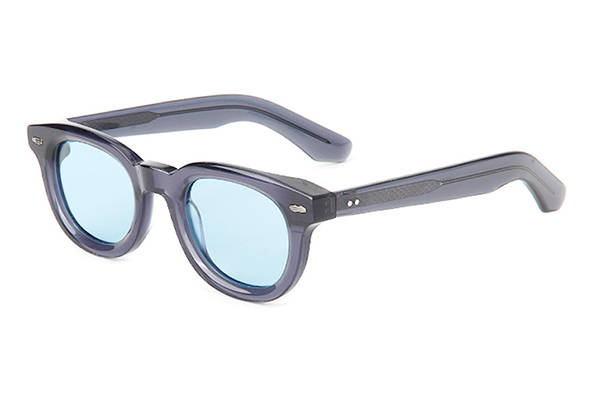
On any vacation, we all want to look our best in photos. The pictures are the memories we bring home. I've learned from my customers—brand owners like Victoria and retail buyers like Lee—that versatility is key. They want styles that appeal to a broad audience for exactly this reason. A well-chosen pair of sunglasses can instantly elevate a simple t-shirt and jeans, add a touch of mystery to a formal outfit, or complete a sporty look. It’s the one accessory that works for every occasion. Packing one great pair means you're prepared for any photo opportunity and any lighting condition, without overstuffing your luggage.
Choosing Your All-in-One Style
The secret to versatility is picking a timeless frame shape that flatters your face and works with multiple styles. As a manufacturer, we see consistent demand for classic designs because they never go out of fashion and look great on almost everyone.
From City to Summit: A Style Guide
Think about your main vacation activities and choose a frame that can handle them all. You don't need a different pair for every outfit if you choose wisely.
| Frame Style | Best For Vacation Type | Why It Works |
|---|---|---|
| Wayfarer[^9] | Urban Exploration, Beach Trips | A timeless, universally flattering shape that looks both casual and sharp. |
| Aviator[^8] | Road Trips, Adventure Travel | Lightweight and offering great coverage, it has a cool, effortless vibe. |
| Round | Artsy City Breaks, Festivals | A vintage-inspired, intellectual look that adds personality to any outfit. |
| Sport Wrap | Hiking, Skiing, Active Travel | Provides maximum coverage and stays put during intense activity. |
Why Doesn't a Darker Tint Always Mean Better Sun Protection?
Think those super-dark, mysterious lenses offer the best protection? This common mistake can actually be worse for your eyes. The real protection is an invisible feature, not the color of the lens.
A dark tint[^10] doesn't equal sun protection because lens color only reduces visible light, not invisible UV radiation. Proper protection comes from a UV-blocking coating[^11]. Dark lenses without this coating are dangerous, as they cause your pupils to dilate and let more UV in.
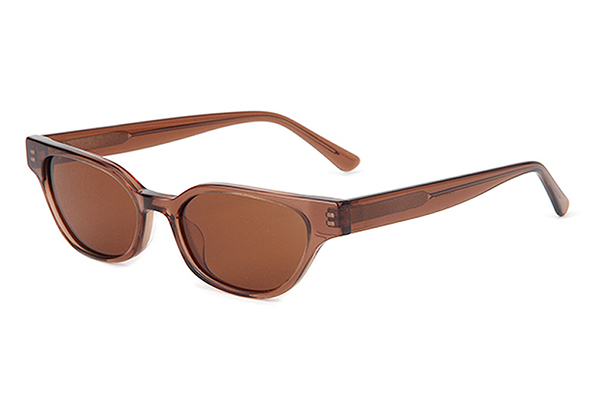
This is one of the most important things I teach our new clients. A few years ago, a potential buyer came to us with a sample of cheap sunglasses he’d been selling. They were very dark, and he assumed they were safe. We tested them and found they had almost zero UV protection. He was shocked to learn he was inadvertently selling a product that could harm his customers' eyes. Dark lenses trick your pupils into opening wider to let in more light. If there's no UV filter, you’re essentially opening a floodgate for damaging radiation. True protection is a technical feature, not an aesthetic one.
The Deception of Dark Lenses
The darkness of a lens is called Visible Light Transmission (VLT)[^12]. It determines how much light reaches your eye, which affects your comfort in bright conditions. It has absolutely nothing to do with blocking cancer-causing UV rays.
What to Look for on the Label
Always check for a sticker or etching that guarantees UV protection. Anything less is a risk you shouldn't take.
| Label | Meaning | Level of Protection |
|---|---|---|
| UV400[^13] | Blocks all light rays with wavelengths up to 400 nanometers. | This covers all UVA and UVB rays. This is the standard you want. |
| 100% UV Protection | Same as UV400[^13]. | Provides complete protection for your eyes. |
| No Label | Assumed to have no UV protection. | Avoid. These can be more dangerous than wearing no sunglasses at all. |
Lens darkness, or "category," is a separate rating for comfort. A Category 3 lens[^14] is great for general sunny conditions, while Category 4 is for intense light like on glaciers. But regardless of the category, the UV protection must always be 100% or UV400[^13].
How Can You Pack Sunglasses Smartly for Scratch-Free Travel?
You invested in a great pair of sunglasses, but they get scratched in your bag on day one. Protecting your eyewear is simple, but it's a step many people forget until it's too late.
For scratch-free travel, always use a hard-shell case[^15]. Tossing sunglasses into a bag, purse, or pocket is the fastest way to damage them. Also, keep a microfiber cloth[^16] in the case for safe cleaning, as using your shirt can cause tiny, permanent scratches.
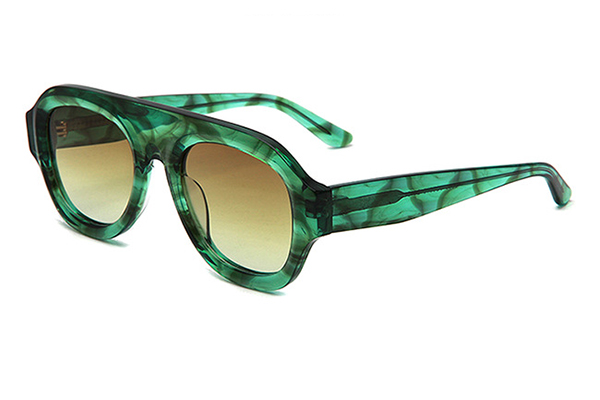
In our factory, we spend a lot of time focused on packaging. We have to ensure that thousands of pairs of sunglasses can travel halfway around the world and arrive in perfect condition. The same principle applies to your single pair on vacation. The number one enemy of a good lens is a set of keys or a loose coin in a pocket or bag. A hard case is non-negotiable. I also see so many people cleaning their lenses with the hem of their t-shirt. This is a terrible habit! Your shirt collects dust and grit, and rubbing that on your lenses is like using fine-grit sandpaper.
The Case for a Hard Case
A soft pouch is better than nothing, but it only protects against scratches, not from being crushed or bent. A hard case provides structural protection, which is essential when your bag gets tossed around in transit.
The Right Way to Clean on the Go
Proper cleaning preserves the life of your lenses and their special coatings.
| Do's | Don'ts |
|---|---|
| Do use the microfiber cloth[^16] that came with your sunglasses. | Don't use your t-shirt, a paper towel, or a napkin. |
| Do blow off any large particles of dust or sand first. | Don't wipe a sandy or dusty lens directly. |
| Do use a lens cleaning solution or a drop of water if needed. | Don't use window cleaner or other harsh chemicals. |
| Do store your cloth in the case to keep it clean. | Don't leave your sunglasses lying lens-down on a table. |
Conclusion
So, for your next trip, pack smart. A quality pair of sunglasses isn't just an accessory; it's essential gear for your health, safety, and style on any adventure.
[^1]: Understanding eye strain helps you recognize the importance of sunglasses in reducing discomfort and protecting your eyes.
[^2]: Learn about the harmful effects of UV rays to appreciate the protective role of sunglasses.
[^3]: Understand the dangers of glare and how sunglasses can improve safety during outdoor activities.
[^4]: Discover how sunglasses can enhance your style while providing essential eye protection.
[^5]: Explore the unseen dangers of sun exposure and how sunglasses offer protection.
[^6]: Find out how sunglasses can prevent premature aging by protecting delicate skin around the eyes.
[^7]: Understand the link between UV exposure and cataracts to see why sunglasses are crucial.
[^8]: Understand the enduring popularity and functionality of Aviator sunglasses.
[^9]: Explore the timeless appeal and versatility of Wayfarer sunglasses for various styles.
[^10]: Learn why dark tint doesn't equate to better UV protection and what to look for instead.
[^11]: Find out how UV-blocking coatings provide essential protection beyond lens color.
[^12]: Learn about VLT and its role in comfort and protection when choosing sunglasses.
[^13]: Find out why UV400 is the standard for complete UV protection in sunglasses.
[^14]: Understand the significance of lens categories for comfort and protection in different light conditions.
[^15]: Discover how a hard-shell case protects your sunglasses from damage during travel.
[^16]: Learn the importance of using a microfiber cloth to clean sunglasses without scratching them.
Share:


Post time: Mar-11-2026