Struggling to find cycling sunglasses that balance quality and cost for your brand? Inconsistent quality from suppliers can hurt your profits. Let's break down the key markers for sourcing smarter.
To assess cycling sunglasses quality, you must check for optical clarity[^1], advanced lens technology[^2] like photochromic or polarized options, and certified impact resistance[^3]e](https://www.beautasteyewear.com/blog/sport-eyewear/impact-resistant-lenses-essential-for-sports-glasses/)[^4]. Also, evaluate the ergonomic fit[^5] for stability and look for durable protective coatings. These factors ensure performance, safety, and value for your customers.
As a manufacturer in the eyewear industry since 2012, I've seen countless products come through our factory. The real difference between a good pair of cycling sunglasses and a great one is in the technical details that buyers often overlook. It's not just about how they look; it's about how they perform under pressure. Understanding these details is the key to sourcing products that build your brand's reputation for quality and reliability. Let's dive deeper into the five critical areas you need to assess to make sure you're getting the best value for your business and your customers.
Does Optical Performance and Visual Clarity Really Matter for Cycling Sunglasses?
Distorted vision on a ride is more than an annoyance; it's a danger. Poor optics cause eye strain and lead to misjudgments on the road. We can show you how to guarantee crystal-clear vision.
Yes, optical clarity[^1] is crucial. High-quality lenses provide a distortion-free, true-to-color view, which reduces eye fatigue and improves a cyclist's reaction times. This is a non-negotiable feature for both safety and performance, directly impacting your brand's credibility and the rider's experience.
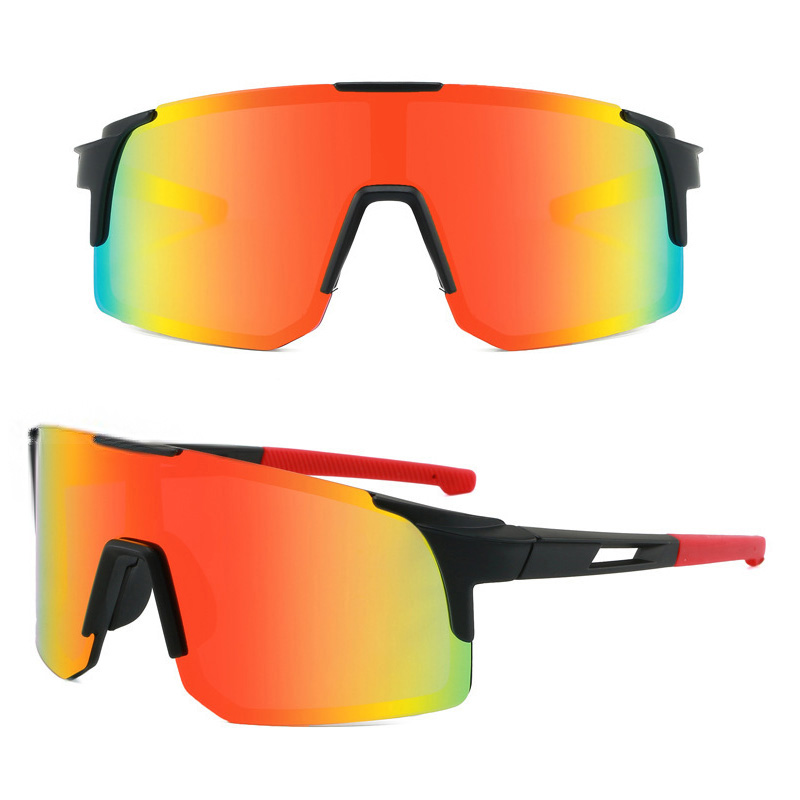
When we talk about optical performance, we're focused on how clearly the rider can see the world. The goal is zero distortion. A simple test I use is to look at a straight line, like a door frame, through the lens. If the line appears bent or wavy, the lens has poor optical quality. This is often a sign of low-grade materials or poor manufacturing processes. At our factory, we primarily use polycarbonate (PC) lenses, which offer excellent optical clarity[^1] and are incredibly lightweight. The key is ensuring the material is optical-grade and the lens is molded with precision. A high-quality lens shouldn't alter colors drastically, either. It should present a true-to-life view, only darker. This level of clarity helps a cyclist spot potholes, debris, and other hazards more quickly, which is a massive selling point.
| Lens Material | Optical Clarity | Impact Resistance | Weight |
|---|---|---|---|
| Polycarbonate (PC) | Excellent | Very High | Very Low |
| Trivex | Excellent | Very High | Very Low |
| Glass | Superior | Low | High |
How Does Lens Technology Help Cyclists Adapt to Different Environments?
Changing light conditions often force cyclists to stop and switch glasses, which is inconvenient and unsafe. What if one pair of sunglasses could automatically adapt to any environment?
Advanced lens technologies like photochromic (color-changing) and polarized lenses[^6] are game-changers. They automatically adjust to light levels or cut harsh glare, providing cyclists with consistent, optimal vision in sun, shade, or wet conditions, making every ride safer and more comfortable.
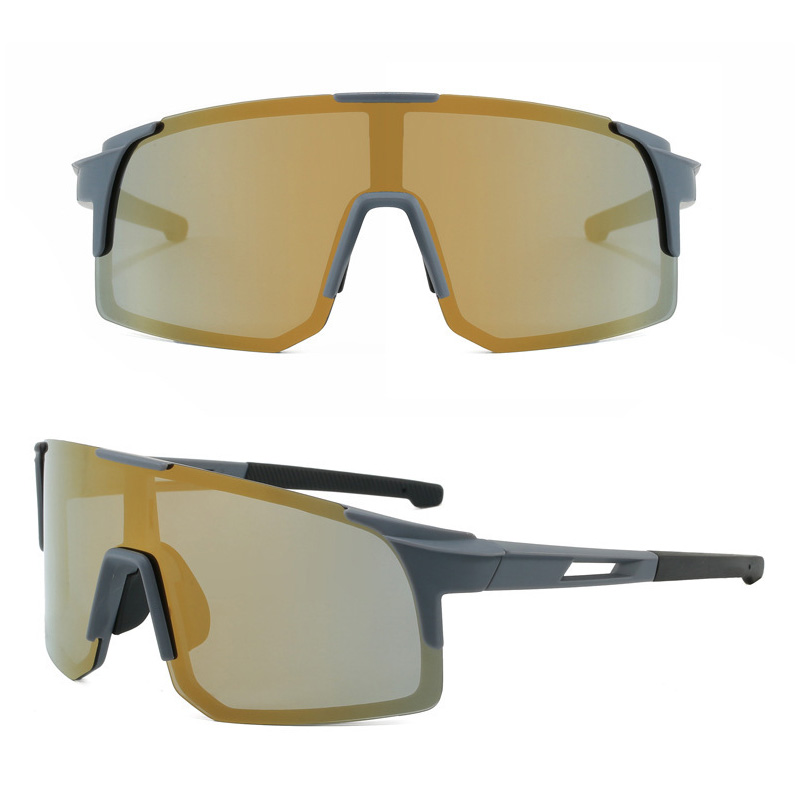
The ability to adapt is a huge value-add for any cycling product. Two main technologies make this possible. First, photochromic lenses, which we produce for many clients, contain molecules that darken when exposed to UV light and lighten in low light. This means a cyclist can ride from a bright, sunny road into a shaded forest without losing visual acuity. Second, polarized lenses[^6] have a special filter that blocks horizontal light waves, which are the primary cause of glare from surfaces like wet roads or car hoods. This significantly reduces eye strain and improves safety. As a manufacturer, we offer a wide range of lens tints and technologies. We help our clients choose the right combination based on their target market, whether it's for professional road racers who need to cut glare or mountain bikers who ride through constantly changing light.
| Lens Technology | Primary Benefit | Ideal Environment |
|---|---|---|
| Photochromic | Adapts to changing light | All-day rides, varied terrain |
| Polarized | Reduces glare | Sunny days, road cycling, near water |
| Mirrored | Reduces brightness, adds style | Very bright, sunny conditions |
Are Your Cycling Sunglasses Meeting Crucial Safety Standards and Impact Resistance Requirements?
A simple rock kicked up from the road can shatter a poor-quality lens, posing a serious risk to a cyclist's vision. Are the products you're sourcing truly protective?
Yes, they absolutely must. Lenses should meet standards like ANSI Z87.1 in the US or EN ISO 12312-1 in Europe for impact resistance[^4]. Polycarbonate (PC) is the key material here, as it resists shattering and protects the rider's eyes from high-velocity impacts.
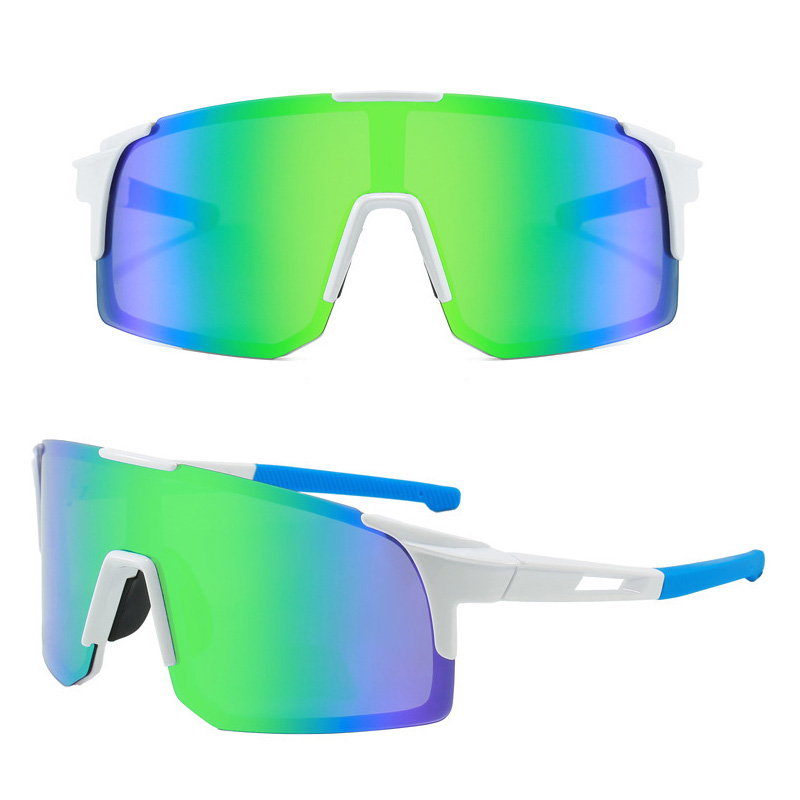
This is an area where you cannot compromise. For B2B buyers, especially those like Lee Markham who work with large retailers, compliance is everything. Your supplier must be able to provide documentation showing their products meet regional safety standards. The most common standard for sports eyewear is high-velocity impact resistance[^4]. This test involves shooting a small steel ball at the lens at high speed. The lens must not shatter, crack, or dislodge from the frame. This is why polycarbonate (PC) is the industry standard material for all quality sports sunglasses. It's the same material used for bullet-resistant glass. As a factory with ISO9001 certification and experience exporting to the US and Europe, we ensure our products are built to pass these tests. This protects the end-user, and it also protects your brand from liability. It's a fundamental part of our quality control process.
Why is Ergonomic Fit and Riding Stability a Game-Changer for Cycling Sunglasses?
Sunglasses that slip, pinch, or bounce are a constant distraction. Ill-fitting frames compromise a cyclist's comfort and safety, which leads to customer frustration and negative reviews.
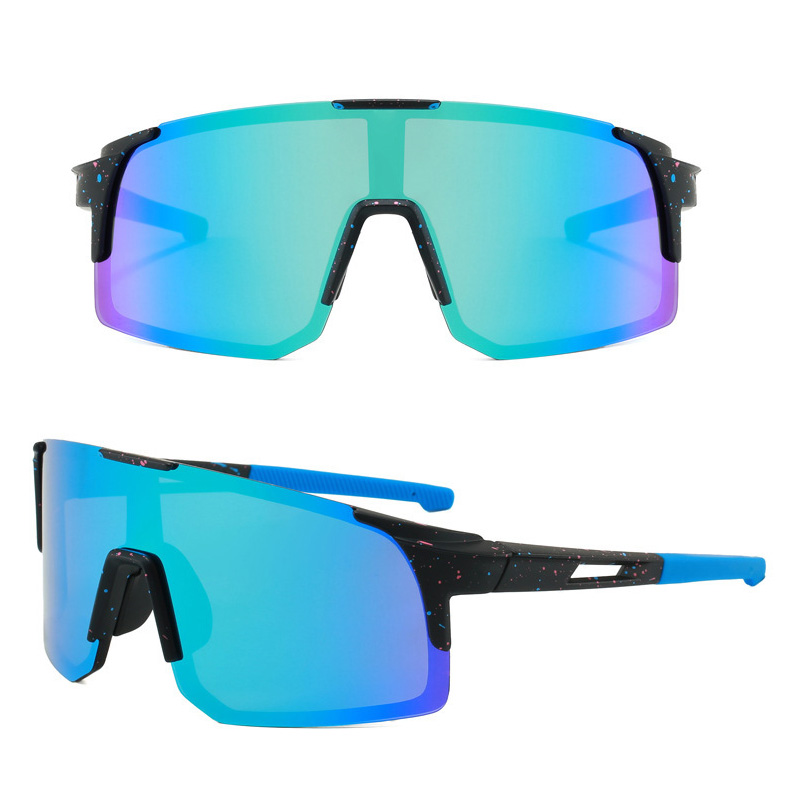
A great ergonomic fit[^5] ensures the sunglasses stay securely in place during intense activity. Features like adjustable nose pads, hydrophilic rubber[^7] temple tips, and lightweight frame materials like TR90 provide a stable, comfortable grip without pressure points, improving the rider's focus.
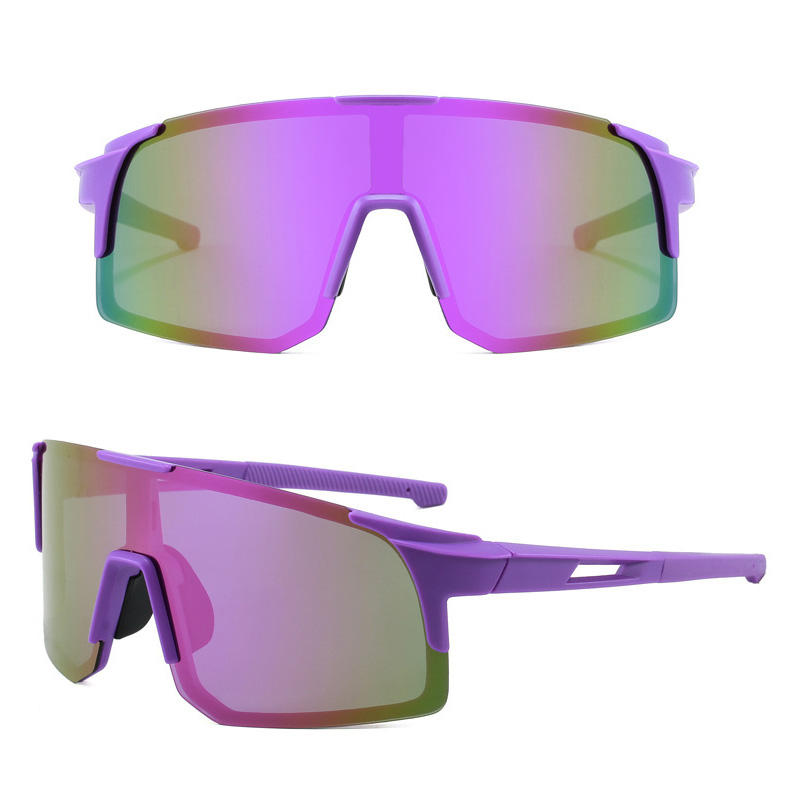
A perfect fit is a combination of design and materials. The frame should have a slight wrap-around shape to provide good peripheral vision and block wind from the sides. The key contact points—the nose and behind the ears—are critical. We use hydrophilic rubber[^7] for our nose pads and temple tips. This material actually increases its grip when it gets wet from sweat, ensuring the glasses don't slip down the rider's nose. Frame material is also vital. We specialize in TR90 frames[^8], which are incredibly lightweight, flexible, and durable. They can bend without breaking and return to their original shape, providing a comfortable, pressure-free fit for a wide range of head sizes. A fantastic feature many of our clients request is an inner frame for prescription lenses. This small clip-in frame allows riders who need vision correction to easily use our sunglasses without the high cost of custom prescription lenses, a huge selling point.
| Frame Feature | Benefit for Cyclist |
|---|---|
| TR90 Material | Lightweight, flexible, durable |
| Adjustable Nose Pads | Customizable, secure fit |
| Hydrophilic Rubber Grips | Prevents slipping when sweating |
| Wrap-Around Design | Blocks wind, improves peripheral vision |
| Prescription Insert | Accommodates vision correction easily |
How Do Durability and Protective Coatings Extend the Life of Cycling Sunglasses?
Scratches and smudges quickly ruin a new pair of sunglasses. Constant cleaning and eventual replacement frustrate users. What if the lenses could protect themselves from daily wear and tear?
Protective coatings are essential for longevity. A hard, anti-scratch coating[^9] defends against abrasions, while hydrophobic and oleophobic coatings keep lenses clear from sweat, water, and fingerprints. These treatments extend the product's lifespan and maintain visual clarity[^10] with less effort.
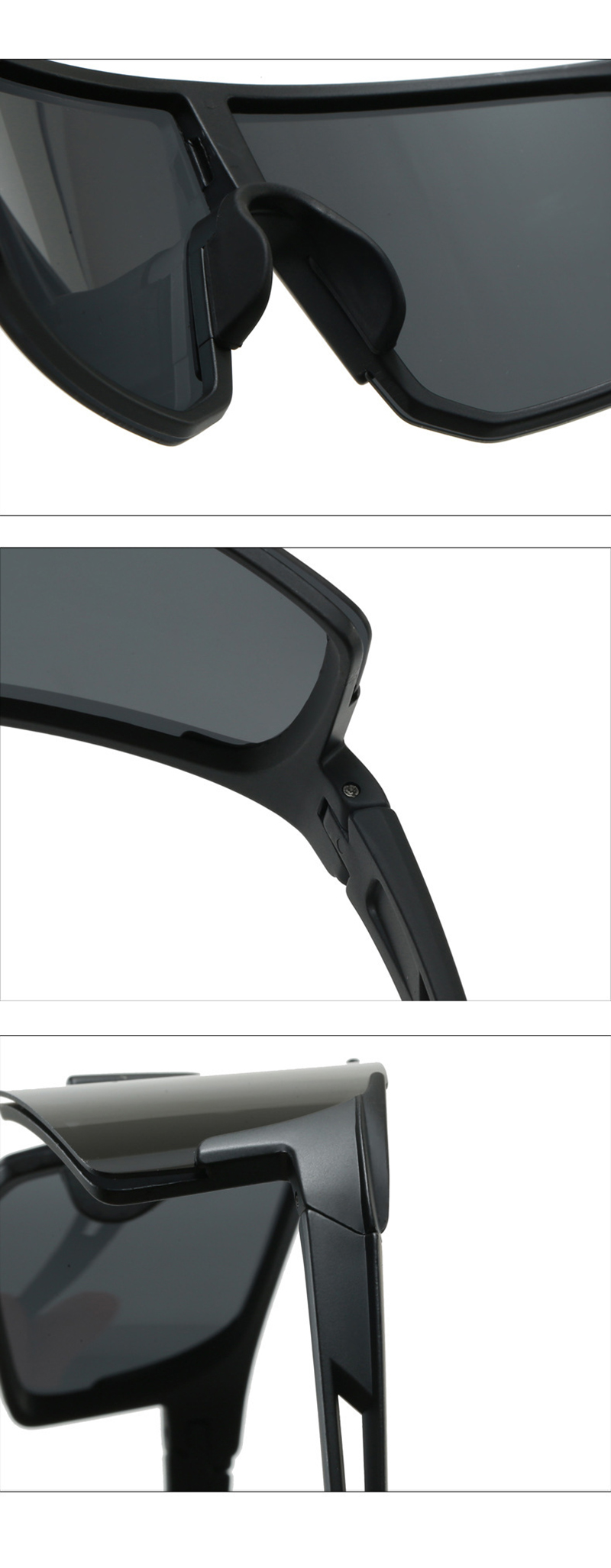
The base lens provides the optical clarity[^1] and impact resistance[^4], but the coatings provide the day-to-day usability and durability. These micro-thin layers are applied in our factory and make a huge difference in the customer's experience. The most important is a hard, anti-scratch coating[^9]. Polycarbonate is a soft material, so this coating is necessary to protect it from minor drops and cleaning wipe abrasions. Another popular choice is a hydrophobic/oleophobic coating[^11]. This makes the lens surface super slick, causing water to bead up and roll off and making it easy to wipe away oily fingerprints or sweat. For cyclists, this means a clearer view in rain or during a hard effort. We also offer multi-layer mirror coatings[^12] for style and extra glare reduction, as well as anti-fog coatings[^13] for humid conditions. Offering these options allows our clients like Victoria to create different product tiers for their brands.
Conclusion
In conclusion, assessing cycling sunglasses goes beyond looks. Focusing on optics, safety, fit, and durability ensures you source a product that delivers real value and builds strong brand loyalty.
[^1]: Explore how optical clarity enhances safety and performance, ensuring cyclists have a clear view of the road and obstacles.
[^2]: Discover the role of advanced lens technology in adapting to different environments, providing consistent vision.
[^3]: Explore the importance of certified impact resistance in safeguarding cyclists' eyes from potential hazards.
[^4]: Understand the importance of impact resistance in protecting cyclists' eyes from high-velocity impacts and ensuring safety.
[^5]: Find out how ergonomic fit ensures stability and comfort, preventing distractions and enhancing the cycling experience.
[^6]: Discover how polarized lenses reduce glare from surfaces like wet roads, enhancing safety and comfort during rides.
[^7]: Learn how hydrophilic rubber increases grip when wet, preventing sunglasses from slipping during intense activities.
[^8]: Explore the advantages of TR90 frames, including their lightweight, flexible, and durable properties for a comfortable fit.
[^9]: Discover how anti-scratch coatings protect lenses from abrasions, extending the lifespan of cycling sunglasses.
[^10]: Understand how visual clarity reduces eye fatigue and improves reaction times, enhancing safety and performance.
[^11]: Find out how these coatings keep lenses clear from water and fingerprints, enhancing durability and visual clarity.
[^12]: Explore how mirror coatings add style and reduce glare, offering additional protection and aesthetic appeal.
[^13]: Learn how anti-fog coatings prevent lens fogging in humid conditions, ensuring clear vision during rides.
Share:


Post time: Mar-13-2026