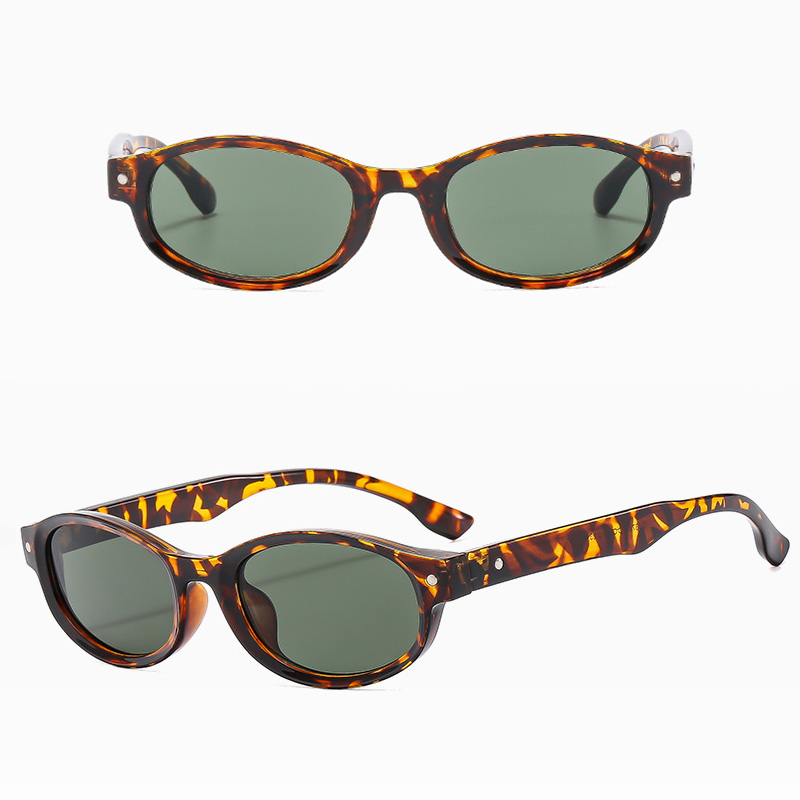
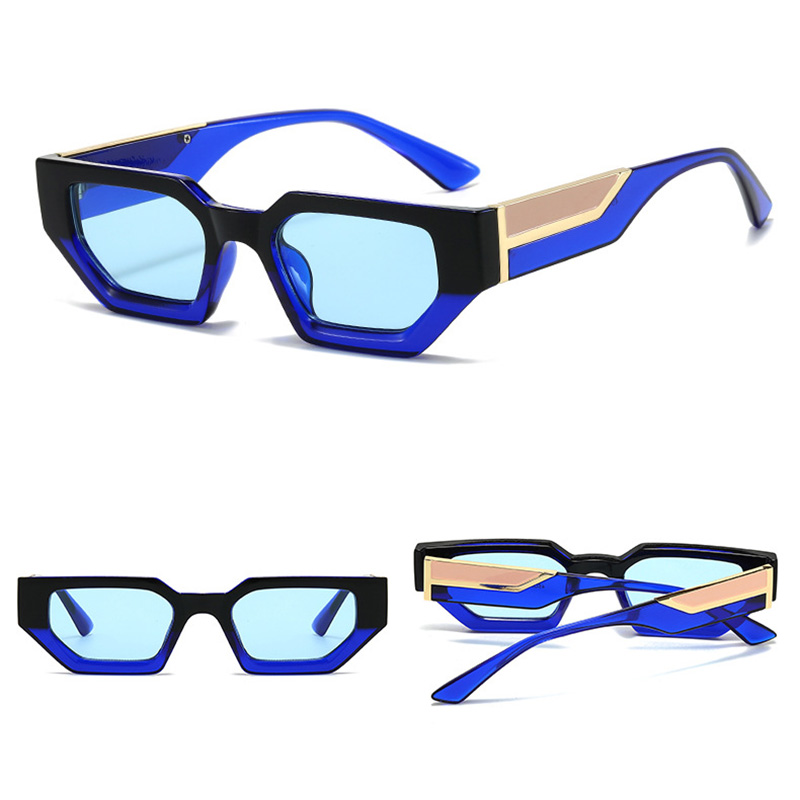
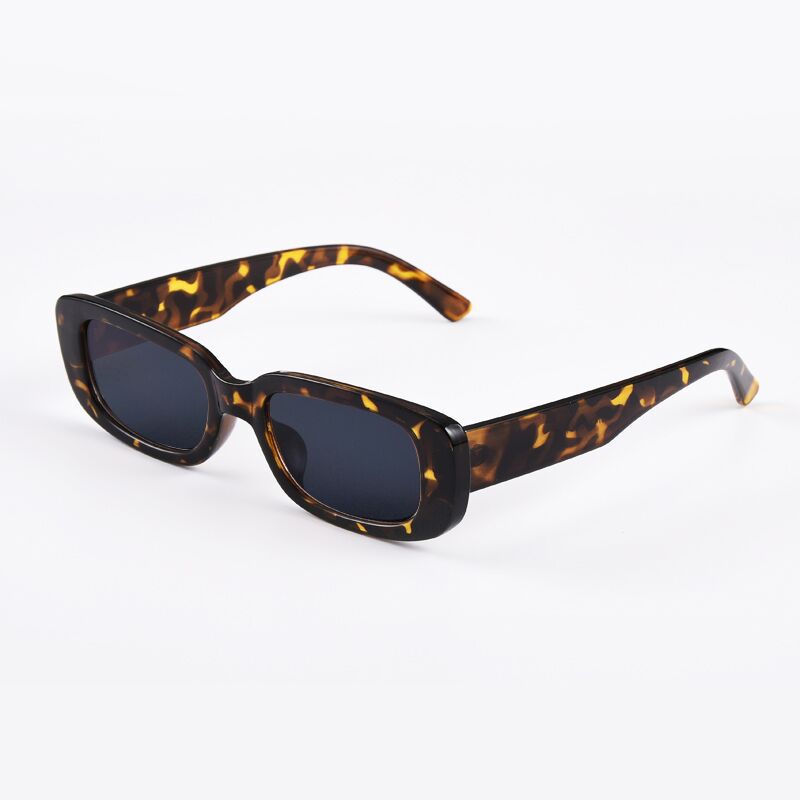
Stuck choosing between brown and black sunglasses? It’s a classic debate. The wrong choice can ruin your vibe. I'll help you pick the perfect shade with confidence.
Brown lenses boost contrast[^1] and are great for driving or cloudy days. Black lenses reduce the most glare and keep colors true, ideal for bright, sunny conditions. The best choice depends on your primary use and personal style.
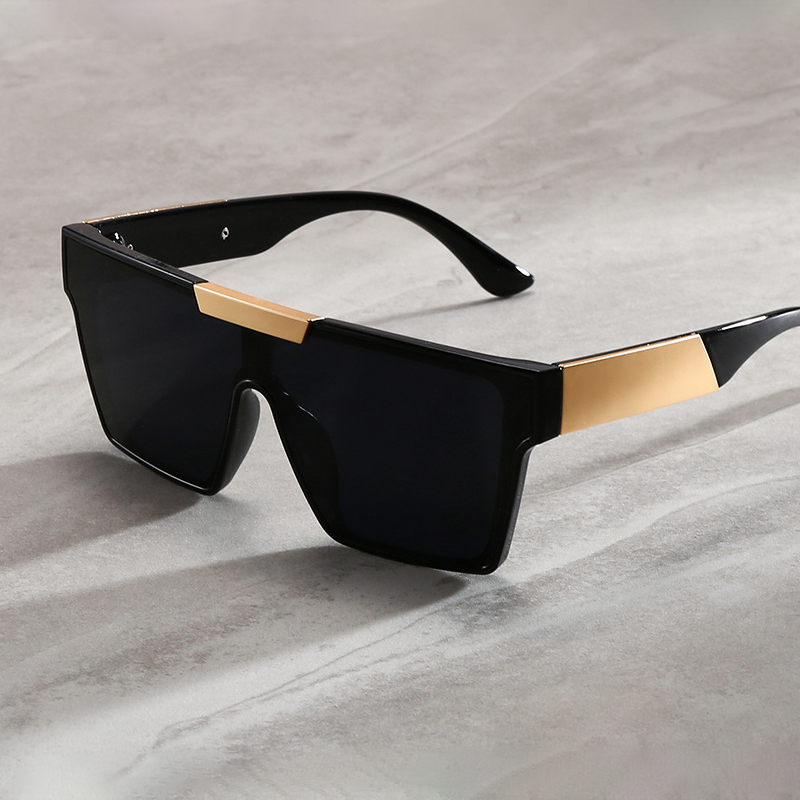
Honestly, my first thought is always, "Just wear what makes you happy!" I have pairs in both colors and I just grab whichever feels right that day, or matches my clothes better. But, if you want to get a little more technical and make a really smart choice for your next big wholesale order or personal pair, there's more to it than just mood. Let's dive into the details. The performance of the lens is a great place to start.
Decoding Lens Performance: When to Choose Contrast Over Pure Light Reduction?
Do you think all dark lenses just make things darker? That common assumption can lead to poor visibility in certain situations. Let's look at how color actually affects what you see.
Choose brown or amber lenses when you need to see details and depth, like when driving or on a trail, as they enhance contrast[^2]. Choose black or gray lenses when your main goal is to reduce intense brightness[^3] without changing colors.
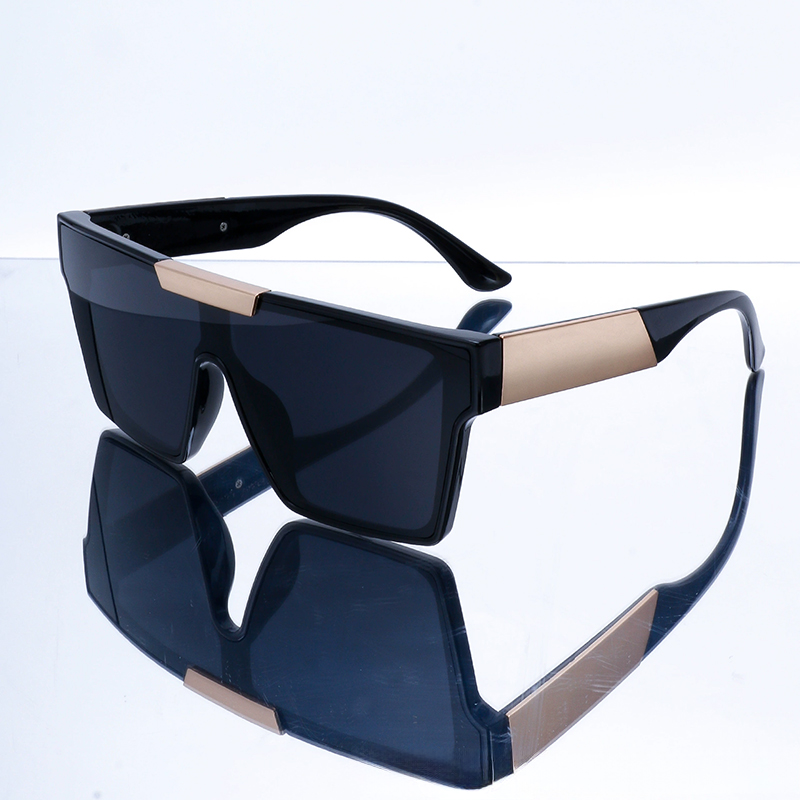
When we talk about performance, we're really talking about how the lens color filters light before it hits your eye. It's not just about making things darker. I always keep a pair of brown-lensed sunglasses in my car for driving. It really makes the road lines and signs pop, especially when it's overcast.
The Power of Brown Lenses
Brown and amber lenses are fantastic because they filter out more blue light[^4]. This has a great effect: it increases the contrast between colors and sharpens your perception of depth. This is why they are a favorite for drivers, golfers, and anyone who needs to see details clearly. The world looks a bit warmer and brighter.
The Neutrality of Black/Gray Lenses
Black or gray lenses are the purists. Their main job is to cut down the overall amount of light reaching your eyes. They provide the truest color perception[^5], meaning that a red stop sign still looks red, not reddish-brown. This makes them ideal for extremely bright days at the beach or general-purpose use where you just want less sun in your eyes without altering your view of the world.
| Feature | Brown/Amber Lenses | Black/Gray Lenses |
|---|---|---|
| Main Benefit | Enhances Contrast & Depth | Reduces Brightness |
| Color Perception | Warms up colors | True, neutral colors |
| Best For | Driving, Fishing, Cloudy Days | Bright Sun, General Use |
| Vibe | Warm, vintage | Cool, classic |
The Color of Your Complexion: Matching Lens Hues to Your Skin’s Undertones?
Ever tried on sunglasses that just looked... wrong? It might not be the frame, but the color clashing with your skin. Let's look at a pro style secret.
For warm undertones[^6] (yellow, golden), brown and tortoise shell lenses and frames are very flattering. For cool undertones[^7] (pink, red), black or gray lenses and frames often look best. Neutral undertones can usually wear either.
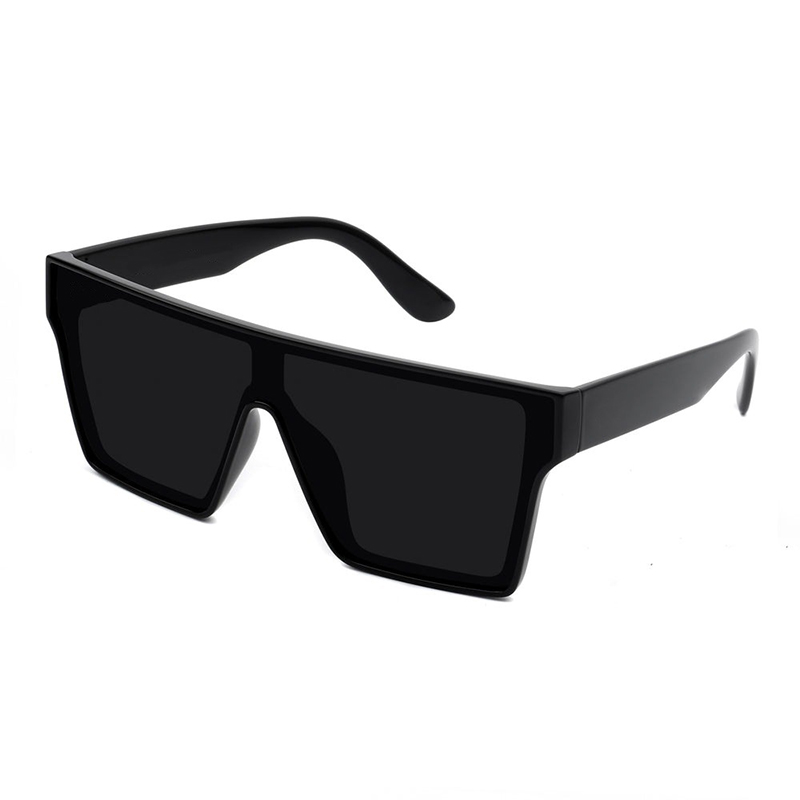
Honestly, this is one of those 'rules' I tell people not to worry about too much. If you have cool undertones[^7] but you love a brown lens for driving, go for it! Style rules are meant to be guides, not chains. However, if you are a brand owner looking for a starting point, or you are truly stuck on what to choose, this can be a very helpful tip.
How to Find Your Undertone
It's pretty simple. Look at the veins on the inside of your wrist in natural light.
- Warm Undertone: Your veins appear more greenish. Gold jewelry usually looks best on you.
- Cool Undertone: Your veins appear more blueish or purple. Silver jewelry is likely your go-to.
- Neutral Undertone: You can't really tell, or you see a mix of both. You can probably wear both gold and silver.
Best Hues for Your Tone
Once you know your undertone, you can pick colors that harmonize with it. For our wholesale clients, we often suggest stocking a mix that caters to both. Warm-toned customers will naturally gravitate towards our brown, tortoise, gold, and other earth-toned frames. Cool-toned individuals often look fantastic in black, silver, gray, and blue frames. Black lenses are a perfect fit here, while brown lenses complement the warm palette beautifully.
Fashion Forward or Timeless Classic? Navigating Current Trends and Wardrobe Versatility?
Want a pair of sunglasses that look good with everything? Buying a trendy pair that only matches one outfit is a waste of money. Let's balance timeless style with versatility.
Black sunglasses are the ultimate timeless classic[^8], like a little black dress; they go with almost any outfit. Brown and tortoise shell offer a softer, vintage vibe[^9] that is also versatile.
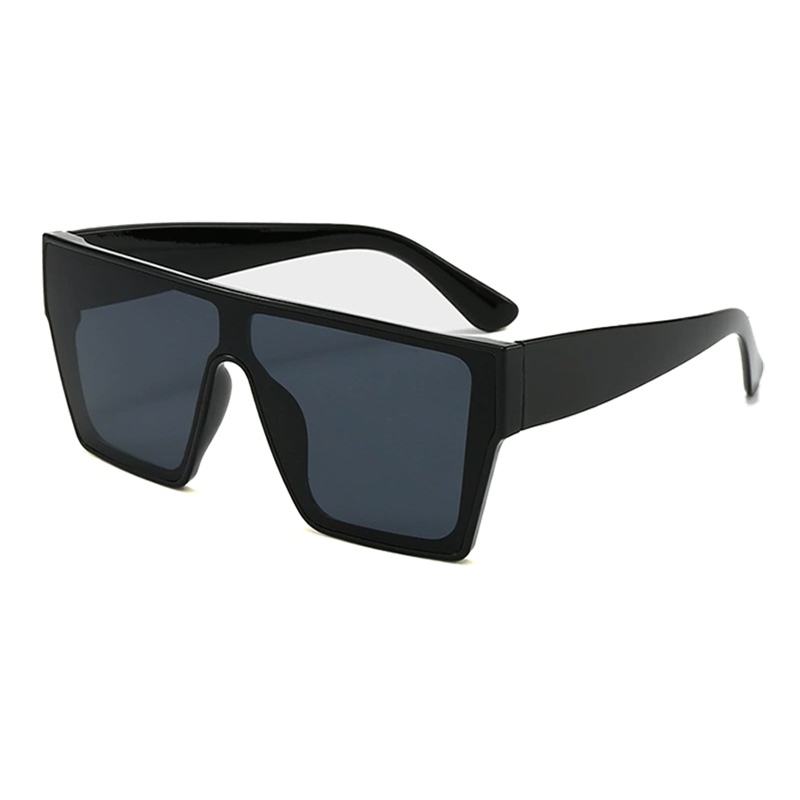
When I talk to new brand owners, my advice is simple. If you can only stock one style to start, make it black. If you can stock two, get a black one and a brown one. This covers all your bases.
The Case for Classic Black
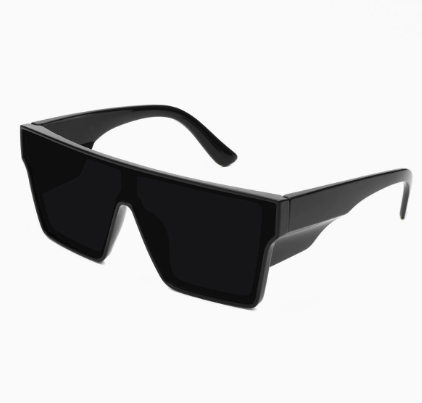
There is nothing more versatile than a pair of black sunglasses. They can look formal, casual, edgy, or sophisticated. They go with a business suit, a leather jacket, or a swimsuit. For B2B buyers, black is the safest and highest-volume bet. It's the color that never goes out of style and appeals to the widest possible audience. It has a certain power and anonymity that people love.
The Charm of Earthy Brown
Brown and tortoise shell sunglasses have a different kind of magic. They feel a bit softer, more approachable, and often more unique. They are fantastic with denim, linen, and any earth-toned outfits. They can give off a relaxed, bohemian vibe or a very sophisticated, vintage-inspired look. While black is a statement of power, brown is often a statement of personal style and warmth. For fashion brands, brown options are essential for creating a well-rounded collection. They show you have an eye for more than just the basics.
Matching Your Lifestyle: From the Driver’s Seat to the Beach?
Do you use the same sunglasses for every single activity? Your beach sunglasses might not actually be the best choice for your daily commute, and vice-versa. Let's match your lens.
For driving and sports where contrast is key (golf, hiking), brown lenses are superior. For extremely bright beach days or general use where you want maximum glare reduction[^10], black lenses are ideal.
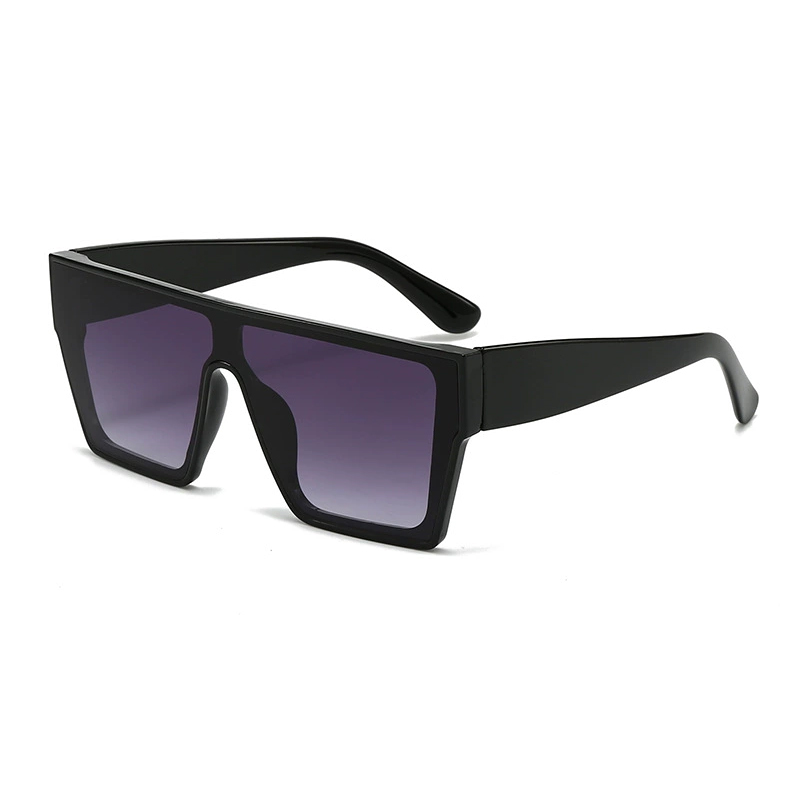
This is where the choice of brown or black stops being about fashion and starts being about function and safety. Using the right lens for the job can genuinely improve your experience and performance. When we develop custom eyewear for sports brands, for example, we spend a lot of time discussing lens color based on the specific sport. A cyclist has different needs than a fisherman.
Here’s a quick breakdown to help you or your customers choose:
| Activity | Recommended Lens | Why? |
|---|---|---|
| Driving | Brown/Amber | Increases contrast to see road signs and hazards more clearly, especially in variable light. |
| Beach/Boating | Black/Gray | Reduces the most intense, direct sunlight and glare from water without distorting colors. |
| Fishing | Brown/Amber | Cuts through surface glare and helps you see fish and structure beneath the water. |
| Hiking/Trail Running | Brown/Amber | Enhances depth perception to better see roots, rocks, and changes in terrain. |
| Everyday Urban Use | Either | This is purely personal preference. Both work great for walking around the city. |
| Skiing/Snowboarding | Brown/Amber | Boosts contrast against the white snow[^11], helping you see bumps and icy patches. |
Beyond the Color: Key Factors Like UV Protection and Frame Fit?
Focusing only on color is a big mistake many people make. The coolest-looking sunglasses are useless if they don't protect your eyes or don't fit your face properly.
Regardless of color, ensure your sunglasses offer 100% UV400 protection[^12] to block harmful rays. The frame should also fit comfortably without slipping. Protection and fit are more important than color.
As a manufacturer, this is the part I am most serious about. Style is fun, but protection is the entire point of sunglasses. A dark piece of plastic without proper UV filtering can actually be more dangerous than no sunglasses at all, because it causes your pupil to open and let in even more damaging radiation.
The #1 Priority: UV Protection
This is completely non-negotiable. Look for a label that says "100% UV Protection" or "UV400". This means the lenses block all UVA and UVB rays up to 400 nanometers. Every single pair of sunglasses we produce at DL Glasses, from fashion to sport, meets this standard. The darkness of the lens has nothing to do with its UV protection; it's a clear chemical coating that does the work.
The Importance of a Good Fit
A good fit is about both comfort and protection. The frames shouldn't pinch your temples or slide down your nose. They should be lightweight enough to wear all day. A good fit also means good coverage, preventing sunlight from leaking in from the top or sides. This is why we offer frames in various materials like flexible TR90, classic acetate, and lightweight metal, to provide options for every face shape and need.
Conclusion
So, brown enhances contrast and black reduces glare. But the best pair is the one you feel great wearing. Don't overthink it, and just enjoy the sun safely!
---

[^1]: Explore how brown lenses enhance contrast, making them ideal for driving and cloudy days, and why they might be the perfect choice for you.
[^2]: Discover the science behind how brown lenses enhance contrast, improving visibility in various conditions.
[^3]: Understand how black lenses help in reducing intense brightness, making them suitable for extremely sunny environments.
[^4]: Find out how brown lenses filter blue light, enhancing color contrast and depth perception.
[^5]: Explore how black lenses provide the truest color perception, maintaining natural colors in bright sunlight.
[^6]: Learn how warm undertones influence your choice of sunglasses, particularly in selecting lens and frame colors.
[^7]: Discover how cool undertones can guide your selection of sunglasses, especially in choosing lens and frame colors.
[^8]: Find out why black sunglasses are a timeless classic, offering unmatched versatility and style.
[^9]: Explore how brown sunglasses provide a vintage vibe, adding a unique touch to your style.
[^10]: Learn about the effectiveness of black lenses in providing maximum glare reduction, ideal for bright conditions.
[^11]: Learn how brown lenses enhance contrast against snow, improving visibility for winter sports.
[^12]: Understand the importance of UV400 protection in sunglasses, ensuring your eyes are shielded from harmful rays.Share:


Post time: Mar-25-2026