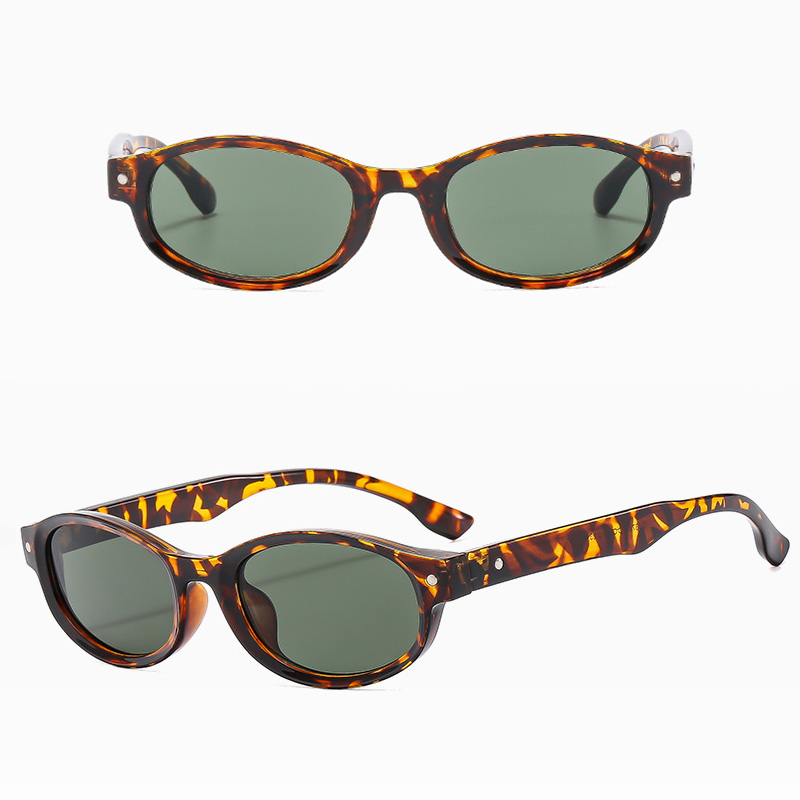
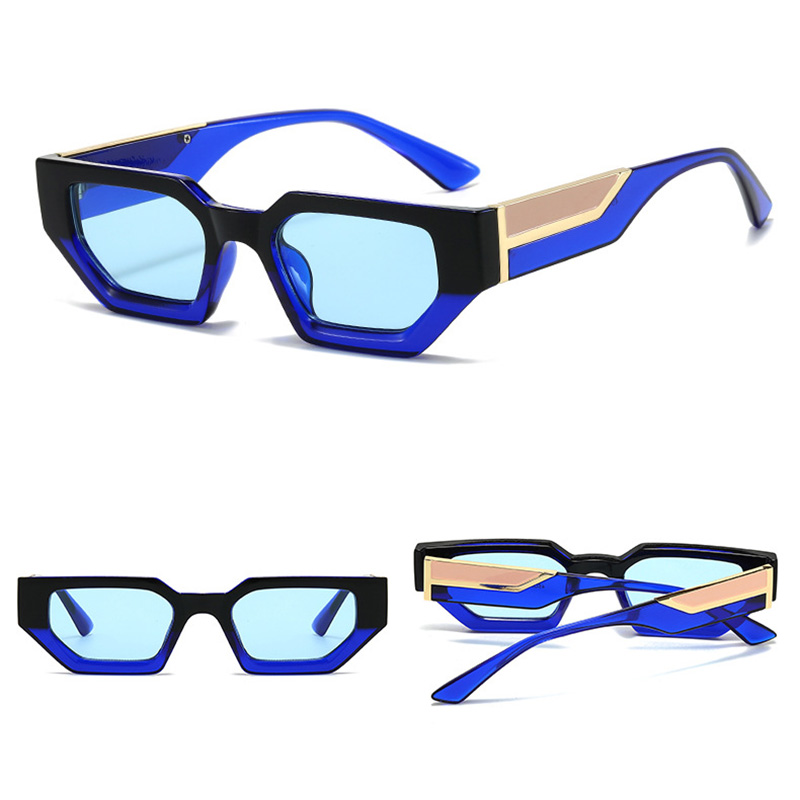
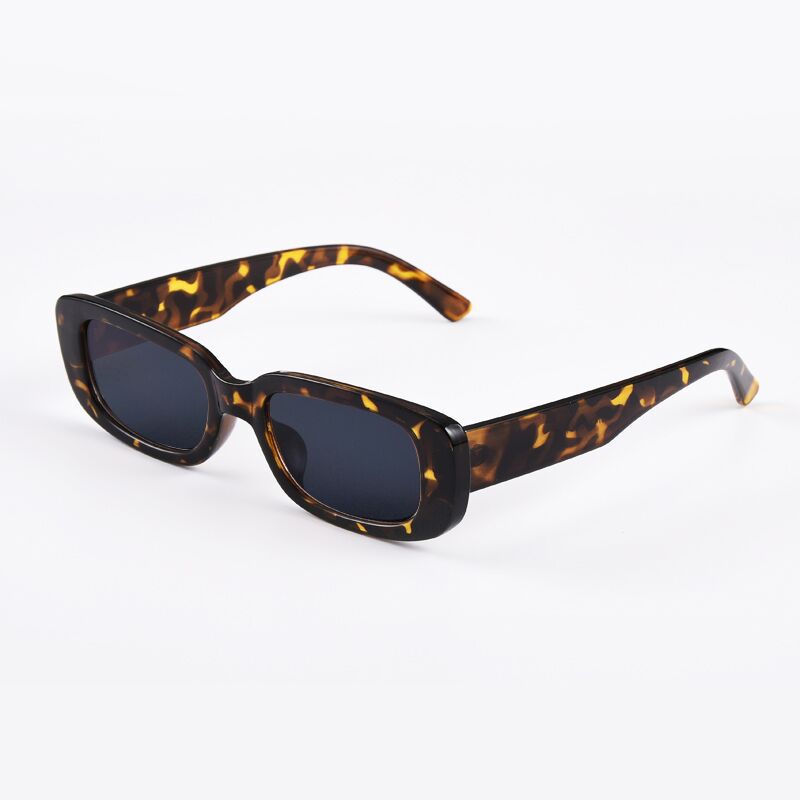
Selecting the right glasses is more than just style; it's about function, comfort, and compatibility with prescription lenses. Understanding the intricacies of frame types, lens compatibility, and other factors can help you make an informed decision.
Types of Frames
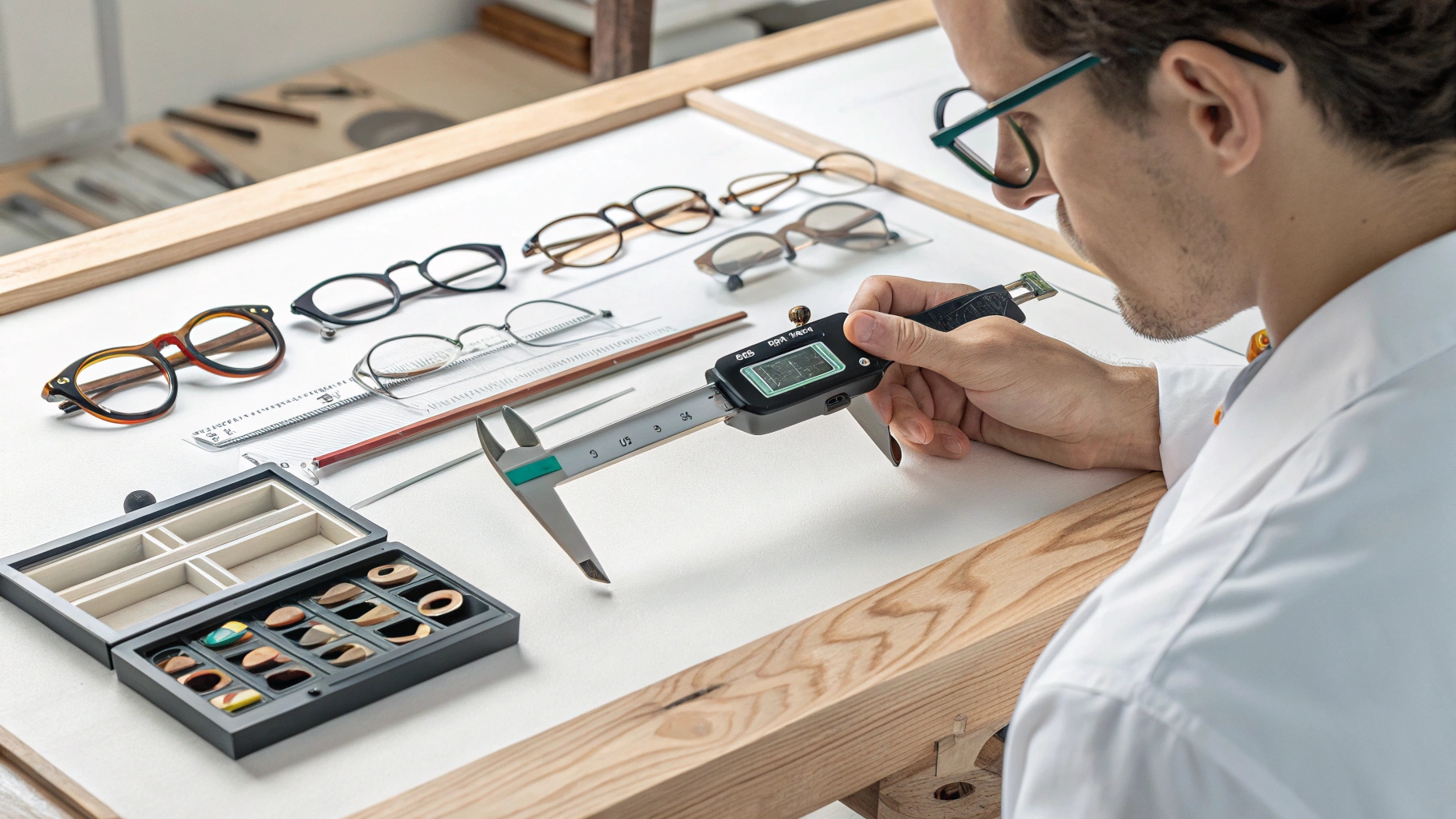
Choosing the right frame type is essential for fitting prescription lenses.
Metal Frames
- Stainless Steel: Known for durability and resistance to corrosion.
- Titanium: Lightweight and hypoallergenic, making it a popular choice.
- Aluminum: Stylish and lightweight but may lack the durability of titanium.
Plastic Frames
- Acetate: Offers rich colors and comfort with a sturdy feel.
- TR-90: Highly flexible and resistant to stress.
- Nylon: Flexible and durable, often used in sports eyewear.
Rimless Frames
- Drill-Mount Style: Lenses are directly drilled, offering a minimalistic look.
- Compression-Mount Style: Lenses are secured by compression, no drilling required.
Half-Rim Frames
- Wire-Type: Offers a classic look with a metal frame line.
- Integrated Nylon Wire: Combines metal and nylon for a unique design.
Specialty Frames
- Sports Frames: Designed for durability and safety in athletic environments.
- Fashion Frames with Decorative Elements: Often bulkier with decorative touches.
- 3D Printed Frames: Customizable and innovative.
Lens Compatibility

Ensuring lenses fit your chosen frames is crucial.
Lens Material
- Glass Lenses: Offer great optics but are heavier and can break.
- Plastic Lenses: Lightweight, durable, and versatile.
- Polycarbonate Lenses: Known for impact resistance and used in safety eyewear.
- High-Index Lenses: Ideal for high prescriptions needing a thinner lens design.
Frame Size
- Lens Diameter: Make sure it fits the prescription lens size requirements.
- Bridge Width: Impacts comfort and fit across the nose.
- Temple Length: Affects how securely glasses stay in place.
Frame Integrity and Durability
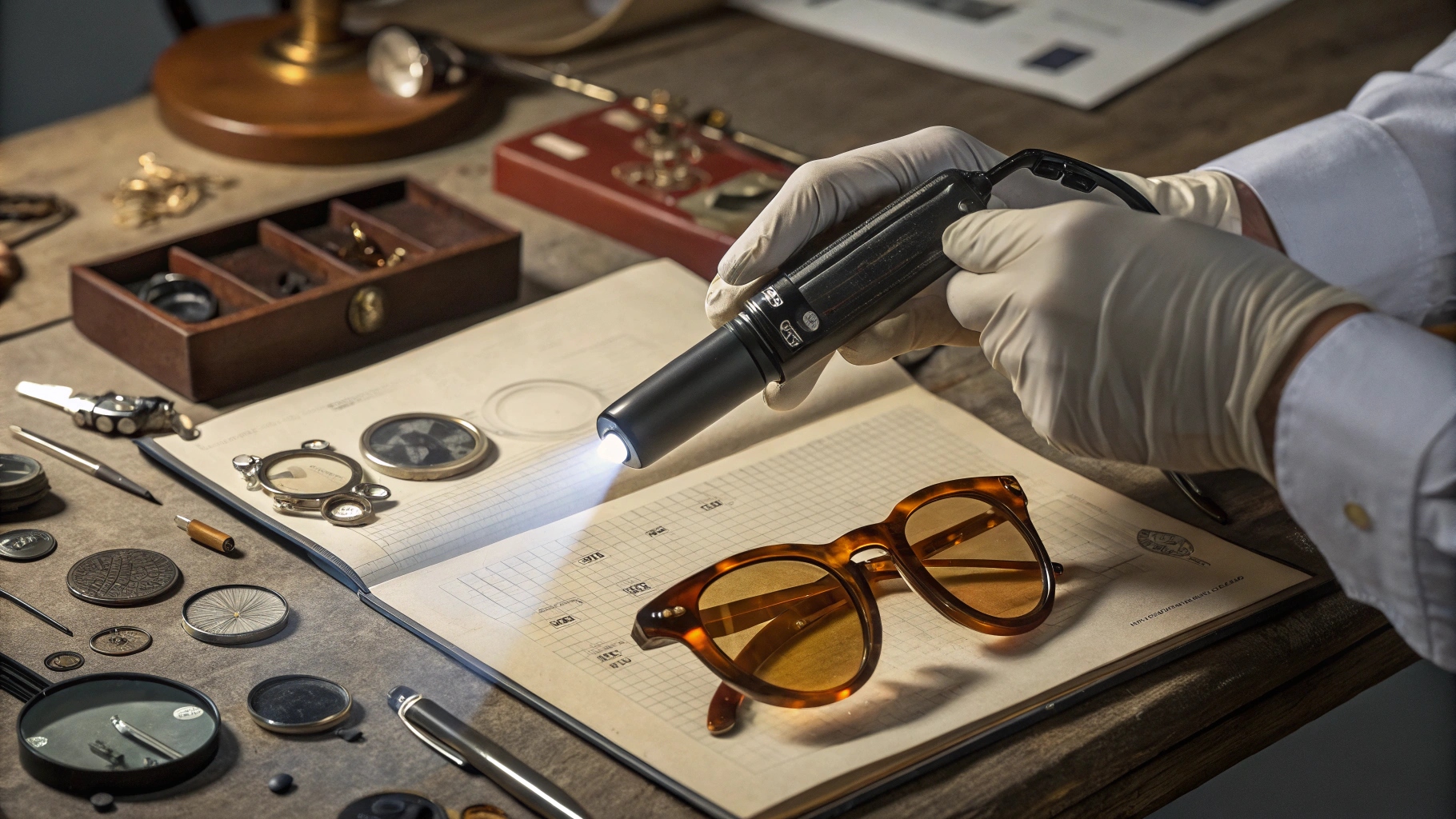
The lifespan of your glasses depends on material and usage.
Sturdiness
- Frames should securely hold lenses, preventing movement or falling out.
Flexibility
- Resistance to stress and breakage is crucial for long-lasting glasses.
Wear and Tear Resistance
- Consider daily use and environmental factors like UV exposure and sweat.
Optical Considerations

Optical quality is essential for seeing clearly.
Prescription Strength
- Single Vision: Ideal for nearsightedness or farsightedness.
- Bifocals: Suitable for near and far vision needs.
- Progressive Lenses: Offer a seamless transition between different vision corrections.
Lens Thickness
- High prescriptions can result in thicker lenses; frame choice can mitigate this.
Lens Shape
- Choose between round or rectangular shapes, and consider custom shapes for unique needs.
Aesthetic and Lifestyle Factors

Style should match your personal and professional life.
Style Preferences
- Balance contemporary designs with classic looks to suit different occasions.
Comfort and Fit
- The right nose pads and balance affect comfort and weight distribution.
Use Case Scenarios
- Consider glasses for daily wear, sports, or specific activities like office use.
Professional Advice

Experts can guide your choice.
Optometrist Recommendations
- Focus on eye health and how it relates to frame and lens choices.
Optician Expertise
- Ensures proper fitting of frames and lenses tailored to your prescription.
Cost Implications
Budget plays a role in your selection.
Frame Cost
- Evaluate budget frames versus luxury options and their associated value.
Lens Installation Cost
- Determine costs based on prescription complexity and insurance coverage.
Insurance and Warranty
- Investigate coverage options to maximize savings and ensure protection.
Popular Misconceptions
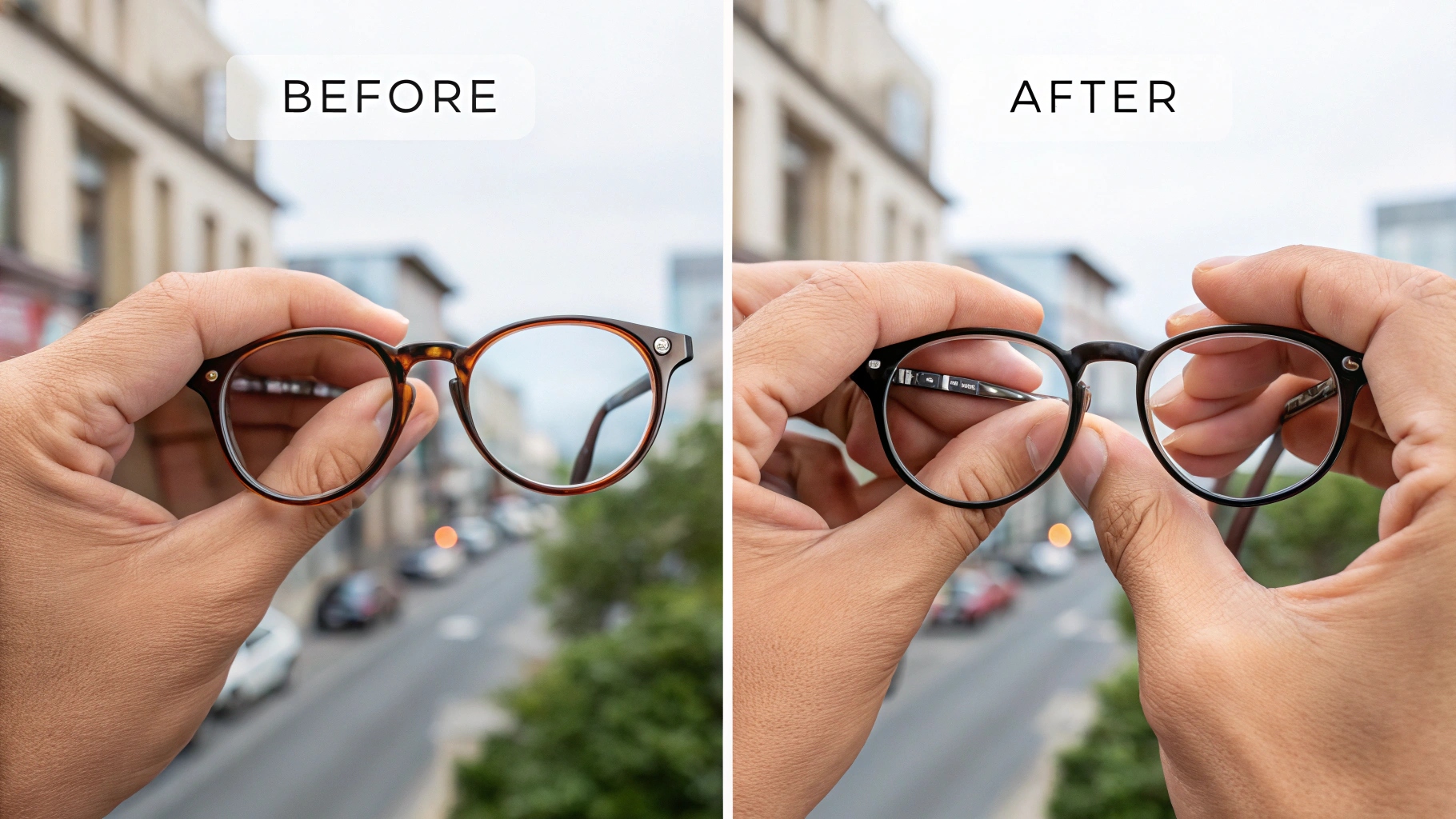
Understanding common misconceptions can lead to better choices.
Interchangeability of Frames
- Not all frames fit every lens size or style; assumptions can be misleading.
Brand vs. Generic Frames
- Quality often transcends brand names; focus on material and fit.
Conclusion
After exploring frame options, lens compatibility, and optical considerations, it's clear that not all frames suit every prescription lens. With the right balance of personal style, professional advice, and financial considerations, you can select frames that not only look good but also serve your vision needs effectively.
Share:


Post time: Jun-03-2025