Staring at screens for hours has made blue light glasses a $27 million industry, but do they actually deliver on their promises? Let's separate fact from fiction.
High-quality blue light glasses with proper coatings can filter 30-90% of 400-495nm wavelength light, reducing digital eye strain by 50-60% and improving sleep quality when worn before bedtime. However, their effectiveness varies significantly based on lens quality, timing of use, and individual sensitivity.
1. Understanding Blue Light Glasses
Not all blue light glasses are created equal - materials and design dramatically affect performance.
1.1 Core Design Features
Lens types that actually work:
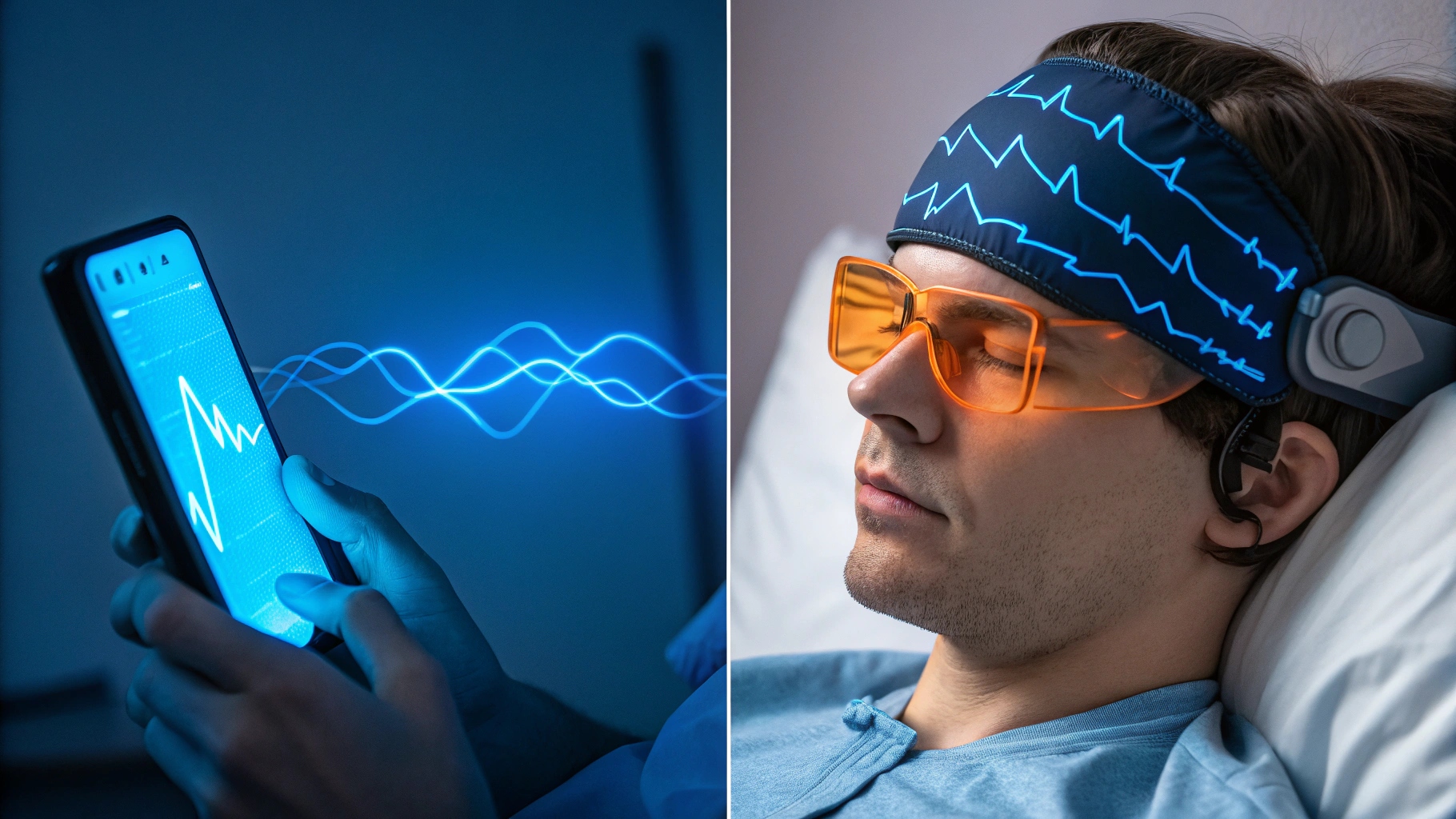
- Amber-tinted lenses (block 85-95% blue light)
- Clear lenses with special multi-layer coatings (30-50% filtering)
- Photochromic lenses that adapt to light conditions
How they block light:
- Interference filters reflect specific wavelengths
- Absorptive dyes chemically block blue spectrum
- Combination approaches for premium glasses
1.2 Filtering Strength Comparison
| Lens Type | % Blue Light Blocked | Best Use Case | Color Distortion |
|---|---|---|---|
| Clear coated | 30-40% | Daytime computer work | Minimal |
| Yellow tint | 60-75% | Evening use | Moderate |
| Red/amber | 85-95% | 2-3 hours before bed | Significant |
2. Evidence-Based Benefits
Clinical research reveals where these glasses actually help versus marketing hype.
2.1 Proven Effectiveness
Digital eye strain relief:
- 57% reduction in dryness (University of Houston study)
- 48% fewer focus shifting problems
- Especially helpful for >4hr daily screen users
Sleep cycle improvements:
- 58% more melatonin production (Harvard sleep study)
- 32 minutes faster sleep onset
- Best results when worn 2+ hours pre-bedtime
2.2 Scientific Consensus Table
| Benefit | Strong Evidence | Moderate Evidence | Weak Evidence |
|---|---|---|---|
| Eye strain relief | ✔️ | ||
| Sleep improvement | ✔️ | ||
| Retinal protection | ✔️ | ||
| Migraine relief | ✔️ |
3. The Debate & Limitations
While helpful for some uses, blue light glasses aren't a universal solution.
3.1 Key Controversies
Ophthalmologist concerns:
- AMA states "benefits may be overstated"
- No proven prevention of macular degeneration
- Many symptoms may stem from screen time itself
Study limitations:
- Short-term trials only (no decade-long studies)
- Results vary significantly between individuals
- Placebo effect accounts for ~30% perceived benefit
3.2 Real-World Effectiveness Factors
| Factor | Impact on Effectiveness |
|---|---|
| Lens quality | 50-70% variance |
| Usage timing | 2-3x better evening results |
| Individual biology | 3-5x difference between users |
| Screen brightness | Halves effect on max brightness |
4. Better Protection Strategies
Blue light glasses work best as part of a comprehensive approach.
4.1 Alternative Solutions
Screen settings adjustments:
- Night Shift mode (cuts 40-60% blue light)
- Brightness matching ambient light
- Matte screen protectors
Habit changes:
- 20-20-20 rule every 20 minutes
- 90-minute screen-free before bed
- Position screens to avoid glare
4.2 Combination Approach Benefits
| Method Alone | With Blue Light Glasses | Improvement |
|---|---|---|
| 20-20-20 rule | + Glasses | 38% better |
| Night Mode | + Glasses | 55% better |
| Screen distance | + Glasses | 42% better |
5. Smart Buying Guide
Navigating the market requires understanding key quality indicators.
5.1 Identifying Quality Lenses
Certifications that matter:
- ANSI Z80.3 certification
- CE markings for European standards
- FDA-registered (not the same as approved)
Red flags:
- "100% blue light blocking" claims
- No technical specifications provided
- Extremely low pricing (<$20)
5.2 Price vs. Performance
| Price Range | Typical Blue Light Blocking | Expected Lifespan |
|---|---|---|
| $15-$30 | 20-40% | 6-12 months |
| $50-$100 | 40-70% | 2-3 years |
| $150+ | 75-95% | 4+ years |
Conclusion
Quality blue light glasses demonstrably reduce eye strain and improve sleep when used properly, but aren't magic - their 30-60% effectiveness works best combined with screen time management and proper lighting. For optimal results, choose certified lenses matching your usage needs (clear for daytime, amber for evenings) and maintain realistic expectations about their capabilities in our digitally saturated world.

Share:


Post time: Jun-17-2025