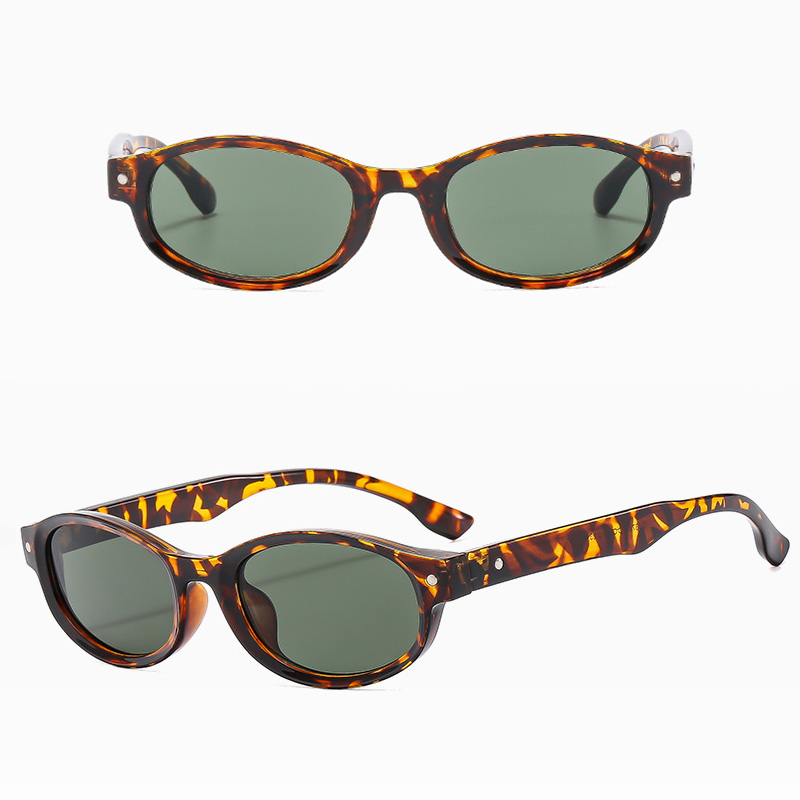
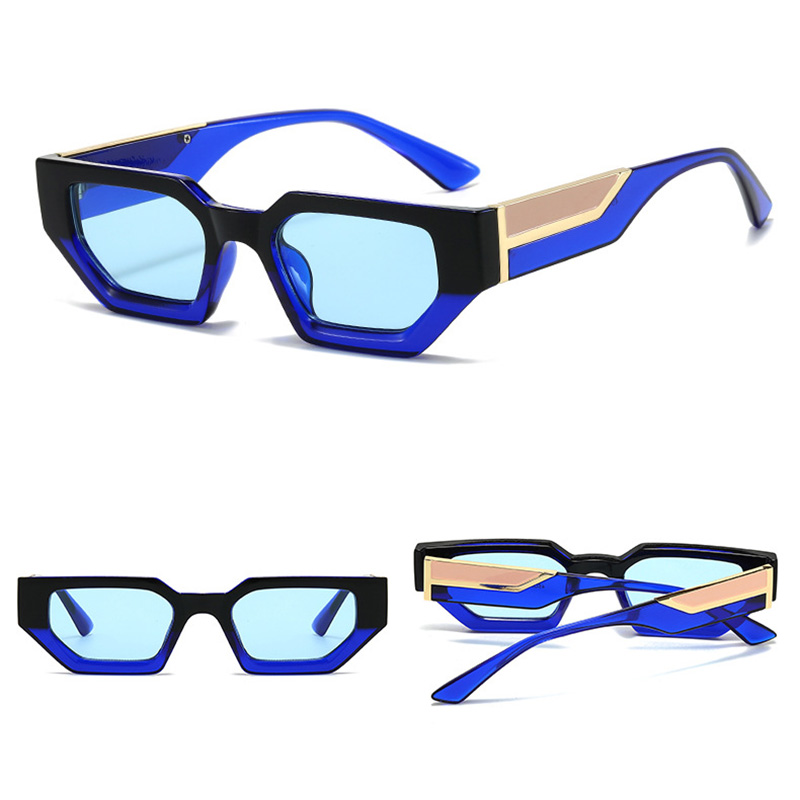
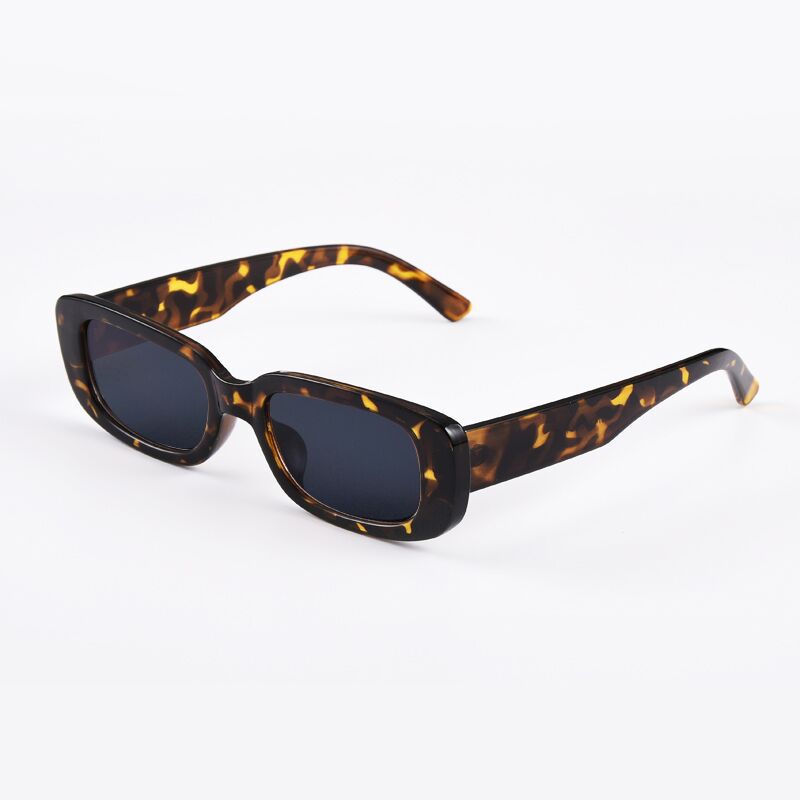
Choosing sunglasses that don't fit is frustrating. They slide down your nose or just look wrong. But understanding a few key sizing rules can change everything for you.
The secret to finding the perfect sunglasses is to match the frame to your face shape[^1]e](https://www.ray-ban.com/usa/c/face-shape-guide)[^2], understand the measurement numbers on the arm[^3], and prioritize comfort[^4]. This ensures the frames complement your features and feel great all day long.
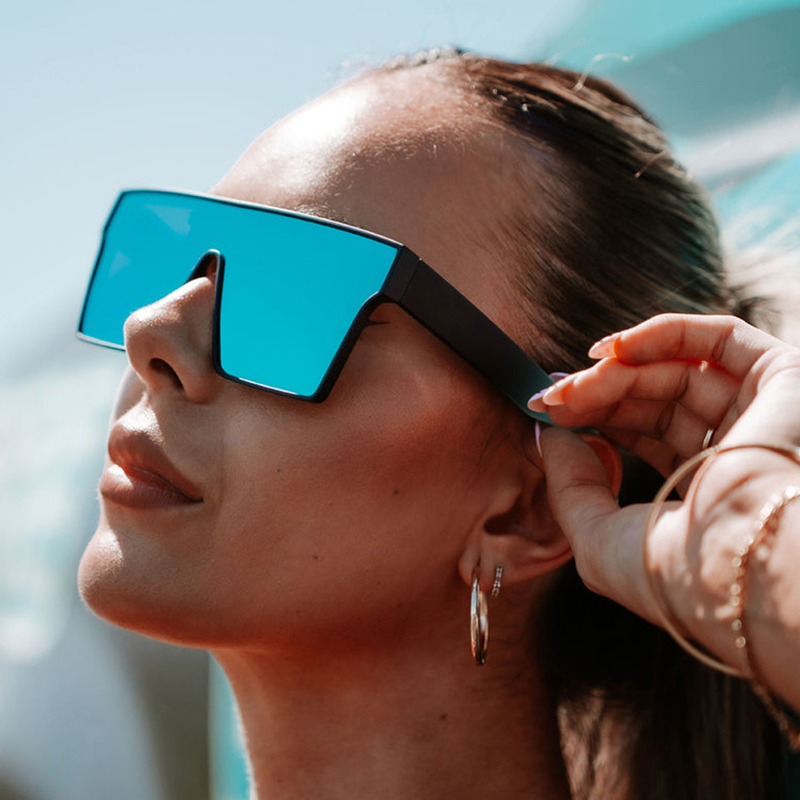
Finding the right pair of sunglasses can feel overwhelming with so many choices out there. But it doesn't have to be complicated. I've spent years helping people find frames, and I've learned that it all comes down to a few simple principles. Once you know what to look for, you can confidently pick a pair that not only looks great but also feels like it was made just for you. Let's break down how you can find your perfect fit.
How do you start with your face shape[^2] for the foundation of frame selection?
Have you ever bought frames that looked great online but felt wrong on your face? It's a common problem. The secret is that knowing your face shape is the first step.
To choose the right frame, identify your face shape[^2]—like round, square, or oval—and then pick a frame that creates contrast. For example, angular frames[^5] like rectangular or square styles add definition to a round face[^6], creating a balanced look.
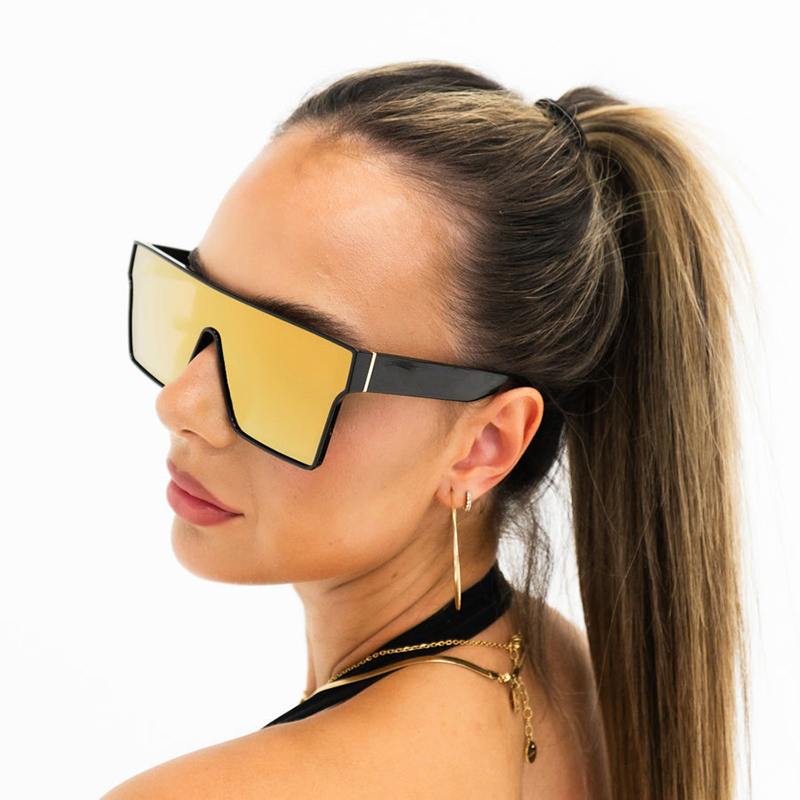
The basic rule is simple: you want your sunglasses to balance your facial features. The shape of your frame should be the opposite of your face shape[^2]. For example, if you have a square face with a strong jawline, round or oval frames will soften your features. If you have an oval face, you're in luck, because most frame shapes will work for you.
I personally have a round face[^6], and it has always been the hardest shape for me to shop for. I need glasses that add some structure and make my face look more defined. I learned early on to avoid round frames because they just made my face look fuller. Instead, I choose rectangular frames[^7]s](https://www.eyeconic.com/eyewear/eyeglasses/angular-glasses)[^5] most of the time. If I want a more fashionable look, I go for a cat-eye style. My husband also has a rounder face, and he sticks to rectangular or square frames. These angular shapes just create a more harmonious look for us.
| Face Shape | Best Frame Styles | Goal |
|---|---|---|
| Round | Square, Rectangular, Cat-Eye | Add definition and angles. |
| Square | Round, Oval, Aviator | Soften strong features. |
| Oval | Almost Any Style | Maintain natural balance. |
| Heart | Bottom-Heavy Frames, Aviator | Balance a wider forehead. |
How do you decode the numbers like lens width, bridge, and temple mean?
Those tiny numbers on the temple arm of a pair of sunglasses can seem confusing. Ignoring them often leads to a poor fit. But learning what they mean is the key.
Look for three numbers on the inside of the temple arm, like 52-18-140. These are the Lens Width[^8], Bridge Width[^9], and Temple Length[^10] in millimeters. The easiest way to find a good fit is to match these numbers to an old pair you love.

These three numbers are the technical blueprint for a perfect fit. They take the guesswork out of shopping, especially online. If you have a pair of glasses at home that fits you perfectly, you can use its measurements as your guide. This is the most reliable way to know if a new pair will fit you without even trying them on. Let's look at what each number means.
The first number is the lens width. This is the horizontal measurement of one lens at its widest point. The second number is the bridge width. This is the distance between the two lenses, and it determines how the sunglasses will sit on your nose. The third number is the temple length, which is the full length of the arm from the hinge to the tip.
| Measurement | What It Is | Why It's Important |
|---|---|---|
| Lens Width[^8] | The horizontal diameter of one lens. | Affects the total width of the frame and scale on your face. |
| Bridge Width[^9] | The distance between the lenses. | A proper fit prevents pinching or sliding down your nose. |
| Temple Length[^10] | The length of the arm. | Ensures the frame sits securely and comfortably over your ears. |
Why should you prioritize comfort[^4] and stability over trends?
Trendy sunglasses[^11] look amazing in photos. But if they constantly slip down your nose or give you a headache, you will never wear them. True style comes from a fit so comfortable you forget it's there.
A perfect fit means the sunglasses stay in place when you smile or turn your head. They should not pinch your nose, press on your temples, or rest on your cheeks. Comfort is key because it ensures you'll actually wear and enjoy them.
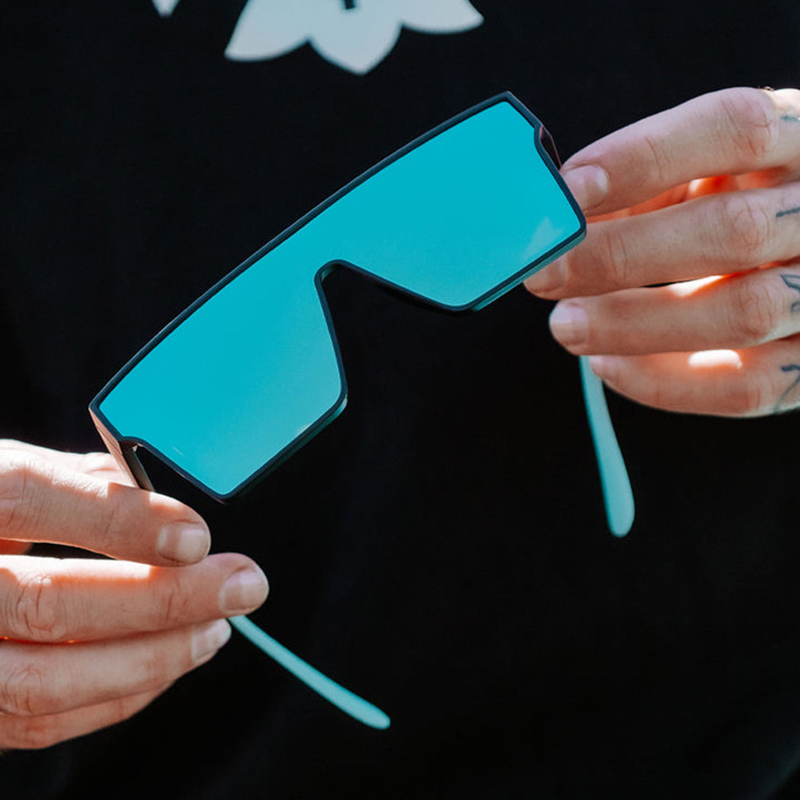
We've all been tempted by a super stylish pair of sunglasses, even if the fit wasn't quite right. But in the long run, comfort is what matters most. An uncomfortable pair of glasses will just end up sitting in a drawer. There are a few easy ways to check for a comfortable and stable fit. First, the weight should be distributed evenly between your ears and nose. The frames shouldn't feel heavy in one spot. Second, the temple arms should be long enough to rest comfortably over your ears without pressure.
Most importantly, do the "smile test[^12]." If the frames lift off your nose when you smile, it means they are resting on your cheeks. This is a sign of a poor fit. The sunglasses should also stay put if you shake your head from side to side. As a business owner, providing comfortable and stable frames is crucial. It leads to happier customers, better reviews, and fewer returns. It is a fundamental part of a quality product.
Why should you consider your unique facial structure, not just averages?
Standard sizing guides are a good starting point, but they don't work for everyone. You might have a low nose bridge or high cheekbones[^13] that these guides ignore. The real secret is to pay attention to your specific features.
Face shape guides are helpful, but your individual features like a low nose bridge or wide face matter just as much. Look for options like adjustable nose pads[^14] or frames with a "low bridge fit[^15]" for truly personalized comfort.
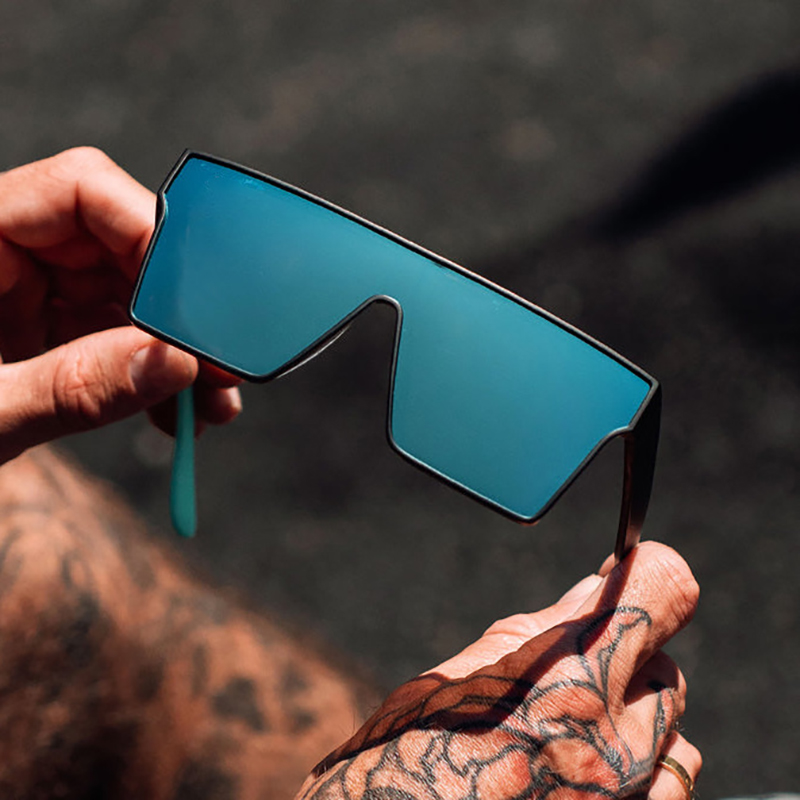
The idea of "one size fits all" is a complete myth in the world of eyewear. We all have unique facial features that affect how a frame fits. For example, many people have a low or wide nose bridge. For them, standard acetate frames often slide down. The solution is to look for metal frames with adjustable nose pads[^14], which you can position perfectly. Some brands also offer "low bridge fit[^15]" or "Asian fit" frames designed with a smaller bridge and a different tilt to prevent slipping.
High cheekbones are another feature to consider. If your sunglasses rest on your cheeks, they will constantly move when you talk or smile. To avoid this, look for frames with a more pronounced curve or a shorter lens height. Finally, think about your overall face width. The frames should be just slightly wider than your face, and the temple arms should go straight back without bowing out. Understanding these small details is what separates a decent fit from a perfect one.
How do you balance style choices with practical fit needs?
You found a style of sunglasses you absolutely love. But the fit isn't quite right. Do you have to give it up? Not always. You can often find your favorite style with small adjustments that make it fit perfectly.
You don't have to sacrifice style for a good fit. If you love a certain frame style, look for a version of it that matches your measurements. Many classic styles come in different sizes to suit different faces.
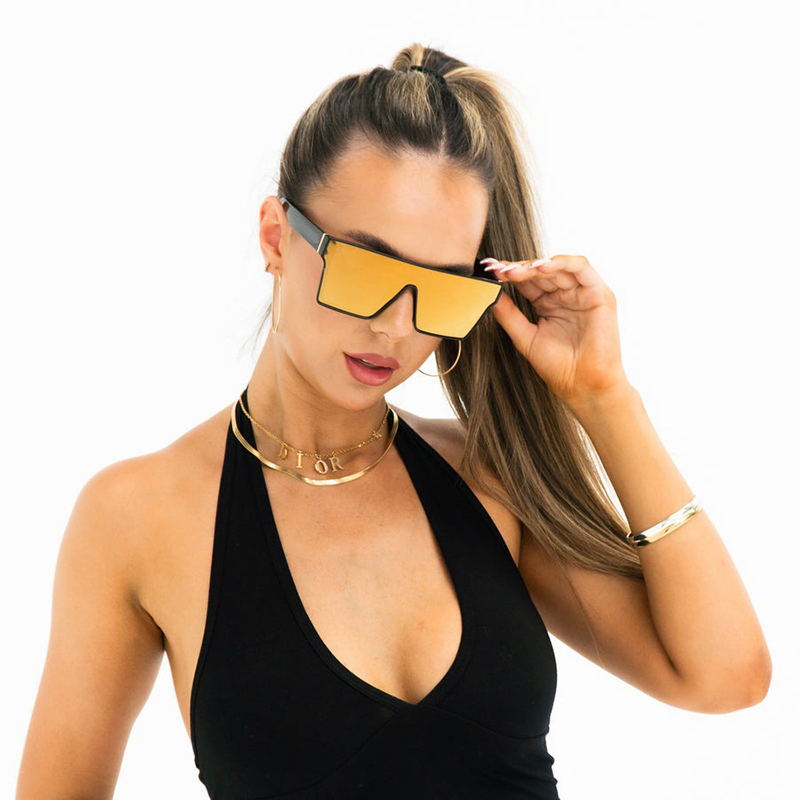
Finding the perfect pair is not about compromise; it is about finding the point where style and fit meet. You can have both. The key is to know what to look for within a style category. For example, let's say you love the oversized look[^16]. This trend can be tricky, but it's not impossible. Just make sure the bridge is narrow enough to sit properly on your nose so the large frames don't constantly slide down. The weight of the frame should also be manageable.
If you prefer a classic cat-eye, pay attention to the width. Some cat-eye frames[^17] are very wide and dramatic, while others are more subtle and compact. Choose the width that best matches the width of your face. For sporty wraparound styles[^18], the fit needs to be snug and secure without pinching your temples. The perfect pair is out there. You just need to identify the style elements you like and find a frame that combines those elements with the right measurements for your face.
Conclusion
Finding the right sunglasses is simple. Focus on your face shape[^2], understand the sizing numbers, and always prioritize a comfortable, stable fit. This ensures you look and feel great.
[^1]: Understanding how to match frames to your face shape ensures that your sunglasses complement your features, enhancing your overall look.
[^2]: Knowing your face shape is crucial for selecting frames that enhance your natural features.
[^3]: Decoding these numbers helps you find a pair that fits perfectly, avoiding discomfort and ensuring a secure fit.
[^4]: Comfort ensures that you'll wear your sunglasses regularly, making them a worthwhile investment.
[^5]: Angular frames can add definition to round faces, creating a balanced and stylish look.
[^6]: Choosing the right frames for a round face can add structure and definition, enhancing your appearance.
[^7]: Rectangular frames are versatile and can add a structured look to softer face shapes.
[^8]: Understanding lens width helps in selecting frames that fit well and look proportionate on your face.
[^9]: Bridge width affects how sunglasses sit on your nose, impacting comfort and stability.
[^10]: Proper temple length ensures that sunglasses sit securely and comfortably over your ears.
[^11]: Trendy sunglasses may look great, but comfort and fit are essential for regular wear.
[^12]: The smile test helps determine if sunglasses fit well without resting on your cheeks.
[^13]: Understanding how high cheekbones impact fit helps in choosing frames that stay in place.
[^14]: Adjustable nose pads allow for a customized fit, enhancing comfort and preventing slipping.
[^15]: Low bridge fit frames are designed for those with specific facial features, ensuring a better fit.
[^16]: Oversized sunglasses can be stylish, but ensuring a proper fit prevents them from sliding down.
[^17]: Cat-eye frames offer a fashionable look and can be tailored to fit different face shapes.
[^18]: Sporty wraparound styles provide a secure fit for active lifestyles, combining style with functionality.
Share:


Post time: Mar-24-2026