Do your glasses constantly slip down or dig into your nose? This daily annoyance can be frustrating. The secret to all-day comfort[^1] isn't the frame, it's the nose pads[^2].
The best nose pads[^2] for you depend on your face shape[^3], skin type, and daily activities. Soft silicone pads offer excellent grip and comfort[^1], while adjustable metal pad arms allow for a precise, customized fit. Matching the right material and shape to your needs is key.
I've worn glasses for years, and I know the feeling of a new pair that just doesn't sit right. It's often the nose pads[^2] causing the problem. They seem like such a small part, but they make a huge difference in how your glasses feel and function. Getting them right is essential for comfort[^1] and clear vision. Let's explore how you can find the perfect fit for your specific needs.
Understanding the Fit Challenge: Why Do Nose Pads Matter for Your Unique Profile?
Are your glasses always leaving red marks on your nose? This common problem highlights a poor fit. The right nose pads[^2] are the solution to distributing weight and preventing discomfort[^1].
Nose pads are critical because they are the main point of contact between your glasses and your face. They determine how the glasses sit, ensuring lenses are correctly positioned for your vision. They also prevent slipping and distribute the frame's weight evenly for maximum comfort[^1].
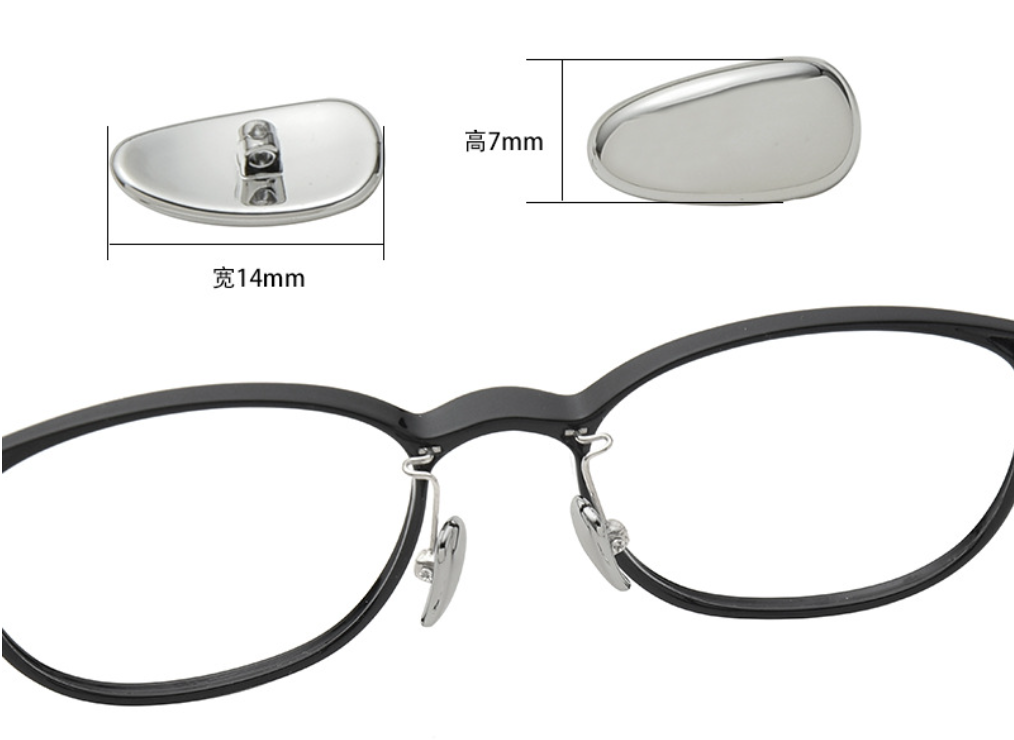
When we talk about fit, we're really talking about a few key jobs the nose pads[^2] have to do. I learned this firsthand when I got a pair of glasses with lenses that were a bit heavier than usual. The tiny, hard pads they came with just couldn't handle the weight, and they left deep, painful marks on my nose by the end of the day. It made me realize that nose pads[^2] aren't just for show; they are functional workhorses. They need to be perfectly positioned to make sure you're looking through the optical center of your lenses, especially with strong prescriptions. A good fit also means the glasses won't slide down your nose every time you look down. This is especially important for people with different nose bridge structures[^4].
The Role of Nose Pads in Overall Comfort
A well-fitted nose pad system does more than just hold up your glasses. It's about creating a balanced and stable experience. The pads act as the primary support, bearing the weight of the frames and lenses. If the pads are too small or hard, they create pressure points. If they are too slippery, the glasses will constantly need readjusting. The goal is to find a pad that spreads the weight over a wide enough area to feel almost weightless.
Matching Pads to Your Facial Anatomy
Everyone's face is different, and the nose bridge is one of the most variable features. This is why a one-size-fits-all approach doesn't work.
| Nose Bridge Type | Common Challenge | Recommended Nose Pad Solution |
|---|---|---|
| Low or Wide Bridge | Glasses sit too low or slide off easily. | Adjustable nose pads[^2] on metal arms. They can be widened or narrowed for a custom fit. |
| High or Narrow Bridge | Glasses sit too high, or the pads pinch the nose. | Fixed or built-in pads (like on acetate frames) can work well, or adjustable pads that can be set to a narrower position. |
| Asymmetrical Bridge | One side of the glasses sits higher than the other. | Independently adjustable nose pads[^2] are essential. An optician can adjust each arm separately to level the frames. |
Nose Pad Materials and Shapes: How Do You Match Science to Your Daily Needs?
Ever wonder why some nose pads[^2] feel soft and grippy while others are hard and slippery? It all comes down to the material. Choosing the right one is essential for comfort[^1].
The material and shape of a nose pad directly impact comfort[^1] and performance. Silicone is soft and prevents slipping, making it great for active use. Harder materials like PVC or acetate are durable but offer less grip. The shape also matters for weight distribution[^5].
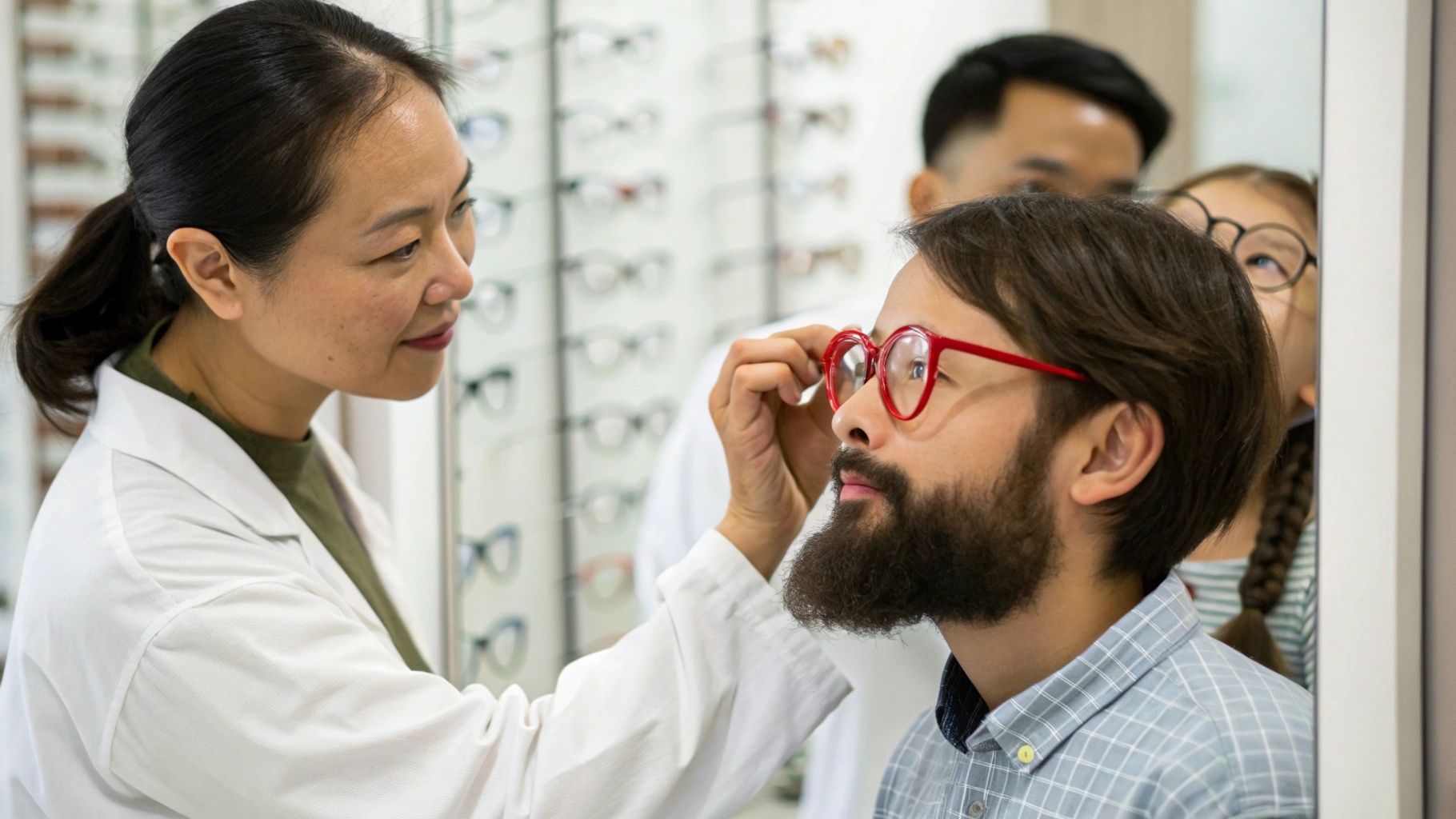
I remember one pair of glasses I owned had very hard, smooth plastic nose pads[^2]. They looked sleek, but they were a nightmare. They would just slide right down my nose, especially if I was even a little bit sweaty. It was so frustrating. I switched them out for a pair of soft, D-shaped silicone pads[^6], and the difference was incredible. The glasses stayed put all day. This experience taught me that the material isn't just a minor detail; it's the foundation of a comfort[^1]able fit. It’s about matching the properties of the material to your skin type[^7] and how you spend your day.
A Breakdown of Common Materials
The material of your nose pad affects everything from grip to how it feels against your skin. Some materials are better for sensitive skin, while others prioritize durability.
| Material | Pros | Cons | Best For |
|---|---|---|---|
| Silicone | Very soft, excellent grip, hypoallergenic. | Can attract dirt and oils, may need frequent cleaning. | Active individuals, oily skin, anyone prioritizing comfort[^1]. |
| PVC (Polyvinyl Chloride) | Durable, easy to clean, inexpensive. | Harder than silicone, less grip, can cause reactions in sensitive skin[^8]. | Standard, everyday use where slipping isn't a major issue. |
| Titanium | Extremely lightweight, hypoallergenic, very durable. | Hard surface, offers little grip, more expensive. | People with metal allergies or very sensitive skin[^8]. |
| Acetate | Integrated into the frame for a seamless look. | Not adjustable, can be slippery. | Fashion-forward frames where style is as important as function. |
Understanding Nose Pad Shapes
The shape of the nose pad influences how pressure is distributed on your nose. A "D-shape" pad is one of the most common because its flat side sits comfort[^1]ably against the nose, spreading the weight over a larger surface area. Symmetrical, or "oval," pads can be used on either side. The mounting system also matters. "Screw-in" pads are securely attached with a tiny screw, while "push-on" or "snap-in" pads click into place on a specific type of pad arm. Knowing your mount type is crucial if you plan to replace them yourself.
Tailored Solutions: What Are the Best Nose Pad Recommendations for Common Scenarios?
Do you play sports or have oily skin? Your lifestyle dictates what you need from your nose pads[^2]. A generic pad might not be enough to keep your glasses in place.
For an active lifestyle, choose soft silicone pads for their superior grip. If you have oily or sensitive skin[^8], hypoallergenic silicone or titanium pads are your best options to prevent slipping and skin irritation.
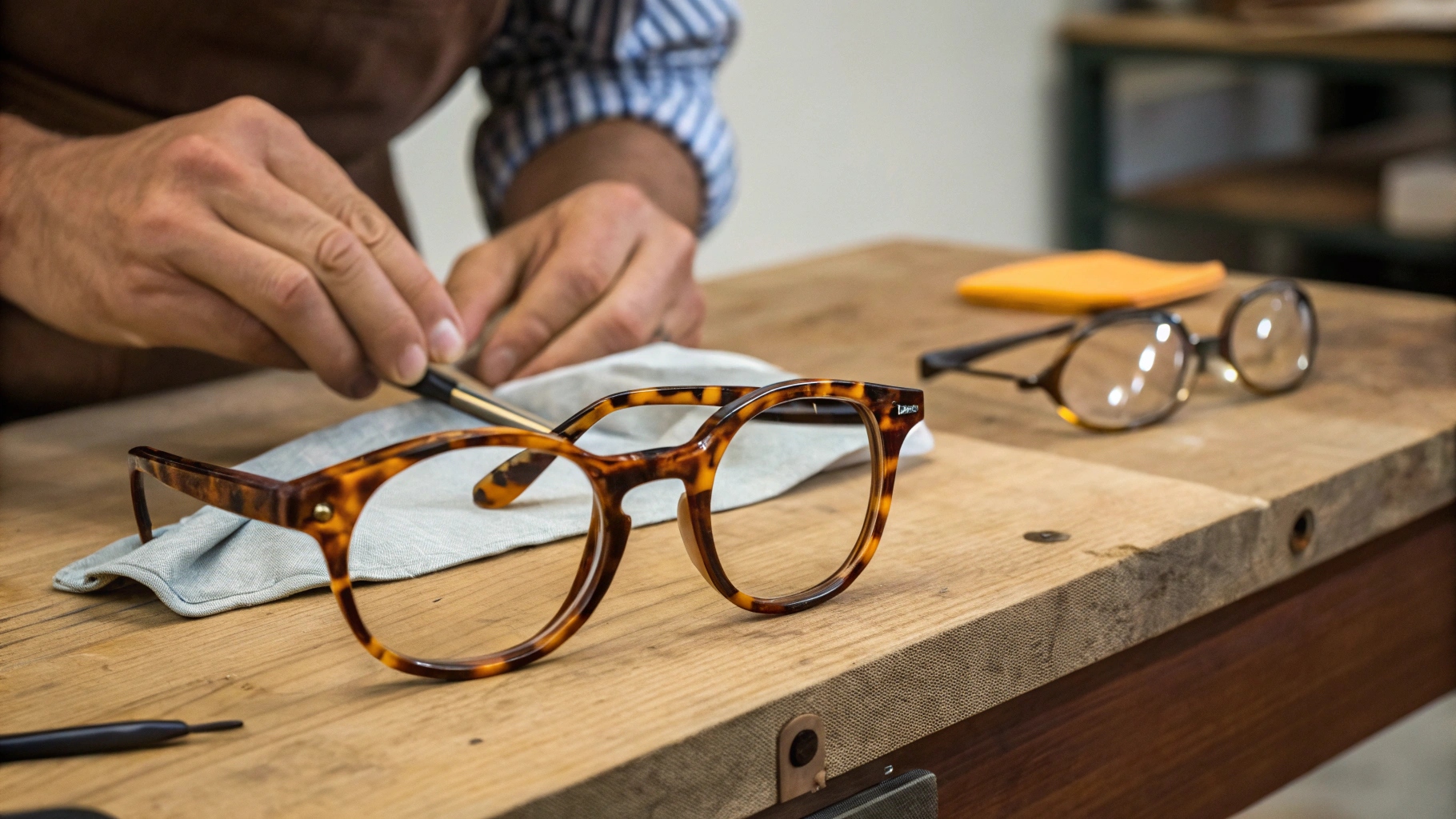
Finding the right solution often means thinking about your daily routine. Are you sitting at a desk all day, or are you constantly on the move? Do you live in a hot, humid climate where sweat is a constant issue? I once helped a client who was a tennis coach. He was frustrated because his expensive sunglasses kept slipping during lessons. We switched his standard pads to a set of high-grade, soft-grip silicone pads. It was a simple, inexpensive fix, but for him, it was a game-changer. His glasses finally stayed put, even during the most intense matches. This shows how a small, tailored adjustment can solve a big, annoying problem.
Choosing Pads for Your Lifestyle
Your daily activities put different demands on your eyewear. What works for a quiet office environment might fail completely during a workout. Let's look at some common situations and the best nose pad solutions for them.
| Scenario | Primary Challenge | Recommended Nose Pad | Why It Works |
|---|---|---|---|
| Active/Sports | Constant movement and sweat cause slipping. | Soft Silicone (D-Shape) | The material provides excellent grip that increases with a bit of moisture, and the shape distributes pressure evenly. |
| Oily Skin | Natural skin oils make the nose bridge slippery. | Silicone or Titanium | Silicone grips well on oily surfaces. Titanium is a good alternative as it won't react with skin oils and is easy to clean. |
| Sensitive Skin | Materials like PVC or nickel in pad arms cause irritation. | Hypoallergenic Silicone or Titanium | These materials are inert and unlikely to cause an allergic reaction or redness. |
| Heavy Lenses | The weight of the lenses creates painful pressure points[^9]. | Large Surface Area Silicone Pads | A larger pad (e.g., 15mm or more) spreads the weight out, reducing the pressure on any single point on your nose. |
A Note on Adjustable vs. Fixed Pads
For most of these scenarios, glasses with adjustable pad arms are superior. They allow you or an optician to fine-tune the position, width, and angle of the nose pads[^2]. This level of customization is key to solving fit problems related to sports, heavy lenses[^10], or unique facial anatomy. Fixed pads, like those molded into acetate frames, offer a clean look but provide zero adjustability. If you have a standard nose bridge and lead a relatively low-key lifestyle, they can be a great, hassle-free option. But for anyone with specific fit challenges, adjustability is king.
Expert Care and Adjustment: How Do You Maintain Comfort for Your Specific Frames?
Have you noticed your once-comfort[^1]able glasses are now slipping? Or worse, is there green gunk on the nose pads[^2]? Proper maintenance is key to keeping your glasses feeling like new.
Regularly clean your nose pads[^2] with mild soap and water to remove oils and dirt. If you see green residue, it's oxidation and a sign the pads should be replaced. You can easily replace most screw-in pads yourself with a small screwdriver kit.

I make it a habit to check my nose pads[^2] every few months, especially after summer. I live in a place where it gets pretty humid, and sweat is unavoidable. I’ve seen that greenish buildup on the metal parts of the pad holder more than once. It’s just oxidation, but it looks gross and can irritate the skin. I learned that a quick scrub with an old toothbrush and some soapy water usually clears it up. If the pads themselves are yellowed or hardened, I just replace them. It’s a simple 5-minute job that makes my glasses feel brand new again. It's a small bit of upkeep that goes a long way.
Your Guide to Cleaning and Maintenance
Keeping your nose pads[^2] clean is not just for hygiene; it also helps them maintain their grip and prevents the frame's metal components from corroding.
Step-by-Step Cleaning Process
- Prepare: Get a small bowl of warm water with a drop of mild dish soap and a soft-bristled brush (an old toothbrush works great).
- Wash: Hold your glasses securely and gently scrub the nose pads[^2] and the metal arms they are attached to. Pay special attention to the crevices where dirt and oils accumulate.
- Rinse: Rinse the nose pads[^2] thoroughly under cool, running water. Be careful not to drop the glasses.
- Dry: Pat the entire frame dry with a soft, lint-free microfiber cloth. Avoid using paper towels, which can leave behind fibers and scratch your lenses.
How to Replace Your Nose Pads
If your nose pads[^2] are yellowed, hard, or damaged, replacing them is the best option. Most pads are either "screw-in" or "push-on." The screw-in type is the most common on metal frames.
| Step | Action for Screw-in Pads |
|---|---|
| 1. Identify | Look for a tiny screw holding the pad to the metal pad arm. You will need an eyeglass repair kit with a small Phillips or flathead screwdriver. |
| 2. Remove | Place your glasses on a soft cloth. Carefully turn the screw counter-clockwise until it's loose, then remove it and the old pad. |
| 3. Insert | Position the new nose pad into the mount. Make sure it's the correct side (if they are asymmetrical). |
| 4. Secure | Re-insert the screw and turn it clockwise until it is snug. Do not overtighten, as this can strip the screw or damage the mount. |
| 5. Repeat | Repeat the process for the other side. |
Beyond the Basics: What Are the Considerations for Prescription, Sunglasses, and Specialty Eyewear?
Do you wear progressive lenses[^11] or heavy sunglasses? The type of eyewear you use adds another layer to choosing the right nose pads[^2], as proper positioning becomes even more critical.
For progressive lenses[^11], stable and precise nose pad placement is essential for the different vision zones to work correctly. For heavy sunglasses, larger silicone pads are needed to provide grip and distribute weight, preventing them from slipping during active use.
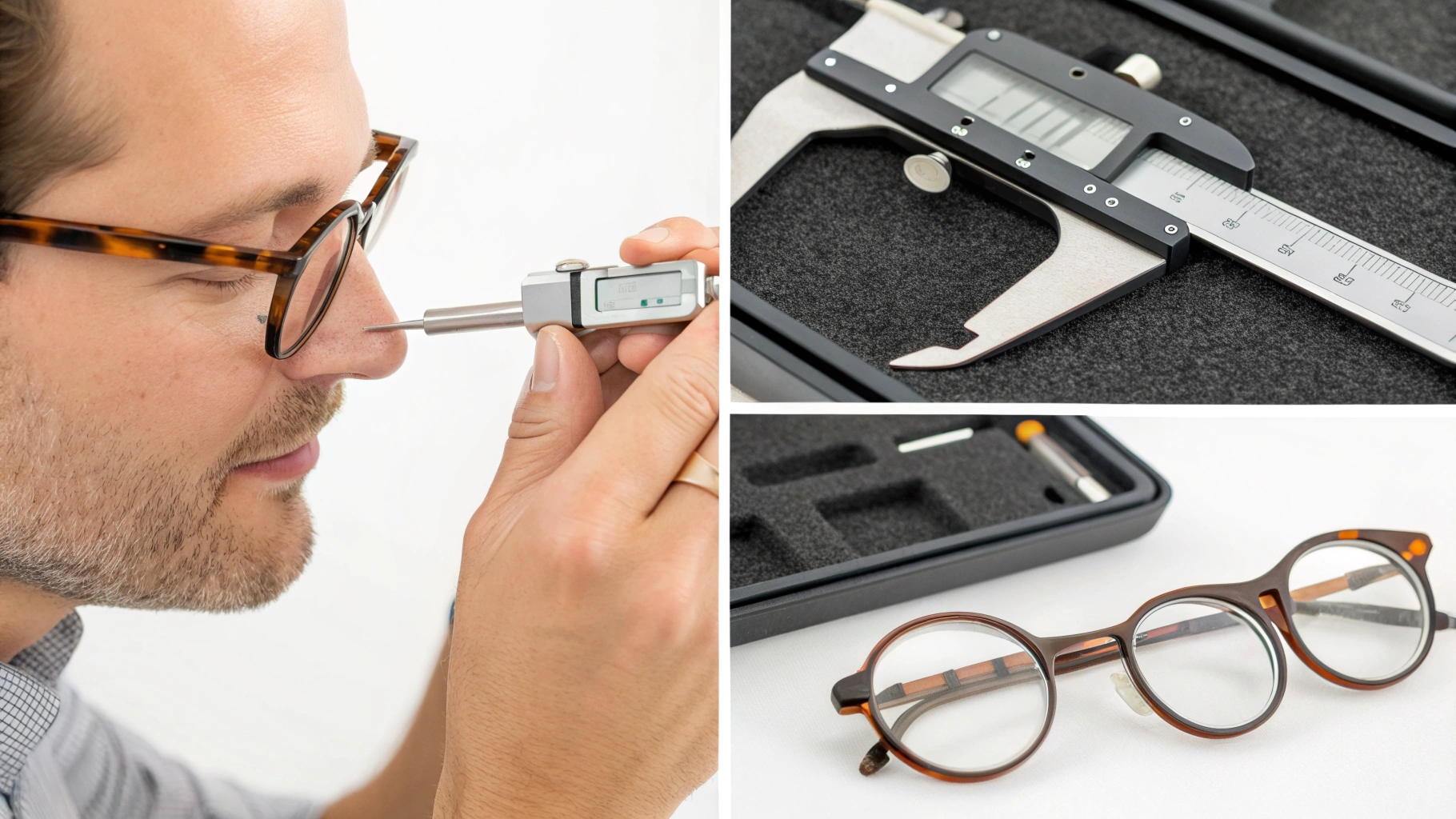
The importance of nose pads[^2] really hits home when you're dealing with specialty lenses. With my progressive lenses[^11], if my glasses slide down even a few millimeters, my distance vision becomes blurry, and I have to tilt my head back to read. It's a constant, frustrating adjustment. The solution was ensuring I had adjustable nose pads[^2] that an optician could perfectly position, combined with grippy silicone material to hold them there. The same logic applies to sunglasses. A heavy, oversized pair needs a robust support system, or you'll spend your whole day at the beach pushing them back up your nose. It's about thinking of the nose pads[^2] as a key part of the eyewear's performance system.
The Critical Role of Pads in Prescription Eyewear
With single-vision lenses, a little bit of slipping is just an annoyance. With more complex prescriptions, it can completely undermine the function of the glasses.
- Progressive Lenses: These lenses have multiple vision "zones" for distance, intermediate, and near vision. The glasses must sit at a precise height and angle for your pupils to align with the correct zones. A stable nose pad is non-negotiable. Adjustable arms and grippy silicone pads are the best combination here.
- High-Index/Astigmatism Lenses: Lenses that correct for strong prescriptions or astigmatism are very sensitive to positioning. If the frame is tilted or sits too far from your eyes because of poorly fitted nose pads[^2], it can induce distortion and eye strain.
Nose Pad Needs for Sunglasses and Specialty Frames
Sunglasses and other types of specialty eyewear[^12] have their own unique dem
[^1]: Explore the key factors that enhance comfort in wearing glasses.
[^2]: Explore the best nose pads to enhance comfort and fit for your glasses.
[^3]: Understand the impact of face shape on selecting the right glasses.
[^4]: Understand the various nose bridge structures and their implications for fit.
[^5]: Learn how proper weight distribution can improve your glasses' comfort.
[^6]: Learn about D-shaped silicone pads and how they enhance comfort.
[^7]: Find out which nose pad materials are best for different skin types.
[^8]: Explore the best nose pad materials for those with sensitive skin.
[^9]: Discover how to prevent pressure points for a more comfortable fit.
[^10]: Find out how to select the right nose pads for heavy prescription lenses.
[^11]: Discover the ideal nose pads for ensuring comfort with progressive lenses.
[^12]: Discover how to choose nose pads for specialty eyewear needs.
Share:


Post time: Jan-16-2026