Struggling to understand the complex journey from a sunglass design to a market-ready product? The process involves many steps, and any misstep can cause delays and quality issues.
Modern sunglass manufacturing[^1] is a multi-stage process. It starts with design and material selection[^2], moves to lens and frame fabrication[^3], and finishes with assembly, rigorous quality control[^4], and compliance checks[^5]. Each stage requires precision and expertise to create a high-quality final product.
The journey of creating a pair of sunglasses is more intricate than most people think. For brand owners like you, understanding this process is crucial. It helps you ask the right questions, evaluate potential suppliers, and ensure the final product truly represents your brand's vision and quality standards. Over my years in this industry, I've seen how a little knowledge on the client's side can make a huge difference in the final outcome. Let's walk through each step together, from the initial idea all the way to the finished product in its box.
How Do You Translate Sunglass Trends into Technical Specifications?
Have a great design idea but don't know how to make it a reality? Turning a trend into a manufacturable product can be a huge challenge for brand owners.
Translating trends involves creating detailed technical drawings (CAD files). These files specify dimensions, materials, and construction details. This technical blueprint ensures that the factory can accurately produce your vision, turning a creative concept into a precise, physical product that can be mass-produced consistently.
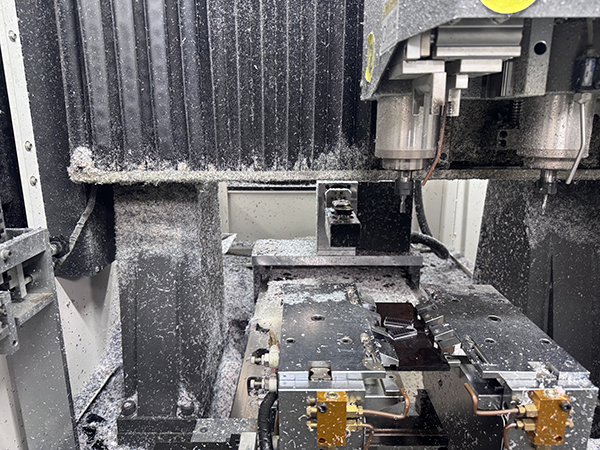
Everything starts with an idea. You might see a new style on the runway, a color combination on social media, or have a unique concept for a new sports frame. The first step is to get that idea out of your head and onto paper. We often work with clients who bring us mood boards, simple sketches, or inspiration photos. Our job is to help turn that creative vision into a concrete, manufacturable design. We use Computer-Aided Design (CAD) software to create precise 2D and 3D models. This is where we define every single detail.
From Sketch to Specification
A simple drawing is a good start, but a factory needs technical specifications. This is the language of manufacturing. The CAD file contains all the critical information needed for production.
| Design Element | Specification Example |
|---|---|
| Lens Width | 54mm |
| Bridge Width | 18mm |
| Temple Length | 145mm |
| Frame Material | TR90[^6], Color: Matte Black |
| Lens Material | Polycarbonate, Gray Tint |
| Hinge Type | 3-barrel metal hinge |
Once the digital design is approved, we often create a prototype[^7]. This can be a 3D-printed model or a CNC-machined sample. This physical sample allows you to hold the product, check the fit and feel, and make any final adjustments before we move to expensive tooling and mass production. This collaborative design phase is key to preventing costly mistakes later on.
How Do You Balance Aesthetics, Performance, and Sustainability in Material Selection?
Choosing the right frame material feels overwhelming, right? The choice impacts look, durability, and cost, making it a critical decision that can define your brand's success.
Balancing these factors requires understanding material properties. Plastics like TR90[^6] offer flexibility and are cost-effective. Metals provide a premium feel. Acetate allows for rich, unique colors. The best choice depends on your brand's target market, desired aesthetic, and price point.

The material you choose for your sunglass frames does more than just determine how they look. It affects their durability, weight, comfort, and, importantly, the production process and cost. As a manufacturer, a big part of our job is guiding clients to the perfect material for their brand. For example, if you're creating a line of sport sunglasses, lightweight and durable materials like TR90[^6] or polycarbonate[^8] (PC) are excellent choices. If you're targeting the high-fashion market, premium materials like metal or acetate[^9] are more suitable.
A Comparison of Common Frame Materials
Each material has its own production method, which directly impacts output and lead times. This is a critical point that many new brand owners miss.
| Material | Key Features | Best For | Production Speed |
|---|---|---|---|
| Plastic (PC/TR90[^6]) | Lightweight, flexible, durable, cost-effective | Sport, casual, promotional | Very High (Injection molding) |
| Acetate | Rich colors, premium feel, hypoallergenic | High-fashion, luxury, boutique | Very Low (Hand-crafted) |
| Metal | Sleek, strong, classic look | Aviators, premium, minimalist | Medium |
Here's an insight from our factory floor: plastic frames made through injection molding have a very high daily output and a fast production cycle. We can produce thousands of units a day. In contrast, acetate[^9] frames are a work of art. They are cut from large sheets and require extensive hand-polishing. This process is slow and meticulous, resulting in a daily output of only 100-200 pairs per production line and a much longer overall production cycle. Understanding this difference is key to planning your inventory and launch dates.
How Are Optical Clarity and UV Protection Engineered into a Sunglass Lens?
Worried your sunglasses won't offer real protection? Low-quality lenses can harm your customers' eyes and damage your brand's reputation. It's a serious concern for any eyewear business.
Lenses are made from materials like polycarbonate[^8] for impact resistance. UV protection is added either within the material itself or as a coating. Additional coatings for anti-scratch, anti-glare, and polarization are applied in clean-room environments to ensure perfect optical clarity and performance.
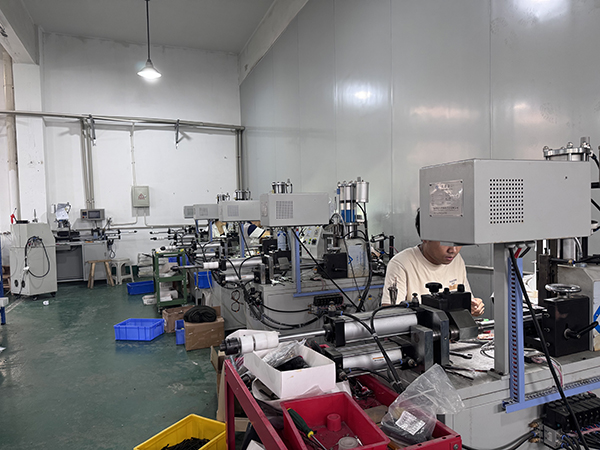
The lenses are the most functional part of any pair of sunglasses. Their primary job is to protect the wearer's eyes from harmful UV radiation while providing clear, distortion-free vision. It all starts with the lens blank, which is typically made from polycarbonate[^8] (PC) or CR-39. PC is incredibly impact-resistant, making it ideal for sport and safety eyewear. CR-39 offers superior optical clarity, closer to glass, making it a choice for premium lifestyle brands. The UV400 protection[^10], which blocks 100% of UVA and UVB rays, is either mixed into the lens material during its creation or applied as a transparent coating.
Adding Performance with Lens Coatings
Beyond basic UV protection, various coatings can be applied to enhance the lens's performance and durability. This process happens in a highly controlled, dust-free environment to avoid any imperfections.
| Coating Type | Function |
|---|---|
| Hard Coating | Provides scratch resistance, increasing the lifespan of the sunglasses. |
| Anti-Reflective (AR) | Reduces glare and reflections from the back surface of the lens. |
| Polarization Film | Eliminates horizontal glare from surfaces like water and roads. |
| Hydrophobic/Oleophobic | Repels water, oil, and smudges, making lenses easier to clean. |
| Mirror Coating | A reflective layer on the outside of the lens, available in many colors. |
Each coating is applied in a separate, precise step. For example, a polarizing film is laminated onto the lens, while other coatings are applied using a vacuum deposition process. We then test the lenses to ensure they meet all optical standards for clarity and protection before they are approved for assembly.
How Do Raw Components Become a Finished Pair of Sunglasses?
Ever wonder how all the small parts come together? The assembly process is where quality can be made or broken, and inconsistencies can lead to product failures.
Frame fabrication depends on the material. Plastic frames are injection-molded, while acetate[^9] is hand-carved. Metal is welded. Finally, all components—frames, lenses, hinges, and nose pads—are carefully assembled by skilled technicians to create the final product.
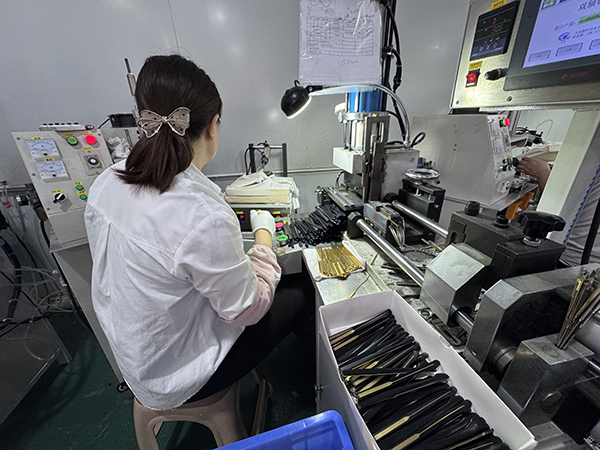
This is where the individual components we've discussed—frames and lenses—come together to form a finished product. The fabrication and assembly process varies significantly based on the frame material. Precision and attention to detail are paramount at this stage.
Injection Molding for Plastic Frames
For materials like polycarbonate[^8] (PC) and TR90[^6], we use a process called injection molding[^11]. Plastic pellets are melted down and injected under high pressure into a custom steel mold. The mold is then cooled, and the finished frame front or temple is ejected. This process is extremely fast and efficient, allowing us to produce a high volume of identical parts with great consistency. It's perfect for large orders and products where cost-effectiveness and speed are priorities.
The Art of Crafting Acetate Frames
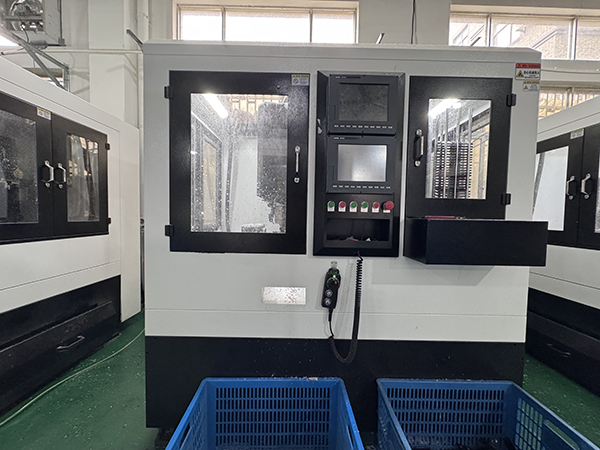
Acetate manufacturing is almost the opposite. It's a craft. We start with large, colorful sheets of cured plant-based acetate[^9]. The frame shapes are cut from these sheets using a CNC machine. Then, the real work begins. The rough-cut pieces are placed in a tumbler filled with wood chips and polishing paste for several days to smooth the edges. After tumbling, each frame is meticulously hand-polished[^12] by a skilled artisan to bring out the rich colors and create a glossy, seamless finish. This is why acetate[^9] production is slow and results in a much lower daily output.
Final Assembly
Once the frames are ready, they move to the final assembly line. Here, our technicians carefully insert the lenses into the frame, ensuring a snug and secure fit. They attach the temples (arms) to the frame front using tiny screws and hinges. Finally, nose pads are attached, and each pair of sunglasses is cleaned and inspected one last time. Every screw must be tight, every hinge must move smoothly, and the final alignment must be perfect.
How Can You Ensure Your Sunglasses Meet Global Standards and Safety Regulations?
Afraid of your shipment being rejected by customs or failing safety tests? Non-compliance can lead to huge financial losses and legal trouble, a nightmare for any importer.
Rigorous quality control (QC) at every stage is essential. This includes material inspection, in-process checks, and final product testing. We also ensure compliance with international standards like FDA, CE, and Prop 65[^13] by working with certified labs and maintaining strict documentation.
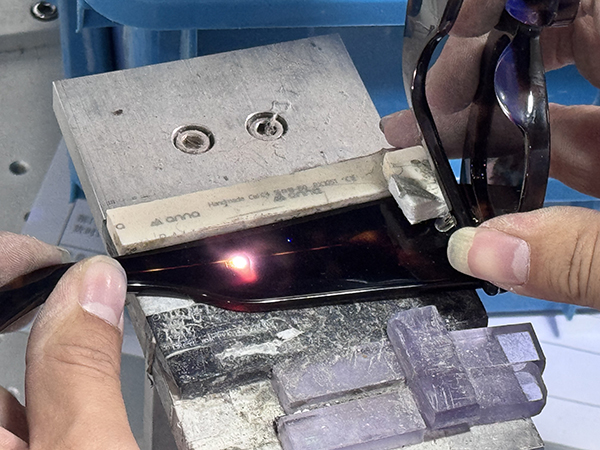
Creating a beautiful, well-made product is only half the battle. Ensuring that product is safe, durable, and compliant with international regulations is just as important. For clients like Victoria in the US or Lee in the UK, this is non-negotiable. This is why a robust quality control and compliance system is the final, critical pillar of the manufacturing process.
The Multi-Stage QC Process
Quality isn't just checked at the end; it's built in throughout the entire process.
- Incoming Quality Control (IQC)[^14]: Before any production begins, we inspect all raw materials. We check frame materials for defects and test lenses to confirm they meet UV protection standards.
- In-Process Quality Control (IPQC)[^15]: Our teams monitor the production lines, pulling samples at various stages—after molding, after coating, during assembly—to catch any issues early.
- Final Quality Control (FQC)[^16]: Every single finished pair of sunglasses undergoes a final, thorough inspection before packaging. We check for cosmetic defects, structural integrity, and proper alignment.
Navigating Global Compliance
Different markets have different rules. As an experienced exporter, we help our clients navigate this complex landscape. We ensure products meet standards like FDA requirements for the US, CE marking for Europe, and pass tests like Prop 65 for California. For large retail clients like BOOHOO, this also involves passing regular factory audits from third parties like BV (Bureau Veritas) to verify our production environment and ethical standards.
Packaging for Protection and Branding
The final step is packaging. This serves two purposes: protecting the product during shipping and presenting your brand to the end customer. We work with clients to design custom boxes, microfiber pouches, and cleaning cloths[^17] that feature their logo and branding, providing a professional finishing touch.
Conclusion
From a sketch to a compliant product, manufacturing sunglasses is a detailed journey. Partnering with an expert manufacturer ensures quality, compliance, and success for your brand.
[^1]: Understanding the stages of modern sunglass manufacturing helps you appreciate the complexity and precision required to produce high-quality sunglasses.
[^2]: Choosing the right design and materials is crucial for creating sunglasses that meet aesthetic and functional requirements, ensuring brand success.
[^3]: Exploring lens and frame fabrication reveals the technical expertise needed to create durable and stylish sunglasses.
[^4]: Rigorous quality control ensures that sunglasses meet safety and quality standards, protecting your brand's reputation and customer satisfaction.
[^5]: Compliance checks are essential to ensure sunglasses meet international safety standards, preventing legal issues and financial losses.
[^6]: TR90 is a popular material for sunglass frames due to its flexibility, durability, and cost-effectiveness, making it ideal for various markets.
[^7]: Prototyping allows for testing and adjustments before mass production, reducing the risk of costly errors and ensuring product quality.
[^8]: Polycarbonate is impact-resistant and lightweight, providing excellent protection and comfort for sunglass wearers.
[^9]: Acetate offers rich colors and a premium feel, making it a preferred choice for high-fashion sunglasses that require a luxurious appearance.
[^10]: UV400 protection blocks harmful UVA and UVB rays, ensuring the safety and health of the wearer's eyes.
[^11]: Injection molding is a fast and efficient process for producing high volumes of plastic sunglass frames with consistent quality.
[^12]: Hand-polishing enhances the appearance and feel of acetate frames, providing a glossy finish that highlights the material's rich colors.
[^13]: Meeting FDA, CE, and Prop 65 standards ensures sunglasses are safe and compliant with regulations in major markets, avoiding legal issues.
[^14]: IQC ensures that raw materials meet quality standards before production, preventing defects and ensuring product reliability.
[^15]: IPQC monitors production to catch issues early, maintaining quality and reducing waste in sunglass manufacturing.
[^16]: FQC ensures that each pair of sunglasses meets quality standards before packaging, guaranteeing customer satisfaction and brand integrity.
[^17]: Custom packaging options like boxes and pouches enhance brand presentation, providing a professional and memorable customer experience.
Share:


Post time: Mar-05-2026