Sourcing sunglasses from China seems complex and full of risks. You worry about poor quality, customs issues, and losing money. This guide breaks it down into simple, actionable steps.
The best way to source quality sunglasses from China is by finding a reliable supplier[^1], verifying product quality with physical samples[^2], understanding your country's specific import regulations like FDA requirements, and building a long-term, problem-solving partnership with your manufacturer.
Starting a sunglasses brand is an exciting journey. You have a vision for your designs and a target audience in mind. But turning that vision into a real, high-quality product that you can sell requires a solid sourcing strategy[^3]. Many entrepreneurs look to China for manufacturing, and for good reason. However, the process can feel intimidating if you don't know where to start. I've been in this industry for over a decade, and I've helped countless business owners like you navigate this path successfully. It's not about finding the cheapest option; it's about finding the right partner. This guide will walk you through the essential steps, from understanding the market to building a relationship that supports your business's growth for years to come.
Why is Understanding the Global Market and China's Supply Chain So Important?
You see the huge potential in the sunglasses market. But you're not sure where China fits in or how to use its strengths. Understanding the supply chain is your first step.
China's mature supply chain[^4] offers unmatched manufacturing scale, cost-effectiveness, and diverse product customization. Understanding this helps you tap into a vast network of suppliers for fashion, sport, and private label eyewear, giving you a serious competitive advantage.
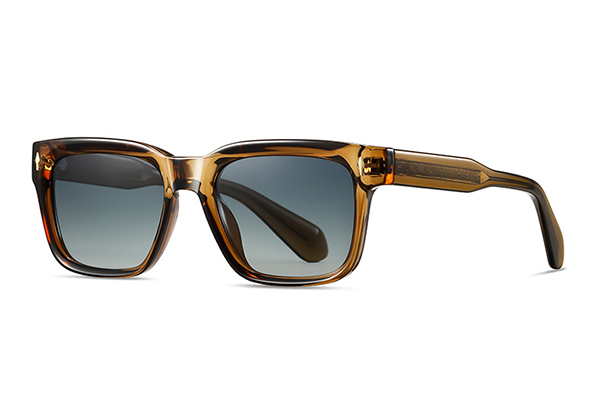
To succeed, you need to know why China is the world's factory for eyewear. It’s not just about low costs. It's about a massive, specialized ecosystem. Entire cities, like Wenzhou and Shenzhen[^5], are dedicated to producing glasses. This means they have everything in one place: material suppliers, frame factories, lens makers, and packaging experts. This concentration drives innovation and efficiency. For a brand owner, this translates into access to a huge variety of materials, from TR90 plastic[^6] to premium acetate, and the ability to create truly custom designs. When you understand this, you can make smarter sourcing decisions. You can choose a supplier based not just on price, but on their access to specific materials or their expertise in a certain style of sunglasses, whether it's for high-fashion or durable sports gear.
China's Supply Chain: Pros and Cons
| Advantage | Description | Potential Challenge |
|---|---|---|
| Cost-Effectiveness | Economies of scale lead to competitive pricing. | Price can sometimes reflect lower quality if not vetted. |
| Massive Scale | Ability to handle large volume orders easily. | High MOQs (Minimum Order Quantities) from some large factories. |
| Customization | Deep expertise in OEM/ODM and private label services. | Communication barriers can lead to customization errors. |
| Speed to Market | Established logistics and production lines reduce lead times. | Delays can still occur due to unforeseen production issues. |
How Do You Evaluate and Choose the Right Sunglass Supplier in China?
There are countless suppliers online, and they all look the same. Choosing the wrong one can mean losing money, wasting time, and getting a product you can't sell.
Evaluate suppliers by checking their business licenses, certifications (ISO, FDA), and production capabilities. Always request samples to verify quality firsthand before committing to a large order. Look for responsive communication and a problem-solving attitude[^7].
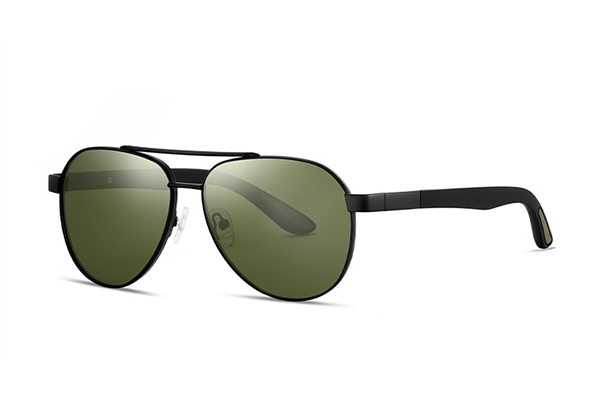
Finding the right partner is the most critical step. Your supplier is more than just a factory; they are an extension of your business. Start by doing your research on platforms like Alibaba, Google, or by attending trade shows. But don't just look at their website or product photos. Pictures can be very misleading. I always tell my new clients: you must get a physical sample in your hands. This is the only way to truly judge the feel of the material, the quality of the hinge, the clarity of the lens, and the finish of the logo printing. Beyond the product itself, pay close attention to how they communicate. Are they responsive? Do they answer your questions clearly? A supplier who communicates well from the beginning is more likely to be a reliable partner when issues inevitably arise.
Your Supplier Vetting Checklist
- Verify Credentials: Ask for a copy of their business license and any quality certifications like ISO 9001. A legitimate manufacturer will provide these without hesitation.
- Request Samples: This is non-negotiable. Order samples of the specific product you're interested in, or a similar one, to assess the quality. Check the weight, material, hinges, and lens quality.
- Assess Communication: Send them a detailed inquiry with several questions. See how quickly and how thoroughly they respond. Good communication is a sign of a professional and customer-focused operation.
- Discuss MOQs: Ask about their Minimum Order Quantity. See if they offer any flexibility. A good partner will try to find a solution that works for you, especially if you are just starting out.
What's Crucial for Ensuring Product Quality and Meeting Compliance Standards?
You've found a potential supplier, but now you're worried about product safety and legal issues. Selling a non-compliant product can get your shipment seized or, worse, harm your customers.
Ensure all sunglasses offer 100% UV400 protection[^8]. For the US market, confirm your supplier can provide FDA registration and a Drop Ball Test report. For Europe, check for CE marking[^9]. These are non-negotiable for smooth importation.
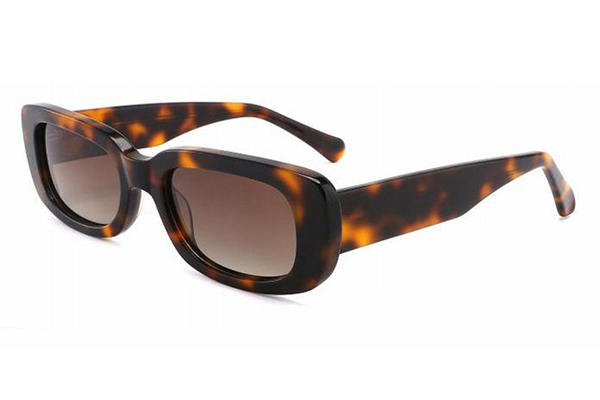
Product quality and compliance are not areas where you can cut corners. Your customers trust you to sell them a safe and effective product. The most basic requirement for any pair of sunglasses is UV protection. Make sure your supplier guarantees 100% UV400 protection[^8], which blocks all harmful UVA and UVB rays. Beyond that, each country has its own specific legal requirements. I can't stress this enough: you must know the rules for the country you plan to sell in. For our clients in the United States, we always prepare for two key things: FDA registration[^10] and the Drop Ball Test[^11] report. The FDA regulates sunglasses as medical devices, and the Drop Ball Test[^11] is a safety standard that proves the lenses are impact-resistant. Without this paperwork, US customs can destroy your entire shipment. It's a risk you simply can't afford to take.
Key Compliance Standards by Region
| Region/Country | Key Standard/Requirement | Why It's Important |
|---|---|---|
| USA | FDA Registration & Drop Ball Test[^11] | Required for customs clearance; proves impact resistance and safety. |
| Europe (EU) | CE Marking | Declares conformity with health, safety, and environmental standards. |
| Australia/NZ | AS/NZS 1067.1:2016 | Specific safety standard for sunglasses and fashion spectacles. |
| Global Baseline | UV400 Protection | Protects the wearer's eyes from harmful ultraviolet radiation. |
How Can You Navigate Customs and Import Procedures Without Hassle?
The thought of dealing with customs paperwork can be overwhelming. Making a single mistake on a form can lead to costly delays, inspections, or even having your goods sent back.
Work closely with your supplier and a reliable freight forwarder. Ensure all documents, like the commercial invoice and packing list[^12], are accurate. Correctly classify your products using HS codes and have all required compliance certificates ready.
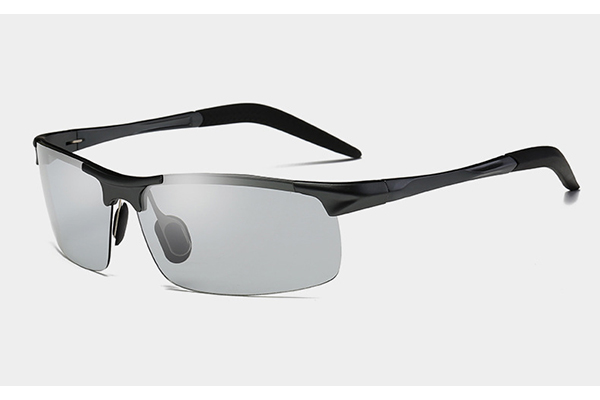
Logistics and customs can feel like a complex maze, but it becomes much simpler when you have the right partners and the right documents. Your manufacturer and a freight forwarder[^13] will be your guides. The key is preparation. Before your goods even leave the factory, you need to ensure all your paperwork is in perfect order. This includes the commercial invoice[^14] (which lists the value of the goods), the packing list[^12] (which details the contents of each box), and the bill of lading (the contract between you and the carrier). Most importantly, make sure you have the compliance documents we just discussed—like the FDA and Drop Ball Test[^11] reports for the US—ready to present. A good supplier will help you prepare this documentation. They ship products internationally every day, so they know what customs officials are looking for. Clear, accurate paperwork is the fastest way to get your products through customs and into your warehouse.
Essential Import Documents
- Commercial Invoice: A bill for the goods from the seller to the buyer. It's used by customs to determine the true value of goods when assessing duties and taxes.
- Packing List: A detailed list that describes the contents, weight, and dimensions of each package in the shipment.
- Bill of Lading (B/L)[^15] or Air Waybill (AWB): A legal document issued by a carrier that details the type, quantity, and destination of the goods being carried.
- Compliance Certificates: Proof that your products meet the required standards for your country (e.g., FDA, CE, Drop Ball Test[^11] reports).
What's the Secret to Building Effective, Long-Term Supplier Relationships?
You want more than just a one-time transaction for your business. A poor relationship with a supplier can lead to communication breakdowns, inconsistent quality, and a lot of stress.
The secret is partnership, not just purchasing[^16]. Communicate clearly and consistently. A good supplier isn't one who never makes mistakes, but one who actively works with you to solve problems. This builds trust and ensures long-term business stability.
I believe this is the most important part of sourcing. Your relationship with your supplier can make or break your business. We have clients we've worked with for over a decade. It's not because every single order was 100% perfect from start to finish. In manufacturing, small issues can sometimes happen. The reason these partnerships last is because of how we handle those moments. From the very first inquiry, our goal is to be a problem-solver. A great supplier doesn't just take your order; they offer suggestions, help you navigate challenges, and take responsibility when things go wrong. When you find a manufacturer who communicates openly and treats your business with care, you've found a true partner. This relationship leads to better pricing, more flexibility, and the peace of mind that comes from knowing you have someone you can count on. It transforms sourcing from a simple transaction into a powerful strategic advantage for your brand.
Conclusion
Sourcing from China is about partnership. Focus on finding reliable supplier[^1]s who help you with quality checks, compliance paperwork, and proactive problem-solving to ensure your business thrives for years to come.
[^1]: Discovering a reliable supplier is crucial for ensuring product quality and building a successful business relationship.
[^2]: Physical samples allow you to assess the actual quality of the product, ensuring it meets your standards before placing a large order.
[^3]: An effective sourcing strategy ensures you find the right suppliers, manage costs, and maintain product quality.
[^4]: Learn how China's developed supply chain offers cost-effectiveness and customization options for eyewear production.
[^5]: These cities are key hubs for eyewear production, offering a concentration of resources and expertise.
[^6]: TR90 plastic is known for its durability and flexibility, making it a popular choice for high-quality sunglasses.
[^7]: A supplier with a problem-solving attitude ensures issues are addressed promptly, maintaining product quality and business continuity.
[^8]: UV400 protection is crucial for blocking harmful UV rays, ensuring the safety and effectiveness of sunglasses.
[^9]: CE marking indicates compliance with EU safety, health, and environmental protection standards, essential for selling in Europe.
[^10]: FDA registration is necessary for legal compliance and to avoid shipment issues when importing sunglasses into the US.
[^11]: The Drop Ball Test ensures that sunglasses lenses are impact-resistant, a key safety requirement in the US.
[^12]: A packing list provides detailed information about the shipment, aiding in customs clearance and inventory management.
[^13]: A freight forwarder helps navigate customs and logistics, ensuring smooth and efficient importation of goods.
[^14]: A commercial invoice is crucial for customs to assess duties and taxes, ensuring legal and smooth importation.
[^15]: A Bill of Lading is a legal document that outlines the type, quantity, and destination of goods, essential for international shipping.
[^16]: A partnership fosters trust and collaboration, leading to better pricing, quality, and long-term business success.
Share:


Post time: Feb-09-2026