Buying sunglasses feels tricky sometimes. You see fancy pairs and cheap ones, but how do you know if you're getting good value or just paying for a name? It's frustrating to spend money on something that doesn't protect your eyes or breaks easily.
The best way to judge sunglasses is by checking key features. Look for UV400 protection on the label, test lens clarity for distortions, examine the frame material (acetate or metal are usually better), and check the hinge smoothness. Quality means good protection and durability.
It's easy to get overwhelmed by choices. Price isn't always the best sign of quality. Some expensive brands are just about fashion, while some affordable ones offer great protection. Let's break down exactly what to look for, piece by piece. Knowing these details helps you make a smart choice every time. We'll start with the most important part: the lenses.
What Makes Sunglass Lenses High Quality?
Lenses are the heart of sunglasses. Their main job is protecting your eyes. Cheap, poor-quality lenses might look dark, but they might not block harmful UV rays, or they could distort your vision. How can you be sure the lenses are doing their job properly?
High-quality lenses have clear UV400 or 100% UV protection labels. They should pass certification standards like ANSI (US) or CE (Europe). Good lenses offer clear, distortion-free vision and often feature helpful coatings like polarization or scratch resistance.
!
Let's dive deeper into lens quality. Several factors matter here:
Key Lens Quality Factors:
- UV Protection: This is non-negotiable. Always look for a sticker or etching saying "UV400" or "100% UV Protection." This means the lenses block harmful UVA and UVB rays. Certifications like ANSI Z80.3 (US), EN ISO 12312-1 (Europe), or AS/NZS 1067 (Australia/New Zealand) confirm they meet safety standards. If you have doubts, an optician can test them.
-
optical clarity: Good lenses let you see clearly without distortion. A simple test: look at something with straight lines, like tiles or a door frame. Move your head slightly. If the lines stay straight, clarity is good. If they wave or bend, the lens quality is poor. Material affects clarity too:
Lens Material Pros Cons Glass Best clarity, scratch-resistant Heavier, can shatter Polycarbonate Impact-resistant, lightweight, natural UV block Less clarity than glass, scratches easier Trivex Impact-resistant, very light, clearer than Poly More expensive CR-39 (Plastic) Good clarity, light Less impact-resistant, scratches - Polarization: This feature cuts glare from surfaces like water or roads. It's great for driving or water sports. To test, look at an LCD screen (like your phone) and tilt your head while wearing the glasses. The screen should darken or go black if the lenses are polarized.
- Coatings: Quality lenses often have coatings for durability and performance. Look for scratch-resistant coatings (though nothing is scratch-proof!), anti-reflective (AR) coatings on the back surface to reduce bounce-back glare, and hydrophobic/oleophobic coatings that repel water and oil, making them easier to clean.
Remember that time I bought super cheap sunglasses on vacation? The view felt warped, almost dizzying. That's poor optical clarity. Investing a bit more in quality lenses makes a huge difference for comfort and safety.How Can You Judge Sunglass Frame Quality?
The frame holds everything together. A flimsy frame can break easily, making even the best lenses useless. You want a frame that feels solid, looks good, and lasts. But how do you spot a well-made frame versus a cheap one?
Check the frame material first; acetate and quality metals like titanium or stainless steel are generally more durable than cheap injected plastic. Test the hinges – they should move smoothly but feel secure. Look closely at joints and finishes for a seamless, smooth appearance.
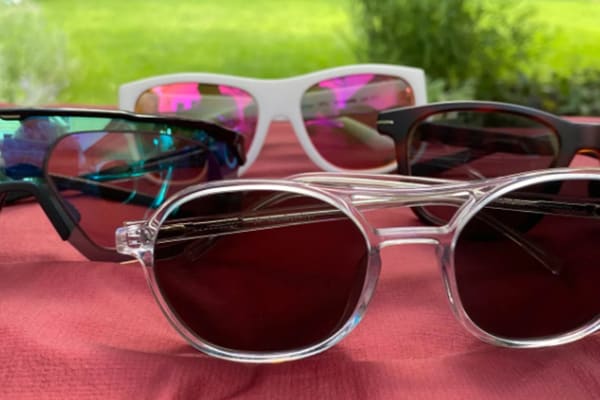
Frame quality involves materials, construction, and overall feel. Let's look closer:Evaluating Frame Quality:
- Frame Material: The material dictates durability, weight, and feel.
- Plastic:
- Acetate: High-quality, durable, holds color well, feels substantial. Often used in premium frames.
- Nylon/TR90: Flexible, lightweight, impact-resistant. Common in sports sunglasses.
- Injected Molded Plastic: Often found in cheaper sunglasses. Can feel brittle and less durable.
- Metal:
- Stainless Steel: Strong, resists corrosion.
- Titanium: Very strong, very lightweight, hypoallergenic, but expensive.
- Monel: Common metal alloy, easy to adjust, but can cause skin reactions in some people.
- Aluminum: Lightweight and corrosion-resistant.
- Other Materials: Wood or horn frames depend heavily on craftsmanship. Assess them carefully.
- Plastic:
- Construction & Craftsmanship: This is about how the frame is put together.
- Hinges: Open and close the temples (arms). Do they move smoothly? Is there good tension, or do they feel loose? Quality hinges, sometimes spring-loaded for flexibility, are a good sign. Check that screws are secure.
- Joints & Finish: Look where parts connect. Are they seamless? Run your finger along the edges. They should be smooth, with no sharp bits (burrs). The color or plating should be even, without bubbles or signs of peeling.
- Nose Pads: If present, they should be comfortable (soft silicone is often better than hard plastic) and securely attached. Adjustable nose pads offer a better fit.
- Temple Tips: The ends resting over your ears should be smooth and comfortable.
- Durability & Flexibility: Gently flex the frame (within reason!). It should feel sturdy, not like it's about to snap. Some materials like Nylon are designed to be flexible.
In my mold-making work, I learned a lot about different plastics. High-quality acetate has a density and warmth that cheap injected plastic just doesn't have. You can often feel the difference immediately. Good craftsmanship shows in the small details.Why Do Fit and Comfort Matter for Sunglasses?
You can have sunglasses with the best lenses and the strongest frames, but if they don't fit well or feel comfortable, you probably won't wear them. An uncomfortable pair might pinch your nose, slide down your face, or give you a headache. How do you ensure a good fit?
Good sunglasses should feel balanced on your face, not too heavy on your nose or ears. Check for pressure points – there shouldn't be any pinching. They need to provide good eye coverage, blocking light from the sides, top, and bottom, and stay put when you move your head.

Fit and comfort are subjective, but some key points apply to everyone:Assessing Fit and Comfort:
- Weight & Balance: Try them on. Do they feel heavy? Does the weight feel evenly distributed, or does it all sit on your nose bridge? Unbalanced frames become uncomfortable quickly. Lightweight materials like titanium or TR90 often score high here.
- Pressure Points: Pay attention to where the frame touches your head. Does it pinch the bridge of your nose? Do the temple arms dig in behind your ears? Wear them for a few minutes in the store if possible. Discomfort often gets worse over time.
- Coverage & Light Leakage: Good sunglasses protect your eyes from all angles. Check how much light gets in around the edges. For maximum protection, especially during sports or prolonged sun exposure, look for frames that sit closer to the face or have a wraparound design. Gaps let UV rays sneak in.
- Stability: Move your head around normally. Nod, shake your head gently. Do the sunglasses stay securely in place, or do they slide down your nose? A secure fit is crucial, especially if you'll be active while wearing them. Temple tips with good grip help here.
As product designers like Jacky know well, ergonomics are critical. A product can be technically perfect but fail if it's uncomfortable to use. Sunglasses are no different. Comfort ensures you actually wear them and get the protection you paid for. Always try sunglasses on before buying if you can.What Other Factors Indicate Sunglass Quality?
Beyond the physical checks of lenses, frames, and fit, other clues can hint at the overall quality and value of a pair of sunglasses. You've inspected the product itself, but what about the brand, the price, or the warranty? Are these reliable guides?
Consider the brand's reputation and look for reviews, but remember price isn't everything. A solid warranty often indicates the manufacturer's confidence in their product. Even quality packaging and accessories like a sturdy case can be small positive signs.

Thinking about the bigger picture helps complete your assessment:Overall Indicators and Context:
- Brand Reputation & Reviews: Established eyewear brands often have track records for quality, but don't discount newer or niche brands. Look up online reviews from other buyers. Consistent complaints about breakage or poor lenses are red flags.
- Price Point: Price is a factor, but use it cautiously. Extremely cheap sunglasses (under $10-$15) are almost always low quality in materials and UV protection. Very expensive sunglasses might offer high quality, or you might just be paying a premium for the brand name and marketing. The sweet spot often lies in the mid-range, but always verify with the physical checks we discussed.
- Warranty & Customer Service: A manufacturer offering a good warranty (e.g., one year or more against defects) shows they stand behind their product's quality. Good customer service is also important if issues arise.
- Packaging & Accessories: While not the main factor, quality sunglasses usually come with a sturdy protective case (not just a cloth bag) and a microfiber cleaning cloth. This shows some attention to detail from the brand.
- Place of Purchase: Buying from reputable opticians, department stores, or official brand websites is generally safer than buying from street vendors or questionable online sellers, where fakes or low-quality items are common.
- Specific Use Case: Finally, judge quality relative to why you need the sunglasses.
- Fashion/Everyday: Balance style with comfort and essential UV protection.
- Sports/Performance: Prioritize durability, secure fit, impact resistance (Polycarbonate/Trivex lenses), and maybe specific lens tints or polarization.
- Driving: Focus on excellent optical clarity, polarization to cut road glare, and an appropriate tint category (not too dark).
Thinking about the intended use helps you prioritize which quality aspects matter most for your needs. A pair perfect for lounging might be terrible for mountain biking.Conclusion
Judging sunglass quality means looking beyond just the style. Check the lenses for UV400 protection and clarity, inspect the frame material and construction, and ensure a comfortable, secure fit. These steps help you choose wisely.
Share:


Post time: Apr-22-2025