Are your sunglasses truly protecting your eyes from the sun? You buy them for safety, but without proper UV protection, they might be doing more harm than good.
To verify UV protection in sunglasses, look for a "UV400[^1]" or "100% UV Protection" label on the product. This certification ensures the lenses block all harmful UVA and UVB rays. For a quick home test, you can use a UV flashlight and a test card.
It's easy to assume your sunglasses are safe, but knowing for sure is critical for your long-term eye health[^2]. Many people don't realize that some glasses offer little to no real protection, putting their vision at risk. Let’s look at the simple, effective ways you can check your sunglasses and make sure you're getting the protection you need. I'll share some insights from my experience as a manufacturer to give you the full picture.
How Can You Spot a UV400[^1] Label or 100% UV Protection[^3] Claim?
You see labels on everything, but what should you look for on sunglasses? It's easy to get confused by marketing terms. Don't let clever branding distract you from the most important feature.
Look for a small sticker directly on the lens or a tag attached to the frame. It should clearly state "UV400[^1]" or "100% UV Protection[^3]." This is the industry standard and your guarantee that the lenses block harmful light rays.
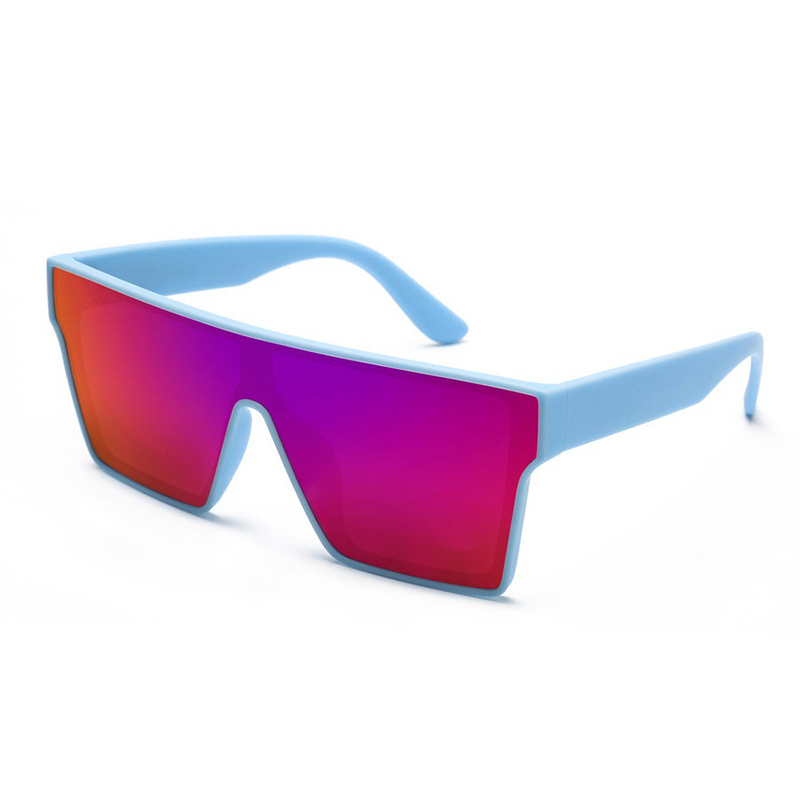
When you see a UV400[^1] label, it means the lenses block light rays with wavelengths up to 400 nanometers. This range includes all the harmful UVA and UVB rays from the sun. Protecting your eyes from this radiation is crucial for preventing long-term damage like cataracts and macular degeneration[^4]. As a manufacturer, I want to share a key piece of information. The coating that provides UV protection is extremely inexpensive to apply during production. For us at the factory, it costs very little. There is absolutely no reason for a reputable manufacturer to skip this step. The tiny cost saving isn't worth the risk of customer complaints, returns, or damaging our brand's reputation. Because of this, nearly all sunglasses produced today, even budget-friendly ones, come standard with full UV protection.
Key Things to Look For
- The Sticker: A small, often removable, sticker on one of the lenses.
- The Tag: Information printed on the tag attached to the glasses.
- Frame Printing: Sometimes, it's printed on the inside of the temple arm.
Why Can Darker Lenses Be Deceptive?
Most people believe that the darker the lens, the better the sun protection. This is a dangerous assumption that can actually lead to more eye damage. You need to understand what tint really does.
Dark lenses without UV protection are worse than wearing no sunglasses at all. The dark tint causes your pupils to open wider, allowing even more harmful UV radiation to enter your eyes. Tint only reduces brightness, not UV rays.
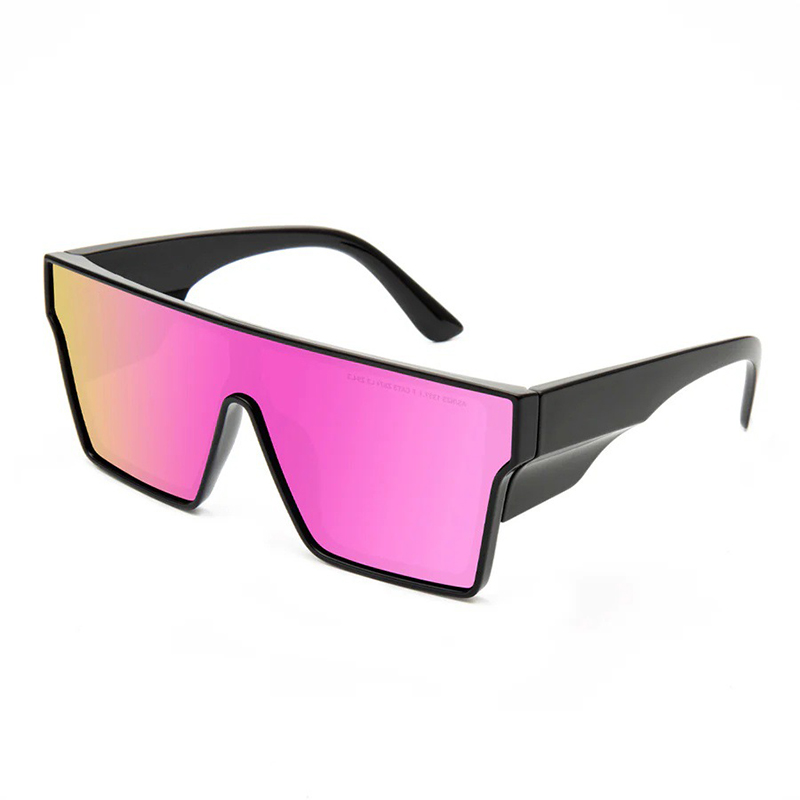
Here's how it works. Your pupils naturally get smaller in bright light to limit the amount of light entering your eye. When you wear dark sunglasses, you trick your eyes into thinking it's dark outside. In response, your pupils dilate[^5], or open up. If those dark lenses don't have a UV-blocking coating[^6], your wide-open pupils are now getting a full, unfiltered blast of damaging UV radiation. The UV protection itself is a clear coating applied to the lens; it has nothing to do with the color or darkness of the tint. A perfectly clear lens can offer 100% UV protection, while a very dark one might offer none. This is why it's so important to confirm the UV400[^1] rating instead of just judging by the lens color.
| Feature | Lens Tint (Darkness) | UV Protection Coating |
|---|---|---|
| Purpose | Reduces visible light, less squinting | Blocks invisible UVA/UVB radiation |
| Visible? | Yes, it's the color of the lens | No, it's a clear coating |
| Protection | Provides comfort from glare | Provides safety from eye damage |
How Can You Check for Compliance with Recognized Standards?
A UV400[^1] sticker is a great start, but how do you trust it? You could be buying a product that doesn't meet safety regulations. Looking for official compliance marks provides an extra layer of confidence.
Check the inside of the frame for marks like "CE" or "ANSI." These symbols indicate the sunglasses meet specific regional safety standards, which include requirements for UV filtration[^7]. This is a strong sign of a quality product.
As a manufacturer that exports globally, we have to make sure our products meet the standards for every country we sell to. These aren't just suggestions; they are legal requirements. For you as a buyer, they are a reliable sign that the product is safe and has been properly tested. The most common standards you'll see are the CE mark[^8], which is required for products sold in Europe, and the ANSI standard in the United States. Australia and New Zealand have one of the strictest standards in the world. Seeing one of these marks means the manufacturer has done their due diligence, and the product's claims about UV protection are much more likely to be accurate. It’s a simple check that separates professionally made eyewear from low-quality, unregulated products.
| Standard | Region | What It Means |
|---|---|---|
| CE Mark | European Union | Conforms to health, safety, and environmental standards. |
| ANSI Z80.3 | United States | Meets standards for UV blockage and optical quality[^9]. |
| AS/NZS 1067 | Australia/New Zealand | Meets very strict standards for UV and glare reduction. |
How Can You Examine Optical Quality and Lens Uniformity?
UV protection is vital, but what if the lenses distort your vision? Poor optical quality[^9] can cause headaches and eye strain[^10], making the glasses uncomfortable to wear. A simple visual check can tell you a lot.
To check for optical quality[^9], hold the sunglasses at arm's length and look through them at a straight line, like a window frame. Move the glasses slowly from side to side. If the line stays straight, the lenses are good.
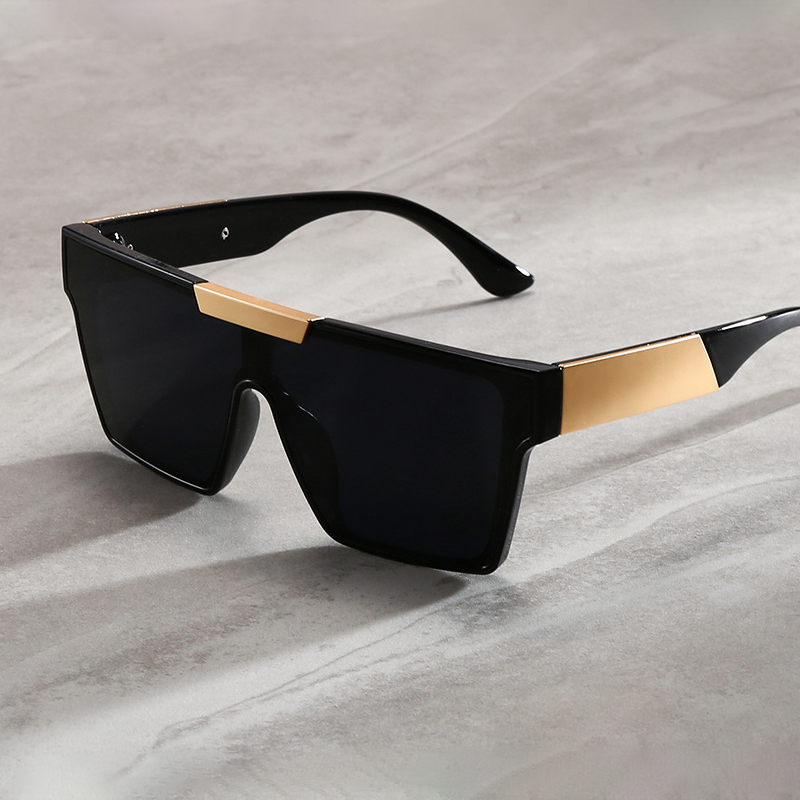
If the line wiggles, bends, or looks wavy as you move the glasses, it means the lenses have optical distortion[^11]s. Wearing glasses with poor optical quality[^9] for an extended period can lead to eye strain[^10], fatigue, and even headaches. This is a common issue with very cheaply made sunglasses. In our factory, quality control for optical clarity is a critical step. We check every batch to ensure the lenses are uniform and free of distortions. This not only provides a better visual experience but also reflects the overall quality of the product. When you're buying sunglasses, especially for activities like driving or sports where clear vision is essential, this simple test is a must. It takes just a few seconds and can save you from the discomfort of low-quality lenses.
How Can You Verify Through Professional Testing or Trusted Sources?
You've checked for labels, but you still have doubts about an old or unbranded pair. You don't want to risk your eye health on a guess. Luckily, there are definitive ways to get a final answer.
Most optical shops have a device called a photometer[^12] that can test UV protection in seconds. For a simple at-home check, shine a UV flashlight through the lens onto a UV-sensitive test card[^13]. If the card doesn't react, the lens works.
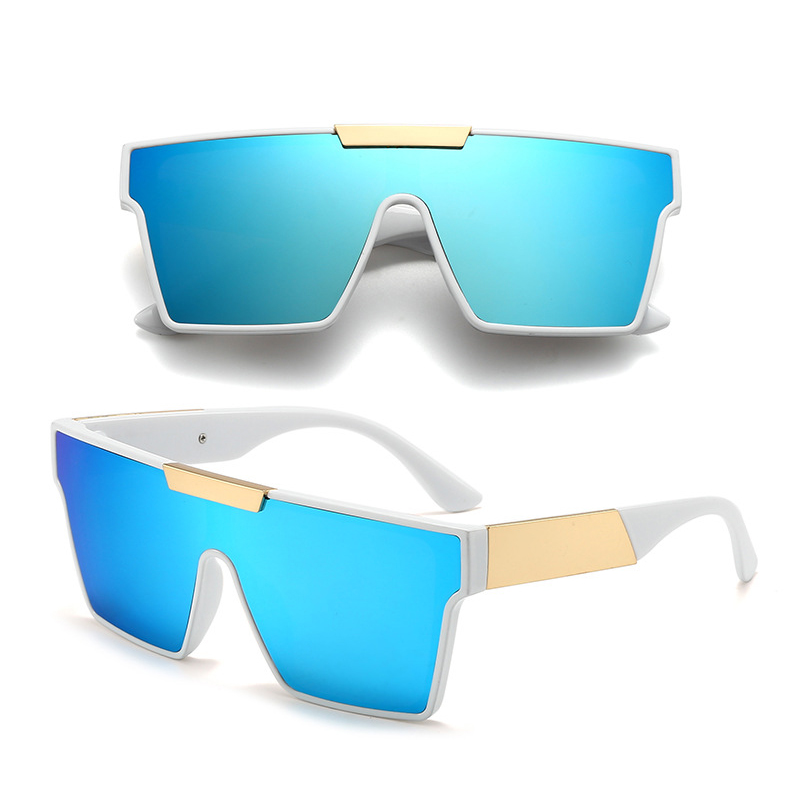
If you want a 100% accurate, professional reading, just walk into any optician's office. They can test your sunglasses for free, and it only takes a moment. This is the most reliable method. However, if you want to test them yourself, the DIY method is quite effective. This is something I've recommended to customers who are curious. You can easily buy a small UV flashlight (sometimes called a blacklight) and a UV test card online. First, shine the light directly on the card to see how it changes color. Then, place a sunglass lens between the flashlight and the card. If the card no longer changes color or changes much less, you know the lens is successfully blocking the UV rays. This is a great way to gain peace of mind and confirm that your eyes are truly protected.
Conclusion
Verifying your sunglasses' UV protection is simple and important. Always look for the UV400[^1] label, don't be fooled by dark tints, and use a quick test for absolute certainty.
[^1]: Understanding the UV400 label ensures your sunglasses block all harmful UVA and UVB rays, crucial for protecting your eyes from sun damage.
[^2]: Explore how proper UV protection in sunglasses can prevent serious eye conditions like cataracts and macular degeneration.
[^3]: Learn why 100% UV Protection is essential for sunglasses to prevent long-term eye damage from harmful UV rays.
[^4]: Understand the link between UV exposure and serious eye conditions like cataracts and macular degeneration.
[^5]: Learn how dark sunglasses without UV protection can cause your pupils to dilate, increasing exposure to harmful UV rays.
[^6]: Discover how a UV-blocking coating works to protect your eyes from harmful UV rays, regardless of lens tint.
[^7]: Learn about UV filtration in sunglasses and how it protects your eyes from harmful sun exposure.
[^8]: Learn about the CE mark and how it indicates compliance with European safety standards for UV protection in sunglasses.
[^9]: Learn a simple test to ensure your sunglasses provide clear vision without distortion, preventing eye strain and discomfort.
[^10]: Explore how poor optical quality in sunglasses can lead to eye strain and what to look for to avoid it.
[^11]: Find out how optical distortion in sunglasses can affect your vision and why it's important to choose high-quality lenses.
[^12]: Find out how a photometer can accurately test your sunglasses for UV protection, offering peace of mind about your eye safety.
[^13]: Explore how a UV-sensitive test card can help you verify the UV protection of your sunglasses at home.
Share:


Post time: Mar-23-2026