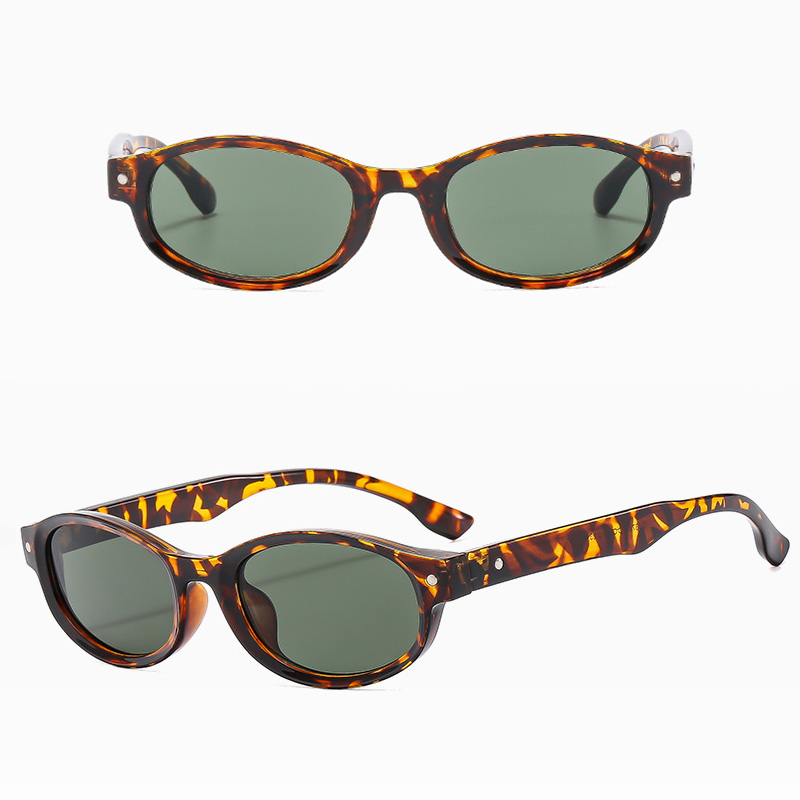
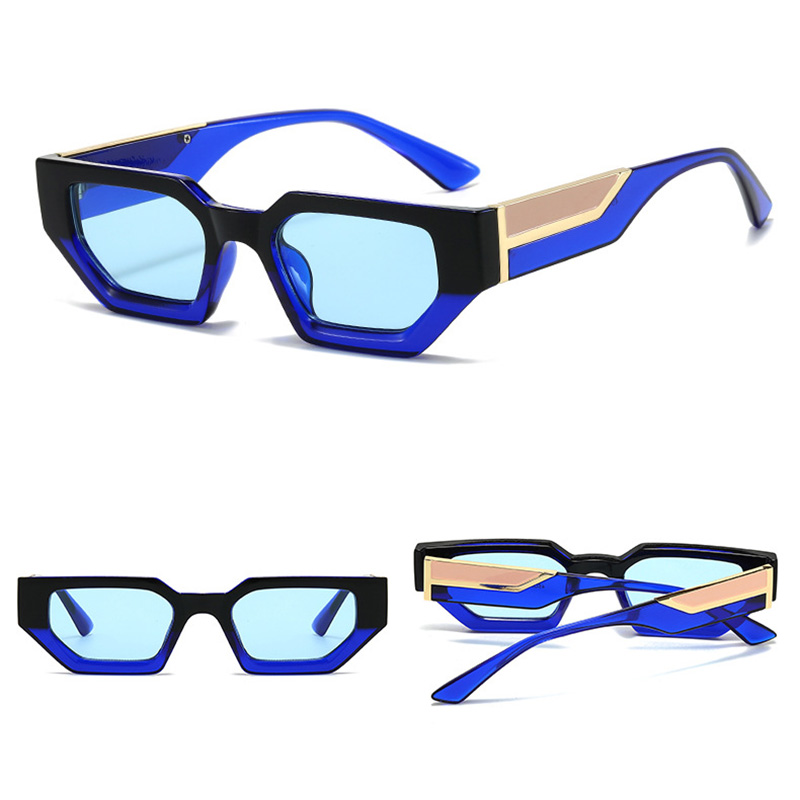
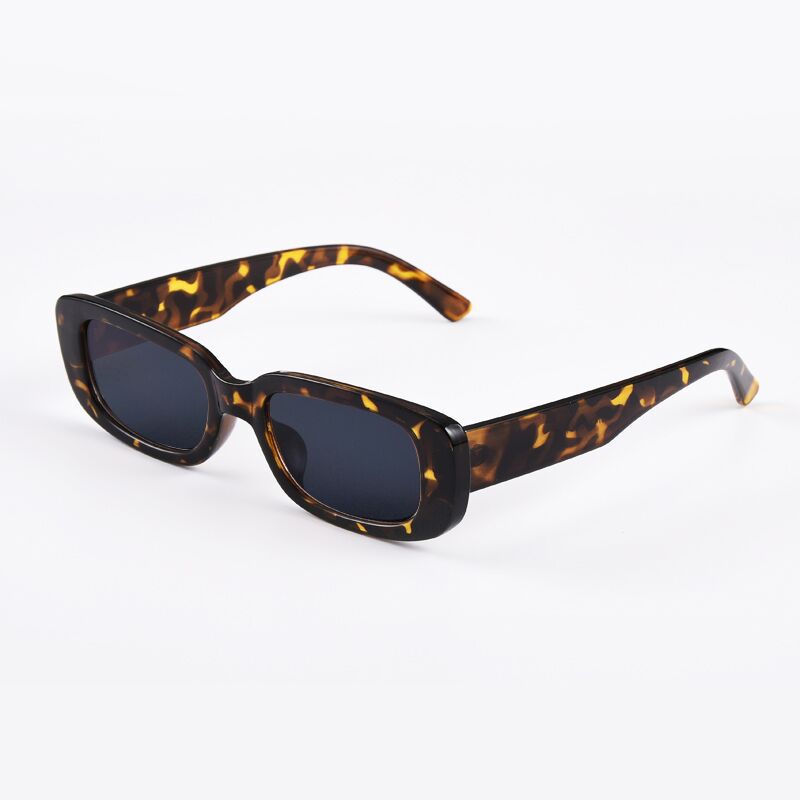
Choosing aviators for your brand can feel overwhelming. The wrong choice means unsold stock and unhappy customers. This guide breaks down everything to help you make a smart, profitable decision.
To choose the perfect aviator sunglasses for your brand, you must analyze style variations like the classic teardrop[^1] or navigator, understand frame and lens materials[^2] (metal, PC, polarized), and match these features to your target customer's face shape[^3] and lifestyle. This ensures a desirable, high-quality product.

Aviator sunglasses are more than just a classic; they're a massive business opportunity for brands like yours. I've been in the eyewear business for over a decade, and I've seen how this one style can consistently drive sales when done right. But "doing it right" means understanding the details that separate a best-seller from a bargain-bin failure. Let's dive into how this iconic style evolved and what that history means for your collection today.
How Did Aviator Sunglasses Evolve From Cockpit Essentials to Fashion Staples?
You see aviators everywhere, but do you know their rich history? Understanding their origin is key to marketing them effectively and connecting with your customers on a much deeper level.
Originally developed in the 1930s for U.S. military pilots, aviator sunglasses were designed for function, with large lenses to block sun from all angles. Their popularity exploded after WWII, becoming a symbol of heroism and cool, cementing their status as a timeless fashion icon.

The story of the aviator began out of necessity. Pilots in the 1930s needed eyewear that could protect them from intense sun glare at high altitudes without obscuring their vision. The classic teardrop[^1] shape was born, designed to cover the entire range of the human eye's movement. After World War II, these sunglasses became available to the public. They carried an aura of adventure and heroism, an image that was quickly amplified by Hollywood. Movie stars and rock stars adopted the style, transforming it from military equipment into a universal symbol of confidence. For brand owners, this history is a powerful selling tool. You are not just selling a pair of sunglasses; you are selling a piece of iconic history, a story of rebellion and cool that customers want to be a part of. This heritage gives the product an intrinsic value that goes beyond its materials.
What Are the Key Style Variations in Aviator Sunglasses?
Thinking all aviators look the same is a common mistake. This can seriously limit your product line's appeal. Offering only one basic style means you are missing out on many different customers.
Key variations include the classic teardrop[^1] and the more angular navigator style. Details like the double or triple bridge, mixed materials like metal and PC, and unique brow bar designs[^4] create distinct looks that appeal to a wide range of customer tastes and face shape[^3]s.
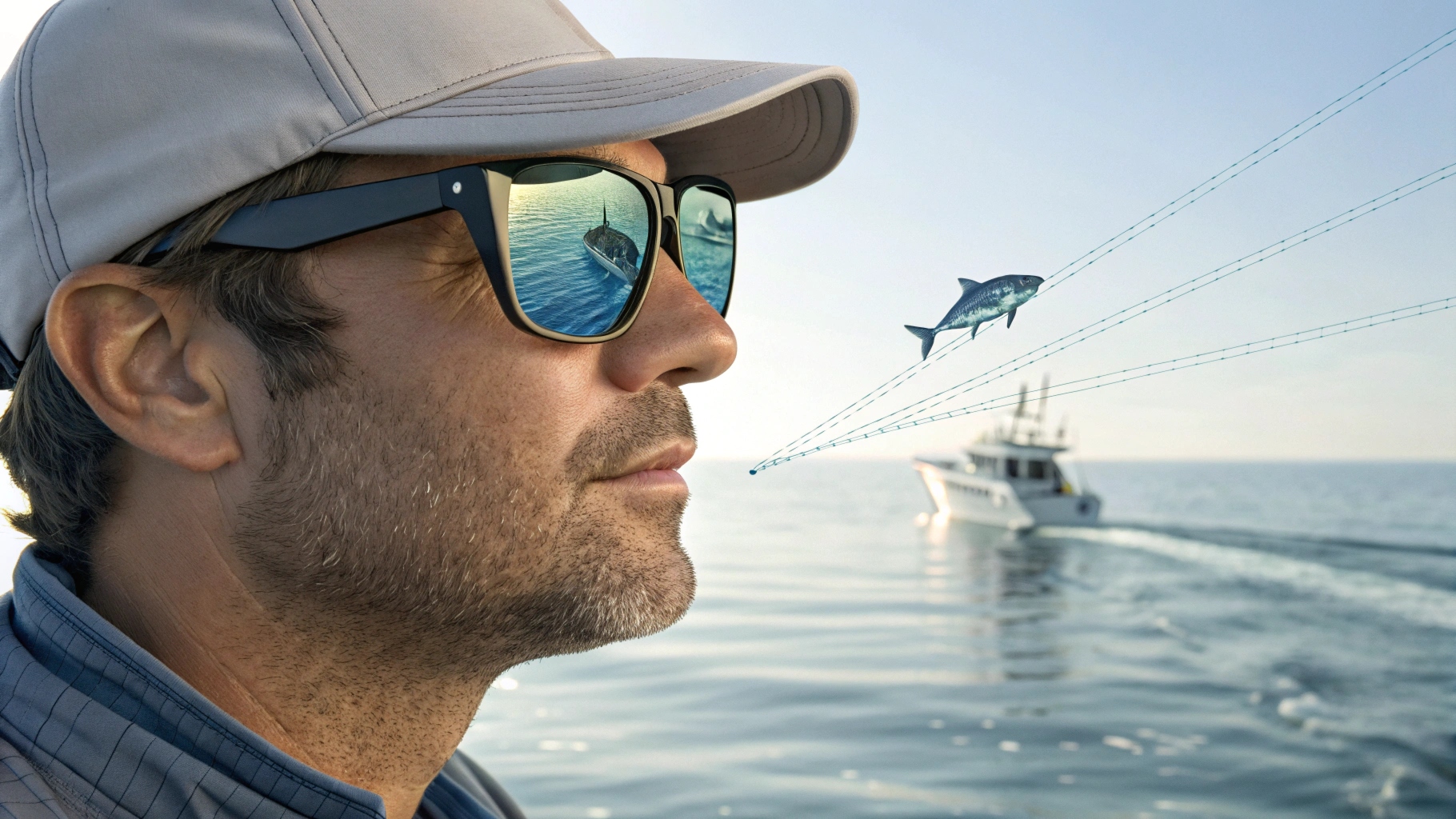
The classic aviator is a great starting point, but the real opportunity for your brand lies in the details. As a manufacturer, I've helped countless brands develop unique aviator collections by focusing on subtle but important variations. A simple change can create a completely new product. For example, combining a classic metal frame with colorful PC temple tips can appeal to a younger, more fashion-forward[^5] audience. The design of the bridge is another area for customization. While the double bridge is standard, a single bridge offers a more minimalist look, while a triple bridge, or "bullet hole," adds a vintage, masculine edge. Understanding these small differences allows you to build a diverse collection that caters to more people.
| Style Variation | Key Feature | Best For |
|---|---|---|
| Classic Teardrop | Large, convex teardrop lens | Angular or square faces |
| Navigator | Flatter, more rectangular lens | Round or oval faces |
| Hybrid Frame | Metal and plastic (PC) combination | Creating a modern, unique look |
| Brow Bar Accent | Contrasting material on top | Adding a fashion-forward[^5] detail |
How Do You Choose the Right Aviator for Different Customers?
Choosing the wrong fit or lens can kill a sale instantly. Customers will return sunglasses that don't look good or meet their needs, which hurts your profits and your brand's reputation.
Match the frame to the customer's face shape[^3]—angular frames for round faces, and classic teardrop[^1]s for square faces. For lenses, offer polarized for outdoor activities and fashion tints like ocean blue for style-conscious buyers. Men often prefer classic styles, while women may favor unique colors.

Helping your customers find the perfect pair is about guiding them through a few key choices. First is face shape[^3]. The general rule is to create contrast: angular frames[^6] like navigators balance the softness of a round face, while the curves of a classic teardrop[^1] soften the sharp lines of a square face. Next is lifestyle, which dictates the best lens choice. For a customer who loves fishing or spends a lot of time driving, polarized lenses are a must-have because they cut glare. I’ve noticed that most men tend to stick with the classic, timeless aviator look. However, we're seeing more and more women choose aviators, especially styles with gradient or "ocean color" lenses. These are perfect for the beach, travel, or just adding a stylish touch to an outfit. Offering this variety ensures you have the right product for every type of customer who walks through your door or visits your website.
What Materials Define the Quality and Cost of Aviator Sunglasses?
Material choices can seem very complex and technical. But choosing the wrong ones can lead to higher costs or lower quality, which directly impacts your bottom line and what your customers think.
Frame materials range from affordable PC (polycarbonate) and standard metal to premium titanium and acetate. For lenses, materials like resin and PC are cost-effective, while polarized, nylon, or CR-39 lenses offer superior clarity and features at a higher price point.

The price and performance of a pair of aviators come down to the materials. As a manufacturer, my job is to help you balance cost and quality to hit your target price, whether it’s under $2 or over $10. Let's look at the options.
Frame Materials
For frames, standard metal is the classic choice. For a more budget-friendly but durable option, PC (polycarbonate) is fantastic because it's lightweight and can be made in any color. For a premium line, you might consider acetate for its rich color possibilities or titanium for its incredible strength and light weight.
| Frame Material | Key Benefit | Target Market |
|---|---|---|
| Metal | Classic, durable | Mass market, traditionalists |
| PC | Cost-effective, colorful | Fashion, promotional |
| Acetate | Rich colors, premium feel | High-end fashion brands |
| Titanium | Ultra-light, strong | Luxury, performance |
Lens Materials
Lenses are just as important. Different materials offer different levels of clarity and durability, which affects the price. PC lenses are a great all-around choice, offering good clarity and high impact resistance. CR-39 lenses provide superior optical clarity, closer to glass. Nylon lenses are a top-tier option, offering flexibility and amazing clarity. You can also add features like polarization to cut glare or photochromic technology that allows lenses to darken in the sun.
Where Can You Source Custom Aviator Sunglasses Reliably?
Finding a trustworthy supplier for custom aviator sunglasses is a huge challenge. Inconsistent quality, bad communication, and high minimum order quantities[^7] (MOQs) can stop your business growth before it even starts.
For reliable sourcing, partner with an experienced OEM/ODM manufacturer like us. We offer complete private label services[^8], from logo engraving to custom packaging[^9], ensuring strict quality control[^10], FDA compliance, and competitive factory-direct pricing to support your brand.

I've spoken with hundreds of brand owners like Victoria in the U.S. and buyers like Lee in the U.K. Their biggest frustrations are almost always the same: suppliers who don't communicate, deliver inconsistent quality, or demand impossibly high MOQs. This is where a true manufacturing partner makes a difference. We built DL Glasses to solve these exact problems. We are not just a factory; we are an extension of your team. Need a custom logo engraved on the lens? We can do that. Need unique packaging that tells your brand story? We have you covered. Worried about quality? Our factory is ISO9001 certified and our products meet FDA and CE standards. We handle everything from developing a new mold based on your design to ensuring your bulk order is produced on time and passes rigorous quality checks. Our goal is to make the sourcing process simple, reliable, and profitable for you.
Conclusion
Choosing the right aviator is about knowing the styles, materials, and your customer. Partner with a reliable manufacturer to bring your vision to life and ensure your brand's long-term success.
[^1]: Learn about the classic teardrop style and why it's a timeless choice for many customers.
[^2]: Explore lens materials to understand how they affect clarity and durability in aviator sunglasses.
[^3]: Understand how to match sunglasses to face shapes for better customer satisfaction and sales.
[^4]: Explore how unique brow bar designs can set your aviator collection apart from competitors.
[^5]: Explore trendy aviator styles that appeal to a younger, fashion-conscious audience.
[^6]: Discover how angular frames can complement different face shapes and enhance your product line.
[^7]: Understand the impact of high MOQs on your business and how to navigate them.
[^8]: Learn about private label services and how they can help you create a unique brand identity.
[^9]: Discover how custom packaging can enhance your brand's image and customer experience.
[^10]: Understand the importance of quality control in ensuring customer satisfaction and brand reputation.
Share:


Post time: Jan-14-2026