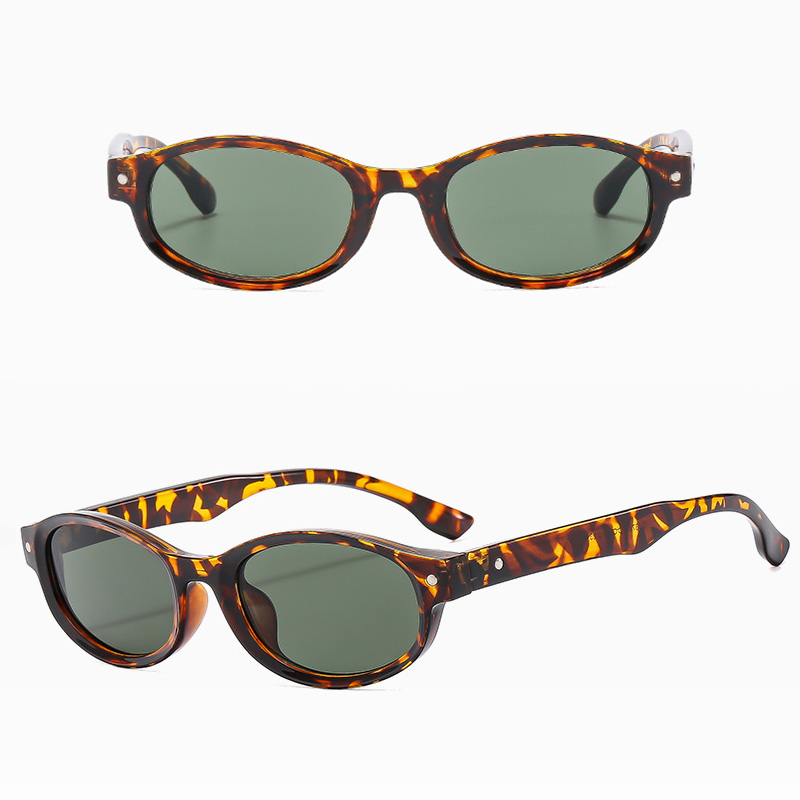
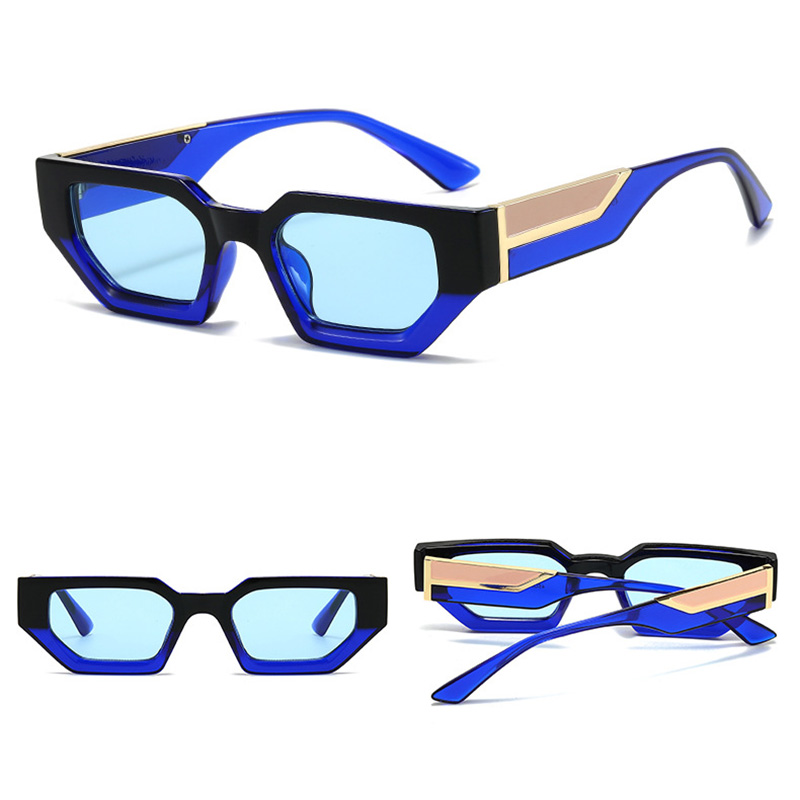
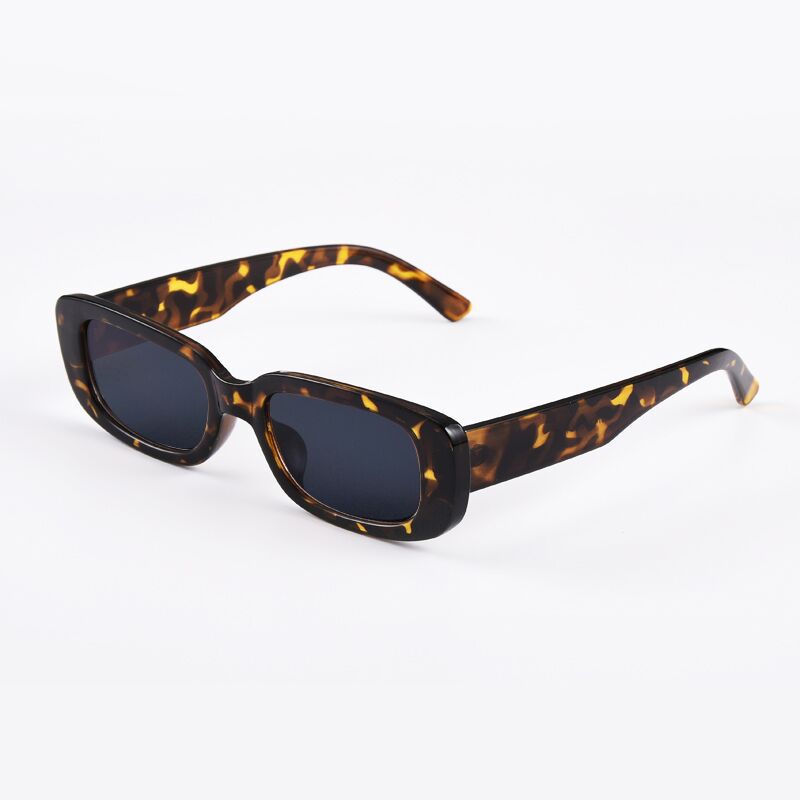
Struggling to see clearly on your rides? The wrong lens color[^1] can ruin your vision, making cycling uncomfortable and even unsafe. Don't let glare or low light compromise your performance.
To choose the right lens color[^1] for cycling, you must match the tint to your typical weather and light conditions[^2]. Gray lenses excel in bright sun, yellow lenses[^3] are best for low light, and brown or rose tints enhance contrast on trails or in variable weather.
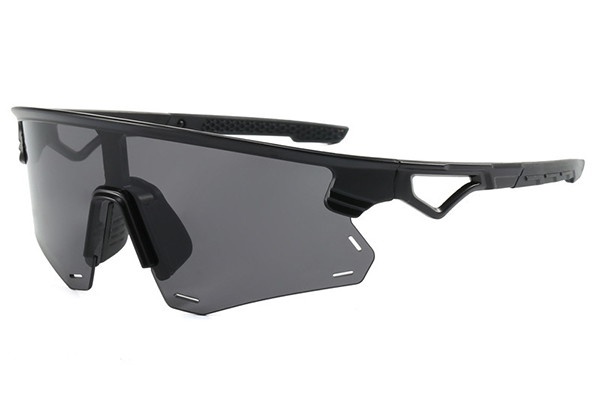
As someone who wears prescription glasses, I used to dread sunny days. I couldn't wear sunglasses, and the constant glare was a nightmare. My solution was to wear a pair of large, yellow-lensed sunglasses over my regular glasses. The change was incredible. Not only did it block the harsh sun and protect my eyes from wind and dust, but it also made the world look softer and clearer. It made me realize just how critical the right lens is. Now, let’s find the perfect lens for you so you can ride with that same comfort and confidence.
How Do Weather and Light Conditions Determine Your Ideal Lens Tint?
Ever get caught in changing weather with the wrong sunglasses? It's frustrating when your vision is compromised, whether by blinding glare or dark shadows. This can be a real safety issue[^4].
Match your lens tint[^5] to the light. Bright, sunny days call for dark tints[^6] like gray or green to reduce glare. Overcast or foggy conditions need contrast-enhancing colors like yellow or orange. For mixed conditions, consider photochromic or brown lenses[^7].
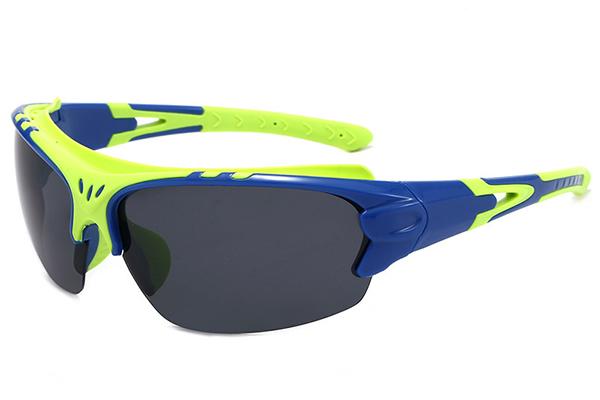
The most important factor in choosing a lens color[^1] is something called Visible Light Transmission, or VLT. VLT is the percentage of light that a lens allows to pass through to your eye. A lower VLT percentage means a darker lens, which is better for bright conditions. A higher VLT percentage means a lighter lens, which is ideal for low-light situations. Understanding this helps you pick the right tool for the job. For example, a ride on an open road under a blazing sun requires a very different lens from a ride through a dense forest on a cloudy day. You need to think about where and when you ride most often to make the best choice.
Matching VLT and Tints to Your Ride
| Light Condition | VLT Range | Recommended Lens Color |
|---|---|---|
| Bright, Direct Sun | 8-18% | Gray, Green, Mirrored |
| Mixed Sun and Clouds | 18-43% | Brown, Rose, Amber |
| Overcast or Foggy | 43-80% | Yellow, Orange, Light Rose |
| Low Light (Dawn/Dusk) | 80-100% | Clear, Light Yellow |
What Are the Benefits of Different Lens Colors Like Yellow, Gray, and Brown?
Staring at a wall of different colored lenses can be confusing. Do the colors actually matter? Choosing randomly might leave you with lenses that distort color or don't provide enough protection.
Each lens color[^1] serves a specific purpose. Gray lenses offer true color perception in bright sun. Brown and rose lenses enhance contrast and depth. Yellow and orange lenses are excellent for increasing clarity in low-light, foggy, or overcast conditions.
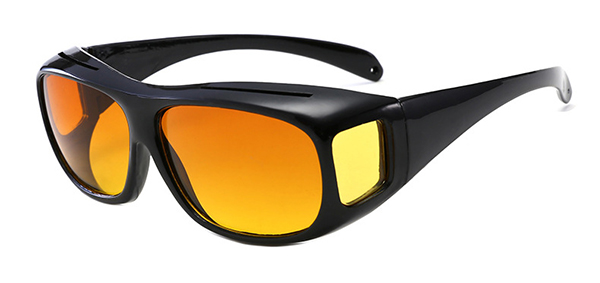
Different colors filter light in different ways, which directly impacts what you see. It's not just about style; it's about performance and safety. A gray lens is like a neutral filter; it darkens your view without changing how you perceive colors, which is great for road cycling on sunny days. A brown or rose lens, on the other hand, boosts reds and yellows. This makes it easier to spot textures and changes in terrain, a huge advantage for mountain bikers who need to see roots and rocks in the trail. Yellow lenses work by filtering out blue light, which is the part of the light spectrum that causes haze. This makes your vision sharper and clearer in foggy or low-light conditions.
Lens Color Performance Guide
| Lens Color | Best For | Key Benefits |
|---|---|---|
| Gray / Smoke | Bright, sunny days | Reduces brightness, provides true color perception. |
| Brown / Amber | Variable sun and clouds | Enhances contrast and depth perception, good for trails. |
| Rose / Red | Mixed or low light | Significantly boosts contrast, helps eyes adjust to shadows. |
| Yellow / Orange | Overcast, fog, dawn/dusk | Filters blue light to increase sharpness and clarity. |
| Clear | Night, heavy rain | Provides protection from wind and debris without tint. |
What Are the Best Lens Tints for Low Light and Bright Sun?
Do you need multiple pairs of glasses for different times of the day? It seems complicated and expensive. But you might be sacrificing safety by using the same dark lenses for an evening ride.
For bright sun, use dark lenses like gray, green, or mirrored ones to block intense light and reduce eye fatigue. For low light, such as dawn or dusk, choose yellow, orange, or clear lenses to maximize light and boost contrast.
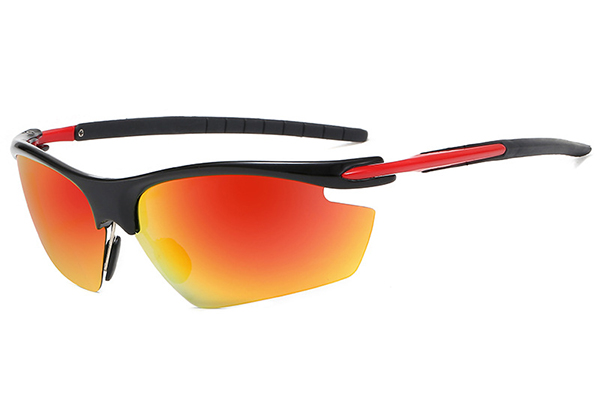
Handling the extremes of light is crucial for any serious cyclist. For those bright, sun-drenched days, your main goal is to reduce the intensity of the light to prevent squinting and eye strain. This is where dark tints[^6] and special coatings shine. A mirrored coating on the outside of the lens reflects a significant amount of light before it even reaches the lens, making it an excellent choice for the brightest conditions. In contrast, riding in low light presents the opposite challenge. You need to let as much light in as possible while also making your surroundings clearer. Yellow and orange lenses are the champions here. They make details "pop" by cutting through haze, which helps you spot potholes or obstacles on the road during a dawn or dusk ride when visibility is poor.
How Can You Match Lens Technology to Your Riding Style?
Are all sunglasses basically the same? It's easy to think lens technology[^8] is just marketing hype. But road cyclists and mountain bikers face very different visual challenges on their rides.
Match technology to your terrain. Road cyclists benefit from polarized lenses[^9] to cut road glare. Mountain bikers need high-contrast, impact-resistant lenses (like rose or brown) to spot trail details. Commuters might prefer photochromic lenses[^10] that adapt to changing light.
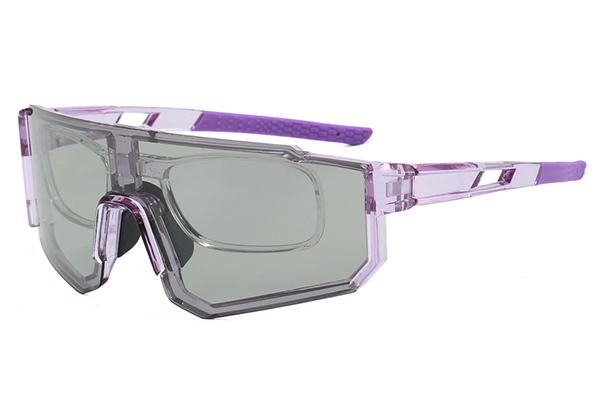
Beyond color, modern lens technologies can give you a serious advantage. The right technology depends entirely on where you ride. A road cyclist deals with constant glare from the pavement, car windshields, and other flat surfaces. Polarized lenses are designed specifically to eliminate this type of glare, providing a crisper, more comfortable view. A mountain biker, however, rides in and out of shadows and needs to see subtle changes in the trail surface. For them, a high-contrast, non-polarized lens is often better, as polarization can sometimes hide slippery patches of ice or wet rock. And for someone who rides in a variety of conditions, like a daily commuter, photochromic lenses[^10] that automatically lighten or darken in response to UV light are a fantastic all-in-one solution.
Lens Technology for Different Cyclists
| Riding Style | Common Challenges | Recommended Technology |
|---|---|---|
| Road Cycling | Intense road glare, long sun exposure | Polarized, Mirrored, Dark Tints (Gray) |
| Mountain Biking | Rapid changes in light, trail obstacles | High-Contrast (Rose/Brown), Impact-Resistant |
| Commuting | Variable light, all-weather conditions | Photochromic (Transitions), All-Around Tints |
What's a Quick Way to Select Lenses for My Cycling Scenario?
Feeling overwhelmed with all the technical details? You just want a simple answer right now. You shouldn't have to read a textbook every time you need to buy new cycling glasses[^11].
For a quick choice: Sunny road ride? Gray polarized. Shady mountain trail? Brown or rose. Overcast or evening commute? Yellow or orange. All-around, variable conditions? A photochromic lens is your best bet.
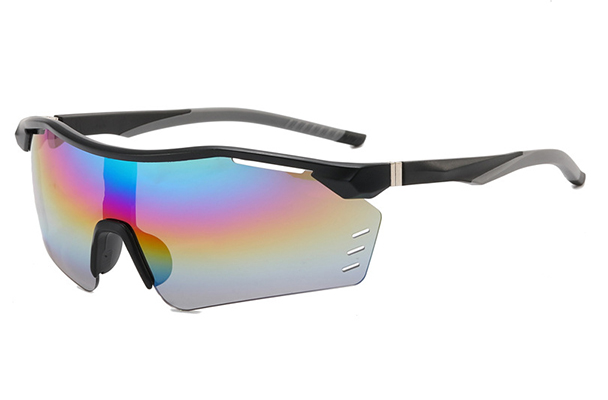
Let's cut through the noise and get straight to the point. Most cyclists fall into one of a few common categories. By identifying your primary riding scenario, you can easily narrow down your choices to the perfect lens. We've created this simple guide to help you make a fast, confident decision without getting lost in the details. Think about the last ten rides you went on. What were the conditions like? This will tell you what you need most of the time. You can always expand your collection with specialty lenses later, but this guide will get you started with the one pair that will serve you best right now.
Your Go-To Lens Guide
-
If you are the Sunny Weekend Road Warrior: You ride mostly on open roads in bright, sunny weather. Glare is your biggest enemy.
- Your Best Choice: A dark gray or green polarized lens. It will cut glare and reduce eye strain[^12] without distorting colors.
-
If you are the Forest-Dwelling Mountain Biker: You spend your time on trails, moving in and out of tree cover.
- Your Best Choice: A brown or rose lens. It will boost contrast, helping you see roots, rocks, and changes in the trail texture.
-
If you are the Dawn and Dusk Commuter: Your rides are often in the early morning or evening when the light is low.
- Your Best Choice: A yellow or orange lens. It will brighten your view and increase sharpness in low-light conditions[^2].
-
If you are the All-Weather, All-Conditions Rider: You ride everywhere, anytime, and need a lens that can keep up.
- Your Best Choice: A photochromic lens. It adapts automatically, so you have the right tint whether you're in bright sun or deep shade.
Conclusion
Choosing the right lens color[^1] is about safety and performance, not just style. Match your lens to your light conditions[^2] for a better, clearer, and more enjoyable ride every time.
[^1]: Understanding lens colors can significantly enhance your cycling experience by improving visibility and comfort.
[^2]: Explore how different light conditions dictate the best lens choices for safety and performance.
[^3]: Explore the advantages of yellow lenses in low-light conditions and how they improve clarity.
[^4]: Understand the risks of poor visibility and how to choose the right lenses for safety.
[^5]: Discover how different lens tints can enhance your cycling experience based on weather conditions.
[^6]: Find out the best scenarios for using dark tints to protect your eyes from bright sunlight.
[^7]: Find out how brown lenses enhance contrast and depth perception, crucial for trail riding.
[^8]: Understand how lens technology can enhance your cycling experience based on your riding style.
[^9]: Understand how polarized lenses reduce glare and improve visibility on the road.
[^10]: Learn about the versatility of photochromic lenses that adapt to changing light conditions.
[^11]: Get insights on essential features to consider when selecting cycling glasses for optimal performance.
[^12]: Discover tips and lens options to minimize eye strain during long rides.
Share:


Post time: Jan-21-2026