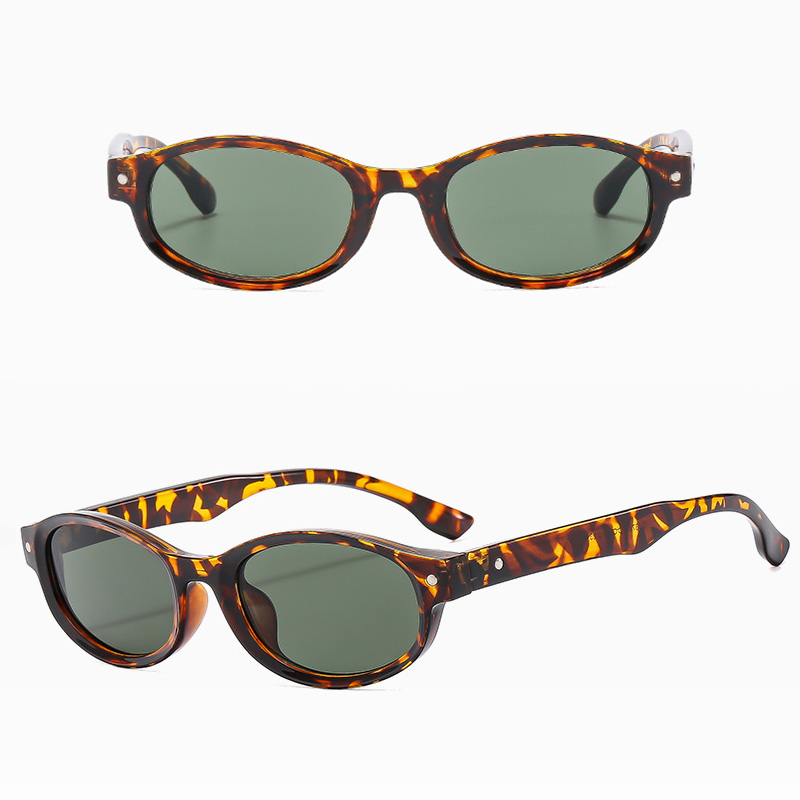
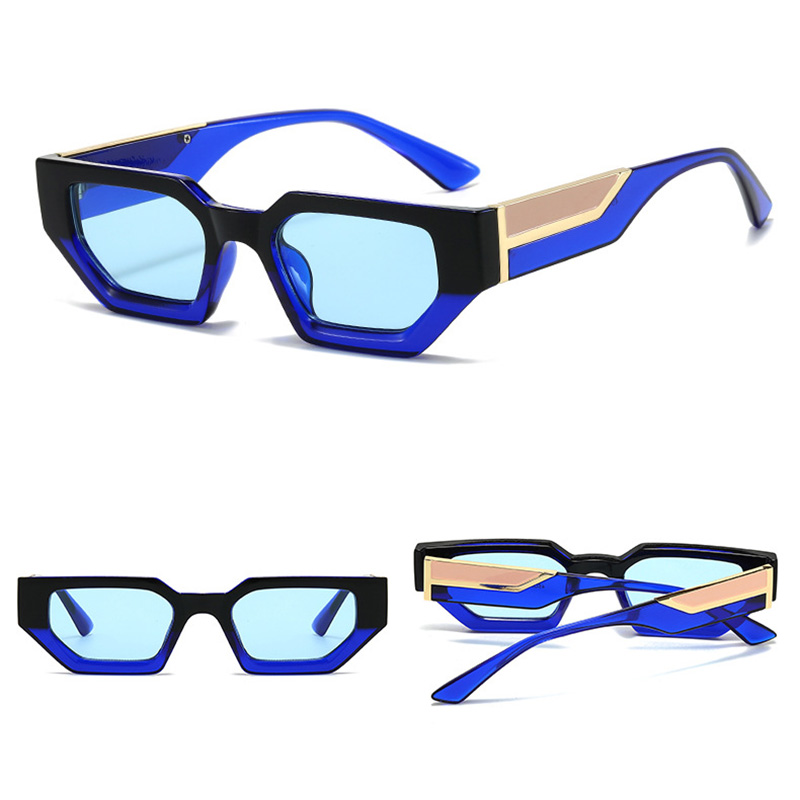
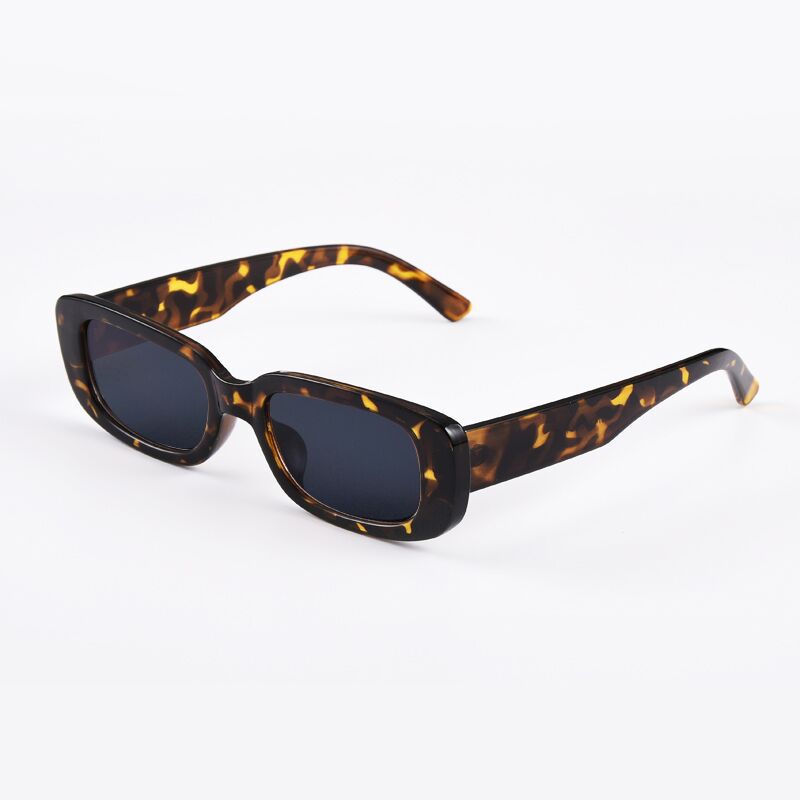
Struggling to pick the right sunglasses for your brand? The wrong shapes lead to unsold stock. This guide helps you choose frames that will fly off the shelves.
To choose the right sunglasses shapes[^1], you must balance timeless classics with current trends, understand how frames complement[^2] different face shapes, and partner with a reliable manufacturer[^3] who can bring your vision to life with precision and quality.
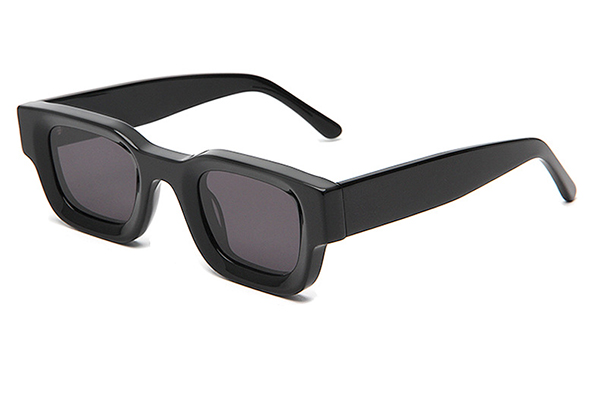
When I first started in the eyewear industry almost 20 years ago, I thought sunglasses were simple. They were just square, round, big, or small. But now, I see new, innovative styles every single day, and it still excites me. It's amazing to watch a designer's idea go from a drawing on paper to a real product in our factory. This journey from simple shapes to endless possibilities is what I want to share with you. Let’s explore this world of shapes together.
What Are the Core Sunglasses Shapes and Their Styling Contexts?
Does your catalog feel limited to just the basic shapes? You might see competitors with a more diverse range and worry you're falling behind. Let's expand your options.
The core sunglasses shapes[^1] include Aviator[^4], Wayfarer[^5], Cat-Eye[^6], Round[^7], and Square. Each style has a unique history and fits different contexts, from classic and professional to bold and trendy. Understanding these helps you build a versatile and appealing collection for your customers.
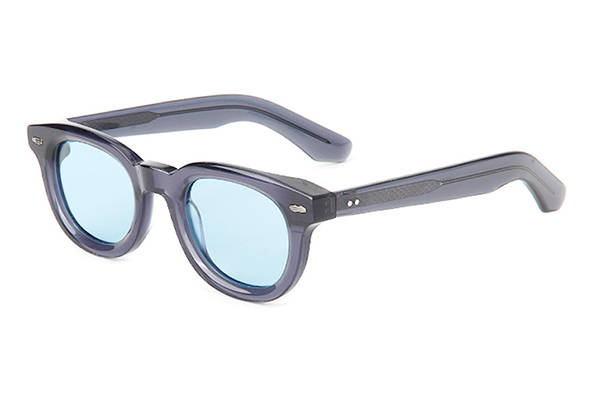
I remember thinking glasses were just square or round. Now, my perspective has completely changed. Our factory produces shapes I couldn't have imagined back then—half-ovals, frames that are round on the inside and square on the outside, and complex geometric designs. The creativity of designers is truly mind-blowing. It's our job, as a manufacturer, to keep up. We've invested in technology and training to make sure we can turn any design, no matter how complex, into a high-quality product. This evolution from simple to intricate is what keeps the industry exciting. For your brand, this means you don't have to be limited. You can offer a wide range of styles to capture different customer tastes.
| Frame Shape | Origins & Style Context | Ideal Customer Profile |
|---|---|---|
| Aviator | Developed for pilots in the 1930s. Represents a cool, classic, and adventurous style. | Someone who appreciates timeless fashion and a rugged, confident look. |
| Wayfarer | Popularized in the 1950s and 60s. A versatile, bold shape that works for casual and edgy styles. | A trend-aware individual who values both classic and modern aesthetics. |
| Cat-Eye[^6] | A feminine, retro shape from the 1950s. Suggests glamour, confidence, and a touch of playfulness. | A fashion-forward person who loves vintage-inspired, elegant, and chic accessories. |
| Round[^7] | Associated with artists and intellectuals from the 60s and 70s. Gives off a creative, bohemian, or minimalist vibe. | A creative, free-spirited individual or someone aiming for a sophisticated, intellectual look. |
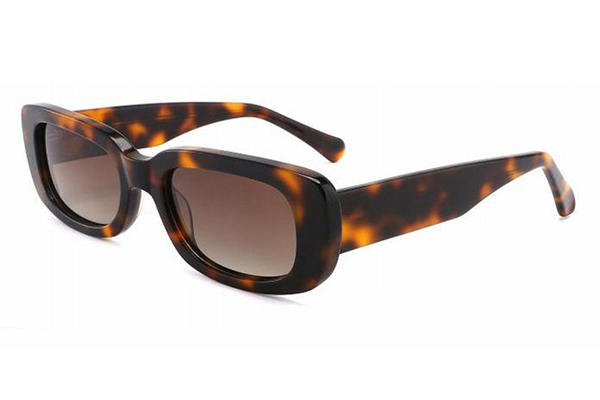
| Square/Rectangular[^8] | A modern, strong shape. Offers a bold, structured look that can be professional or high-fashion. | A confident person who prefers clean lines and a powerful, statement-making accessory. |
How Can You Systematically Match Frame Shapes to Face Types?
Your customers seem unsure which frames will look good on them. This hesitation can lead to abandoned carts and lost sales. A simple method for matching frames[^9] can fix this.
The key to matching frames[^9] is creating contrast. Pair angular frames like squares or Wayfarer[^5]s with rounder faces. Use rounded frames like aviators or circles for more angular faces. Oval faces are lucky because most styles work well for them.
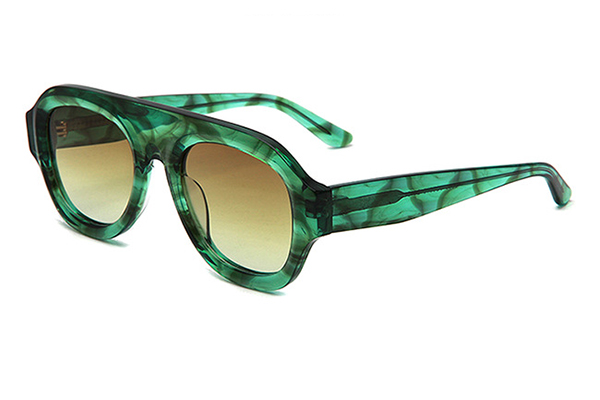
While the rule of contrast is a great starting point, helping your customers find the perfect pair goes deeper. It's about making them feel confident. We've seen that when a brand provides clear guidance, their sales increase. The goal is to balance facial features. For example, a square face with a strong jawline is softened by round or oval frames. A round face gets more definition from rectangular or cat-eye frames. This isn't about hiding features, but about creating harmony. As a brand owner, you can create simple guides or product descriptions that include this advice. It shows you care about the customer's experience beyond just the sale. From my experience, providing this extra bit of help builds trust and turns one-time buyers into loyal fans of your brand.
| Face Shape | Characteristics | Recommended Frames | Frames to Consider Avoiding |
|---|---|---|---|
| Oval | Balanced proportions, chin is slightly narrower than the forehead. | Most frame shapes work well. Wayfarer[^5], Aviator[^4], Square, Cat-Eye[^6]. | Frames that are too oversized and cover up the face's natural balance. |
| Round[^7] | Soft, curved lines with similar width and length. No strong angles. | Angular and geometric frames. Square, Rectangular, Wayfarer[^5], Cat-Eye[^6]. | Round[^7] or small frames that can make the face appear rounder. |
| Square | Strong jawline, broad forehead, and angular features. | Round[^7] and oval frames to soften features. Aviator[^4], Round[^7], Butterfly. | Boxy or angular frames that can exaggerate the face's angles. |
| Heart | Forehead is wider than the jawline, with a pointed chin. | Frames that are wider at the bottom. Aviator[^4], Round[^7], small Wayfarer[^5]s. | Top-heavy frames or styles with a lot of decoration on the top half. |
| Diamond | Narrow forehead and jawline with prominent cheekbones. | Frames that highlight the eyes and soften cheekbones. Cat-Eye[^6], Oval, Rimless. | Narrow frames that are smaller than the width of the cheekbones. |
What Are the Hottest Sunglasses Shapes and Trends for the Coming Season?
Fashion trends move incredibly fast. If you stock last season's styles, you risk being left with dead inventory and a brand that looks outdated. You need to know what's next.
For the upcoming season, key trends include sharp geometric and angular frames, oversized 70s-inspired styles, and sustainable materials[^10]. Bold, vibrant colors and minimalist metal frames are also very popular. Staying on top of these trends keeps your collection fresh and desirable.
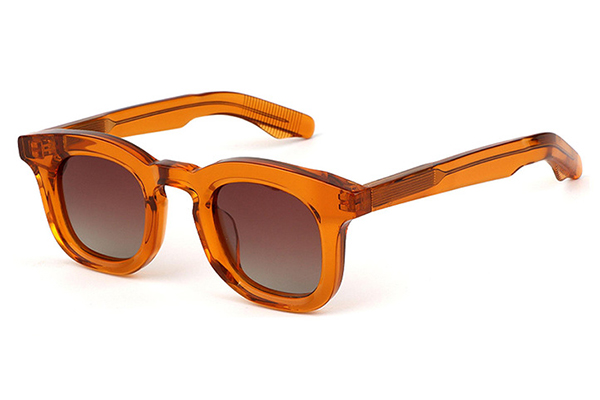
Every day, I see new designs that genuinely excite me. The designers' ideas are amazing, and it's a fantastic challenge for our factory to bring them to life. Right now, we're seeing a huge demand for what I call "new retro." Think of classic 70s oversized square frames, but updated with modern, lightweight materials and unique lens colors. Another big trend is extreme geometry—sharp hexagons, narrow rectangles, and asymmetrical shapes that really make a statement. We're also getting more requests for eco-friendly materials, like recycled plastics and bio-acetates, which is great to see. For a brand owner, tapping into these trends shows that you are current and innovative. My advice is to not be afraid to experiment with a few bold, trend-led pieces in your collection. They create buzz and attract fashion-forward customers.
How Do You Build a Smart Sunglasses Inventory for Your Business?
Choosing what to stock in your inventory feels like a big gamble. If you overstock a niche style or understock a bestseller, your bottom line will suffer. A strategic approach is the answer.
A smart inventory strategy is to follow a 60/30/10 rule[^11]. 60% should be your core bestsellers (like Aviator[^4]s or Wayfarer[^5]s), 30% should be current, popular trends, and 10% can be for experimental or niche styles. This balances risk with excitement.
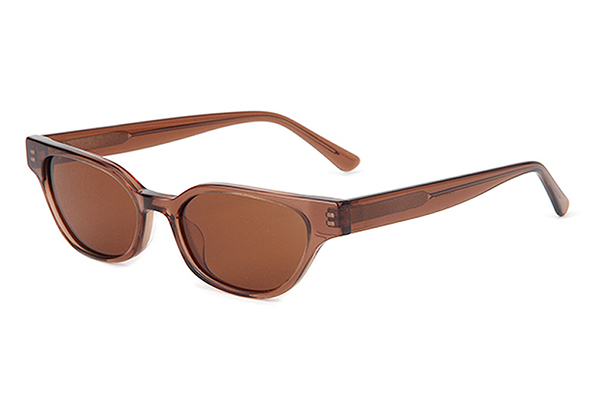
This 60/30/10 rule[^11] is something I've recommended to clients for years. The "60%" core is your foundation. These are the timeless, safe-bet styles that consistently sell for your specific brand. For a fashion brand like Victoria's, this might be classic cat-eyes. For a large retailer like Lee's BOOHOO, it might be black Wayfarer[^5]s. The "30%" is where you capitalize on the trends we just discussed. These are the styles that get people excited and show your brand is current. The final "10%" is your playground. This is where you test a wild new shape or a bold color. The best part? When you work with a flexible manufacturer like us, your "10%" doesn't have to be a huge risk. We can often accommodate smaller minimum order quantities (MOQs) for these experimental styles[^12]. This allows you to test the market without committing to thousands of units. It's a safer way to innovate and discover your next bestseller.
What Tools Can Help You Visualize and Plan Your Next Sunglasses Collection?
It is hard to visualize an entire collection just by looking at a spreadsheet. This can lead to a final product line that feels disjointed and doesn't tell a cohesive story.
Use visual tools[^13] like mood boards[^14], virtual try-on apps, and detailed manufacturer catalogs to plan your collection. Creating a visual plan helps ensure that your chosen shapes, colors, and materials work together to create a strong brand story.
I absolutely love it when a client sends me a detailed mood board. It helps me understand their vision completely. You can use tools like Pinterest or Canva to create one. Collect images, colors, textures, and words that represent the feeling of your collection. This visual guide is incredibly powerful. It ensures that both you and your manufacturing partner are on the same page. It also helps you see how different frame shapes will sit together in your collection. Will they look like a family of products? Do they tell the story of your brand? As a manufacturer, a good mood board helps my team select the right materials, perfect the colors, and truly capture the essence of your design. It transforms the process from just making a product to bringing a creative vision to life. It’s my favorite part of the job.
Conclusion
Choosing the right shapes is a mix of art and science. By understanding the classics, spotting trends, and working with a capable partner, you can build a brand that truly stands out.
---

[^1]: Explore this link to discover various sunglasses shapes and how they can enhance your brand's collection.
[^2]: Find out how to choose frames that enhance facial features, improving customer satisfaction and sales.
[^3]: Discover tips for selecting a trustworthy manufacturer to ensure quality and precision in your products.
[^4]: Explore the iconic Aviator style and its evolution in fashion, perfect for your brand's storytelling.
[^5]: Learn about the enduring appeal of Wayfarer sunglasses and how they can fit into your collection.
[^6]: Discover the charm of Cat-Eye sunglasses and how they can attract fashion-forward customers.
[^7]: Explore various round sunglasses styles that can appeal to creative and bohemian customers.
[^8]: Learn about the bold look of square sunglasses and how they can make a statement for your brand.
[^9]: Find effective methods for matching frames to face shapes, enhancing customer confidence in their choices.
[^10]: Explore the advantages of sustainable materials in sunglasses, appealing to eco-conscious consumers.
[^11]: Understand the 60/30/10 rule to optimize your sunglasses inventory and balance risk with excitement.
[^12]: Learn how to safely test experimental styles in your inventory without significant risk.
[^13]: Discover visual tools that can aid in creating a cohesive and appealing sunglasses collection.
[^14]: Learn how to create mood boards that effectively communicate your design vision to manufacturers.Share:


Post time: Jan-29-2026