Worried about long production delays for your custom sunglasses? Unclear timelines can hurt your business launch and cause you to miss key sales seasons.
Sunglass production timelines vary greatly. They depend on material, complexity, and customization. A standard order can take 30-60 days. The most critical factor, however, is how quickly you confirm the design details. Clear and fast decisions are key to a speedy delivery.
Understanding the timeline is crucial for planning your inventory and marketing. But it's not just about the factory's speed. Many factors come into play. Let's break down the process so you can manage your next order with confidence and avoid costly delays.
How Do Global Supply Chain Advantages[^1] Accelerate Production?
Sourcing from overseas feels risky. You worry that distance will lead to massive delays and communication problems, putting your entire inventory plan in jeopardy.
Manufacturing hubs like ours in China offer a huge speed advantage. We have direct access to raw material suppliers, skilled labor, and logistics networks. This proximity shortens the time needed to start production and ship your final order, often making it faster than domestic options.
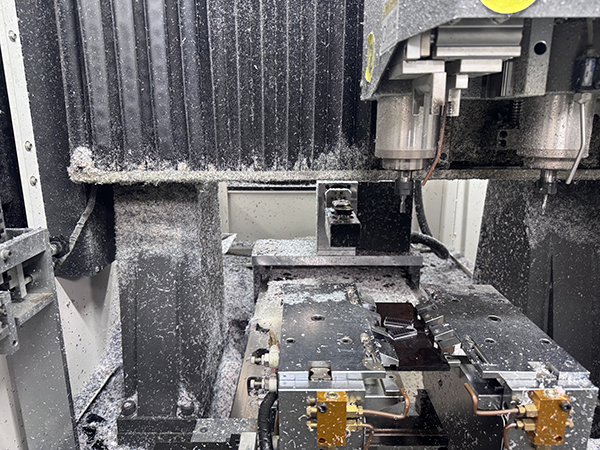
People often think sourcing locally is faster. Sometimes it is, but for specialized products like sunglasses, it's a different story. We are located in a major eyewear manufacturing hub. This means everything we need is right here.
Why a Manufacturing Hub is Faster
Our location gives us several key advantages. First, we have immediate access to a wide range of materials. We don't have to wait weeks for a special type of plastic or a specific metal component to be shipped to us. Our suppliers are often just down the road. Second, there's a deep pool of skilled labor. Our team knows how to operate the machinery and perform the detailed hand-finishing that quality eyewear requires. This expertise prevents errors and speeds up the entire process.
The Logistics Ecosystem
Finally, a mature logistics network is already in place. We work with shipping agents and freight forwarders every single day. This established ecosystem means booking, customs clearance, and transport are streamlined and efficient.
| Advantage | Impact on Production Time |
|---|---|
| Material Proximity[^2] | Reduces waiting time for raw materials by days or weeks. |
| Skilled Labor Pool[^3] | Minimizes errors and rework, ensuring a smooth production flow. |
| Logistics Network[^4] | Streamlines shipping and customs, getting products out faster. |
So, being in a global hub doesn't add time; it actually compresses the schedule by making every step more efficient.
What Are the Typical Lead Times for Standard OEM and ODM Orders?
You need to order sunglasses in bulk but have no idea how long it will take. This uncertainty makes it impossible to plan your launch or promotions.
For standard OEM/ODM orders, expect a lead time of 30-60 days after all details are confirmed. The material is a major factor. Injection-molded plastic frames are fastest, while handcrafted acetate frames take longer. Stock items with a custom logo can be ready in about 7 days.
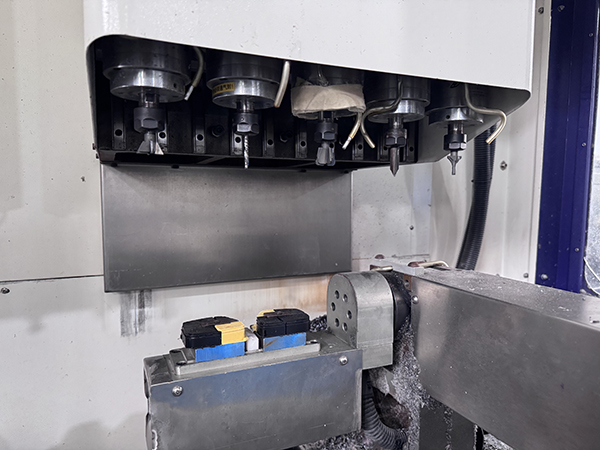
The type of sunglasses you order has a direct impact on the production timeline. It all comes down to the manufacturing process for different materials. As a manufacturer, we see this every day.
Material and Production Speed
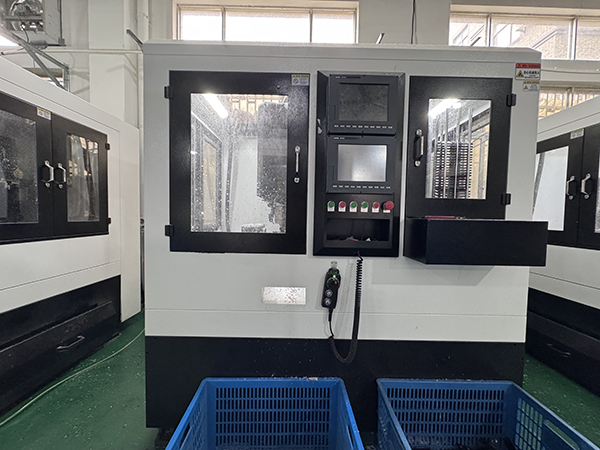
Let's look at the most common materials. Plastic frames[^5], like those made from TR90, are produced using injection molding. A machine can produce thousands of these frames in a single day. It's a highly automated and fast process. Metal frames are also relatively quick to produce, though they involve more steps like cutting, shaping, and soldering. Acetate, however, is a different beast. It's considered a premium, handcrafted material. Frames are cut from large sheets of acetate, then tumbled and polished by hand. One machine might only produce a few hundred pairs a day. This artisanal process results in a beautiful product but takes significantly more time.
Comparing Material Timelines
This difference is crucial for your planning.
| Frame Material | Production Method | Daily Output (Approx.) | Relative Speed |
|---|---|---|---|
| Plastic (TR90) | Injection Molding | Thousands | Very Fast |
| Metal | Stamping & Assembly | Hundreds to a Thousand | Fast |
| Acetate | CNC Cutting & Hand Polishing | A few hundred | Slower |
If you need a quick turnaround for a promotional event, choosing a plastic frame from our existing molds is your best bet. If you are building a premium brand, the extra time for acetate is worth it.
How Does the Customization Journey Affect Your Timeline?
You want unique, custom sunglasses for your brand. But you're afraid the back-and-forth on design, samples, and molds will create endless, frustrating delays.
The customization process is where most delays happen, but you control the speed. The timeline depends entirely on how quickly you provide clear confirmations for the style, color (with Pantone codes), and logo design. Fast, decisive approvals are the secret to a quick customization journey.
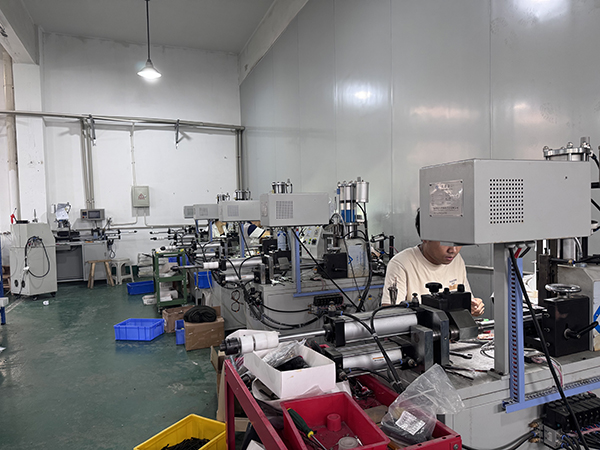
I want to share the single biggest secret to getting your custom glasses fast. It isn’t our machines or our workers. It’s you. The speed of production is almost entirely determined by the speed of client confirmation. We can have the fastest factory in the world, but if we are waiting for an email, everything stops. I once had a client who was very indecisive, and a 45-day project stretched to almost 90 days, simply from waiting on decisions.
The Critical Confirmation Flow
Production is a step-by-step process. We cannot move to the next stage until the previous one is locked in.
- Style Confirmation[^6]: You must approve the final frame design and dimensions. We can't make a mold or cut materials without this.
- Color Confirmation[^7]: We need exact Pantone color codes for the frame and lenses. "Dark blue" is not enough. We need to know which dark blue.
- Logo Confirmation[^8]: You need to approve the logo's size, placement, and application method (e.g., printing, engraving).
Each of these is a gate. Production can only pass through once you open it with a clear "yes, this is confirmed." Any changes after confirmation mean we have to go back, which causes major delays and can add costs. The faster you confirm these details, the faster we can deliver your sunglasses.
Artisanal vs. Automated: Which Production Method is Right for You?
Choosing between handcrafted quality and automated speed is tough. You want the premium feel of artisanal work but need the fast turnaround of high-volume production.
Choose automated production for speed and volume, ideal for plastic frames and promotional items. A single machine makes thousands daily. Choose artisanal techniques for premium, handcrafted acetate frames. The slower, more detailed process yields a higher-quality finish but lower daily output (a few hundred).
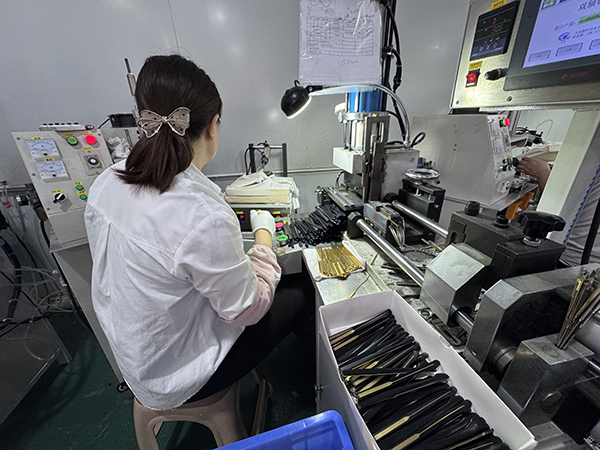
Let's dive deeper into the difference between automated and artisanal methods. Understanding this helps you align your product with your brand identity and business goals.
The Power of Automation
Automated production, primarily used for plastic and TR90 sunglasses, is all about efficiency and consistency. We use high-precision injection molding machines. Hot liquid plastic is forced into a mold, it cools, and a nearly finished frame pops out. A single machine can run 24/7, stamping out thousands of identical frames. This method is perfect for large orders, tight deadlines, and price-sensitive products. The quality is consistent, and the cost per unit is low. This is the turnkey system for getting high-volume orders done fast.
The Art of Handcrafting
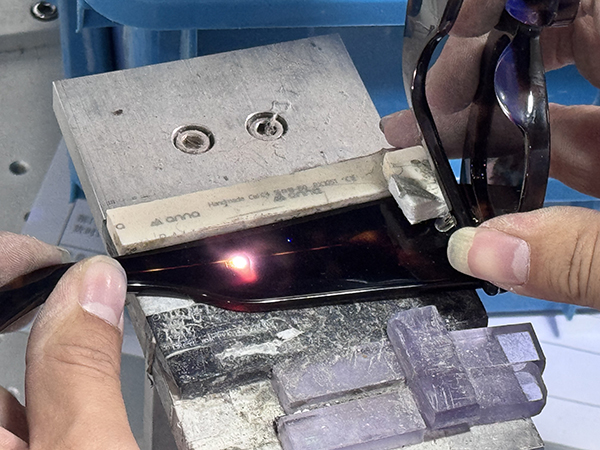
Artisanal techniques, used for acetate, are about craftsmanship and character. We start with a solid sheet of plant-based acetate. A machine cuts the basic shape, but from there, a lot of handwork is involved. The frames are tumbled in barrels of wood chips for days to smooth the edges. Then, our skilled workers hand-polish each frame to bring out the material's rich colors and deep gloss. This process is much slower and more labor-intensive, which is why the output is lower and the cost is higher. It creates a product with a premium feel and unique variations that you can't get from a mold.
| Feature | Automated (Plastic) | Artisanal (Acetate) |
|---|---|---|
| Speed | Very High | Low |
| Volume | High | Low |
| Cost per Unit | Low | High |
| Best For | Promotions, large retail orders | Premium brands, boutique collections |
| Feel | Lightweight, consistent | Substantial, unique, high-end |
Your choice depends on your brand's position. Do you compete on price and volume, or on quality and exclusivity?
How Do You Plan for Delivery with Production Schedules and Logistics?
Your production is finally done, but now you face another hurdle: shipping. Unexpected freight delays and customs issues can erase all the time you saved.
A confirmed production schedule is key to smooth logistics. Once we have your final approvals, we can give you a firm completion date. This allows you to book freight in advance, avoiding delays and higher last-minute shipping costs. Clear planning integrates production with delivery seamlessly.
Getting your sunglasses made is only half the battle. The other half is getting them to your warehouse. This is where production planning directly connects to logistics. A delay in one creates a delay in the other.
The Ripple Effect of Indecision[^9]
Remember how we talked about client confirmation being the key to production speed? That same confirmation is the key to efficient shipping. When production timelines are uncertain because we're waiting for approvals, we can't book your freight. Shipping companies, especially for sea freight, require bookings weeks in advance. If you miss the boat because your production was delayed by a week, you might have to wait for the next vessel, adding another one or two weeks to your total lead time. Air freight is faster but much more expensive, and even that requires a few days to arrange.
Creating a Predictable Timeline[^10]
Here’s how a smooth process works:
- You give final confirmation: On style, color, logo.
- We give you a production completion date: For example, "Your order will be ready to ship on July 30th."
- You (or we) book the freight: Based on that date, you can secure a spot on a ship or plane.
- Production finishes on time: Because there were no changes.
- Goods are shipped on schedule: Your products are on their way.
This proactive approach prevents nasty surprises. A shaky production schedule leads to chaotic and expensive shipping. A firm schedule, built on your decisive confirmations, leads to predictable and cost-effective delivery.
Conclusion
Your sunglass production timeline is largely in your hands. Clear communication and quick, decisive confirmations on design details are the fastest way to get your product to your customers.
[^1]: Global supply chain advantages, like proximity to suppliers, accelerate production, making it faster than domestic options.
[^2]: Material proximity reduces waiting time for raw materials, speeding up production and ensuring timely delivery of products.
[^3]: A skilled labor pool minimizes errors and rework, ensuring a smooth production flow and high-quality output.
[^4]: A mature logistics network ensures efficient booking, customs clearance, and transport, reducing shipping delays.
[^5]: Plastic frames are produced using injection molding, a highly automated process that allows for quick turnaround times.
[^6]: Style confirmation is crucial as it allows the production process to proceed without delays, ensuring timely delivery.
[^7]: Exact color confirmations prevent delays in production, allowing for a smooth and efficient manufacturing process.
[^8]: Logo confirmation ensures that production can proceed without interruptions, avoiding costly delays.
[^9]: Indecision can cause production delays, leading to chaotic and expensive shipping, affecting overall delivery timelines.
[^10]: A predictable timeline ensures smooth production and shipping, preventing surprises and ensuring cost-effective delivery.
Share:


Post time: Mar-09-2026