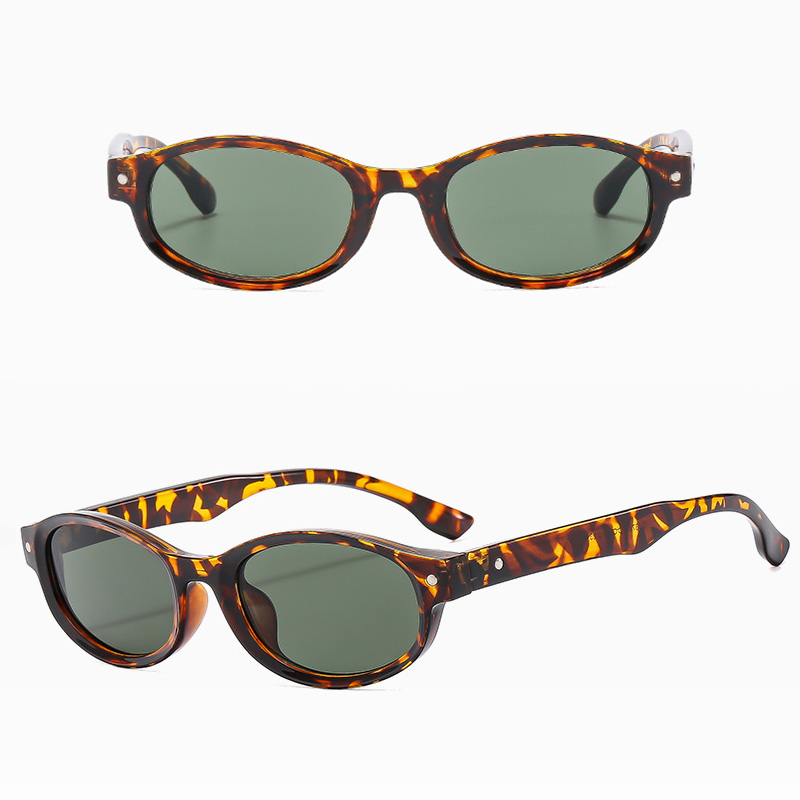
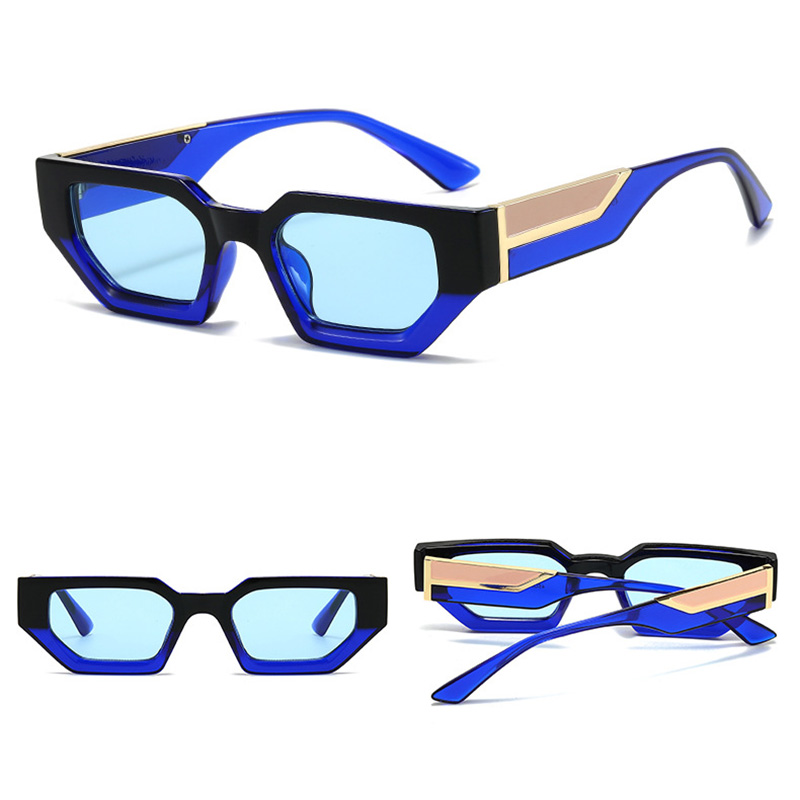
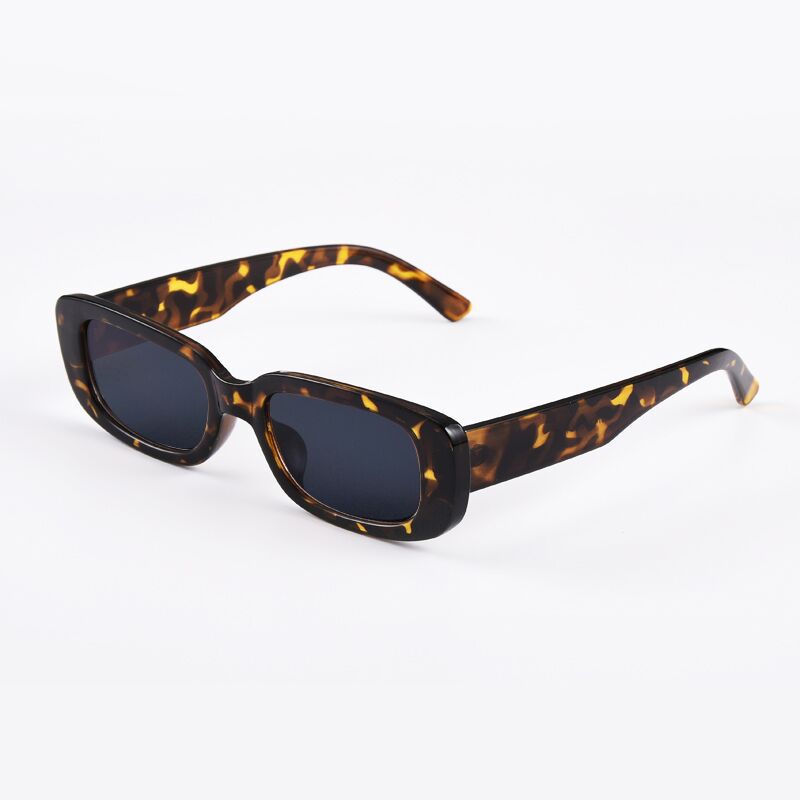
Ever wonder what makes a pair of sunglasses feel cheap or premium? It's often the tiny, unseen parts. Let's break down the hidden components for you.
A single pair of sunglasses can have over 10 individual parts. These include the frame front, two temples, two lenses, two hinges, multiple screws, and two nose pads. The material and quality of each part determine the final product's comfort, durability, and value.
Now that you have a basic idea, let's explore these components in more detail. As a manufacturer, I've learned that understanding each part is crucial for any brand owner sourcing sunglasses. It helps you communicate your needs clearly and ensure you get the quality you expect. This knowledge is the foundation of building a great product.
Sunglasses Parts Diagram: A Complete Overview of Every Component?
Are you confused by terms like "temple tip" or "barrel hinge"? This confusion can lead to costly mistakes when you talk to your supplier. Here is a clear guide.
A sunglasses parts diagram shows every component, from the frame front[^1] to the temple tips. Key parts include the rim, bridge[^2], nose pads[^3], end pieces, hinges[^4], temples[^5], and temple tips[^6]. Each part plays a specific role in the sunglasses' fit, function, and style.
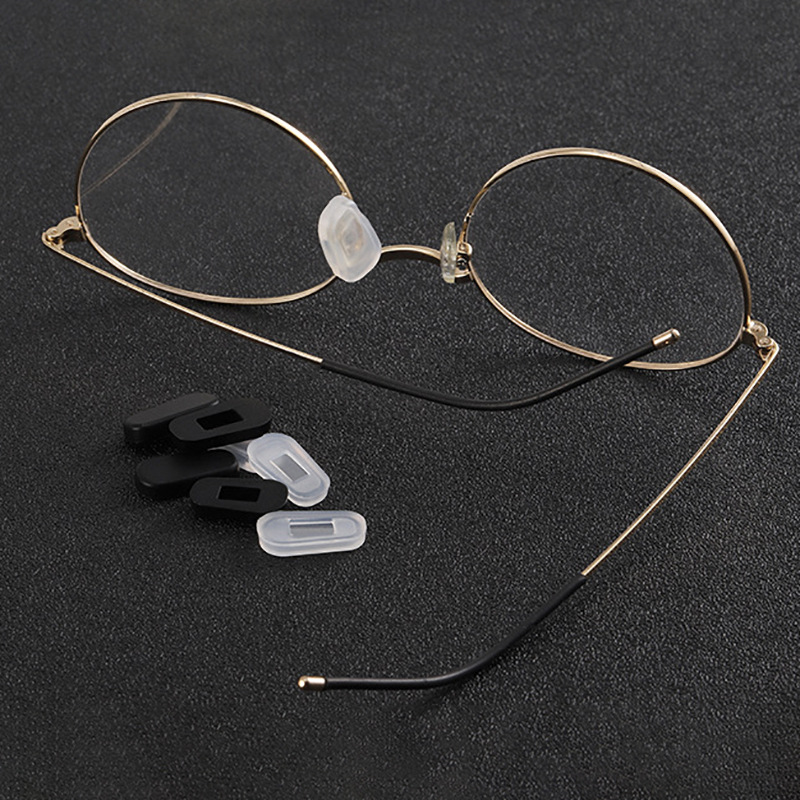
Let's dive deeper into what these parts are. This kind of detailed breakdown is especially important for metal frames, like those made from stainless steel or magnesium aluminum, because they have more individual components than a simple plastic frame.
Front View Components: What You See First
The front of the sunglasses is what everyone sees. It's made of the two rims that hold the lenses and the bridge[^2] that goes over your nose. The overall shape of the front frame defines the style of the sunglasses, whether it's an aviator, a wayfarer, or a cat-eye.
Side & Temple Construction: The Support System
The sides of the sunglasses are called temples[^5] or arms. They extend from the frame front[^1] to rest over your ears. At the end of each temple is a temple tip, which is often a softer material for comfort. The length and curve of the temples[^5] are critical for a secure fit.
The Nose Bridge Assembly: Where Comfort Meets Fit
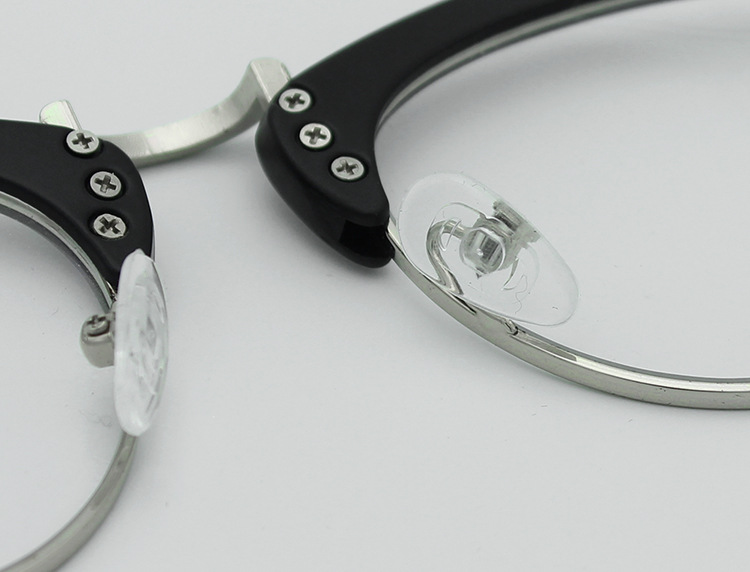
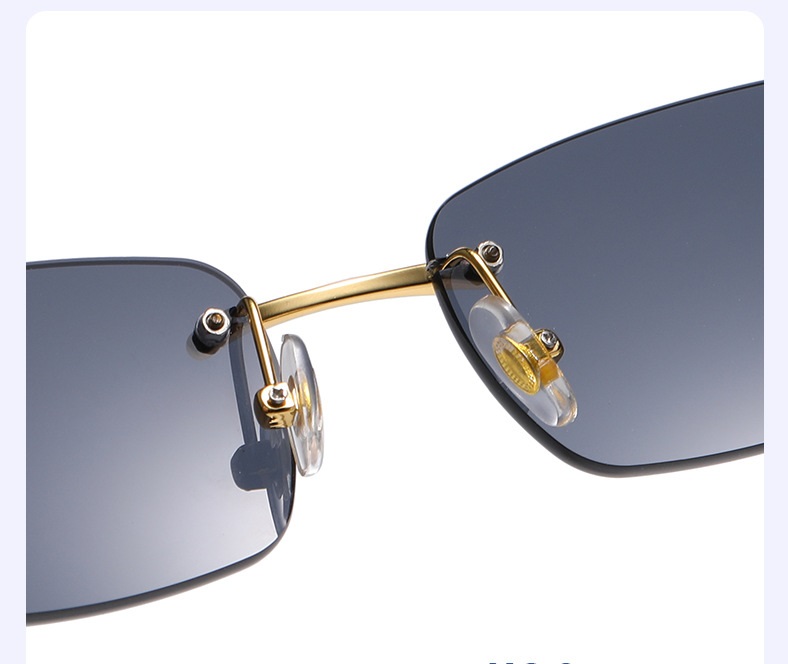
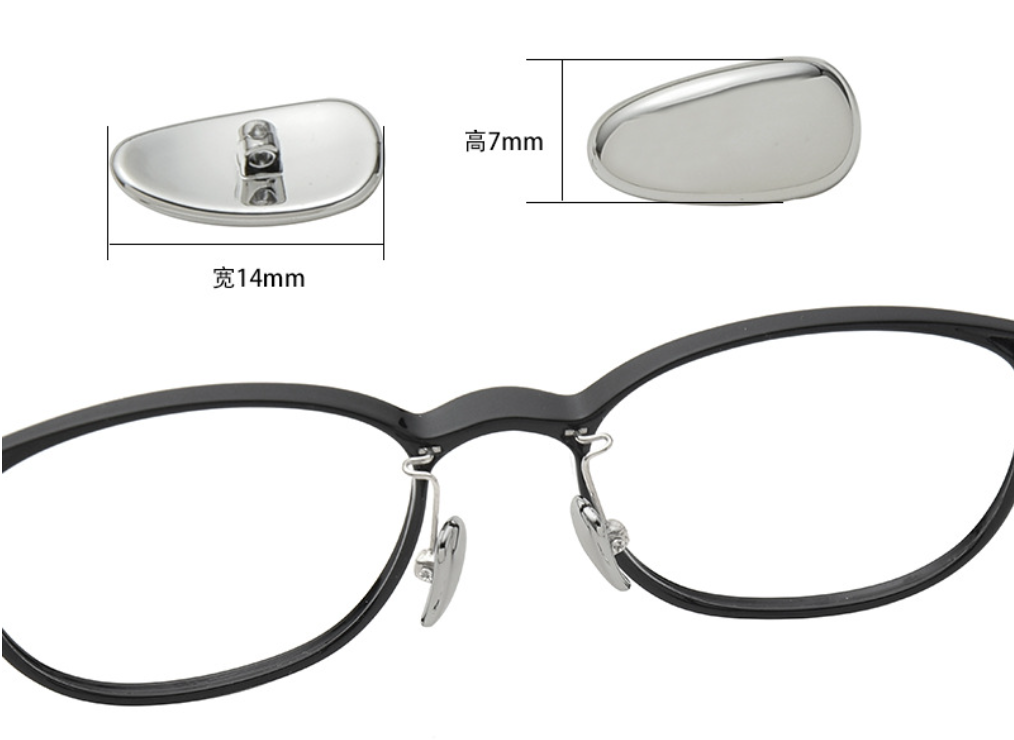
This is where comfort really happens. The assembly includes the bridge[^2] and the nose pads[^3], which are held by small metal pieces called pad arms. Soft silicone nose pads[^3] are much more comfortable than hard plastic ones. They prevent the sunglasses from pressing too hard on your nose.
The Hidden Mechanics: Screws, Hinges & Locks
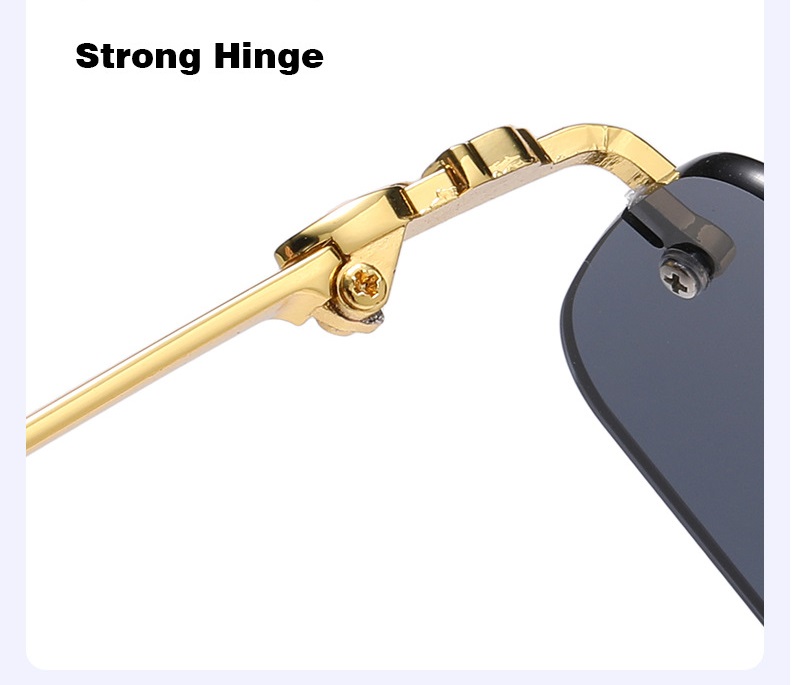
The small, hidden parts do a lot of work. Hinges connect the temples[^5] to the frame front[^1], allowing them to fold. Tiny screws[^7] hold the hinges[^4] and sometimes the lenses in place. The quality of these small metal parts is what separates a durable pair from one that falls apart.
Interactive Master Diagram: Click to Explore
Imagine a diagram where you could click on each part. Clicking the "hinge" would show you how it works. Clicking the "nose pad" would explain the different materials. This tool would help you visualize how all these pieces come together to create the final product. It makes discussing specific customization points with your manufacturer much easier.
Material Matters: A Comparison of Key Components?
Do you know why some frames break easily while others last for years? Choosing the wrong materials can hurt your brand's reputation. Let's compare the most common options.
The material of each component is critical. Frames can be acetate, metal, or flexible TR90. Lenses are often polycarbonate for impact resistance. Even the metal in hinges[^4] affects durability. Choosing the right materials ensures quality and performance.
The materials you choose directly impact the final cost, durability, and feel of your sunglasses. As a business owner, you need to balance these factors to meet your target price and quality standards. Here’s a closer look at the materials for the most important parts.
Frame Material Showdown: Acetate vs. Metal vs. Nylon
The frame is the main structure of the sunglasses. The material choice here defines the look and feel. Acetate allows for rich, layered colors, while metal offers a sleek, minimal look. Nylon or TR90[^8] is great for sports sunglasses because it's flexible and durable.
| Material | Pros | Cons | Best For |
|---|---|---|---|
| Acetate | Rich colors, premium feel, hypoallergenic | More expensive, less flexible | Fashion & Luxury Brands |
| Metal | Thin, lightweight, strong, adjustable | Can bend, some metals cause allergies | Minimalist & Aviator Styles |
| Nylon (TR90[^8]) | Very flexible, durable, lightweight | Can feel less premium | Sport & Performance Sunglasses |
Lens Material Deep Dive: Optical Clarity & Impact Resistance
The lenses are not just for style; they protect your eyes. Polycarbonate is the standard for safety and durability because it's very impact-resistant. CR-39 offers better optical clarity, making it a choice for high-end brands. Glass lenses provide the best clarity but are heavy and can shatter.
The Truth About Hinge & Screw Metals
The small metal parts are often overlooked but are vital for long-term use. Most quality hinges[^4] are made from nickel silver or stainless steel. Stainless steel is a better choice because it resists corrosion and is very strong. The quality of the screws[^7] also matters. Poor quality screws[^7] can rust or strip easily, making repairs impossible.
Nose Pad & Temple Tip Materials: The Skin-Contact Science
These parts are in direct contact with the skin, so the material is important for comfort and hygiene. Silicone is the best material for nose pads[^3]. It's soft, grippy, and hypoallergenic. In the summer, sweat can mix with oils on the skin and cause a green buildup on the nose pads[^3], especially with cheaper materials. This can be unhygienic, so using quality silicone and advising customers to clean them regularly is important. Temple tips are also often made from silicone or a soft-touch plastic for comfort behind the ears.
The OEM/ODM Checklist: Key Questions to Ask Your Manufacturer?
Are you unsure what to ask your sunglasses supplier? Vague questions can lead to poor quality and production delays. Use this checklist to get the exact details you need.
When talking to an OEM/ODM manufacturer, ask specific questions about frame design, lens compliance[^9], and quality control[^10]. Specify materials, hinge types, and any required certifications like FDA or CE. Clear communication is key to getting the product you want.
When you start a conversation with a factory like ours, being prepared makes a huge difference. You get a more accurate quote, a faster production timeline, and a better final product. Here are the key questions you should be ready to discuss for your custom sunglasses order.
The Frame Blueprint: Specifying Your Design Intent
Don't just say "I want an aviator style." Provide as much detail as possible. Do you have a technical drawing or a CAD file? If not, a physical sample or even detailed photos with measurements can work. You need to specify the exact dimensions: lens width, bridge[^2] width, and temple length. Also, be clear about the material you want, whether it's acetate[^11], metal, or TR90[^8]. The more specific you are, the better we can match your vision.
Lens Sourcing & Compliance: Beyond UV Protection
All sunglasses should offer UV protection, but there's more to it. What level of protection do you need? UV400 is the standard. Do you need polarized lenses to reduce glare? What about lens color and tint darkness (category 1-4)? Most importantly, ask your manufacturer for test reports. These documents prove that the lenses meet safety and performance standards for your target market, like FDA standards in the US.
Quality Control & Assembly: The Devil’s in the Details
How will the manufacturer ensure every pair is perfect? Ask them about their quality control[^10] process. For example, what tests do they perform on the hinges[^4] to ensure durability? How do they check for frame alignment? You should also specify details about the assembly. For instance, do you want thread-locking fluid on the screws[^7] to prevent them from loosening? Discussing these small details upfront prevents problems later on.
Industry Standards: What Makes a Sunglasses Part High-Quality?
How do you prove that your sunglasses are high-quality? Without meeting industry standards, your products could be rejected by customs or seen as unsafe by customers. You need to know the key certifications.
High-quality sunglasses parts meet specific industry standards. These include hinge durability tests, lens compliance[^9] with marks like CE and FDA, and material safety regulations[^12] like REACH and California's Proposition 65 for things like nickel release.
When you are importing and selling sunglasses, you are responsible for their safety and quality. Working with a manufacturer that understands and complies with international standards is not optional—it's essential for your business. It protects you, your brand, and your customers.
Hinge Durability Standards: The 10,000-Cycle Test
A common quality test for sunglasses is the hinge cycle test. In our factory, we use a machine that opens and closes the temples[^5] thousands of times, typically between 5,000 and 10,000 cycles. This simulates years of regular use. If the hinge becomes loose or breaks during the test, it fails. Passing this test is a good indicator that the sunglasses are built to last. It’s a detail worth asking your supplier about.
Lens Compliance: Decoding the CE, FDA & ANSI Marks
These marks are not just for show. They are legal requirements in many markets.
- CE: This mark means the sunglasses meet European Union health, safety, and environmental protection standards.
- FDA: The U.S. Food and Drug Administration regulates sunglasses as medical devices. They must meet impact-resistance standards.
- ANSI Z80.3: This is the American National Standards Institute's standard for non-prescription sunglasses, covering UV protection[^13] and optical quality.
Your manufacturer should be able to provide documentation proving compliance for your target market.
Nickel Release & Skin Safety: Meeting REACH and Prop 65
This is especially important for metal frames and components. Some people have allergic reactions to nickel. Regulations like Europe's REACH and California's Proposition 65 restrict the amount of nickel that can be released from a product that touches the skin. I remember a client from the UK who also sold to the US. For their metal frames, we had to perform a specific nickel release[^14] test to comply with UK regulations, in addition to the Prop 65 testing for California. Meeting these standards is a critical step for market access and shows your commitment to customer safety.
Conclusion
Understanding every part of your sunglasses is the first step to creating a high-quality product. It helps you work better with your manufacturer and build a successful brand.
[^1]: Learn about the frame front's role in sunglasses design and how it affects style and comfort.
[^2]: Understand the role of the bridge in sunglasses and how it affects fit and comfort.
[^3]: Find out how nose pads enhance comfort and fit, making a significant difference in wearability.
[^4]: Understand the function of hinges in sunglasses and how they contribute to durability and usability.
[^5]: Discover the importance of temples in sunglasses for fit and support, crucial for comfort.
[^6]: Explore the function of temple tips and their impact on comfort and fit behind the ears.
[^7]: Explore the importance of screws in maintaining the integrity of sunglasses and ensuring longevity.
[^8]: Find out why TR90 is a popular choice for sports sunglasses due to its flexibility and durability.
[^9]: Learn about lens compliance standards and their importance for safety and quality.
[^10]: Understand the significance of quality control processes in ensuring high-quality sunglasses.
[^11]: Discover the benefits of acetate as a frame material, known for its rich colors and premium feel.
[^12]: Discover the regulations that ensure the materials used in sunglasses are safe for consumers.
[^13]: Learn about the importance of UV protection in sunglasses for eye safety and health.
[^14]: Learn about nickel release regulations and their importance for skin safety in metal frames.
Share:


Post time: Jan-08-2026