Purchasing eyewear involves a complex decision-making process influenced by various factors. Let's explore how demographic, lifestyle, financial, and psychological factors influence spending on eyewear, as well as the different price segments and types of eyewear available.
Factors Influencing Spending
Demographic Factors
- Age: Younger individuals may be more budget-conscious, while older adults might prefer premium designs.
- Gender: Men and women may have different preferences in style and functionality.
- Income Level: Higher incomes typically allow for more expensive options.
- Employment Status: Full-time workers might prefer better quality, while part-time or freelance workers might prioritize budget-friendly items.
- Family Size: Larger families may require multiple pairs of glasses, increasing overall spending.
Health and Vision Needs
- Prescription Strength: Stronger prescriptions can increase the cost of eyewear.
- Vision Problems (e.g., Myopia, Astigmatism): More complex conditions may require more advanced lenses.
- Frequency of Changes: Regular changes can drive up recurring costs.
- Emergency Needs (e.g., Accidents): Urgent need for new glasses after an injury or accident may necessitate premium options.
Lifestyle and Activities
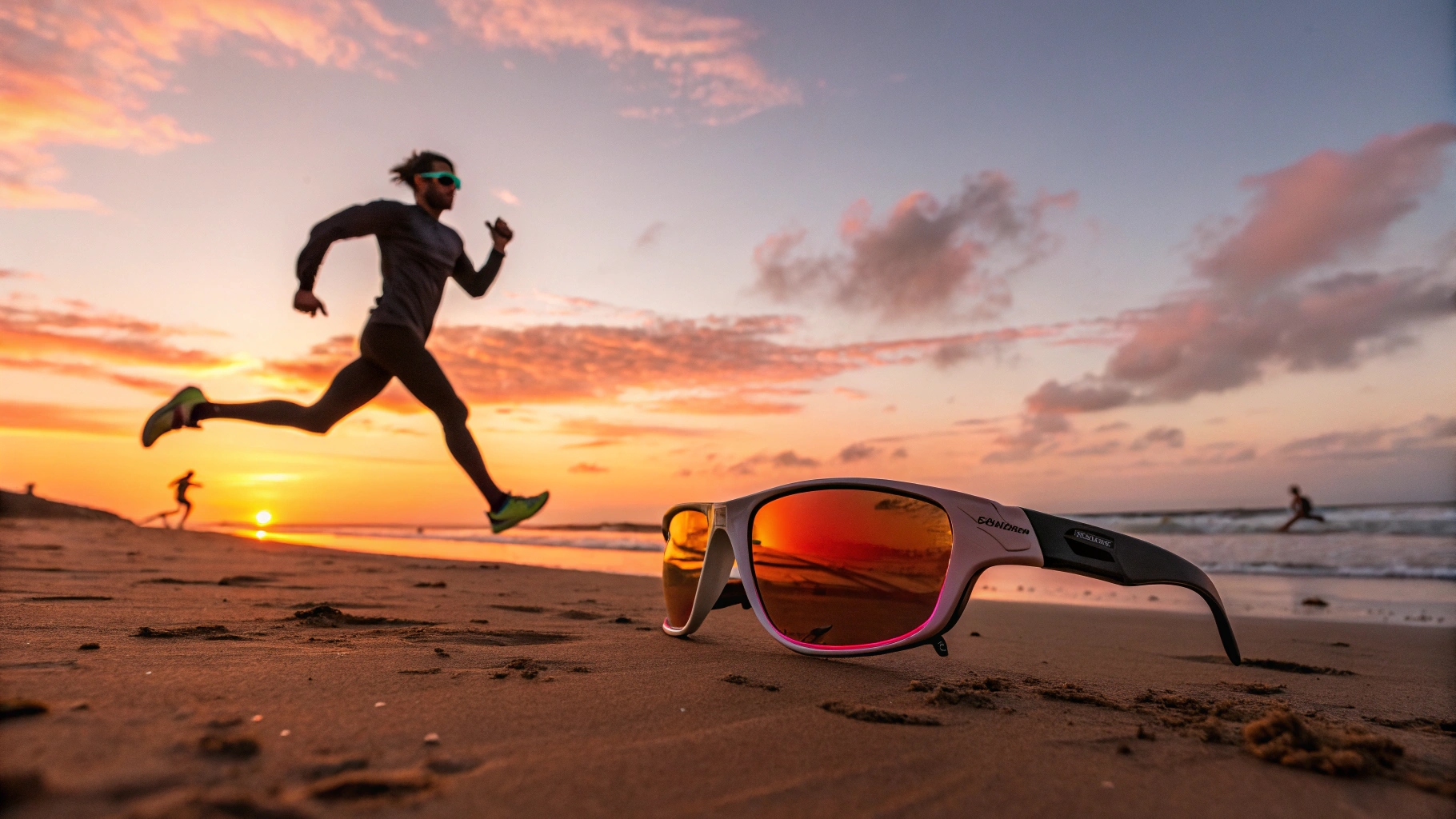
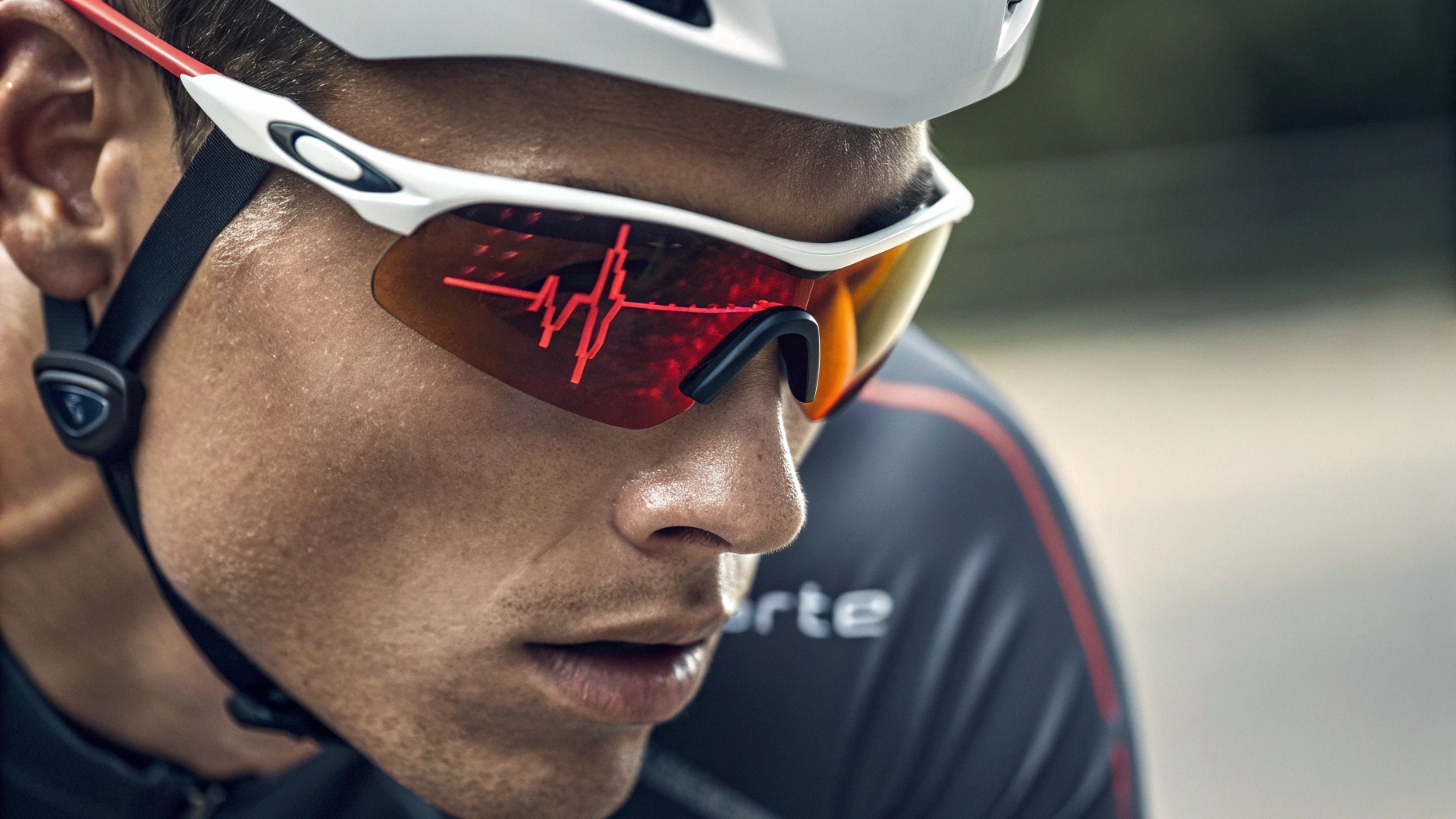
- Outdoor Recreation (e.g., Sports, Hiking): Eyewear for active lifestyles often involve durable materials and UV protection.
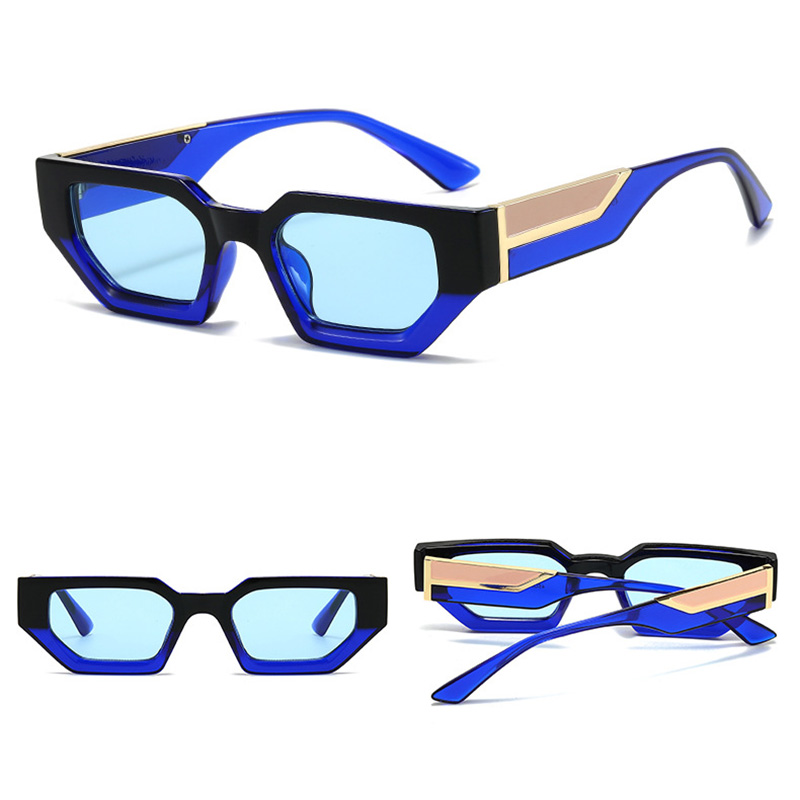
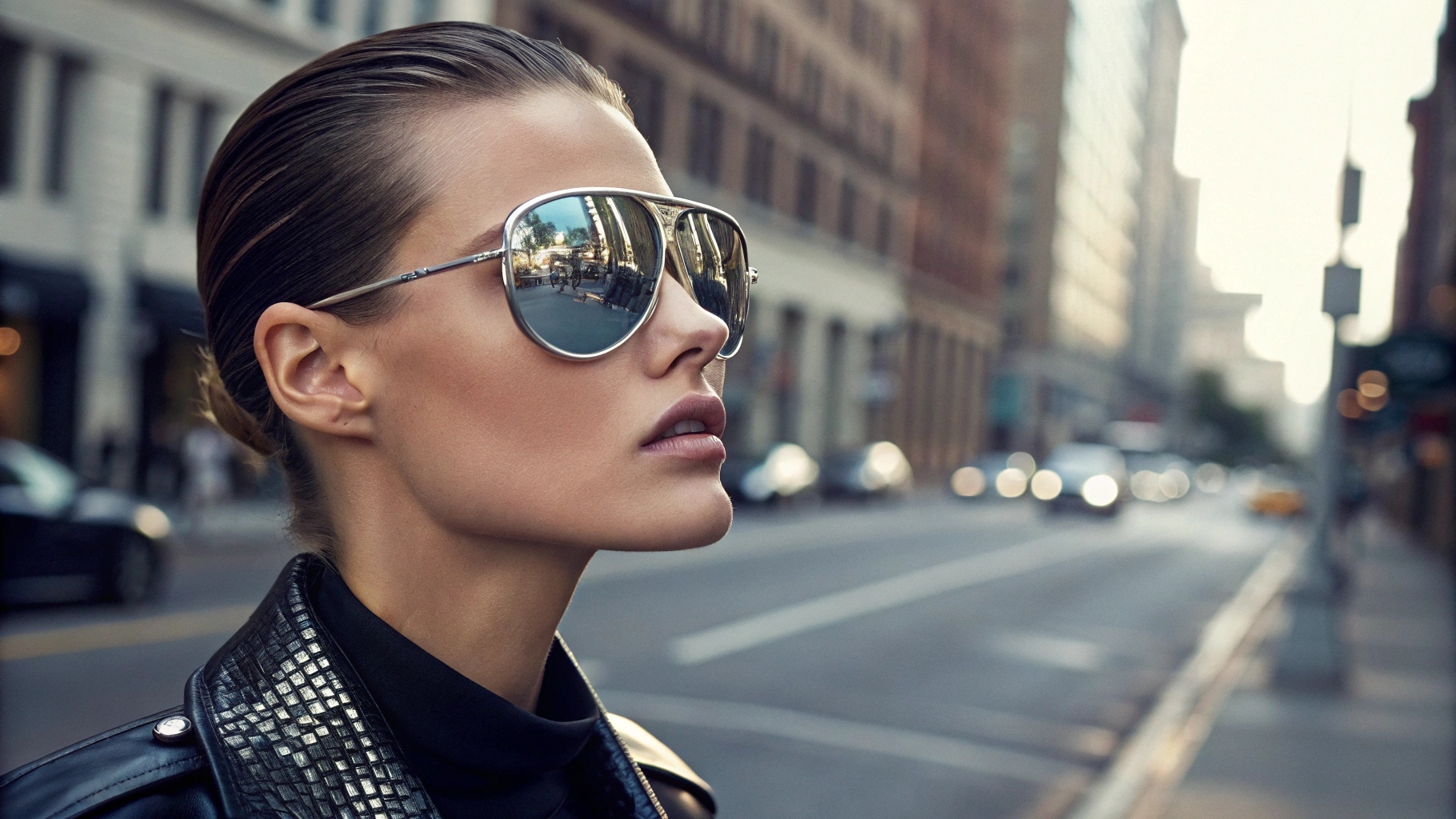
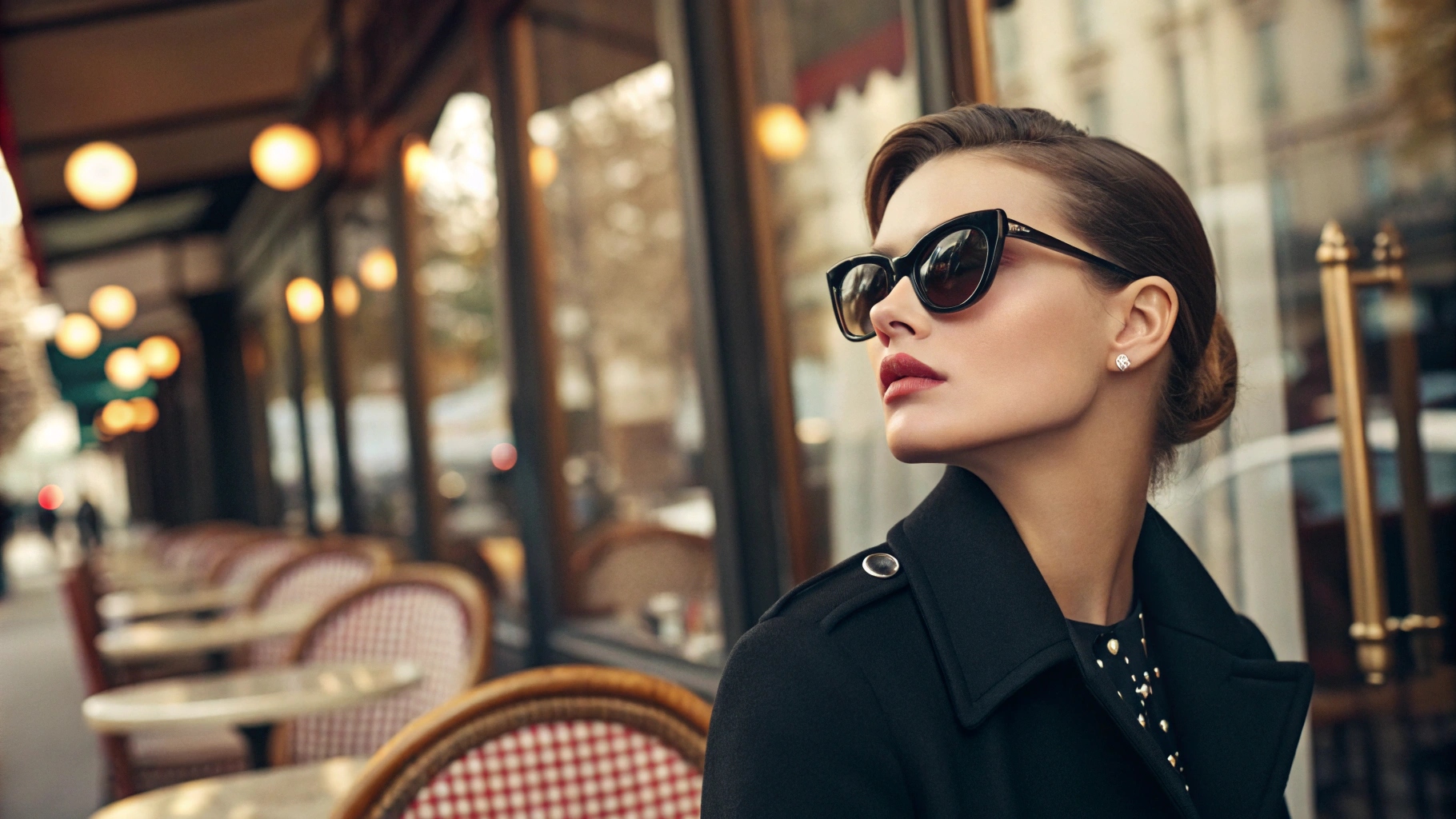
- Fashion and Style Preferences: Preference for trends and high fashion eyewear can drive higher spending.
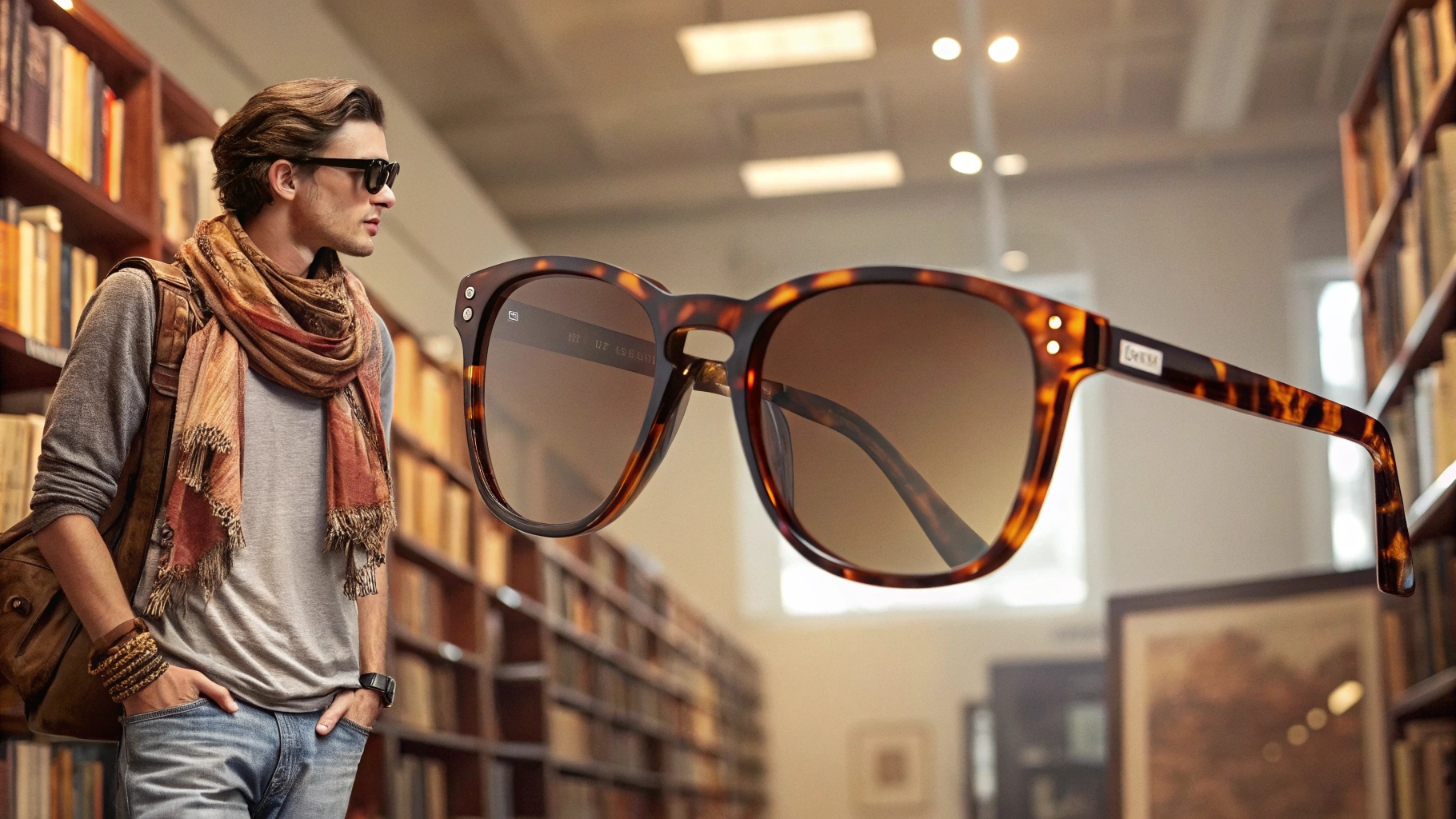
- Occupational Requirements: Protective eyewear for certain jobs, like construction, may be a necessity.
Financial Considerations
- Budget Constraints: Limited financial resources often lead to cheaper options.
- Insurance Coverage: Insurance that covers eyewear can reduce out-of-pocket expenses.
- Future Projections: Projections for the future, such as impending vision changes, can affect current spending decisions.
Psychological Factors
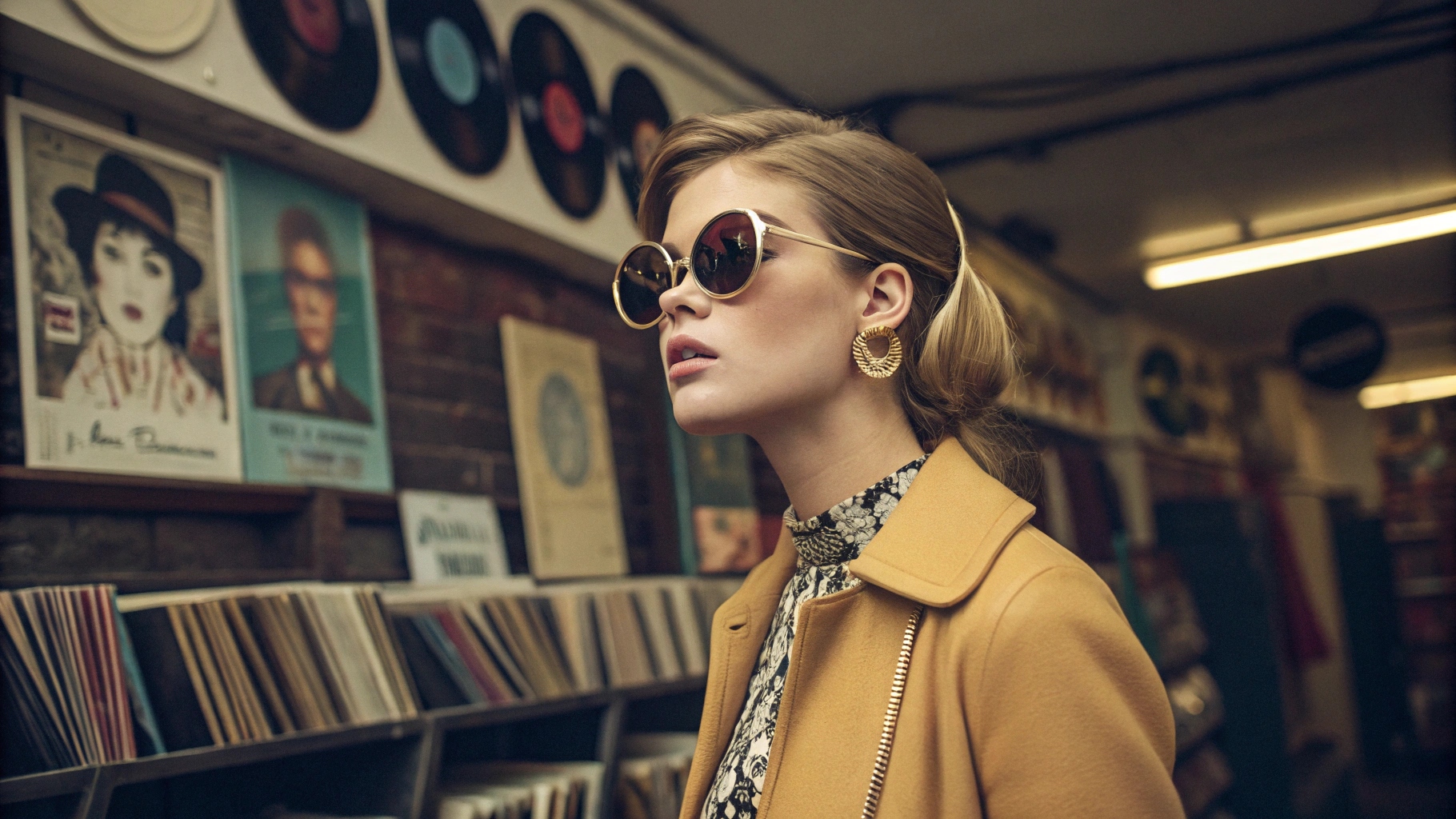
- Aesthetic Preferences: Personal style and appearance can influence choices.
- Brand Loyalty: Preference for certain brands can justify higher spending.
- Impulse Buying: Spontaneous purchases can lead to higher spending in the short term.
Price Range Segmentation
- Budget (<$50): Affordable options, often with basic features and materials.
- Mid-Range ($50-$200): Good balance of quality and cost, suitable for most daily needs.
- Premium ($200-$500): High-quality materials and design, often with enhanced features.
- Luxury (> $500): Superior quality materials, advanced features, and premium brands.

Types of Eyewear
- Prescription Glasses
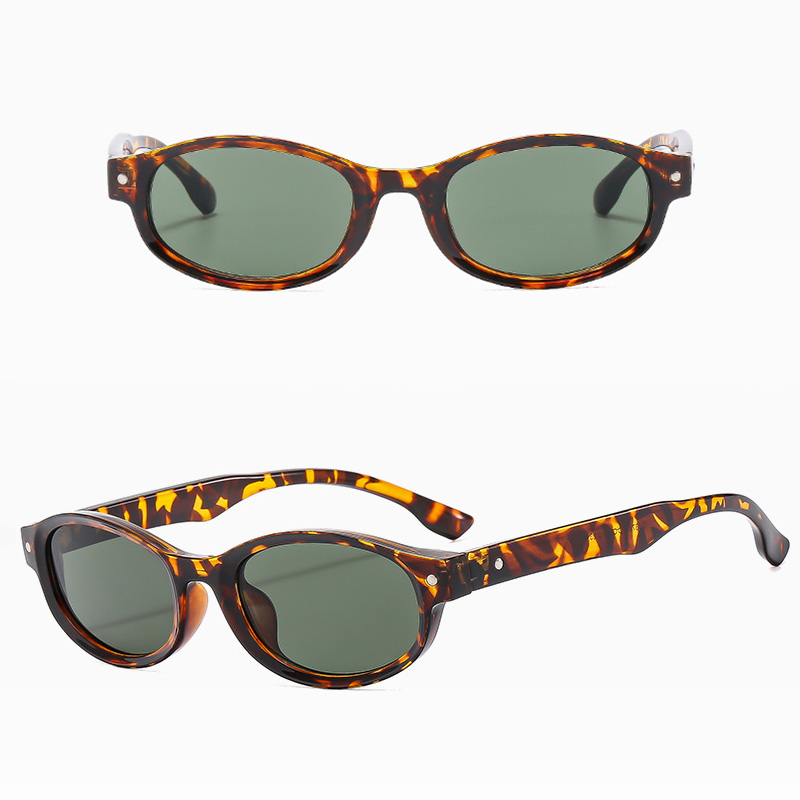
: Custom-made for individual prescriptions. - Sunglasses: Designed to protect eyes from UV rays.
- Contact Lenses: Convenient for those who prefer not to wear glasses.
- Reading Glasses: Designed to improve near vision.
- Specialty Eyewear: Customized for specific needs, such as protective eyewear for certain occupations.
Purchase Channels
- Physical Stores:
- Optometrist Clinics: Comprehensive eye care and customization.
- Department Stores: Wide range of styles and brands.
- Specialty Eyewear Shops: Expert advice and specialized products.
- Online Retailers:
- Dedicated Eyewear Sites (e.g., Warby Parker): Convenient, often with multiple styling options.
- Marketplaces (e.g., Amazon): Large selection and competitive pricing.
- Brand Websites: Official stores with warranties and customer support.
- Secondhand/Resale Platforms: Refurbished or used eyewear, often at lower prices.

Behavioral Insights
- Frequency of Purchase: How often you buy new glasses can indicate your tolerance for changing fashion and vision needs.
- Brand Loyalty: Preference for certain brands can drive repeat purchases and higher spending.
- Discount Sensitivity: Willingness to take advantage of sales and discounts can influence spending.
- Research Habits: Extensive research and trying on different options can lead to more informed and potentially higher-end purchases.
External Influences
- Advertising and Marketing: Persuasive marketing can drive up spending.
- Social Media Trends: Fashion and style influences can spark interest in higher-end options.
- Cultural Perceptions of Eyewear: Cultural norms and societal expectations can affect spending decisions.
- Economic Conditions: Economic downturns may lead to more budget-friendly choices.

Understanding these factors can help you make informed decisions about your eyewear spending, ensuring you get the best value for your needs and preferences.
May-26-2025
Share:


Post time: May-26-2025