Understanding the importance of UV protection in sunglasses is crucial for eye health. UV rays can cause significant damage to various parts of the eyes, leading to severe conditions over time.
Sunglasses labeled with UV protection can prevent harmful rays from impacting your eyes, reducing the risk of diseases like cataracts and macular degeneration.
What is UV Protection?
UV protection involves guarding the eyes against ultraviolet radiation.
Types of UV Radiation

- UVA: Contributes to long-term eye damage and skin aging.
- UVB: More intense, causing eye sunburn and potentially leading to vision problems.
- UVC: Mostly absorbed by the atmosphere, posing minimal direct risk.
Why UV Protection is Important
- Prevents eye diseases: Such as cataracts and retinal damage.
- Prevents cumulative damage: Protects against both immediate and long-term effects.
Reading Sunglasses Labels

Key Labels to Look For
- UV400: Blocks rays up to 400 nanometers, covering all UVA and UVB.
- 100% UV Protection: Full protection against UVA and UVB rays.
- CE Mark: Assurance of European standard compliance for health and safety.
Industry Standards
- ANSI (U.S.): Criteria ensure quality UV protection.
- ISO: Internationally recognized guidelines.
- AS/NZS (Australia/New Zealand): Stringent tests for high UV zones.
Testing Sunglasses for UV Protection
Assessing the UV protection of sunglasses can be done through simple tests.
Easy Testing Methods
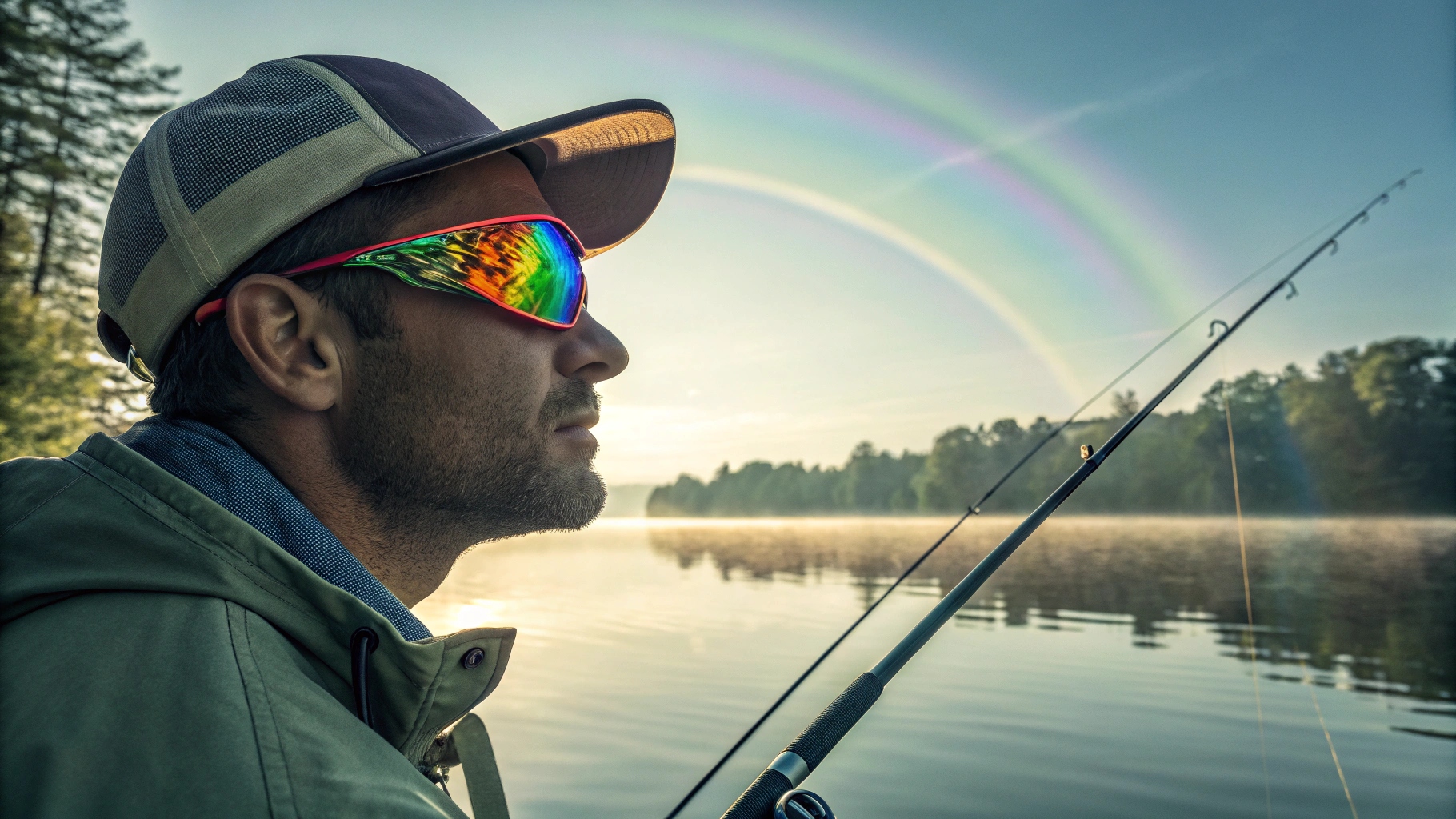
- In-store UV tests: Use UV flashlights to check protection on-site.
- UV meter devices: Home tests using handheld meters to verify claims.
- Professional labs: For detailed testing and certification confirmation.
Lens Types and Their UV Protection
Different lenses offer varying levels of protection, impacting your choice.

Popular Lens Options
- Polarized Lenses: Reduce glare, but remember that polarization isn't UV protection.
- Photochromic Lenses: Adapt to light and inherently provide UV safety.
- Coated vs. Uncoated: UV-coated lenses enhance protection; check if your lenses need it.
Material-specific Protection
- Polycarbonate: Offers natural UV blocking; lightweight and durable.
- Glass: May require additional UV coating for optimal protection.
Identifying Adequate UV Protection

Recognize signs of proper protection to ensure safety.
Key Indicators
- Glare and Clarity: Good lenses offer clear vision and mitigate glare.
- Darkness vs. Protection: Lens tint doesn't equal UV protection; look at labels.
Risks of Inadequate Protection
- Photokeratitis: Painful, temporary eye sunburn.
- Long-term damage: Increases the risk of serious eye conditions like cataracts.
Additional Considerations
Consider these factors when selecting UV-protective sunglasses.
Making the Right Choice
- Price vs. Quality: Higher price often brings better-tested protection.
- Reputable Brands: Renowned brands often imply rigorously tested products.
- Style and Comfort: Ensuring the sunglasses fit well encourages regular use.
Environmental Factors
- Reflective Surfaces: Adjust for extra UV exposure from surfaces like water or snow.
- Activity-based Selection: Choose sunglasses suited for specific environments and activities.
Conclusion: By understanding UV protection, reading labels, and testing sunglasses, you ensure that you select eyewear that safeguards your eyes effectively. Always consider factors like lens type, brand reputation, and your environmental exposure to maintain optimal eye health.
Share:


Post time: May-30-2025