Sourcing from China feels like a gamble. You worry about scams, poor quality, and communication breakdowns. But what if you had a clear roadmap to find trustworthy partners?
To find a reliable Chinese manufacturer, use a multi-pronged approach. Start by vetting suppliers on B2B platforms[^1] like Alibaba, meet them in person at trade fairs, and always implement strict verification protocols[^2], including requesting certifications and product samples. This strategy filters out unreliable suppliers.
Finding the right partner is more than just a search; it's about building a foundation for your business. I've been on the manufacturing side for over a decade, and I've seen what works and what doesn't for buyers like you. So, where do you start? Let's break down the process step-by-step to make it manageable and effective, helping you secure a supplier who can truly help your business grow.
How can you use digital B2B platforms for initial supplier discovery?
Online platforms are flooded with suppliers. It's overwhelming to tell the good from the bad. But you can use specific filters and look for key indicators to quickly shortlist potential partners.
Focus on platforms like Alibaba. Look for "Verified," "Gold Supplier" status, and years of operation. Check their company profile, main products, and response rate. These initial checks help you create a long list of potential suppliers before you even send the first message.
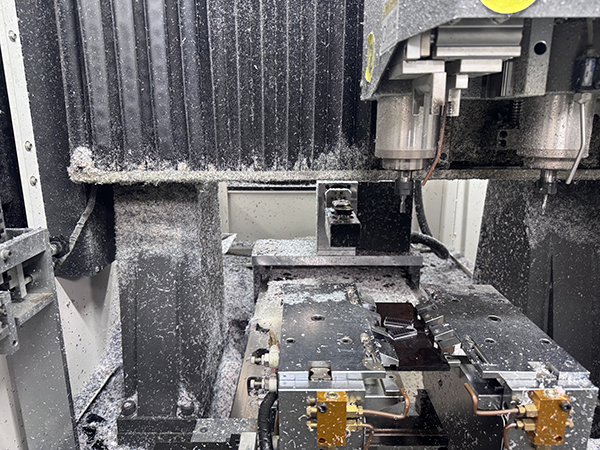
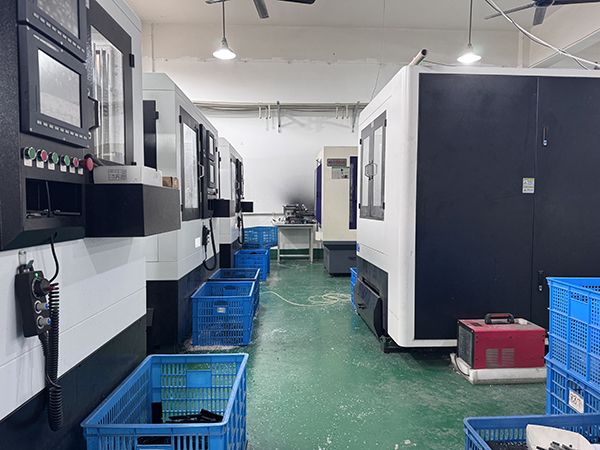
Going deep into a supplier's online profile is your first line of defense. Don't just look at the product photos. On platforms like Alibaba or Made-in-China.com, the details in the company profile section are very important. Are they listed as a "Manufacturer," a "Trading Company," or both? A true manufacturer will have photos and videos of their factory, not just a showroom. I always recommend buyers look for suppliers who have been a "Gold Supplier" for at least 5 years. This shows they are serious and have invested in their online presence for the long term. Also, check their main product categories. If you're looking for sunglasses, you want a specialist, not a company that sells everything from phone cases to socks. A focused product line usually means deeper expertise and better quality control.
Here's a simple table to guide your initial check:
| Platform Indicator | What It Means for You |
|---|---|
| Verified Supplier | A third party has checked their business license and factory location. |
| Years as Gold Supplier | Shows long-term commitment and financial stability. |
| High Response Rate (>90%) | Indicates they are active and take inquiries seriously. |
| Focused Product Categories | Confirms they are specialists in your product area. |
Why should you attend major trade fairs for direct supplier engagement?
Online communication can feel impersonal. You can't touch the products or look the supplier in the eye. Trade fairs offer a unique chance to meet manufacturers face-to-face and inspect quality firsthand.
Trade fairs like the Canton Fair or global optical shows allow you to meet many suppliers in one place. You can assess product quality, see their latest designs, and gauge their professionalism directly. This personal interaction builds trust much faster than emails or chats alone.
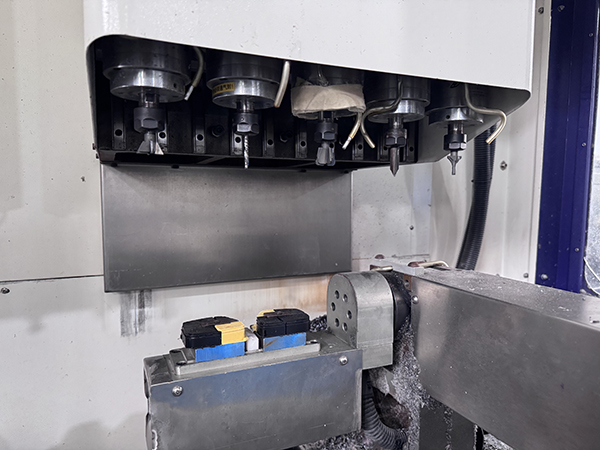
There is no substitute for meeting someone in person. In my experience, the relationships that turn into the most successful long-term partnerships often start at a trade fair. When you visit a booth at a show like the Canton Fair in Guangzhou, the Hong Kong Optical Fair, or even MIDO in Milan, you learn so much more than you can online. You can physically hold the sunglasses, test the hinge quality, and feel the material finish. You can also talk directly with the sales team and even the company owner. This allows you to ask detailed questions and see how well they understand your needs. A well-organized booth with high-quality samples and knowledgeable staff is a great sign. It shows they are professional and proud of their work. I recommend preparing for these fairs by scheduling some appointments in advance, but also leave time to walk the floor and discover new potential partners you didn't find online.
How do you implement rigorous supplier verification protocols?
A supplier's online profile looks great, but you're still not sure. The risk of partnering with an unreliable factory is high. A simple verification process can protect your business and ensure quality.
Always ask for their business license and key certifications (like ISO9001, FDA, CE). Requesting product samples is also non-negotiable. This due diligence confirms their legitimacy and their capability to meet your quality and compliance standards, which is critical for markets like the US and Europe.
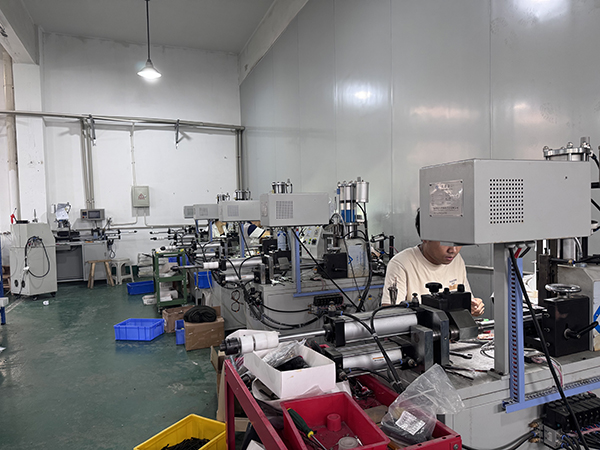
Once you have a shortlist of potential suppliers, it's time to verify their claims. This is a step you should never skip. First, ask for documentation. We regularly provide our clients with copies of our business license, ISO9001 quality management certificate, and proof of compliance with standards like FDA and CE. A legitimate manufacturer will have these documents ready and will not hesitate to share them. Second, always, always order samples. A sample is the best proof of a factory's capabilities. Does it match the photos? Is the quality what you expect? Don't be afraid to test it thoroughly. For larger or long-term partnerships, you might even consider a third-party factory audit. Services like Bureau Veritas (BV) or SGS can send an inspector to the factory to check their production lines, quality control processes, and working conditions. This is a standard request from many of our larger clients, like those serving retail groups in the UK.
How can you master cross-cultural communication[^3] and negotiation?
Misunderstandings can kill a deal before it starts. You worry your requests will get lost in translation. A few key communication strategies can ensure clarity and build a strong relationship.
Be clear, direct, and patient. Use simple English and provide detailed specifications with visuals. Understand that building a relationship is key. And for formal communication, email is often best, as it gives the sales team time to provide a thorough, accurate response.
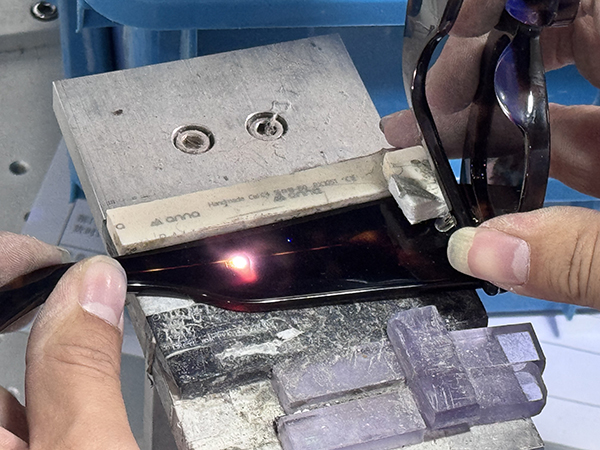
Here’s an insider tip that can make a huge difference. While instant messaging apps like WhatsApp are great for quick questions, email is the most important communication tool. From my perspective as a manufacturer, my sales team handles many customers and orders every single day. If you ask a complex question on a chat app, the salesperson might be multitasking and give a quick, but possibly incomplete or inaccurate, reply. However, when you send a detailed email with all your requirements, it gets our full attention. We handle emails in an organized way, going through them one by one. This allows us to think through your request, check details with the production team, and give you a complete and accurate answer. It also creates a written record that both of us can refer back to. So, my advice is to use email for your initial inquiry and all important details. Use WhatsApp for urgent things, like "Did you receive my payment?" or "Can we have a quick call?". This simple change will make your communication much more effective.
How do you navigate logistics, compliance, and ongoing relationship management?
Finding a supplier is just the first step. Managing production, shipping, and quality over time can be complex. Establishing clear processes from the start ensures a smooth and lasting partnership.
Discuss and agree on Incoterms (like FOB or EXW) early. Confirm the supplier's experience with your country's import regulations and compliance standards (e.g., Prop 65). Maintain regular communication to build a long-term, trusting relationship beyond just the first order.
The work isn't over once you've placed an order. You need to manage the ongoing relationship. First, be clear on logistics. Agree on shipping terms, known as Incoterms, like FOB (Free On Board) or EXW (Ex Works). A good supplier can explain these and help you choose the best one. They should also be very familiar with the compliance requirements for your target market. For example, many of our clients in the United States and the United Kingdom have strict testing requirements, like FDA standards or California's Proposition 65. We handle this testing for them, which saves them a lot of time and potential problems. Finally, think of your manufacturer as a partner, not just a supplier. Keep them updated on your sales and future plans. Provide feedback on their products. A strong relationship built on regular communication leads to better service, priority during busy seasons, and a partner who is invested in your success.
Conclusion
Finding a reliable Chinese manufacturer requires a structured approach. By combining digital research, in-person verification, and clear communication, you can build strong, profitable, and lasting partnerships for your brand.
[^1]: Learn how to effectively vet suppliers on platforms like Alibaba to ensure you choose reliable partners for your business.
[^2]: Discover the importance of strict verification protocols to protect your business from unreliable suppliers.
[^3]: Gain insights into effective cross-cultural communication strategies to build strong supplier relationships.
Share:


Post time: Feb-25-2026