Ill-fitting glasses cause constant annoyance and discomfort. Buying online feels like a gamble. But understanding frame measurements empowers you to find or create the perfect fit for your brand.
To measure glasses and frame sizes, start by reading the three numbers on the inside of the temple arm. These represent the Eye Size[^1], Bridge Width, and Temple Length in millimeters. You can also use a ruler to measure a well-fitting pair yourself for total accuracy.
Those little numbers on your glasses are more than just random digits. They are the secret code to a perfect fit. When you understand this code, you can confidently source or design frames that your customers will love. It removes the guesswork from the entire process. Let's break down what each number means so you can navigate the world of eyewear sizing like an expert.
Decoding the Numbers: A Clear Explanation of Eye, Bridge, and Temple Sizes?
Ever seen numbers like 52-18-145 on a pair of glasses and felt confused? Guessing what they mean can lead to buying frames that pinch your nose or slide off.
The three numbers printed on your glasses frame represent Eye Size[^1] (lens width), Bridge Width[^2] (the distance between lenses), and Temple Length[^3] (arm length), all in millimeters. A frame marked 52-18-145 has 52mm wide lenses, an 18mm wide bridge, and 145mm long temple arms.
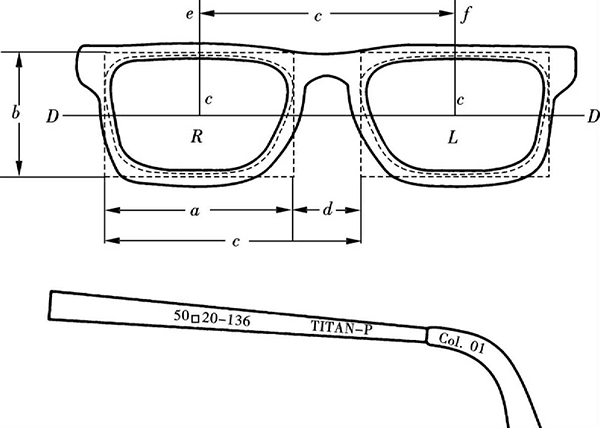
These three core measurements are the universal language of the eyewear industry. As a manufacturer, we rely on them every single day. Understanding them is the first step toward mastering frame fit for your brand or business. Each measurement plays a specific role in how the glasses feel and look on a person's face. A small difference of just a few millimeters can completely change the comfort and stability of a frame. Let's look at each one more closely.
| Measurement | What It Is | Why It Matters for Fit |
|---|---|---|
| Eye Size[^1] | The horizontal width of one lens at its widest point. | Determines the overall scale of the frame on your face. |
| Bridge Width[^2] | The distance between the two lenses. | Crucial for comfort; ensures the frame sits correctly on the nose. |
| Temple Length[^3] | The length of the arm from the hinge to the tip. | Ensures the frame sits securely behind the ears without pressure. |
Step-by-Step Methods: How to Accurately Measure Your Glasses at Home?
You have a pair of glasses that fits perfectly, but the sizing numbers have faded away. You are hesitant to order new stock, fearing it won't fit your customers the same.
To measure your glasses at home, all you need is a millimeter ruler. Measure a lens at its widest point for eye size. Measure the gap between lenses for bridge width. Finally, measure an arm from the hinge to the very end for temple length.
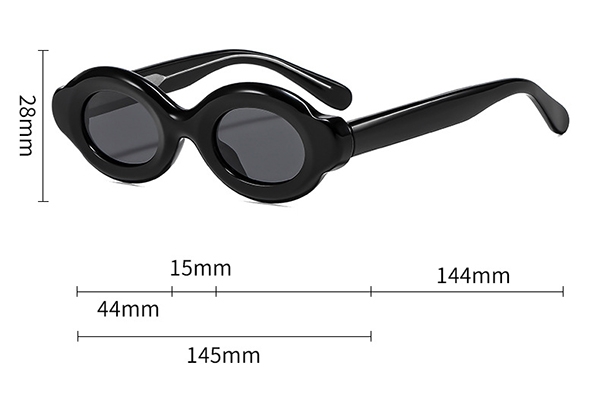
This simple process gives you a blueprint for a perfect fit. It is especially useful when you find a frame style you love and want to replicate its dimensions for a private label collection. One of the most important measurements, however, is not printed on the frame: the total frame width. This is the best indicator of how a frame will fit a person's face. Here is how you can measure your existing glasses to get all the key dimensions you need for your next order.
- Gather Your Tool: You will need a simple ruler with millimeter markings. A flexible measuring tape can also work, especially for the temple arms.
- Measure Total Frame Width: This is the most critical measurement for overall fit. Measure horizontally across the entire front of the frame, from the furthest point on the left to the furthest point on the right.
- Measure Lens Width (Eye Size[^1]): Measure one lens horizontally at its widest part. Do not include the frame itself in this measurement.
- Measure Bridge Width[^2]: Measure the shortest distance between the two lenses, typically at the top.
- Measure Temple Arm Length: Measure from the hinge screw to the end of the temple tip, following the arm's shape.
From Sketch to Spec: Key Technical Measurements for Frame Design and Production?
Designing a new eyewear line for your brand requires more than just a cool sketch. Without precise technical specifications, your production run could result in beautiful frames that simply don't fit.
For successful frame production, manufacturers need more than basic sizes. Key technical specs include Lens Height (the "B" measurement), Total Frame Width, Pantoscopic Tilt[^4], and Wrap Angle[^5]. These details ensure the final product is comfortable, functional, and optically precise.
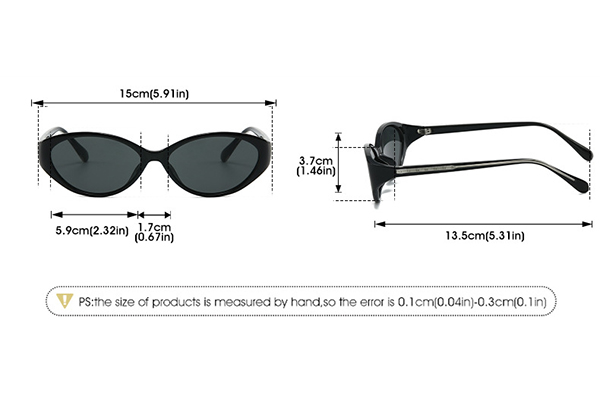
When a client brings us a new design, we move beyond the three basic numbers. We dive into the technical specifications that turn a concept into a wearable, high-quality product. These details are what separate an amateur design from a professional one. They affect everything from how the lenses are cut to how the frame sits on the face. For our OEM and ODM partners, getting these specs right is non-negotiable. It is the foundation of a successful product launch. Here are some of the critical measurements we focus on during the development process.
| Technical Spec | What It Is | Why It's Crucial for Production |
|---|---|---|
| Lens Height[^6] (B-Size) | The vertical height of the lens at its tallest point. | Determines the field of vision and is essential for multifocal lenses. |
| Total Frame Width | The full width of the frame front, from end to end. | The single most important factor for overall fit and comfort. |
| Pantoscopic Tilt[^4] | The angle at which the frame front tilts away from the face. | Affects visual clarity and prevents eyelashes from hitting the lenses. |
| Wrap Angle[^5] | The curve of the frame front as it wraps around the face. | Important for sports styles to provide coverage and reduce glare. |
Fit and Sizing Charts: Matching Frame Measurements[^7] to Different Face Shapes[^8]?
Knowing your frame measurements is a great start. But how do you use that information to choose a style that will flatter different face shapes for your target market?
Match the frame shape to contrast your face shape. For example, round faces look great in angular frames, while square faces are softened by round or oval frames. Most importantly, the total frame width should be about the same as the width of the face.
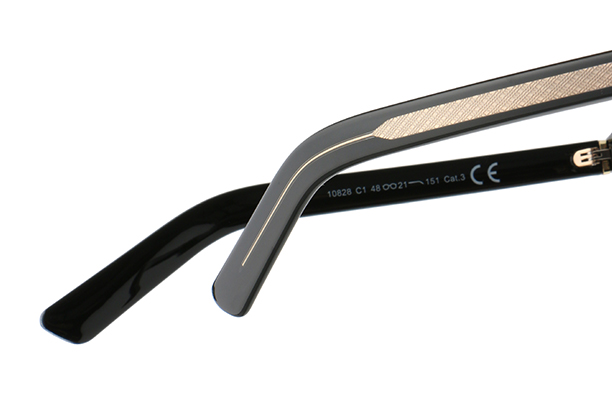
Helping your customers find a flattering fit can dramatically increase satisfaction and sales. While personal style is subjective, some general guidelines can help you curate a collection that appeals to a wide range of people. The goal is to create balance and contrast. A frame should complement a person's features, not overpower or mimic them. The most important rule, above all, is that the total width of the glasses should be very close to the width of the person's face. This ensures the scale is right. A frame that is too narrow will look small and feel tight, while a frame that is too wide will look oversized and slip.
| Face Shape | Recommended Frame Characteristics | How It Creates Balance |
|---|---|---|
| Round | Square or rectangular frames with bold angles. | Adds sharp lines to contrast soft facial curves, creating definition. |
| Square | Round or oval frames. | Softens a strong, angular jawline and cheekbones. |
| Oval | Almost any style works. | The balanced proportions can handle most shapes, from bold to classic. |
| Heart | Frames wider at the bottom, like aviators. | Balances a wider forehead by adding perceived width to the chin area. |
Addressing Common Issues: How Improper Measurements Affect Comfort and Vision?
Your new glasses keep slipping down your nose, or worse, they give you a headache. These are not minor annoyances. They are clear signs of a poor fit that is hurting comfort.
Improper measurements are the primary cause of ill-fitting glasses. A bridge that is too wide causes slipping. Temples that are too short create pressure behind the ears. A frame that is too narrow will pinch the head, often leading to discomfort and headaches.
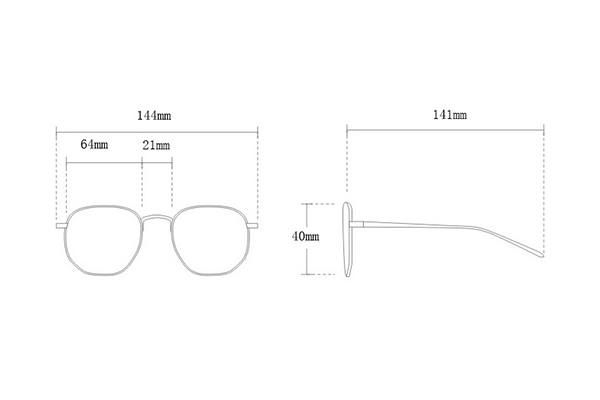
As an eyewear brand or retailer, preventing these issues is crucial for customer satisfaction and loyalty. Many fit problems can be traced back to a specific measurement mismatch. For example, standard frames are often not wide enough for everyone. We recently worked with a client in the US who found that typical glasses always felt too tight on his head. This caused him constant discomfort and even headaches. To solve this, we created a custom mold for a frame with a 151mm total width, which gave him the perfect, comfortable fit. For other clients with similar needs, we integrate spring hinges into our designs. These hinges allow the temple arms to flex outward, accommodating wider faces without needing a fully custom size. It’s about using our manufacturing capabilities to solve specific fit problems for our partners.
| Common Problem | Likely Measurement Cause | Solution for a Better Fit |
|---|---|---|
| Glasses constantly slip down | The Bridge Width[^2] is too wide for the nose. | Choose a frame with a narrower bridge or one with adjustable nose pads. |
| Pinching and red marks on the nose | The Bridge Width[^2] is too narrow. | Select a frame with a wider bridge measurement. |
| Frames feel tight on the head | The Total Frame Width is too narrow for the face. | Look for a wider frame or consider custom options like we offer. |
| Soreness behind the ears | The Temple Arms are too short or poorly adjusted. | Choose a frame with longer temple arms for a proper fit. |
Conclusion
Understanding eyeglass measurements is key to comfort, style, and customer satisfaction. From decoding the numbers to requesting custom specs, you now have the knowledge to find or create the perfect pair.
[^1]: Understanding Eye Size helps you choose frames that fit well and look great.
[^2]: Bridge Width is crucial for comfort; learn how it impacts your eyewear experience.
[^3]: Temple Length ensures your glasses sit securely; knowing this helps avoid discomfort.
[^4]: Pantoscopic Tilt affects visual clarity; learn how it impacts your glasses' performance.
[^5]: Wrap Angle is important for sports styles; discover how it enhances coverage and comfort.
[^6]: Lens Height is vital for vision; understanding it can enhance your eyewear choice.
[^7]: Accurate Frame Measurements ensure a perfect fit; learn the best methods to measure.
[^8]: Matching frames to Face Shapes enhances style; explore tips for flattering eyewear.
Share:


Post time: Jan-09-2026