Determining the quality of sunglasses involves examining several critical factors, from lens and frame materials to brand reputation and manufacturing details. Understanding these elements ensures you invest wisely in eyewear that is both protective and stylish.
Lens Quality
UV Protection

Protection from ultraviolet rays is paramount in sunglasses.
- Importance of UV Protection: Prevents eye conditions such as cataracts.
- UV400 Rating: Blocks all UVA and UVB rays.
- Categories (UV Filter Category 0 to 4): Indicates the amount of light absorption, with Category 4 offering the highest protection.
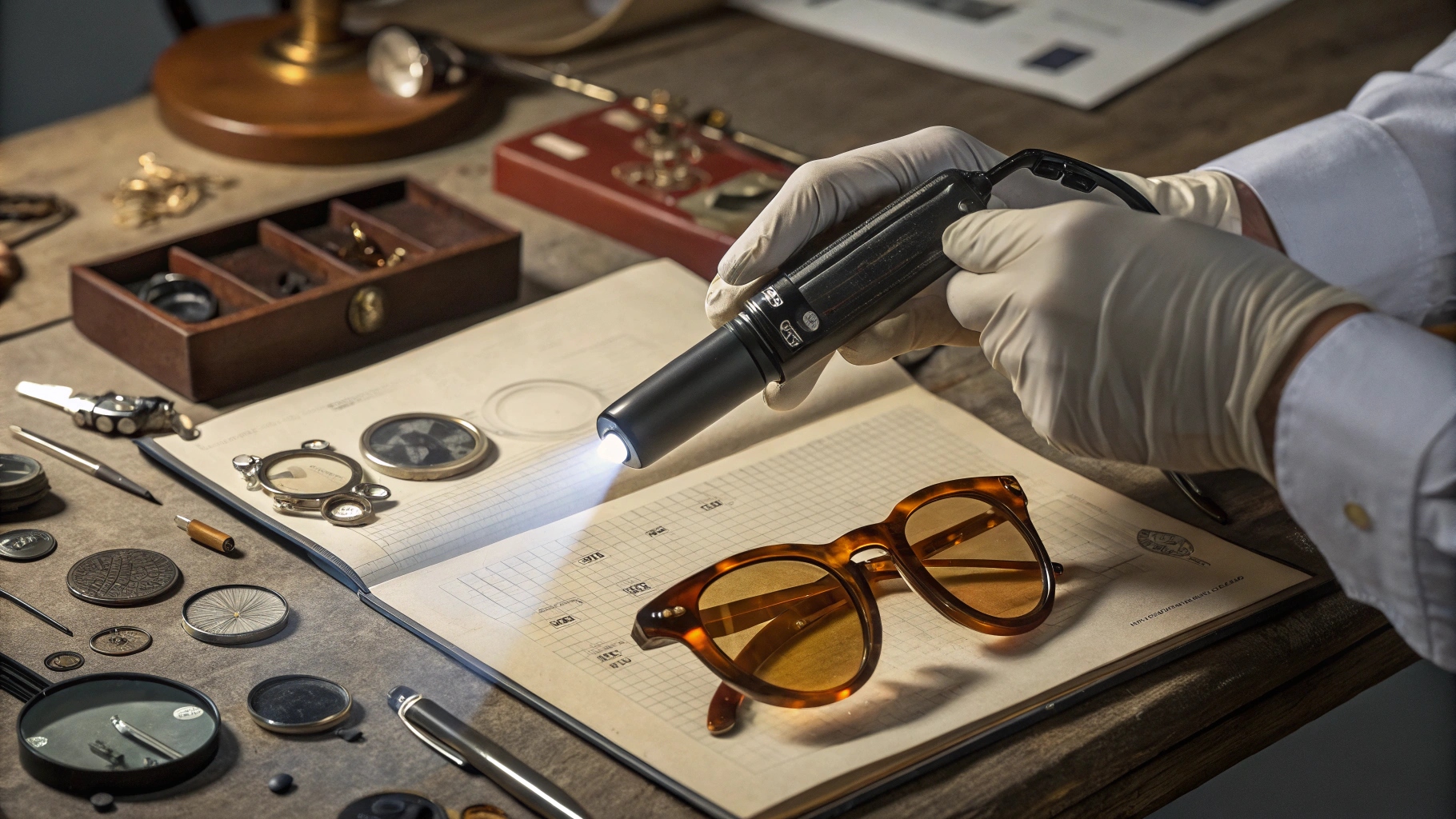
- Methods for Testing UV Protection:
- UV Flashlight Test: Use a UV flashlight to verify protection.
- Lab Testing: Professional assessment of UV blocking capabilities.
- Sunlight Test: Check lenses by observing reflection and absorption under direct sunlight.
Material

Determining the right lens material affects both durability and clarity.
- Polycarbonate: Known for impact resistance and lightweight.
- Glass: Offers superior scratch resistance and optical clarity.
- CR-39 Plastic: Provides good optical quality and is lightweight.
- High-Index Plastics: Suitable for stronger prescriptions with less lens thickness.
Polarization

Polarization enhances visual comfort by reducing glare.
- Definition and Benefits:
- Glare Reduction: Eases viewing in bright conditions, especially over water.
- Enhanced Contrast: Improves color perception and detail.
- Better Visual Comfort: Reduces eye strain.
- Polarized Test: Use an LCD screen to check for polarization effects.
Lens Coatings

Coatings add durability and improve vision clarity.
- Anti-Reflective Coating: Reduces glare, particularly in low-light conditions.
- Scratch-Resistant Coating: Extends lens life and enhances durability.
- Mirror Coating: Offers aesthetic appeal and additional UV reflection.
- Hydrophobic and Oleophobic Coatings: Resists water and oil, keeping lenses cleaner.
Clarity and Distortion
Ensuring visual accuracy in lenses is vital for effective eyewear.
- Visual Accuracy: Lenses should maintain a clear and undistorted view.
- Testing for Distortion:
- Grid Pattern Test: Checks for any distortions or warping.
- Focus and Sharpness: Ensures lens clarity across all points.
- Chromatic Aberration: Reduced through quality materials to maintain image fidelity.
Frame Quality
Material

Frame materials impact comfort, durability, and style.
- Plastic: Types like TR90 offer flexibility and affordability.
- Metal: Includes options like stainless steel, aluminum, and titanium, noted for corrosion resistance.
- Acetate: Known for vibrant colors and potential for handcrafted designs.
Durability
Durability is critical for long-lasting sunglasses use.
- Flexibility: Frames should bend under stress without breaking.
- Resistance to Breaking: High-quality materials enhance the lifespan.
- Quality of Hinges: Ensures the frame holds firmly during wear.
Comfort
Proper fit enhances wearability and comfort.
- Fit: Important for secure seating, adjusted via nose pads and temple grip.
- Weight: Lightweight materials offer better balance and reduce pressure.
Brand Reputation
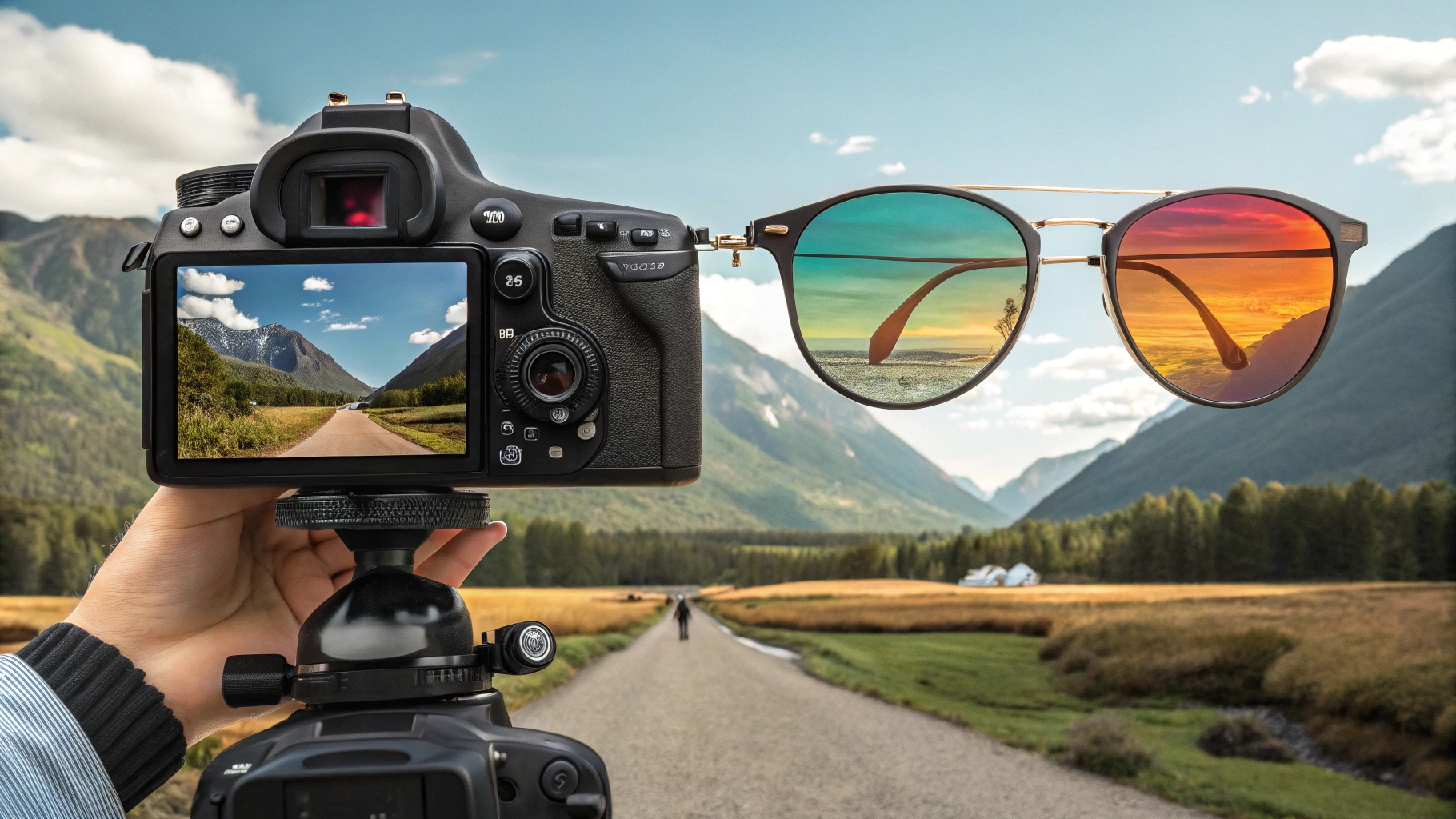
A reputable brand often ensures quality and performance.
- Known Brands: Recognized manufacturers often provide tested and trusted products.
- Customer Reviews: Valuable insights through online reviews, expert opinions, and consumer reports.
- Warranty and Return Policy: Often reflects manufacturer confidence; check for reasonable policies.
Manufacturing Details
Quality manufacturing is reflected in design precision and consistency.
- Attention to Detail: Indicates high-standard production practices.
- Symmetry and Alignment: Proper alignment and symmetrical frames denote quality.
- Consistency: Look for uniformity across parts and finishes.
- Certification Marks: Recognize certifications like CE, ANSI, and ISO for safety standard compliance.
Price vs. Quality
Assessing price against product quality ensures sensible investment.
- High-End Sunglasses: Usually involve premium materials and craftsmanship.
- Affordable Options: Offer essential protection and value for everyday use.
- Value for Money: Consider cost-benefit analysis, viewing sunglasses as a long-term investment. Look out for seasonal discounts and offers.
Conclusion: Evaluating the lens and frame quality, ensuring UV protection, considering brand reputation, and understanding the price-quality relationship all contribute to choosing high-quality sunglasses that best suit your needs.
Share:


Post time: Jun-03-2025