Your eyes face constant assault from UV rays - even on cloudy days. Quality sunglasses serve as essential armor, not just fashion accessories, for long-term eye health.
Medical-grade sunglasses providing 100% UV400 protection reduce cataract risk by 40%, prevent 90% of photokeratitis cases, and cut macular degeneration risk by 50%. Proper polarization enhances visual clarity by reducing glare up to 99% while maintaining critical contrast recognition.

1. Essential Health Protection
Sunglasses defend against multiple silent threats accumulating over a lifetime.
1.1 Critical UV Defense
Three-layer protection needed:
- UV-A (315-400nm): Penetrates deep into eye tissues
- UV-B (280-315nm): Causes surface burns
- Blue light (400-500nm): Emerging retinal risk
Disease prevention statistics:
- 40% lower cataract development
- 50% decreased macular degeneration
- 90% photokeratitis prevention

1.2 Daily Exposure Risks
| Activity | UV Index | Exposure Time Before Damage |
|---|---|---|
| Beach day | 8-10 | 15-30 minutes |
| Winter sports | 6-8 | 30-45 minutes |
| City commute | 3-5 | 2-3 hours |
| Cloudy day | 2-4 | 4-6 hours |
2. Situational Necessity
Specific environments dramatically increase ocular risk factors.
2.1 High-Risk Scenarios
Snow reflection:
- 85% UV radiation rebound
- "Snow blindness" possible in <1 hour
Water activities:
- 100% glare increase
- Polarization reduces water surface glare
Driving conditions:
- 90% horizontal glare reduction
- Sunrise/sunset angle challenges

2.2 Activity-Specific Protection Needs
| Scenario | Minimum Protection | Special Features |
|---|---|---|
| Mountain climbing | UV400 + side shields | Amber/gray tint |
| Water sports | Polarized + floating | Mirror coating |
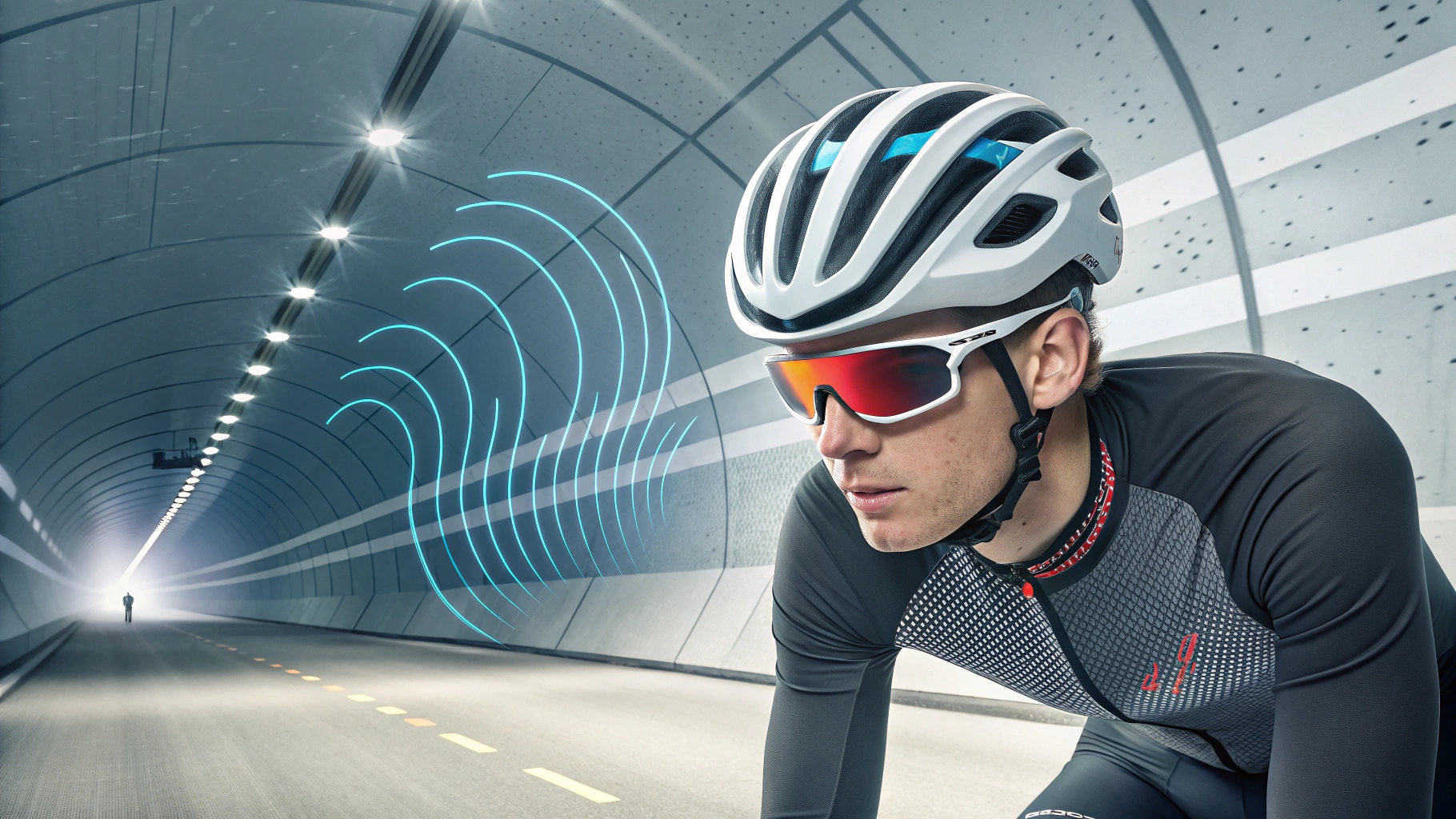
| Urban cycling | Impact-resistant | Photochromic |
| Post-surgery | 100% UV block | Extra dark tint |
3. Special Population Needs
Certain groups require enhanced protective measures.
3.1 Vulnerable Demographics
Children's eyes:
- 70% more UV penetration
- Cataract clock starts early
Light-sensitive individuals:
- Migraine prevention
- Post-LASIK protection
Medication risks:
- Antibiotic photosensitivity
- Psychiatric drug warnings

3.2 Lifetime UV Exposure Timeline
| Age | Cumulative Damage Risk | Protection Priority |
|---|---|---|
| 0-10 | Lens transparency allows 70% UV penetration | Critical |
| 20-40 | 50,000+ hours of potential exposure | Essential |
| 40+ | Visible damage accumulation | Therapeutic |
4. Smart Selection Guide
Not all sunglasses provide equal protection - know what matters.
4.1 Essential Features Checklist
Certification marks:
- UV400 or 100% UV protection
- ANSI Z80.3 standard
- CE marking
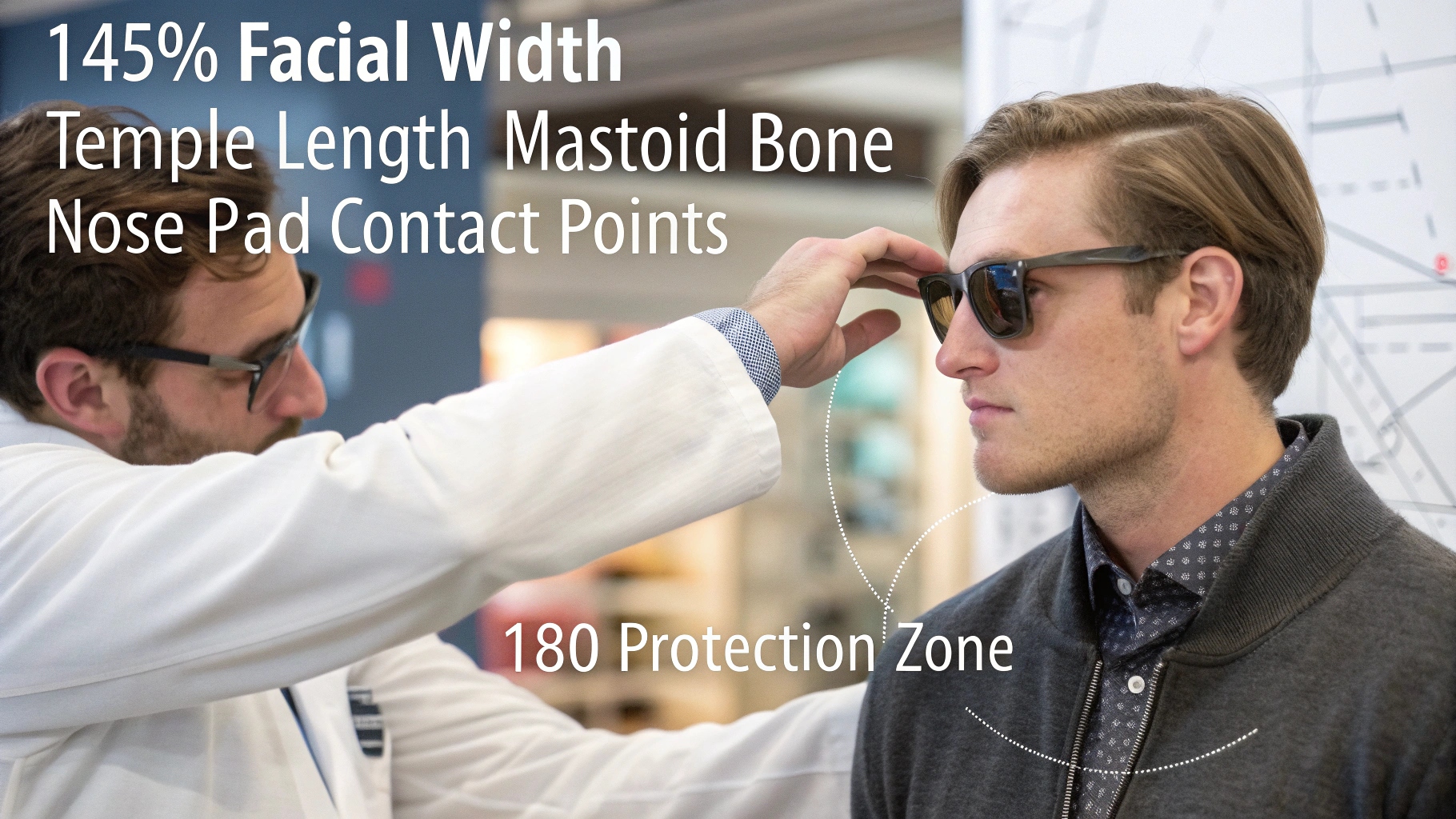
Fit requirements:
- Wrap-around style blocks 95% stray light
- Minimum 6mm temple width
- Nose pad adjustments
4.2 Lens Type Comparison
| Type | UV Protection | Glare Reduction | Best Use |
|---|---|---|---|
| Polarized | 100% | 90-99% | Driving/water |
| Photochromic | 100% | 60-90% | Variable light |
| Mirrored | 100% | 70-85% | High altitude |
| Gradient | 100% | 50-70% | Everyday wear |
5. Professional Recommendations
Ophthalmologists advocate specific usage guidelines.
5.1 Expert Usage Advice
Daily wear rules:
- Mandatory above UV index 3
- Cloudy day requirement
- Winter protection equal to summer
Activity timing:
- 10AM-4PM peak hours
- Extended outdoor exposure
- Recovery periods post-surgery
5.2 Global Health Standards
| Organization | Recommendation | Key Points |
|---|---|---|
| WHO | Daily UV protection | Preventable blindness |
| AAO | Year-round wear | Cumulative damage |
| FDA | FDA-regulated labels | US standards |
Conclusion:
Proper sunglasses aren't optional - they're medical necessities reducing cataract risks by 40% and preventing 90% of UV-related eye injuries. For comprehensive protection, choose wrap-around 100% UV400 lenses with polarization matching your activities, and wear them whenever UV index exceeds 3, regardless of season. Just as sunscreen protects skin, quality sunglasses safeguard your vision from irreversible photochemical damage that accumulates over decades, not days
Share:


Post time: Jun-19-2025