Struggling to find the right eyewear factory in China[^1]? A bad choice can ruin your brand. This guide simplifies your search for the perfect, reliable manufacturing partner.
To find the perfect eyewear manufacturer in China, first define your needs (e.g., brand level, quantity). Then, evaluate suppliers not just on price, but on communication[^2], responsiveness, and their ability to solve problems. A good fit is a partner who understands your business.
Finding the right partner is more than just a quick search. It's about understanding the entire manufacturing ecosystem. I've learned a lot over my 15 years in this business, and I want to share some of that with you. Let's break down how you can make a more strategic choice.
How Do You Differentiate Between China's Specialized Eyewear Hubs?
Do all Chinese eyewear factories look the same to you? You might be wasting time with the wrong suppliers. Learn to identify specialized hubs to find your ideal partner faster.
China's eyewear hubs are specialized. Wenzhou and Taizhou are great for a wide variety of plastic and metal sunglasses at competitive prices. Shenzhen[^3] often handles high-end acetate and premium brand orders. Knowing these differences helps you focus your search on the right region for your product.
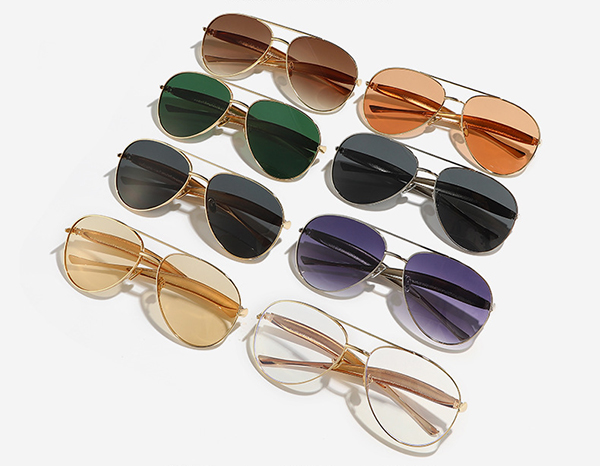
It's really important to understand that not all factories are the same. A factory's location in China often tells you a lot about its specialty. For example, some regions are famous for producing huge quantities of affordable sunglasses, which is perfect for wholesalers. Other areas are known for detailed, high-quality work on premium materials like acetate, attracting luxury brands. We've seen this firsthand over the last 15 years. You need to ask yourself: am I looking for a high-volume, budget-friendly product, or a premium, custom-designed frame? Your answer will point you to the right region and the right type of factory. It's about matching your business needs with the supplier's core strengths.
| Eyewear Hub | Primary Specialization | Best For |
|---|---|---|
| Wenzhou/Taizhou | Plastic (TR90, PC), Metal Sunglasses | Wholesalers, promo items, fast fashion |
| Shenzhen[^3]/Dongguan | Acetate, Titanium, High-end Metal | Designer brands, optical frames, smart eyewear |
| Danyang | Optical Lenses, Eyeglass Frames | Optical chains, prescription eyewear brands |
This is why you must first know what you want. A large factory serving big brands might not be interested in a smaller, custom order. A smaller, more flexible factory like ours might be the perfect fit for an Amazon seller or a growing brand that needs a variety of styles and responsive service[^4].
What Should You Look for in a Supplier Besides Price and MOQ?
Focusing only on low prices and minimum order quantity (MOQ)[^5] is a big risk. Hidden costs from delays and quality issues can erase your savings. Look for these other crucial qualities.
Beyond price, prioritize a supplier's communication[^2]. Do they respond quickly and clearly? A great partner is a problem-solver who understands your market. Their ability to handle full customization[^6], from logos to packaging, is a sign of a professional and reliable operation that can support your brand's growth.
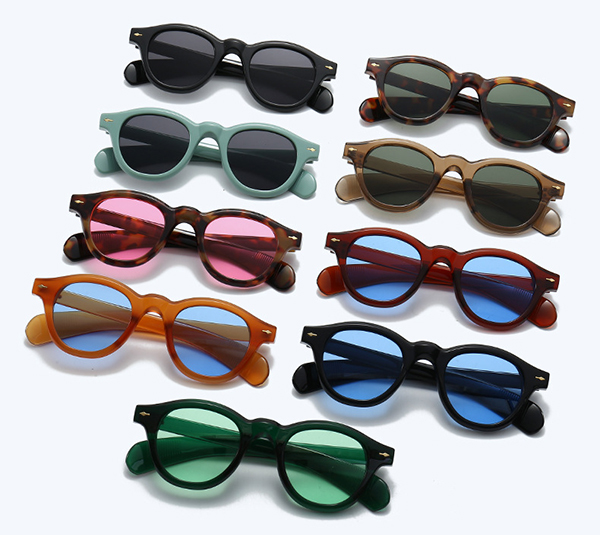
In my experience, the most important factor is how a supplier communicates. You can have the best price in the world, but if your contact disappears for days or doesn't understand your instructions, you're going to have problems. A great supplier, whether they are a big factory or a smaller one like us, will reply to you promptly. More importantly, they will be there to help you when issues come up after you've placed the order. That is the true test of a partner. We work with many brand owners on Amazon and wholesalers from the US and Europe. They tell us that our responsiveness is what they value most. They need a partner who can handle custom requests, manage production, and fix any issues without delay. So, when you're talking to potential suppliers, pay close attention to how they handle your questions. Are they helpful? Do they offer solutions? That's more valuable than saving a few cents per unit.
How Can You Verify a Supplier's Quality and Compliance?
A supplier's website promises full compliance and high quality. But what if their products fail your country's standards? You need a clear process to verify their claims before you commit.
To verify quality, always start by ordering physical samples. Don't just rely on photos. Ask for copies of their key certifications, like FDA for the US or CE for Europe. For significant orders, arranging a factory audit through a third-party service gives you a true picture of their capabilities.
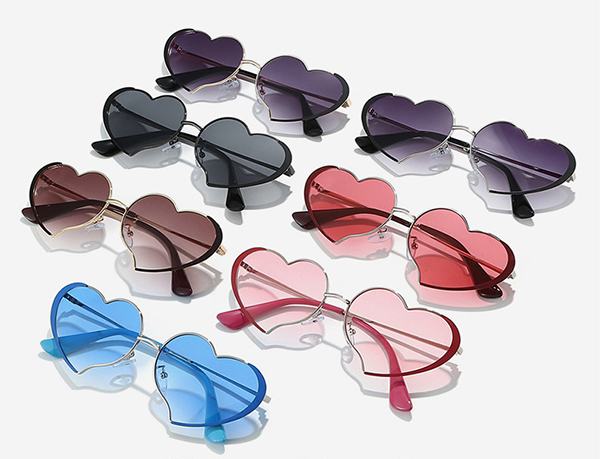
Verifying a supplier is a critical step you can't skip. We've worked with clients like Victoria from the US and Lee from the UK, and they have strict requirements. For example, products going to the US need to meet FDA standards. For Europe, it's CE. Some large retail groups even require specific tests like Prop65. A professional supplier should be able to provide these documents easily. We have all the necessary certifications for our main export markets. But documents are only one part. You must get samples. When you hold the sunglasses, check the small details. How smooth are the hinges? Does the material feel cheap or solid? Are the lenses clear? These things tell you about their real quality control. For larger buyers like Lee, who sources for a big group, a factory audit[^7] is standard. They use services like BV to inspect the factory's environment and processes. A good supplier is open to this. It shows they are confident in their operations and have nothing to hide.
Should You Consider Smart Eyewear and Tech-Integrated Products?
The traditional sunglasses market is very competitive. It's difficult to stand out with another fashion frame. Exploring tech-integrated eyewear could be your key to unlocking higher margins and new customers.
Yes, exploring smart eyewear[^8] can set your brand apart. Look for suppliers, often in tech-focused regions like Shenzhen[^3], who have R&D capabilities for products like Bluetooth glasses. Start with a small, customized test batch to validate the market demand before you invest in a larger inventory.
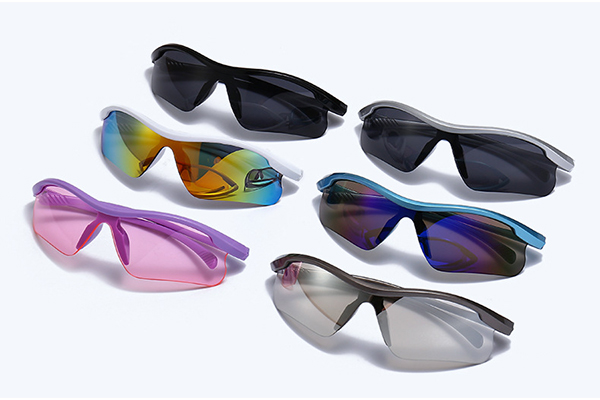
Innovation is what keeps a brand exciting. While classic styles are always in demand, new products like smart eyewear[^8] are creating new opportunities. This includes things like Bluetooth sunglasses for listening to music, or advanced photochromic (color-changing) lenses. However, sourcing these products is different. You need a manufacturer that doesn't just assemble frames, but also has experience with electronics, software, and more complex materials. These suppliers are usually more specialized and might have higher MOQs. It's a good idea to be cautious. The technology can be complex, and you need to ensure the product is reliable. While our main focus is on high-quality fashion and sport sunglasses, we stay on top of these trends. We can help our clients explore these new areas by connecting them with trusted partners in our network or developing custom solutions if the project is a good fit. It’s about finding the right balance between timeless style and new technology to keep your customers engaged.
What Are the Best Channels for Sourcing Eyewear Suppliers?
Where do you even begin looking for an eyewear supplier? Relying only on one platform like Alibaba means you might be missing out on better options. Use a mix of channels.
Use a multi-channel strategy. B2B platforms[^9] like Alibaba are great for finding many suppliers quickly. A direct Google search[^10] can uncover independent factories with their own websites. Attending industry trade shows[^11], either in-person or online, lets you meet suppliers and compare products directly.
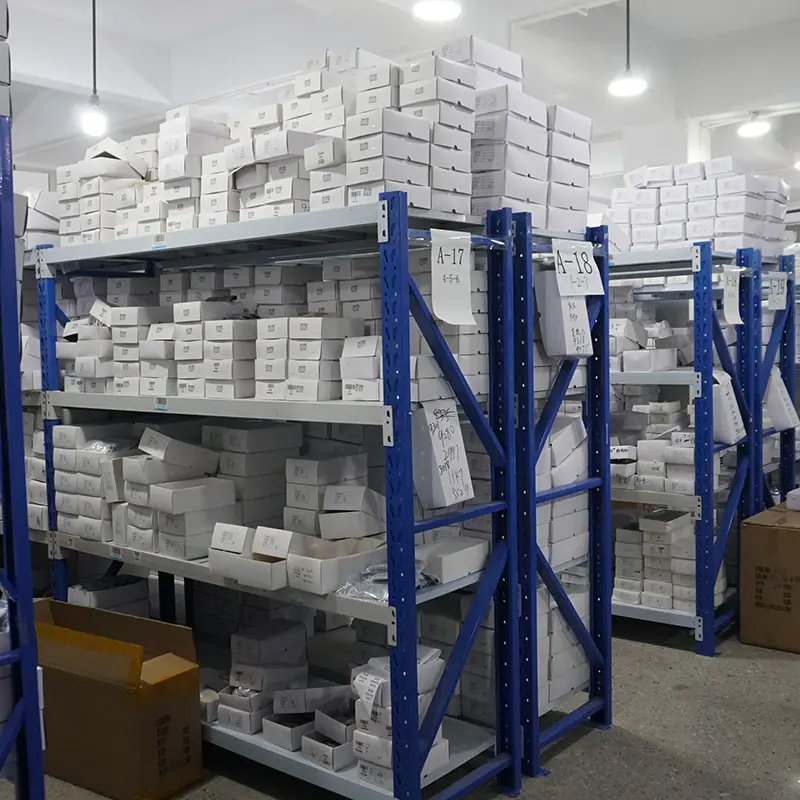
Finding the right supplier depends on where you look. Different buyers use different methods. Our customers find us through various channels, so we make sure to be present on all of them. Each channel has its pros and cons. For example, B2B platforms[^9] are great for casting a wide net, but you have to spend a lot of time filtering out the wrong fits. A direct search on Google can lead you to a factory's own website, like ours. This often means they are more established and serious about their business. Trade shows are fantastic for building relationships, but they require a significant investment of time and money.
| Sourcing Channel | Pros | Cons |
|---|---|---|
| B2B Platforms (e.g., Alibaba) | Huge selection, easy to compare prices | Many trading companies, quality varies |
| Google Search | Find independent factories, direct contact | More time-consuming, requires good keywords |
| Trade Shows | Meet face-to-face, see products | Expensive, time-intensive |
| Social Media (LinkedIn, etc.)[^12] | See company culture, direct outreach | Less formal, harder to vet |
A smart strategy is to use all of them. Start broad on a B2B site, then do a deeper dive on the most promising suppliers by checking their websites and social media.
Conclusion
In conclusion, finding the right eyewear partner in China is about clear self-assessment and prioritizing responsive communication[^2]. This strategic approach ensures a successful and profitable long-term business relationship.
[^1]: Discovering the right factory can elevate your brand's quality and reputation, ensuring you meet market demands effectively.
[^2]: Effective communication ensures smooth operations and problem-solving, vital for maintaining quality and meeting deadlines.
[^3]: Shenzhen specializes in premium materials, attracting luxury brands seeking quality and innovation.
[^4]: Responsive service ensures timely support and issue resolution, fostering a reliable and long-term partnership.
[^5]: Knowing MOQ helps you align with suppliers that match your production needs, avoiding unnecessary costs and inventory issues.
[^6]: Customization allows your brand to stand out, offering unique designs that cater to specific market needs.
[^7]: Audits provide a detailed assessment of a factory's operations, ensuring they meet your quality and compliance requirements.
[^8]: Smart eyewear offers innovative features that can differentiate your brand and attract tech-savvy consumers.
[^9]: B2B platforms provide access to a wide range of suppliers, facilitating comparison and selection based on your criteria.
[^10]: Direct searches can lead to established factories with unique offerings, bypassing middlemen and enhancing direct communication.
[^11]: Trade shows offer direct interaction with suppliers, allowing you to assess products and build relationships firsthand.
[^12]: Social media provides insights into company culture and direct outreach opportunities, enhancing your supplier vetting process.
Share:


Post time: Feb-13-2026