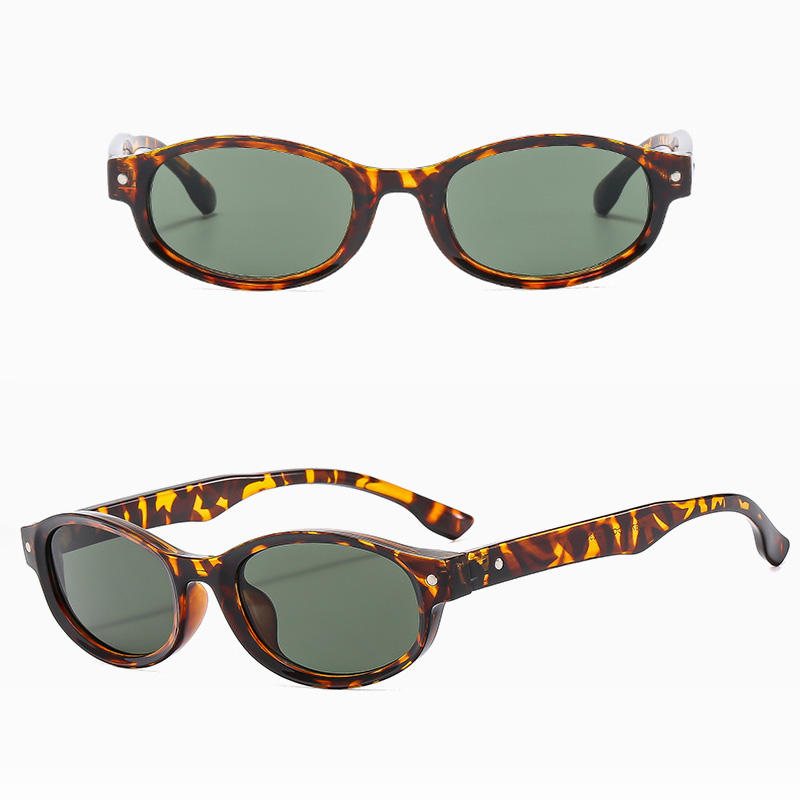
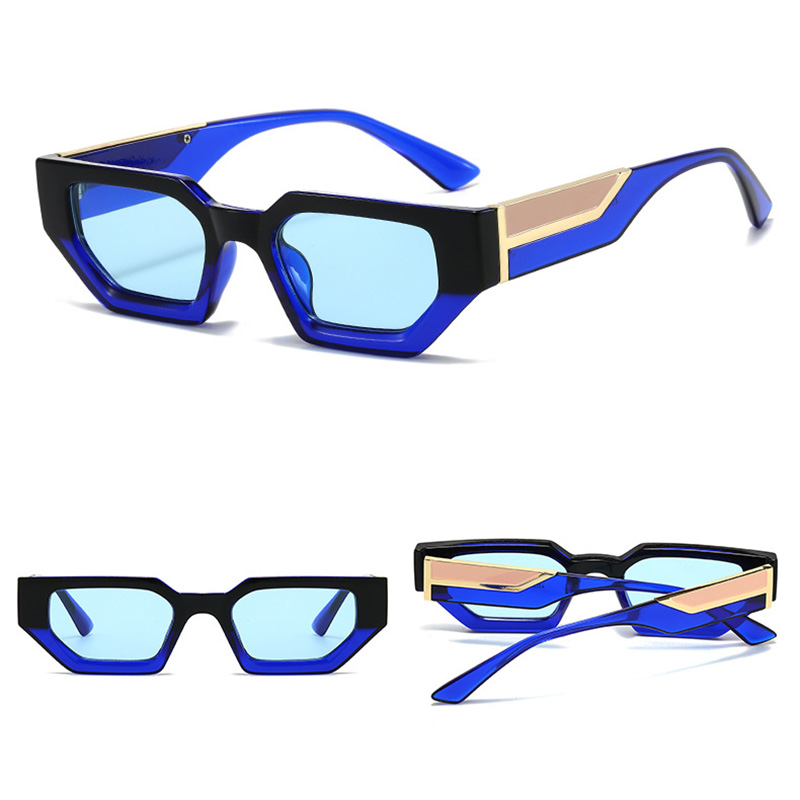
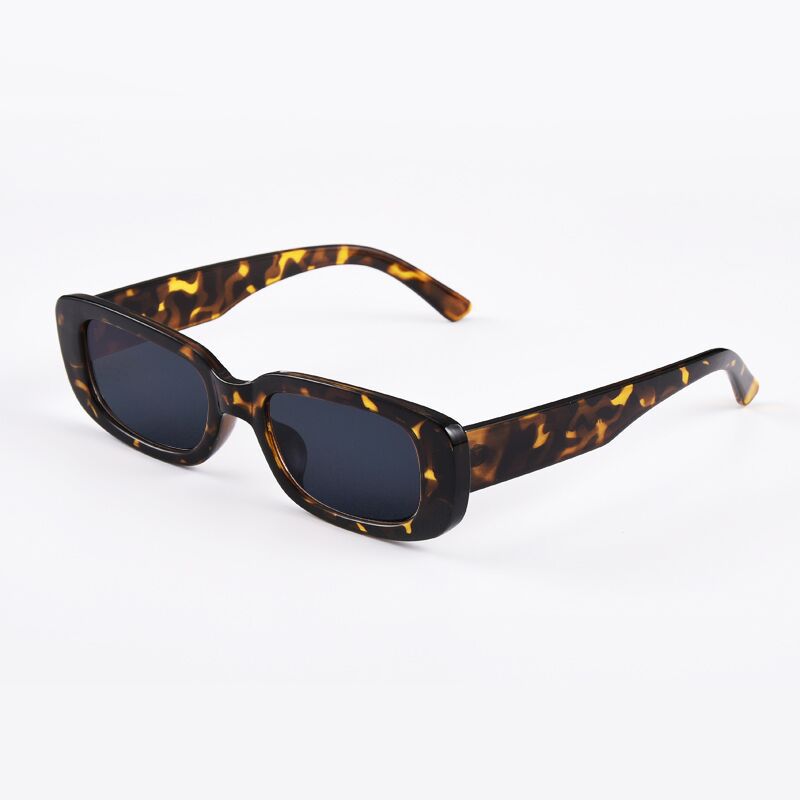
The Best Global Acetate Manufacturers in 2026-27
Choosing the best acetate manufacturers for your eyewear line is one of the most consequential sourcing decisions you'll make — and one of the most misunderstood. Too many brand owners and wholesale buyers fixate on supplier name recognition while ignoring the variables that actually determine whether frames arrive on time, on spec, and within budget. The right framework beats the right brand name every time.
There is no single "best" acetate manufacturer. The right supplier depends on your order volume, target price tier, market positioning, and operational constraints. Italian heritage brands like Mazzucchelli excel for prestige positioning[^1], large-scale Chinese sheet producers offer competitive pricing at volume[^2], and Japanese mills deliver exceptional color precision — but each archetype carries trade-offs in MOQ, lead time, and customization flexibility. The best approach is to match your specific sourcing needs to a supplier's sweet spot, not chase a logo on a material data sheet.

Below, I break down the major acetate manufacturer archetypes, explain the hidden variables most buyers overlook, and share a decision framework built from years of hands-on purchasing and quality control across multiple suppliers. Whether you're a startup brand ordering 300 pieces or a distributor placing five-figure orders, this guide will help you shortlist the acetate partner that actually fits.
Why Does Acetate Manufacturer Selection Matter More Than Other Frame Materials?
Not all eyewear materials punish bad sourcing decisions equally. With injection-molded PC or TR90 frames, the production process is highly automated and the quality floor is relatively high — a competent factory will deliver acceptable results almost every time. Acetate is a different story, and that difference is exactly why you're reading this article.
Acetate is a plant-derived premium material with richer color depth, superior texture, and better structural stability than injection plastics. It's the material of choice for fashion-forward and designer eyewear collections — hypoallergenic, shape-retaining, and capable of stunning color layering that no thermoplastic can match. But that premium ceiling comes with a wider quality floor. The same raw acetate sheet, processed poorly, can yield frames with visible seam lines, inconsistent color, or rough polish that screams "cheap" to any consumer who picks them up.

The Quality Ceiling and Floor Are Both Wider in Acetate
From a procurement standpoint, I've seen this gap firsthand. Two factories purchasing from the same sheet supplier can produce frames that feel like entirely different products.[^3] One ships frames with a buttery hand-polished finish and perfect color registration across a 500-piece batch. The other delivers frames with visible tumble marks, slight color shifts between the first and last trays, and temples that don't quite match the fronts.
The reason? Acetate frame production involves multiple manual and semi-manual stages — cutting precision, barrel tumbling duration, hand polishing passes, and final QC inspection[^4] — that amplify or diminish the raw material's inherent quality. This is fundamentally different from TR90 or PC, where the injection mold itself determines most of the final product's quality.
Here's what that means for you as a buyer:
- Supplier selection has outsized impact on your final product's perceived retail value.
- Sheet grade matters more than sheet brand. Every major acetate supplier offers a range of grades. Specifying the wrong grade — or letting your factory default to their cheapest option — erases whatever brand premium you paid for.
- Processing quality is the hidden multiplier. A mid-grade Chinese acetate sheet, expertly polished and carefully QC'd, can outperform a premium Italian sheet that's been rushed through a factory with poor finishing discipline.
Key takeaway: If you're sourcing acetate frames, the manufacturer you choose will be more visible in the final product than with any other frame material. That's why getting this decision right justifies the research you're doing now.
What Are the Major Acetate Manufacturer Archetypes in 2026-27?
Buyers searching for "best acetate manufacturers" often expect a simple ranked list. But the global acetate supply chain doesn't work that way. Instead, manufacturers cluster into distinct archetypes, each with a different sweet spot for different buyer profiles. Understanding these archetypes is far more useful than memorizing factory names.
The global acetate eyewear supply chain in 2026-27 can be organized into four primary manufacturer archetypes: Italian heritage brands, large-scale Chinese sheet producers, specialized Japanese mills, and integrated Chinese frame factories. Each serves a different intersection of price, volume, quality, and customization — and none is universally "best."

Archetype Breakdown
| Archetype | Typical Strengths | Typical Limitations | Best-Fit Buyer |
|---|---|---|---|
| Italian Heritage Brands (e.g., Mazzucchelli) | Prestige origin, exceptional color library, decades of R&D, recognized by end consumers | Higher per-sheet cost, longer lead times, higher MOQs on custom colors | Premium/luxury brands selling in EU and NA markets where "Made in Italy" commands retail markup |
| Large-Scale Chinese Sheet Producers | Competitive pricing, large capacity, increasing quality range, shorter lead times | Color consistency can vary across batches, brand perception gap in Western markets | Mid-market brands, high-volume wholesalers, private-label programs |
| Specialized Japanese Mills | Exceptional precision, unique color effects, high batch consistency | Premium pricing, limited capacity, can be difficult to communicate with for non-Japanese buyers | Niche/artisan brands, Japanese-market-focused lines, buyers who need very specific color engineering |
| Integrated Chinese Frame Factories | One-stop sourcing (sheet to finished frame), flexible MOQs, fast turnaround, logo customization | Quality ceiling depends heavily on the specific factory's finishing discipline; sheet origin may be opaque | Startup brands, small-batch wholesalers, buyers who prioritize speed and mixed-style ordering |
Italian Heritage Brands
Mazzucchelli is the name most buyers encounter first, and for good reason. As a general industry observation, Italian acetate producers have invested decades in color R&D, and their pattern libraries are enormous. If you're building a luxury or high-fashion line where "Italian acetate" appears on your marketing materials and your target consumer cares about provenance, this archetype is hard to replace.
But here's what I tell buyers who come to us fixated on Italian origin: the premium is real, but so is the cost. Italian sheet pricing runs significantly higher than comparable Chinese grades.[^5] Custom color minimums can be steep. Lead times — from order to sheet delivery at the fabricating factory — can stretch to 8–12 weeks or longer, especially for bespoke patterns. For a brand launching its first collection with four or five styles, those constraints can be punishing.
Large-Scale Chinese Sheet Producers
Based on production batches we've evaluated over multiple years, Chinese acetate sheets have closed much of the quality gap with Italian suppliers for mid-market products. The top-tier Chinese sheet producers now offer color depth and surface quality that would have been unthinkable a decade ago. Some even supply sheets to European frame factories.
The caveat: not all Chinese acetate is created equal. These producers typically offer multiple grades, and the difference between their premium tier and their economy tier is stark. Buyers who simply order "acetate frames" without specifying sheet grade often receive the factory's default — which may be the cheapest option that meets basic specs. This is the single most common source of disappointment I see in buyer complaints about Chinese acetate.
Specialized Japanese Mills
Japanese acetate manufacturers occupy a distinctive niche. Their strength lies in precision color engineering — achieving subtle gradients, unique transparency effects, and exceptional batch-to-batch consistency. For buyers who need a very specific look that must be perfectly replicated across reorders, Japanese mills can be worth the premium.
The practical challenge is access. MOQs for custom colors tend to be high, communication often requires a Japanese-speaking intermediary, and capacity is limited compared to Chinese or Italian operations. Unless your product strategy specifically demands Japanese material qualities, this archetype is usually not the starting point for most Western buyers.
Integrated Chinese Frame Factories
This is the archetype I know most intimately. An integrated factory purchases acetate sheets (from any of the above sources) and handles every stage from CNC cutting to final polishing and packing. The buyer receives finished frames — not raw sheets.
The advantage for many of our customers is flexibility: mix-and-match styles and colors from stock, customize logos on small orders, and receive shipments in weeks rather than months. The quality ceiling is determined by the factory's processing discipline, not just the sheet brand. In our own operation, we work with multiple sheet suppliers across different grades precisely because different customers have different quality-to-price requirements.
How Do You Evaluate Acetate Sheet Grade vs. Brand Name?
Most buyers conflate acetate brand names with quality. It's an understandable shortcut, but it leads to costly misalignment between what you expect and what you receive. The real quality variable isn't the name on the sheet — it's the grade within that supplier's lineup, combined with how the fabricating factory processes it.
Material grade and brand name are not the same thing. Every major acetate supplier — Italian, Chinese, or Japanese — produces multiple grade tiers. A top-grade Chinese acetate sheet can outperform a low-grade Italian sheet on color depth, surface finish, and dimensional stability. The brand on the sheet is a starting point for evaluation, not a guarantee of quality in the finished frame.
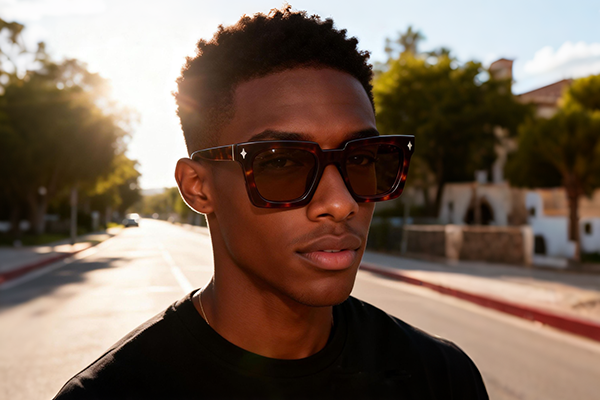
What Actually Varies Between Grades?
From a buyer's perspective, here are the variables that change across acetate grades from the same supplier:
- Color saturation and depth: Higher grades show richer, more consistent color. Lower grades may appear slightly washed out or have subtle cloudiness in transparent layers.
- Surface hardness and polish receptivity: Premium sheets accept a higher polish with fewer passes, resulting in that "glass-like" surface buyers associate with luxury frames. Lower grades may retain micro-scratches even after extended tumbling.
- Dimensional stability over time: Better grades resist warping from heat and humidity. This matters enormously for frame fit consistency — a frame that shifts shape on the shelf damages your brand.
- Color batch consistency: The best grades deliver tight color matching across production runs. Economy grades can shift noticeably between batches, creating headaches for reorders.
The Processing Multiplier
Here's an insight that took me years of sourcing to fully appreciate: the same sheet grade, processed by two different factories, will produce noticeably different finished products. Cutting precision determines how clean the frame edges are before polishing even begins. The number and duration of tumbling stages affect surface smoothness. Hand polishing — the number of passes, the skill of the worker, the quality of the polishing compounds — creates the final tactile and visual impression.
This is why I always recommend that buyers request finished sample frames rather than judging a supplier solely by their sheet supplier certificates. A sheet certificate tells you what went into the factory. A finished sample tells you what comes out.
A Practical Evaluation Checklist
When we evaluate a new acetate frame supplier or a new sheet grade, here's what we examine:
- Hold the frame at eye level under strong light. Look for surface irregularities, polish inconsistencies, and color shifts between the front and temples.
- Flex the temples gently. Good acetate has a slight spring with a solid feel. Poor grades feel brittle or overly rigid.
- Compare temple tips to the front. Color and finish should match. Mismatches indicate poor batch control or mixing of sheet lots.
- Check five random frames from the same order. If color varies noticeably across the batch, grade consistency is suspect — regardless of brand.
- Ask the supplier which sheet grade they quoted. If they can't or won't answer, that's a red flag.
Is the Origin Prestige of Italian Acetate Worth the Premium?
This is one of the questions I hear most frequently from brand owners, especially those targeting North American and European retail. The short answer is: it depends entirely on where your product sits in the market and what story you're telling your consumer.
Italian acetate origin commands a real retail premium in Western markets[^6] — but the quality gap between top-tier Chinese acetate and mid-range Italian acetate has narrowed significantly. For brands selling above $150 retail, the "Italian acetate" story adds tangible marketing value. For brands in the $40–$120 range, the premium is harder to justify on quality grounds alone, and the money may be better spent on superior polishing and finishing.

When the Italian Premium Pays for Itself
If your brand sells through optical shops, department stores, or e-commerce channels where product copy matters, "handcrafted from Italian Mazzucchelli acetate" is a proven conversion driver. European and North American consumers associate Italian origin with luxury craftsmanship. This association is cultural, not strictly technical — but cultural associations drive purchasing decisions.
In this scenario, the higher sheet cost is a marketing investment, not just a materials cost. You're buying a story that supports your price point.
When It Doesn't
For wholesale and private-label programs where the end consumer never sees the raw material origin, or for brands positioned in the mid-market where acetate is a step up from plastic but not the hero of the product story, the Italian premium is pure cost without proportional return.
Based on production batches we've evaluated, the top 20% of Chinese acetate sheets are genuinely difficult to distinguish from mid-range Italian sheets in a blind handling test[^7]. The color libraries from major Chinese producers have expanded dramatically, and their pattern variety now covers most market demands.
A Decision Framework
| Your Situation | Recommendation |
|---|---|
| Luxury brand, >$150 retail, marketing emphasizes materials origin | Italian acetate likely justified |
| Mid-market brand, $60–$150 retail, quality-focused but not origin-driven messaging | Top-grade Chinese acetate offers best value |
| Private-label / wholesale, brand story is secondary to price and speed | Chinese acetate at appropriate grade tier |
| Artisan / niche brand needing unique color effects | Japanese or Italian specialty lines worth exploring |
The honest answer is that origin prestige is a marketing decision, not a quality decision — at least in 2026-27. The quality gap has narrowed enough that your finishing process and QC discipline matter more than the flag on the sheet supplier's factory.
What Hidden Variables Should Buyers Prioritize When Selecting an Acetate Manufacturer?
Buyers searching for the "best acetate manufacturer" are usually trying to solve for quality. But in my experience, quality is the table stakes — it's the hidden operational variables that determine whether a supplier relationship actually works month after month.
Beyond material quality, the most impactful sourcing variables are MOQ flexibility, lead time reliability, batch-to-batch color consistency, reject rate transparency, and willingness to support small-run logo customization. These operational factors often matter more to a buyer's bottom line than the raw sheet specification.

MOQ Thresholds
Different manufacturer archetypes have radically different minimum order requirements:
- Italian sheet suppliers may require 50–100 kg minimums for custom colors — that's thousands of frames worth of material.
- Large Chinese sheet producers often have lower minimums for stock colors but similar thresholds for custom.
- Integrated Chinese frame factories (like ours) can offer much lower finished-frame MOQs — sometimes as low as 50–100 pieces per style/color — because they stock popular sheet colors and cut to order.
For startup brands or wholesalers testing new styles, MOQ flexibility can be the deciding factor that trumps every other consideration.
Lead Time Reliability
A promised lead time means nothing if it's routinely missed. In our sourcing across multiple acetate suppliers, we've found that lead time consistency varies more than lead time length. A supplier who quotes 6 weeks and delivers in 6 weeks is more valuable than one who quotes 4 weeks and delivers in 7.
Ask prospective suppliers for their on-time delivery rate over the last six months. If they can't provide one, or if they dodge the question, assume the worst.
Cost Per Quality-Passed Frame
This is the metric I wish every buyer would calculate — and almost none do. The standard comparison is cost per frame. But if Supplier A charges $5.00/frame with a 3% reject rate and Supplier B charges $4.50/frame with a 12% reject rate, Supplier A is cheaper in real terms:
| Metric | Supplier A | Supplier B |
|---|---|---|
| Quoted price per frame | $5.00 | $4.50 |
| Reject rate | 3% | 12% |
| Effective cost per acceptable frame | $5.15 | $5.11 |
| Hidden cost (rework, delays, returns) | Low | High |
And this calculation doesn't even account for the time cost of handling rejects, issuing claims, and managing delays. When you factor in those operational costs, the "cheap" supplier is often the expensive one.
Logo Customization Support
For brand owners, the ability to add a custom logo — via laser engraving, embossing, or printed application — without massive upcharges or long delays is critical. Not all acetate manufacturers offer this in-house. Some require you to ship frames to a separate facility, adding time and risk.
In our factory, we handle logo customization as part of the standard production flow, which keeps lead times short and allows small-quantity branding. This is a meaningful advantage for customers who carry multiple styles and want consistent branding across their range without committing to huge per-style volumes.
Frequently Asked Questions
What is the best acetate for eyewear frames?
The "best" acetate depends on your market tier. For luxury positioning, Italian heritage brands like Mazzucchelli remain the benchmark. For mid-market frames, top-grade Chinese acetate offers comparable quality at lower cost. Always specify sheet grade rather than relying on brand name alone — grade variation within a single supplier's lineup can be larger than variation between suppliers.
How do I verify an acetate manufacturer's quality before placing a large order?
Request finished sample frames — not just sheet swatches. Inspect samples under strong light for polish consistency, check batch color uniformity across multiple pieces, and flex temples to assess material feel. I also recommend ordering a small trial batch before committing to production volume. Certifications are worth reviewing but should be verified directly with the issuing body.
Is Chinese acetate as good as Italian acetate?
Top-tier Chinese acetate sheets have closed the gap significantly and are suitable for most mid-market applications. The remaining differences are primarily in niche color effects and brand perception rather than fundamental material performance. For brands where "Italian acetate" is a marketing pillar, the origin premium may still be justified. For all other use cases, sheet grade and factory processing quality matter more than origin.
What MOQs should I expect when ordering acetate frames?
MOQs vary widely by manufacturer type. Custom acetate sheet colors may require 50–100 kg minimums from sheet producers. However, integrated frame factories that stock popular sheet colors can offer finished-frame MOQs as low as 50–100 pieces per style. If you need small batches across many styles and colors, an integrated factory with stock inventory is typically your most practical option.
How do acetate frames compare to TR90 and PC frames for retail positioning?
Acetate occupies the premium tier — richer color depth, superior texture, hypoallergenic properties, and greater structural stability than injection-molded plastics. TR90 is ideal for lightweight sport and daily-wear frames. PC suits budget-conscious lines. If you're building a fashion or designer collection, acetate is the expected material. The supplier selection stakes are correspondingly higher because the quality ceiling and floor in acetate are both wider than in TR90 or PC.
Conclusion
Finding the best acetate manufacturers in 2026-27 isn't about identifying a single winner — it's about matching your specific sourcing requirements to the right supplier archetype. Italian heritage brands serve luxury positioning. Large-scale Chinese producers deliver mid-market value at volume. Japanese mills offer precision for niche applications. And integrated Chinese frame factories provide the flexibility, speed, and low MOQs that startup brands and diversified wholesalers need most.
The variables that matter most — sheet grade, processing quality, batch consistency, reject rate, lead time reliability, and customization support — are not visible on any manufacturer's homepage. They're revealed through samples, trial orders, and sustained procurement relationships.
If you're sourcing acetate frames and want to evaluate options across styles, colors, and price tiers without committing to massive minimums, reach out to our team. We stock a wide range of acetate, TR90, and PC frames ready for mixed-style wholesale orders with small-quantity logo customization — built from years of experience evaluating and selecting the right sheet grades for every market tier.
[^1]: "Heritage", https://www.mazzucchelli1849.it/pages/heritage. Company histories and design or industry references document Mazzucchelli's long-standing role in cellulose acetate production, which underpins its association with heritage positioning; prestige as a purchasing outcome is market-dependent. Evidence role: historical_context; source type: encyclopedia. Supports: Supports Mazzucchelli's historical significance in acetate production.. Scope note: Historical significance does not by itself prove current prestige or superior quality.
[^2]: "WHO WE ARE - Acetate - Thermoplastic Extruded Laminates", https://www.la-es.com/en/pages/7-who-we-are. Industry and trade sources identify China as a major producer in the eyewear materials supply chain, with scale advantages that can translate into lower unit costs; exact pricing remains grade- and order-specific. Evidence role: statistic; source type: institution. Supports: Supports China's significant role in acetate or eyewear materials supply and cost-competitive production.. Scope note: Pricing is volatile and varies by grade, volume, and specification.
[^3]: "How to reduce process variation and improve ...", https://www.jmp.com/en/analytics-in-practice/solutions/how-to-reduce-process-variation-and-improve-manufacturing-quality. Manufacturing-quality research shows that process control, finishing, and inspection can determine final product variation independently of raw-material specification; eyewear-specific comparative data are limited. Evidence role: mechanism; source type: research. Supports: Supports that downstream processing and quality control can cause large differences in finished-product quality even from identical inputs.. Scope note: General manufacturing evidence, not an acetate-specific controlled study.
[^4]: "The Science Behind Premium Eyewear - Acetate Frames ...", https://eluno.co/blogs/news/acetate-frames-explained-the-science-behind-premium-eyewear?srsltid=AYCX9vLo5n_wY1P334cmxAbL973_mxORUnI0kOwBFT9IHDXrzeu9qaor. Technical descriptions of acetate eyewear manufacturing outline cutting, tumbling, polishing, and inspection stages as core process steps; the degree of manual work varies by factory and automation level. Evidence role: mechanism; source type: education. Supports: Supports the sequence of acetate frame manufacturing stages.. Scope note: Process details and manual intensity differ by manufacturer.
[^5]: "Cellulose Acetate Sheets & Blocks UK", https://rothkoandfrost.com/collections/cellulose-acetate?srsltid=AYCX9vLWnQSB8FuMG9GAABoDDlpLQ0-MZxU5egU5seMklqYrmvNgsmCR. Trade and market reports generally indicate higher prices for Italian-origin cellulose acetate, reflecting materials, labor, brand, and certification costs; comparable public price indices are scarce. Evidence role: statistic; source type: institution. Supports: Supports a general price premium for Italian-origin acetate relative to Chinese grades.. Scope note: Price comparisons are not standardized and depend on grade, volume, and time.
[^6]: "How a Luxury Clothing Brand's Country of Origin Impacts ...", https://digitalcommons.pepperdine.edu/cgi/viewcontent.cgi?article=1201&context=pjcr. Consumer research on country-of-origin effects documents that 'Made in Italy' can raise perceived quality and willingness to pay in fashion and luxury categories, though the effect is product- and consumer-specific. Evidence role: expert_consensus; source type: research. Supports: Supports country-of-origin effects where Italian provenance can increase perceived value in Western markets.. Scope note: Evidence is general to country-of-origin effects, not specific to acetate eyewear.
[^7]: "Researching and Preserving Objects of Cellulose Acetate - PMC", https://pmc.ncbi.nlm.nih.gov/articles/PMC10346856/. No widely cited blind handling study specifically validates this ranking; comparative materials testing would be needed to substantiate perceptual equivalence, and existing evidence is largely anecdotal. Evidence role: case_reference; source type: research. Supports: Would support difficulty of distinguishing top Chinese and mid-range Italian acetate in blind assessment.. Scope note: The claim remains anecdotal and depends on graders, samples, and criteria.
Share:


Post time: Oct-27-2026