Struggling with smudged, dirty eyeglasses that blur your vision? It’s a constant battle to keep them clean without causing damage. Here is the simple, professional-approved method to fix that.
The best way to clean eyeglasses is with lukewarm water[^1] and a drop of lotion-free dish soap. Gently rub both sides of the lenses, rinse thoroughly[^2], and dry completely with a clean, soft microfiber cloth. This method safely removes oils and dirt without scratching the lenses or damaging coatings.
You’ve just learned the single best way to clean your glasses, but there’s more to it than that. We need to look at the exact steps to get a perfect, streak-free finish[^3] every single time. And more importantly, we need to cover the common mistakes that could be secretly ruining your expensive lenses. Let’s make sure you’re caring for your eyewear correctly.
The Professional-Approved Step-by-Step Cleaning Method?
You try to clean your glasses, but streaks and smudges remain. Wiping them with your shirt just seems to make it worse. There’s a simple, step-by-step method that guarantees clarity.
First, wash your hands[^4] to remove oils. Then, rinse your glasses under a gentle stream of lukewarm water[^5]r](https://www.reddit.com/r/glasses/comments/p4apts/for_cleaning_my_eye_glasses_is_it_good_if_i_l/)[^1]. Apply one drop of lotion-free dish soap to each lens, rub gently[^6], rinse again, and dry with a clean microfiber cloth[^7]h](https://www.reddit.com/r/explainlikeimfive/comments/1n8c44i/eli5_why_is_microfiber_safer_for_wiping/)[^8]. This process ensures a perfect, streak-free clean every time.
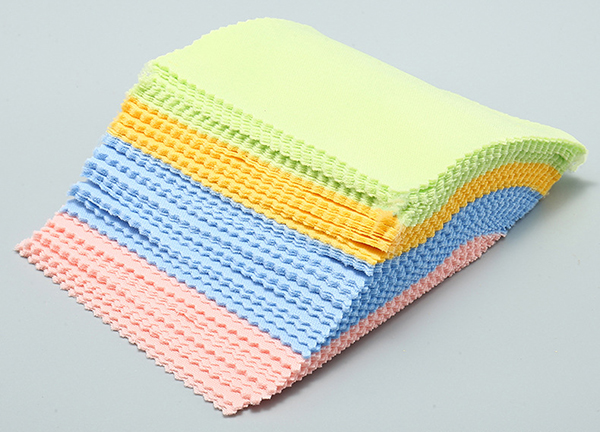
Getting a perfectly clean pair of glasses is easy when you break it down. Following these steps in order prevents scratches and protects any special coatings on your lenses. It’s the same method that professionals recommend because it works and it's safe.
1. Wash Your Hands
Before you touch your glasses, wash your hands[^4] with soap and water. Your fingertips have natural oils and dirt that can easily transfer to your lenses, creating the smudges you’re trying to remove. Starting with clean hands is a critical first step.
2. Rinse with Lukewarm Water
Hold your glasses under a gentle stream of lukewarm tap water. Never use hot water[^9], as extreme temperatures can damage the delicate coatings on your lenses. This initial rinse will wash away dust and other debris, which helps prevent scratching in the next step.
3. Apply a Tiny Drop of Dish Soap
Put a single, small drop of lotion-free dish soap on each lens. Most dish soaps are powerful enough to cut through grease and oils without being too harsh. Just make sure the soap doesn’t contain any lotions or moisturizers, as these can leave a residue behind.
4. Gently Rub and Clean
Using your fingers, gently rub both sides of the lenses in a circular motion. Don’t forget to clean the frame[^10], especially the nose pads and the ends of the arms that rest behind your ears. I find this part is really important. In the summer, my nose pads always get a gross green buildup. I used to have to take them off with a tiny screwdriver to clean them properly, but a daily wash like this stops that gunk from ever building up.
5. Rinse Thoroughly
Rinse both sides of the lenses and the frame completely to remove all traces of soap. If any soap is left behind, it will cause streaks when the lenses dry.
6. Dry with a Clean Microfiber Cloth
Gently shake the glasses to get rid of most of the water. Then, dry them completely with a clean, soft, lint-free microfiber cloth[^8]. It’s important that the cloth is clean; if it has trapped dirt or oils from a previous use, it will just smudge your lenses again.
Common Cleaning Mistakes That Can Damage Your Lenses?
You think you are cleaning your glasses correctly. But you might be causing tiny scratches and hidden damage that permanently ruins your lenses. You can easily avoid these common, damaging habits.
Never use your shirt, paper towels, or napkins to clean your glasses. Also, avoid hot water[^9] and household cleaners[^11] like window cleaner, which contain ammonia or alcohol. These materials and chemicals can scratch lenses and strip away protective coatings, causing permanent damage.
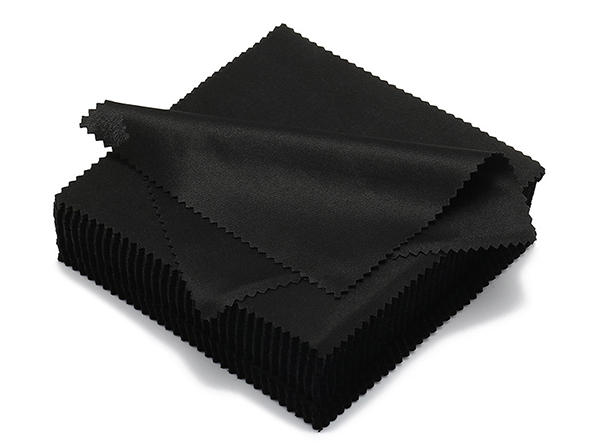
Knowing what not to do is just as important as knowing the right way to clean your glasses. Many common habits seem harmless, but they can cause micro-scratches that build up over time, making your lenses cloudy and your vision less clear. Let's look at the biggest mistakes people make.
What to Avoid When Cleaning Glasses
| Method to Avoid | Why It's Harmful |
|---|---|
| Your Shirt or Clothing | The fabric of your clothes traps dust and tiny particles. When you rub this on your lenses, it acts like fine sandpaper, creating thousands of tiny scratches over time. |
| Paper Towels or Tissues | These products are made from wood pulp, which is abrasive. They can scratch your lenses and often leave behind small fibers and lint, making your glasses even dirtier. |
| Hot Water | Extreme heat can react with the special coatings on your lenses, such as anti-reflective or scratch-resistant layers. This can cause the coating to crack, bubble, or peel away. |
| Household Cleaners | Cleaners for windows or surfaces often contain harsh chemicals like ammonia, alcohol, or bleach. These chemicals are designed for glass and hard surfaces, not delicate lens coatings. They can strip the coatings right off. |
| Spitting on Your Lenses | Saliva is not a good cleaner. It doesn't effectively break down the oils on your lenses. Mostly, it just smears the smudges around and is not very hygienic. |
Making these mistakes can shorten the life of your eyewear. The damage from scratches and stripped coatings is irreversible, so it's best to stick to the safe, approved methods.
How to Care for Specialized Lenses and Coatings?
You invested in special coatings like anti-glare or blue light filtering. Using the wrong cleaning method can strip them away, wasting your money and losing the benefits you paid for.
For all coated lenses, including anti-reflective, blue light, and photochromic, always use a lens cleaner made for coated lenses or the gentle dish soap method. Avoid any cleaners with alcohol or ammonia, as these harsh chemicals can degrade the coatings over time and ruin your investment.
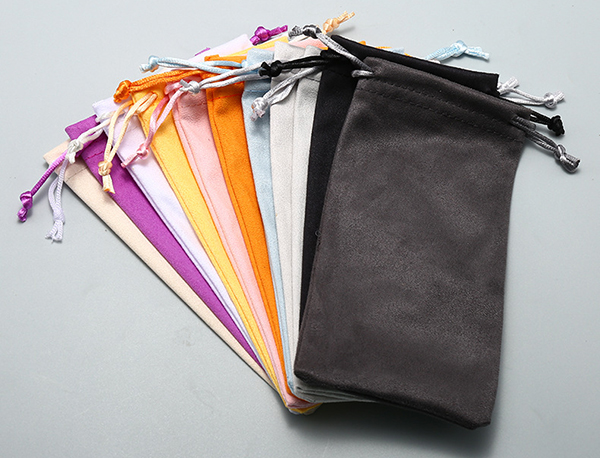
Modern lenses often come with advanced coatings that improve your vision and protect your eyes. These coatings are amazing, but they are also very delicate. Each one requires careful handling to make sure it lasts as long as your glasses do. Understanding how to care for them is key.
Anti-Reflective (AR) Coatings
AR coatings are fantastic for reducing glare from screens and headlights, but they also tend to show fingerprints and smudges more easily. Because they make the lens so clear, any little bit of oil stands out. The gentle dish soap and water method is perfect for AR coatings because it effectively removes oil without any harsh chemicals.
Blue Light Filtering Lenses
These lenses help reduce eye strain from digital screens. The good news is that the blue light filter is typically built into the lens material or is a durable coating. It does not require any special care beyond the standard cleaning method. Just avoid harsh chemicals, and you’ll be fine.
Photochromic (Transitions) Lenses
Lenses that darken in the sun are activated by UV light. The technology is quite durable, but it can be affected by extreme temperatures. For example, leaving them on the dashboard of a hot car can impact their ability to change properly. For cleaning, the standard method works perfectly.
Anti-Fog Lenses
There's nothing more annoying than coming inside from the cold and having your glasses instantly fog up. It happens to me all the time. Some lenses come with an anti-fog coating to help prevent this. This coating is very thin and can be worn away by improper cleaning. Be extra gentle and never use abrasive materials. If your lenses don't have this feature, you can buy special anti-fog sprays that provide a temporary coating.
Best Products for On-the-Go Lens Cleaning?
Your glasses always seem to get dirty when you're out and about. You are tempted to use your shirt, but you know that’s a bad idea. You can easily solve this by keeping a few simple items with you.
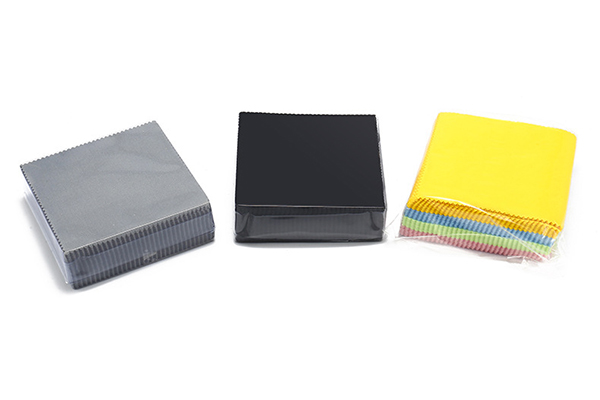
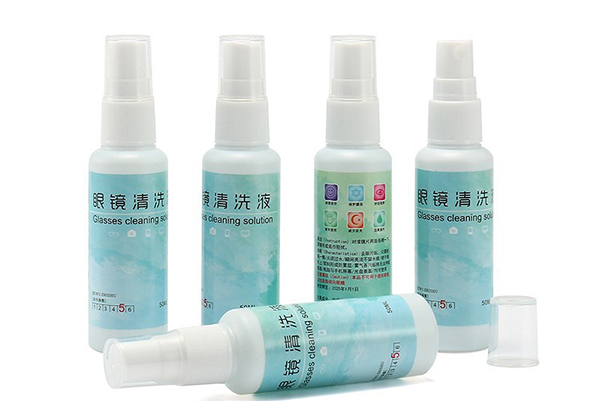
For quick cleaning on the go, the best options are a small spray bottle of eyeglass cleaner and a dedicated microfiber cloth[^8]. Pre-moistened lens wipes are also very convenient, but make sure they are alcohol-free and specifically designed for coated lenses to avoid damage.
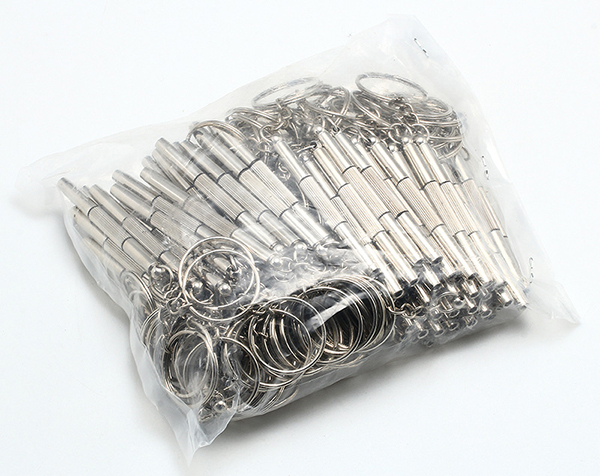
Life happens, and you can’t always be near a sink with dish soap. Keeping a portable cleaning solution in your bag, car, or at your desk is the best way to handle smudges throughout the day without resorting to bad habits. Here are the best choices for keeping your vision clear wherever you are.
Microfiber Cloth and Lens Spray
This is the gold standard for on-the-go cleaning. A small bottle of cleaning spray formulated for eyeglasses is safe for all lens types and coatings. You can buy these at any optical shop. I always keep a small spray and a fresh microfiber cloth[^8] in my car. It's been a lifesaver, especially on rainy days when water spots cover my lenses and make it hard to see. Just a quick spray and wipe, and my vision is clear again. Remember to wash your microfiber cloth[^8] regularly to keep it clean and effective.
Pre-Moistened Lens Wipes
Individually packaged lens wipes are incredibly convenient for travel or carrying in a pocket. They are designed for single use and do a great job of removing smudges and dirt. The most important thing is to check the ingredients. Only use wipes that are labeled as safe for coated lenses and are free of alcohol. Alcohol-based wipes can be too harsh and may damage your lens coatings over time.
What to Carry
A small, dedicated kit is your best bet. You can buy pre-made kits or just put a small spray bottle and a folded microfiber cloth[^8] into a small pouch or an empty glasses case. This ensures you always have what you need to clean your glasses safely, no matter where you are.
Daily Habits to Extend the Life of Your Eyewear?
Your glasses get scratched, bent, and broken far too easily. Replacing them is expensive and a huge hassle. A few simple daily habits can make them last much longer.
Always store your glasses in a hard-shell case when you are not wearing them. Use two hands to take them on and off to prevent bending the frame. And never, ever place them lens-down on any surface. These habits will protect them from scratches and damage.
Great vision is an investment, and your glasses deserve to be protected. Beyond just cleaning them correctly, how you handle your glasses every day makes a huge difference in how long they last. Adopting these simple habits will protect your frames and lenses from unnecessary wear and tear, saving you money in the long run.
1. Always Use a Case
When you’re not wearing your glasses, the safest place for them is in a sturdy, hard-shell case. Tossing them in a bag or putting them in your pocket is a sure way to get them scratched or crushed. The case provides a protective barrier against accidents.
2. The Two-Hand Rule
Always use both hands to put your glasses on and take them off. When you use one hand, you pull on one side of the frame, which can slowly bend the arms out of alignment and loosen the hinges. Using two hands keeps the pressure even and maintains the frame's shape.
3. Lenses Face Up
When you do have to set your glasses down for a moment, always place them with the lenses facing up. Placing them lens-down on a table or counter is one of the easiest ways to get scratches.
4. Don't Wear Them on Your Head
Pushing your glasses up onto your head is a common habit, but it can stretch out the frame. This makes them loose and more likely to fall off your face. It also puts stress on the hinges and nose pads.
5. Avoid Extreme Heat
Never leave your glasses on the dashboard of your car on a sunny day. The intense heat can warp plastic frames and can cause serious damage to your lens coatings, making them peel or crack.
Conclusion
Proper cleaning and care are simple. Using lukewarm water[^1], dish soap, and a microfiber cloth[^8], while avoiding common mistakes, will keep your vision clear and glasses pristine for years.
[^1]: Lukewarm water is gentle on lens coatings, preventing damage while effectively removing debris.
[^2]: Thorough rinsing removes all soap traces, preventing streaks and residue.
[^3]: A streak-free finish ensures clear vision, enhancing the effectiveness of your eyewear.
[^4]: Clean hands prevent the transfer of oils and dirt to lenses, maintaining clarity.
[^5]: A gentle stream removes debris without damaging delicate lens coatings.
[^6]: Gentle rubbing prevents scratches and protects lens coatings, ensuring longevity.
[^7]: A clean cloth ensures no dirt or oils are transferred back to the lenses.
[^8]: Microfiber cloths are soft and lint-free, preventing scratches and smudges on lenses.
[^9]: Hot water can react with lens coatings, causing them to crack or peel.
[^10]: Cleaning the frame prevents buildup of dirt and oils, maintaining overall hygiene.
[^11]: Household cleaners contain harsh chemicals that can strip lens coatings.
Share:


Post time: Mar-04-2026