What Are Acetate Sunglasses and Why Do You Need Them?
Choosing the right frame material for your eyewear line sounds like a product decision — but it's actually a brand positioning decision. Acetate sunglasses sit at the center of this confusion. Brands rush to compare materials without first asking the harder question: what is my brand trying to be? That unclear positioning is where costly sourcing mistakes begin.
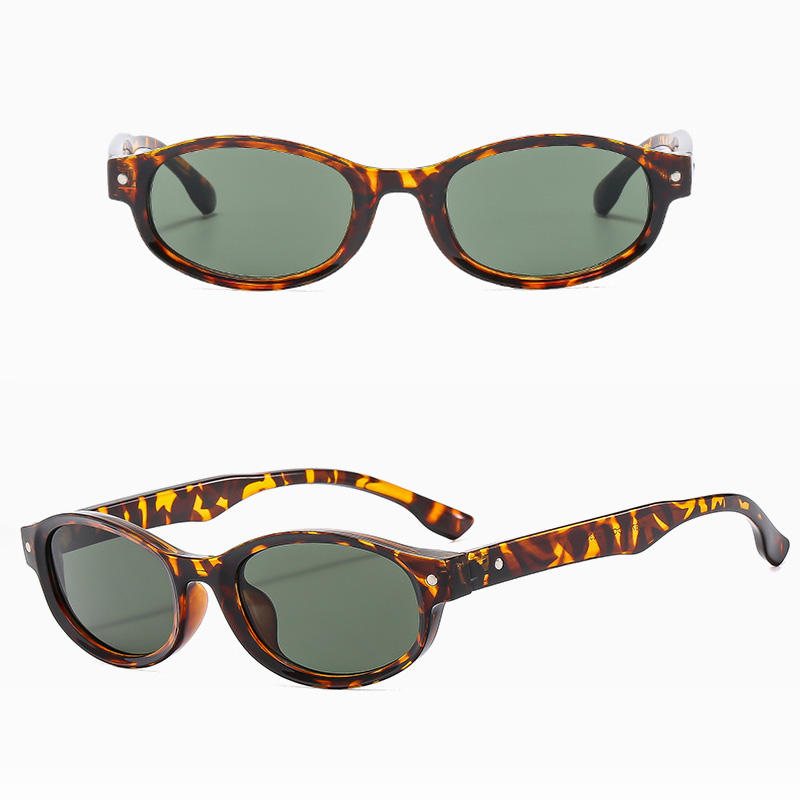
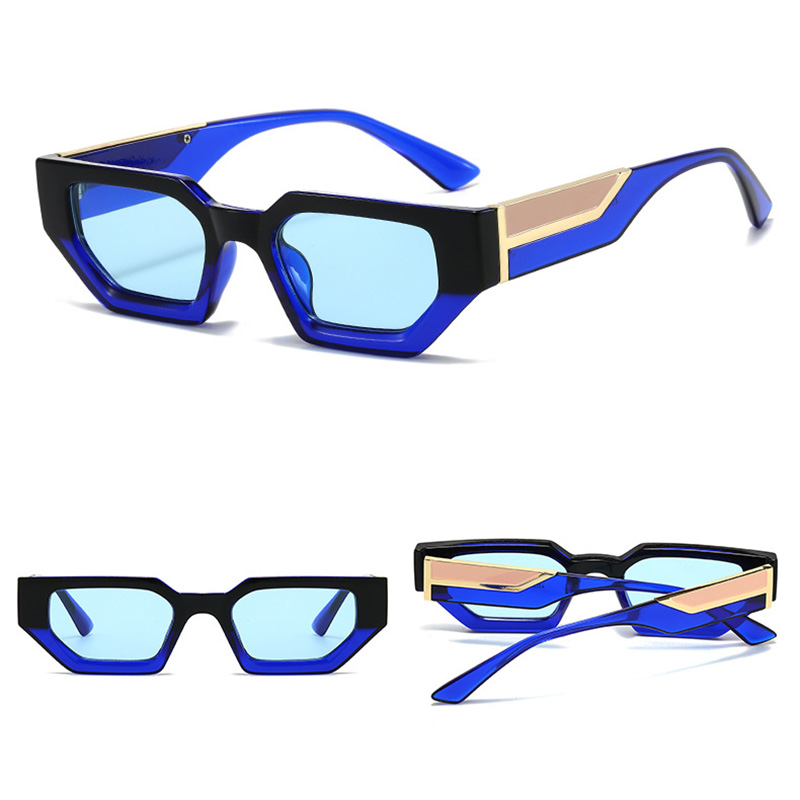
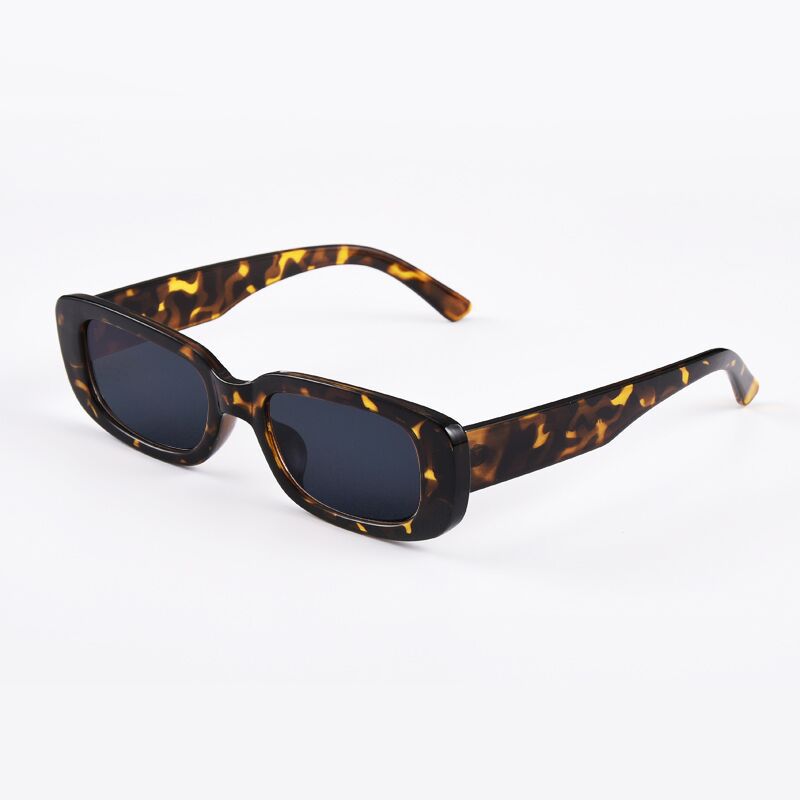
Acetate sunglasses are eyewear frames made from cellulose acetate, a plant-derived thermoplastic known for its rich color depth, premium feel, and hand-polished finish[^1]. You need them if your brand targets the premium-to-luxury segment, where customers expect weight, texture, and craftsmanship that injection-molded plastics simply cannot deliver. But acetate is not for every brand — it's for brands whose positioning justifies its cost structure.
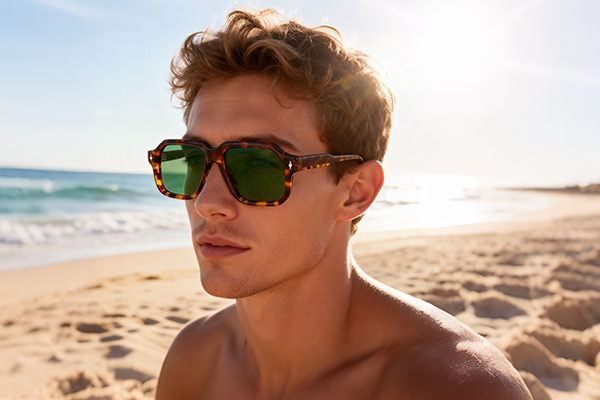
Before I walk you through what acetate actually is, how it's made, and what it costs, I want you to hold one question in your mind: does my brand's positioning call for this material? Everything below will help you answer that honestly — and avoid the expensive mid-project pivots I see too often.
Why Is Material Selection Really a Brand Positioning Decision?
Most eyewear buyers start their sourcing journey by Googling materials. They compare acetate vs. PC vs. TR90, read spec sheets, and then pick the "best" one. The problem? "Best" means nothing without context. The best material is the one that matches your brand's market position and price architecture.
Material selection is a downstream consequence of brand strategy, not an upstream product decision.[^2] If you haven't locked down whether your line is luxury, premium-casual, or value-oriented, no amount of material research will save you from choosing wrong.
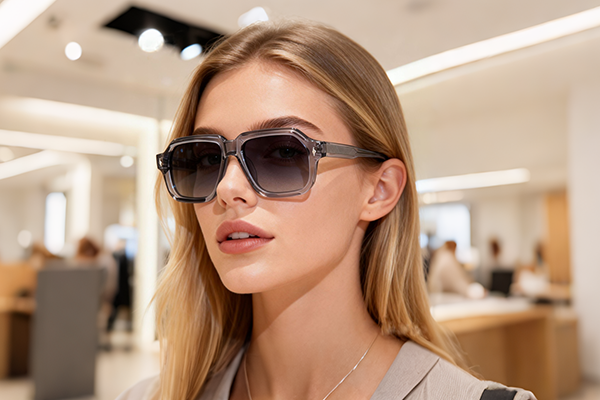
The Positioning-Material Match
In our experience, the most common reason a client switches materials mid-project is that their brand positioning wasn't resolved before sourcing began. I've seen it go both directions — and both are expensive.
One case stands out. A North American brand owner came to us requesting PC frames to keep unit costs low. Samples were produced, initial pricing was locked. Then their retail partners pushed back: the frames didn't feel premium enough for the $89 retail price point. The client had to restart the entire sampling process with acetate. They lost roughly six weeks and the cost of two rounds of samples.
The reverse happens too. A wholesaler once insisted on acetate for a line targeting festival and beach markets. The frames were beautiful — and completely wrong for a $15–$20 retail tier. They couldn't pass through the cost and ended up switching to TR90.
A Simple Positioning Framework
Here's the framework I use when talking to new buyers:
| Brand Positioning | Recommended Material | Why |
|---|---|---|
| Luxury / Designer | Acetate (imported sheet) | Color depth, weight, hand-polished finish signal luxury |
| Premium Casual | Acetate or TR90 | Balance of perceived quality and cost flexibility |
| Value / Fast-Fashion | PC or TR90 | Injection molding keeps unit costs low at scale |
| Sport / Performance | TR90 or metal | Flexibility, light weight, durability under stress |
This isn't rigid — blends and exceptions exist. But if you can't place your brand on this table before choosing a material, you're not ready to source. I'd rather a buyer spend an extra week on positioning than waste a month on the wrong samples.
Why This Matters for Wholesalers Too
Wholesalers sometimes think positioning doesn't apply to them because they serve multiple brands. It does — just differently. Your material mix is your catalog positioning. If you stock only PC frames, you're signaling value. If you carry acetate alongside TR90, you're covering premium-casual to luxury. Knowing this helps you build a coherent catalog instead of a random collection of SKUs.
What Exactly Is Acetate and How Is It Made?
Everyone calls plastic sunglasses "plastic" — but acetate and injection-molded PC are fundamentally different products. Understanding the manufacturing process explains why acetate costs more, feels different, and serves a different market tier.
Cellulose acetate is a plant-derived thermoplastic made primarily from cotton fibers and wood pulp. Unlike PC or TR90 frames that are injection-molded in seconds, acetate frames are cut from solid sheets and then hand-polished — a labor-intensive process that produces the rich colors, layered patterns, and substantial feel associated with premium eyewear.[^3]

The Sheet-Cut Process vs. Injection Molding
The process difference is the single biggest driver of acetate's cost and quality characteristics. Here's how they compare:
| Factor | Acetate (Sheet-Cut) | PC / TR90 (Injection-Molded) |
|---|---|---|
| Raw material form | Solid sheets (layered colors possible) | Pellets / granules |
| Shaping method | CNC-cut from sheet, then shaped with heat | Melted and injected into a mold |
| Finishing | Hand-polished, often tumble-polished | Mold-finished, minimal post-processing |
| Production speed | Slower — multiple manual steps | Fast — seconds per frame |
| Color possibilities | Virtually unlimited patterns, tortoise, layered | Solid colors, some gradient effects |
| Minimum order flexibility | More flexible for small runs | Mold cost favors larger runs |
Each step in acetate production — cutting, shaping, barrel tumbling, hand polishing — adds labor time. That's not inefficiency. It's what produces the depth of color and surface texture that injection molding cannot replicate.
Why the Process Creates the Premium Feel
When you hold an acetate frame, several things register immediately:
- Weight. Acetate is denser than PC. That weight signals substance and quality to end consumers.[^4]
- Surface texture. Hand polishing creates a smooth, almost warm feel that injection-molded surfaces lack.
- Color depth. Because colors are layered into the sheet itself — not sprayed or coated on — they have a three-dimensional quality. Tortoiseshell patterns in acetate look genuinely layered. In PC, they look printed.
These are not minor aesthetic details. They are the tactile and visual cues that justify premium pricing at retail. If your brand needs those cues, acetate delivers them structurally. If your brand doesn't need them, you're paying for value your customer won't notice.
Is All Acetate Created Equal?
This is one of the most important questions buyers overlook. The answer is no — and the difference between acetate grades directly affects your product's perceived quality and your cost structure.
Not all acetate is the same. Sheet stock ranges from domestically produced options to premium imported brands like Mazzucchelli (Italy). The grade affects color vibrancy, surface finish after polishing, consistency between batches, and long-term durability. Choosing the right grade depends on your positioning tier and target retail price — not every brand needs the top-tier sheet.

Imported vs. Domestic Sheet Stock
In our production, we work with both imported and domestic acetate sheets. Here's what buyers should know:
Imported acetate (e.g., Mazzucchelli from Italy) is widely regarded as the industry benchmark for:
- Color consistency across batches
- Surface polish quality
- Pattern complexity and depth
- Long-term resistance to fading and warping
Domestic acetate has improved significantly in recent years and offers:
- Lower per-sheet cost
- Adequate quality for mid-tier brands
- Good availability and shorter lead times
- Increasingly competitive color options
Matching Grade to Positioning
I had a client — a European brand launching their first acetate line — who initially specified domestic sheet stock to control costs. When they received the first samples, they were genuinely surprised by the quality. Their exact feedback was that the finish exceeded expectations for the price point. That experience reinforced something I tell buyers regularly: you don't always need the most expensive grade, but you need to see and touch the grade you're choosing before committing.
Here's a practical guideline:
| Retail Price Tier | Suggested Acetate Grade | Rationale |
|---|---|---|
| $150+ luxury | Imported (e.g., Mazzucchelli) | Buyers at this tier inspect closely; batch consistency matters |
| $60–$150 premium | Imported or high-grade domestic | Quality is strong; cost savings are meaningful at volume |
| $30–$60 mid-range | Domestic | Adequate finish; cost structure supports the retail margin |
| Below $30 | Consider TR90 or PC instead | Acetate cost structure doesn't support value pricing |
The key insight: the right acetate grade is the one that matches your price architecture. Overspending on materials your margin can't support is as much a mistake as underspending on materials your brand requires.
What to Verify in Samples
When evaluating acetate samples from any supplier, pay attention to:
- Hinge fit and alignment — poor cutting shows here first
- Polish consistency — check temple tips and inner rims, not just the front face
- Color match to the sheet swatch — some shops lose color fidelity in processing
- Weight uniformity — frames from the same model should feel identical
I always recommend ordering samples in at least two or three colors before committing to a production run. Acetate's beauty is in its color, and color is where grade differences are most visible.
Why Does Acetate Cost More — and When Is the Premium Worth It?
Price is the conversation every buyer eventually has. Acetate frames cost more than PC frames. That's a structural reality, not a negotiation tactic. Understanding why it costs more helps you decide whether your brand can — and should — absorb or pass through that premium.
Acetate costs more because of three structural factors: raw material cost (sheet stock vs. pellets), slower production speed (sheet-cut and hand-polished vs. injection-molded), and higher labor intensity at every finishing stage. This premium is justified when your brand's retail pricing and positioning allow you to pass the cost through to consumers who value craftsmanship and perceived quality.

Breaking Down the Cost Drivers
Let me walk through the main drivers without specific dollar figures, since pricing varies by order size, complexity, and sheet grade:
-
Raw material. Acetate sheet stock costs significantly more per frame than PC or TR90 pellets. Imported sheets cost more than domestic. This is a fixed cost differential that doesn't shrink much at scale.
-
Production speed. Injection molding produces a frame in seconds. Acetate cutting, shaping, tumbling, and polishing takes days across multiple stages. Slower throughput means higher per-unit labor cost.
-
Finishing labor. Hand polishing is where acetate gets its signature surface quality — and it's the most labor-intensive step.[^5] Some factories cut corners here. The result is visible to anyone who handles frames regularly.
-
Waste rate. Sheet cutting produces more material waste than injection molding. The offcuts from acetate sheets add to the effective material cost per finished frame.
When the Premium Works Against You
I'll be direct: if your brand competes primarily on price, acetate's cost structure works against you, not for you. This isn't a flaw in acetate — it's a mismatch between material and strategy.
PC and TR90 are not inferior materials. They are the correct materials for fast-fashion, promotional, and value-oriented eyewear. They offer:
- Lower unit costs at any volume
- Faster production turnaround
- Sufficient quality for the price tier they serve
- Greater design flexibility for trend-driven collections that rotate quickly
I'd rather help a buyer choose PC confidently than choose acetate reluctantly. The worst outcome is a brand stuck between a premium material and a value price point — margins collapse and nobody wins.
When the Premium Is an Investment
Acetate's cost premium becomes a competitive advantage when:
- Your retail price is $60 or above, giving you margin room
- Your target consumer handles the product before buying (retail, optical shops)
- Your brand story emphasizes craftsmanship, heritage, or sustainability (acetate is plant-derived)
- You need unique colorways or patterns that injection molding can't reproduce
- You're building a repeat-purchase brand where product feel drives loyalty
In these scenarios, the extra cost per frame is not an expense — it's the cost of delivering on your brand promise.
How Do Acetate Sunglasses Compare to Other Frame Materials?
Buyers often want a head-to-head comparison. Here's my honest assessment based on years of working across all four major frame materials we produce: PC, TR90, acetate, and metal.
Acetate excels in perceived quality, color richness, and premium feel. TR90 wins on lightweight flexibility and sport applications. PC leads on cost efficiency and fast-fashion speed. Metal offers a minimalist aesthetic and adjustability. No material is universally best — each serves a positioning tier and end-use scenario.

Comprehensive Material Comparison
| Attribute | Acetate | TR90 | PC | Metal |
|---|---|---|---|---|
| Feel / weight | Substantial, warm | Ultra-light, flexible | Light, standard | Varies by alloy |
| Color options | Virtually unlimited patterns | Solid and matte colors | Solid, some gradient | Finish-dependent |
| Perceived quality | High / luxury | Mid-high / sporty | Standard / casual | High / minimalist |
| Durability | Good; can be re-polished | Excellent flex memory | Good impact resistance | Good; adjustable |
| Production speed | Slow | Fast (injection) | Fast (injection) | Moderate |
| Cost per unit | Highest | Mid | Lowest | Mid-high |
| Best for | Luxury, premium brands | Sport, premium-casual | Value, fast-fashion | Fashion, optical |
| Sustainability angle | Plant-derived base | Petroleum-based | Petroleum-based | Recyclable metal |
A Note on Sustainability
Many brands are exploring sustainability messaging. Acetate has a genuine advantage here — its cellulose base comes from renewable sources (cotton and wood pulp). However, I want to be careful: the full environmental footprint of acetate production, including the plasticizers and solvents used, is complex. I wouldn't recommend making bold sustainability claims without verifying them against current standards. What I can say is that acetate's plant-derived origin gives brands a more credible starting point for sustainability storytelling than petroleum-based alternatives.
Mixing Materials in Your Line
One strategy I see working well for brands and wholesalers: don't limit yourself to one material. A strong product line often includes:
- Acetate frames as the flagship or "hero" product — highest margin, brand-defining
- TR90 frames for the active or casual segment — lighter, more accessible
- PC frames for entry-level or seasonal drops — volume drivers, lower risk
This approach lets you serve multiple price points while keeping your brand architecture coherent. In our experience, buyers who stock a material mix across positioning tiers outperform those who go all-in on a single material.
Frequently Asked Questions
Are acetate sunglasses better than plastic sunglasses?
"Better" depends on your brand positioning and price tier. Acetate offers superior color depth, a premium hand-feel, and a plant-derived base. But PC plastic is the smarter choice for value-oriented lines where cost efficiency matters most. Neither is universally better — each fits a specific strategy.
How long do acetate sunglasses last?
Acetate frames are durable and can last for years with proper care. Minor surface scratches can often be polished out — something injection-molded frames don't allow.[^6] However, acetate can warp under prolonged heat exposure, so storage matters.[^7] For buyers, longevity supports premium pricing and repeat-purchase brand building.
Can you customize acetate sunglasses with a brand logo?
Yes. Acetate frames accept logo customization through several methods, including laser engraving, embossing, and metal logo inserts. We regularly handle small-quantity logo customization for brand owners and wholesalers who want branded products without committing to massive order volumes.
Is acetate the same as cellulose acetate?
In the eyewear industry, "acetate" almost always refers to cellulose acetate specifically. It's a thermoplastic derived from cotton fibers and wood pulp. You may also encounter "zyl" or "zylonite" — these are older trade names for the same material family. When sourcing, always confirm the exact material grade and origin with your supplier.
What is the minimum order quantity for acetate sunglasses?
MOQs vary by supplier and customization level. Because our factory maintains ready stock in multiple styles and colors, we can offer flexible minimums — even for mixed-style orders. Logo customization on existing models typically has a lower MOQ than fully custom designs. Contact us for current stock availability and MOQ details.
Conclusion
Acetate sunglasses are not just a material choice — they are a positioning statement. The rich colors, hand-polished finish, and substantial weight of acetate frames communicate premium quality in ways injection-molded plastics cannot replicate. But that premium only makes sense when your brand's positioning, pricing, and target consumer align with what acetate delivers.
Before you choose a frame material, resolve your brand positioning. Know whether you're building luxury, premium-casual, or value. Then let that decision guide your material selection — not the other way around. The buyers I see succeed are the ones who match material to strategy first and optimize cost second.
If you're evaluating acetate sunglasses for your brand or wholesale catalog, I'm happy to walk you through our available styles, acetate grades, and customization options. We carry ready stock across acetate, TR90, PC, and metal frames — so whether you need samples to compare or you're ready to place an order, reach out and let's find the right material match for your brand.
[^1]: "Cellulose acetate", https://en.wikipedia.org/wiki/Cellulose_acetate. Cellulose acetate is a thermoplastic derived from cellulose and used in eyewear frames; encyclopedia entries document its plant-derived origin and common application in frames (Wikipedia, 'Cellulose acetate'). Evidence role: definition; source type: encyclopedia. Supports: Defines cellulose acetate as a cellulose-derived thermoplastic and identifies eyewear frames as a common application.. Scope note: General material definitions do not establish premium market positioning or consumer perception.
[^2]: "How to Craft the Perfect Brand Positioning Statement", https://online.hbs.edu/blog/post/brand-positioning-statement. Research on product strategy and brand positioning supports the view that material and design choices are shaped by a firm's intended market position, though the relationship is often iterative rather than strictly linear. Evidence role: expert_consensus; source type: research. Supports: Strategic brand positioning influences product and material decisions.. Scope note: General strategy literature may not directly address eyewear frame sourcing.
[^3]: "What Are Acetate Sunglasses? Everything You Need to ...", https://www.aoolia.com/blog-what-are-acetate-sunglasses?srsltid=AU7gw4XfynRQQi1NTa8FVIjI3LBi7Ribp4dcA2cCDUS8OkGETyWRTE2d. Manufacturing literature describes cellulose acetate eyewear frames as cut and shaped from solid acetate sheets and finished by polishing, whereas thermoplastic frames such as PC and TR90 are commonly injection-molded. Evidence role: mechanism; source type: research. Supports: Describes the manufacturing distinction between sheet-cut acetate frames and injection-molded thermoplastic frames.. Scope note: Descriptions of production methods do not quantify labor time or perceived quality.
[^4]: "The material-weight illusion induced by expectations alone", https://pubmed.ncbi.nlm.nih.gov/21258907/. Materials data indicate cellulose acetate has a higher density than polycarbonate; consumer research suggests that weight and tactile cues can influence perceived product quality, although effects vary by context. Evidence role: mechanism; source type: research. Supports: Material density data and consumer perception research relevant to weight as a quality cue.. Scope note: The link between frame weight and consumer quality judgments in eyewear is context-dependent and not directly proven by density data alone.
[^5]: "Fixing Acetate Eyeglasses: Remove the White and Give It ...", https://www.opticabassol.com/en-us/blogs/news/fix-glasses-acetate-white?srsltid=AU7gw4USGDcFElU-HRYUFbyRuccMsmSC-AyuvMFHuoeR1gW-NakRwVEw. Eyewear manufacturing sources identify polishing as a finishing stage that gives cellulose acetate frames their surface appearance and note that it involves repeated manual or tumbling operations. Evidence role: mechanism; source type: research. Supports: Identifies polishing as a finishing stage for cellulose acetate frames and describes repeated manual or tumbling operations.. Scope note: The relative labor intensity compared with other steps is difficult to verify without factory-level data.
[^6]: "Fix acetate glasses that get “hazy” over time?", https://www.reddit.com/r/glasses/comments/9infk1/fix_acetate_glasses_that_get_hazy_over_time/. Materials and eyewear care references indicate that cellulose acetate frames can be re-polished to remove minor surface scratches, whereas injection-molded thermoplastic frames generally cannot be refinished in the same way. Evidence role: mechanism; source type: research. Supports: Explains the repairability of cellulose acetate frames compared with injection-molded thermoplastic frames.. Scope note: Durability and repairability depend on grade, care, and type of damage.
[^7]: "Thermal Properties of Plasticized Cellulose Acetate and Its β ...", https://pmc.ncbi.nlm.nih.gov/articles/PMC8122600/. Polymer and conservation literature notes that cellulose acetate can deform under sustained heat and humidity, making storage conditions relevant to frame longevity. Evidence role: mechanism; source type: research. Supports: Documents the deformation of cellulose acetate under heat and humidity and the relevance of storage conditions.. Scope note: Specific temperature and exposure thresholds vary by formulation and manufacturing quality.
Share:


Post time: Oct-19-2026