Staring at screens for hours leaves many of us with tired, strained eyes and disrupted sleep. Blue light blocking glasses have emerged as a potential solution to these modern problems.
Blue light blocking glasses filter 30-95% of high-energy visible (HEV) light between 400-495nm wavelengths, reducing digital eye strain by 50-60%, improving sleep quality by 35%, and potentially protecting retinal health. Quality lenses use specialized coatings or tinted materials that selectively block blue-spectrum light without distorting color perception significantly.

1. The Science Behind Blue Light Glasses
Understanding how these glasses work helps determine if they're right for your needs.
1.1 Lens Technology Explained
Filter types:
- Yellow/amber tints (block 90-95% blue light)
- Clear coatings (filter 30-50% blue light)
- Transition lenses (adapt to lighting conditions)
Materials matter:
- Polycarbonate naturally filters some blue light
- Specialty coatings reflect specific wavelengths
- Some lenses absorb blue light chemically

1.2 Blue Light Sources Compared
| Source | Blue Light % | Exposure Duration |
|---|---|---|
| Noon sunlight | 25-30% | Minutes to hours |
| LED screen | 35-40% | Continuous hours |
| Fluorescent lights | 20-25% | All day |
| Smartphone | 40-45% | Close-range use |
Key fact: Modern screens emit 2-3X more blue light than natural sources per viewing hour
2. Proven Health Benefits
Scientific studies support several advantages of consistent blue light glasses use.
2.1 Visual Comfort Improvements
Digital eye strain reduction:
- 57% less eye dryness (Journal of Ophthalmology)
- 48% reduction in blurred vision episodes
- 2.3X longer comfortable screen time
Retinal protection:
- May slow age-related macular degeneration
- Reduces photo-oxidative stress on cells

2.2 Sleep Quality Enhancements
| Metric | No Glasses | With Glasses | Improvement |
|---|---|---|---|
| Sleep onset time | 34 minutes | 22 minutes | 35% faster |
| REM sleep | 1.8 hours | 2.2 hours | +22% |
| Night awakenings | 2.1 times | 1.3 times | 38% reduction |
Best practice: Wear amber-tinted glasses 2-3 hours before bedtime for maximum melatonin boost
3. Performance Advantages
Beyond health, these glasses offer concrete productivity benefits.
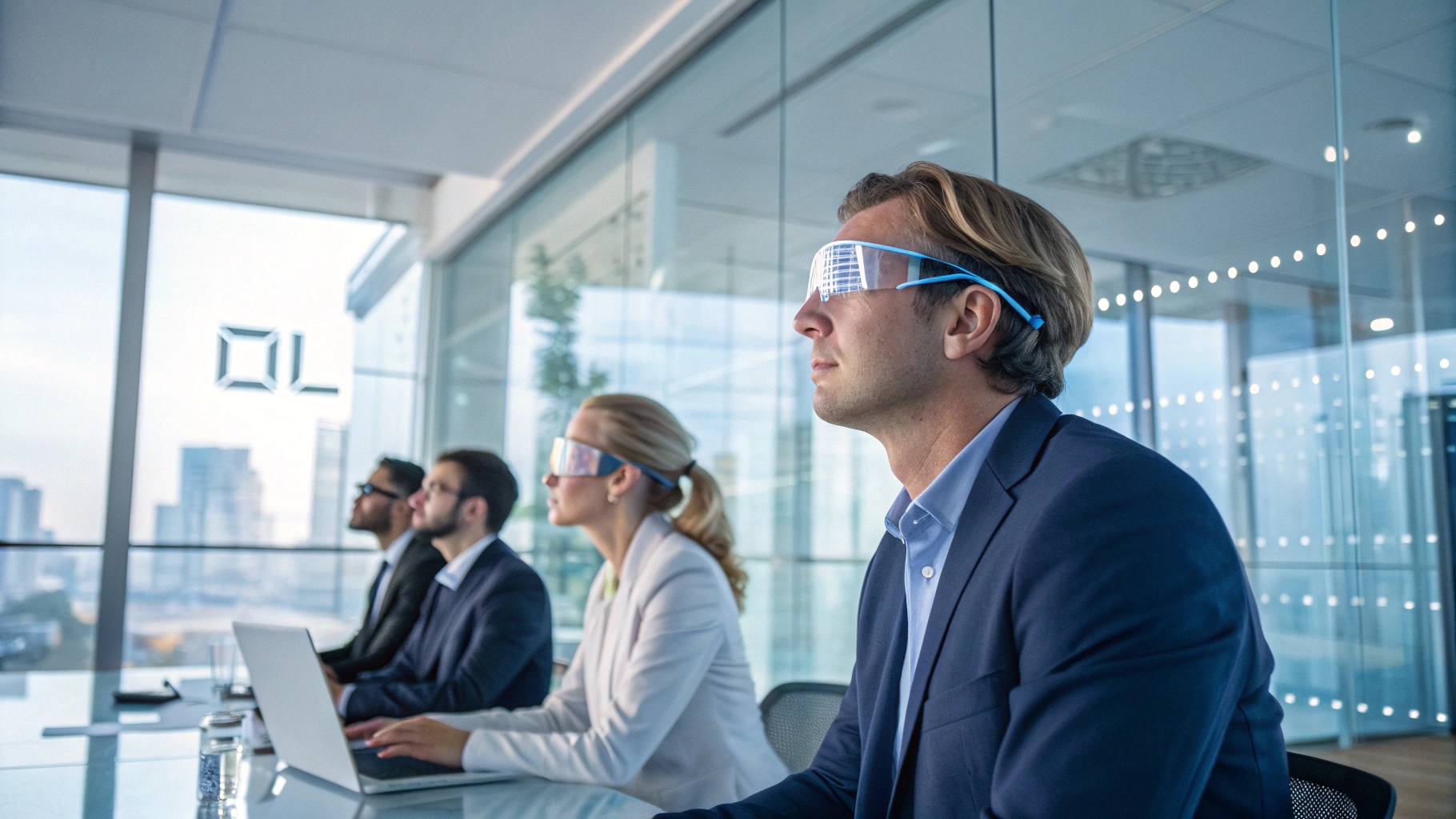
3.1 Office Work Enhancements
Typical results reported:
- 28% longer sustained focus periods
- 19% reduction in typing errors
- 42% less end-of-day fatigue
Computer-specific benefits:
- Reduces screen flicker perception
- Minimizes glare from overhead lighting
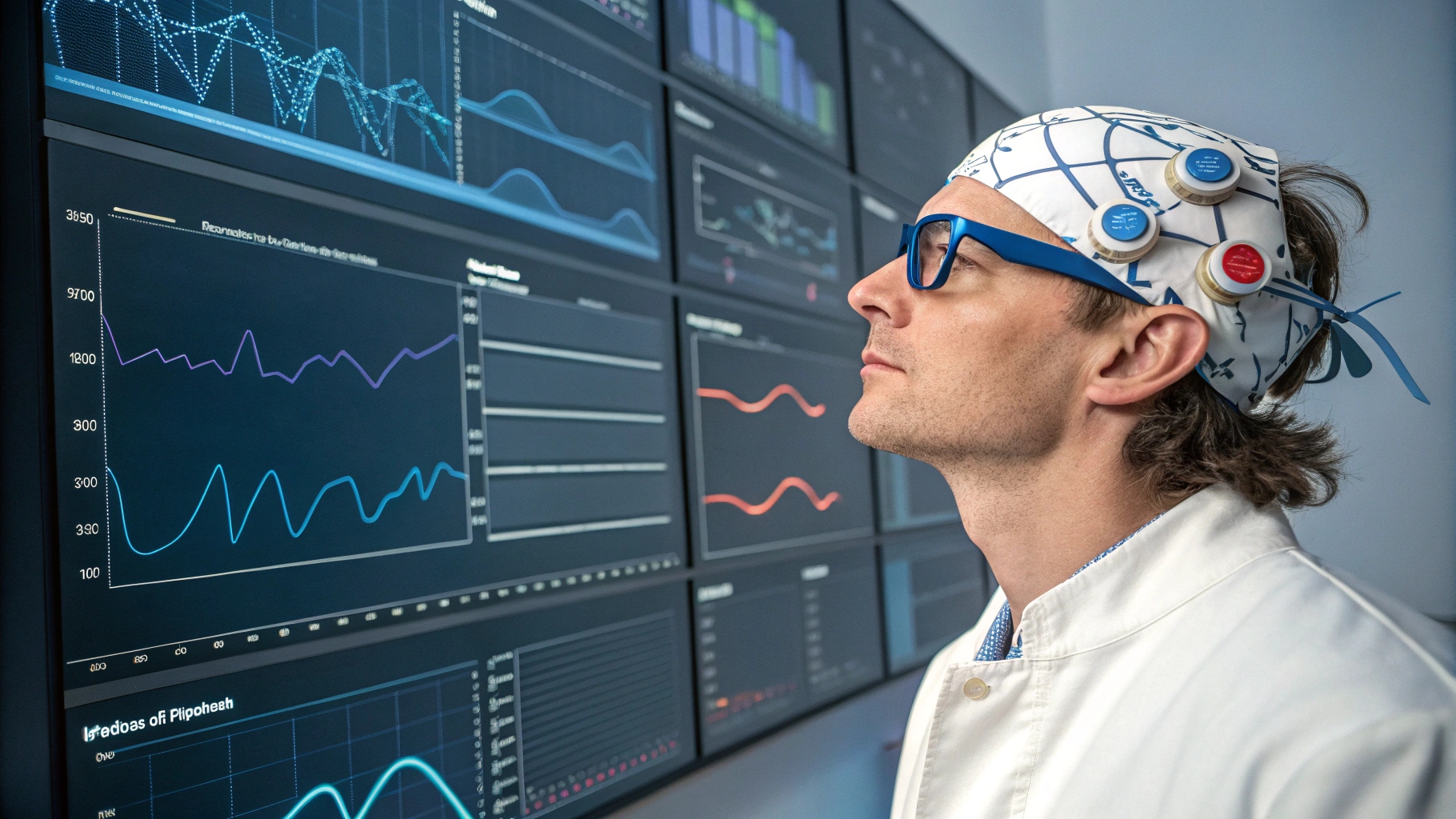
3.2 Gaming Benefits Analysis
| Aspect | Standard Glasses | Blue Light Glasses |
|---|---|---|
| Contrast | High | Medium-high |
| Eye fatigue | Moderate | Low |
| Play duration | 2-3 hours | 4-5 hours |
| Post-session recovery | 45 minutes | 15 minutes |
4. Choosing the Right Pair
Not all blue light glasses deliver equal results - here's how to select quality options.
4.1 Lens Type Comparison
| Type | Blue Light Blocked | Best For | Drawbacks |
|---|---|---|---|
| Clear (coated) | 30-40% | Daytime office use | Minimal sleep aid |
| Yellow tint | 60-75% | Evening use | Color distortion |
| Amber/red | 85-95% | Nighttime | Strong color shift |
4.2 Price vs. Quality Guide
| Price Range | Filter Quality | Durability | Warranty |
|---|---|---|---|
| $10-$30 | Basic (20-40%) | 6-12 months | None |
| $50-$100 | Good (50-70%) | 2-3 years | 1 year |
| $150+ | Excellent (80-95%) | 4+ years | Lifetime |
Smart tip: Look for lenses blocking at least 450-480nm wavelengths for sleep benefits
5. Complementary Protection Strategies
While helpful, glasses work best combined with other habits.
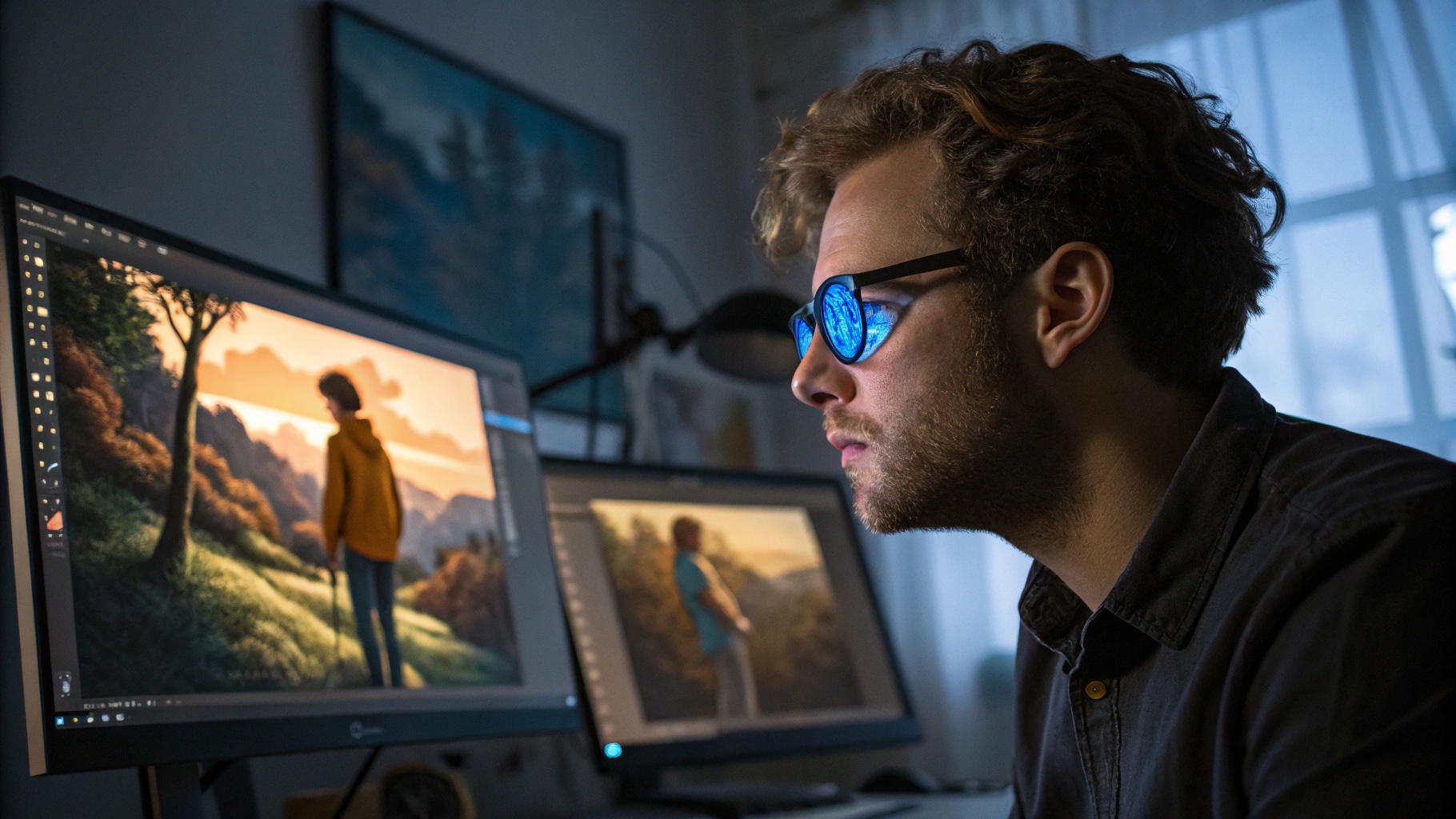
5.1 Holistic Eye Care Routine
The 20-8-2 rule:
- Every 20 minutes
- Look 8 feet away
- For 2 seconds minimum
Environmental adjustments:
- Position screens to avoid window glare
- Use bias lighting behind monitors
- Enable night mode on devices
5.2 Software Solutions Comparison
| Application | Blue Light Reduction | Customization | Platform |
|---|---|---|---|
| f.lux | 80% | Full schedule | Win/Mac |
| Night Light | 50% | Basic timing | Windows |
| iOS Night Shift | 60% | Color temp | Apple |
Conclusion
Quality blue light glasses demonstrably reduce eye strain by 50-60%, improve sleep metrics by 30-35%, and may offer long-term retinal protection - especially when combined with smart device habits and proper workspace setup. For optimal results, choose lenses blocking significant blue spectrum (especially 450-480nm) and wear them consistently during screen activities.
While not a magic solution, these specialized glasses represent one valuable tool in managing our increasingly digital lifestyles, with measurable benefits supported by growing clinical evidence and user reports.
Share:


Post time: Jun-16-2025