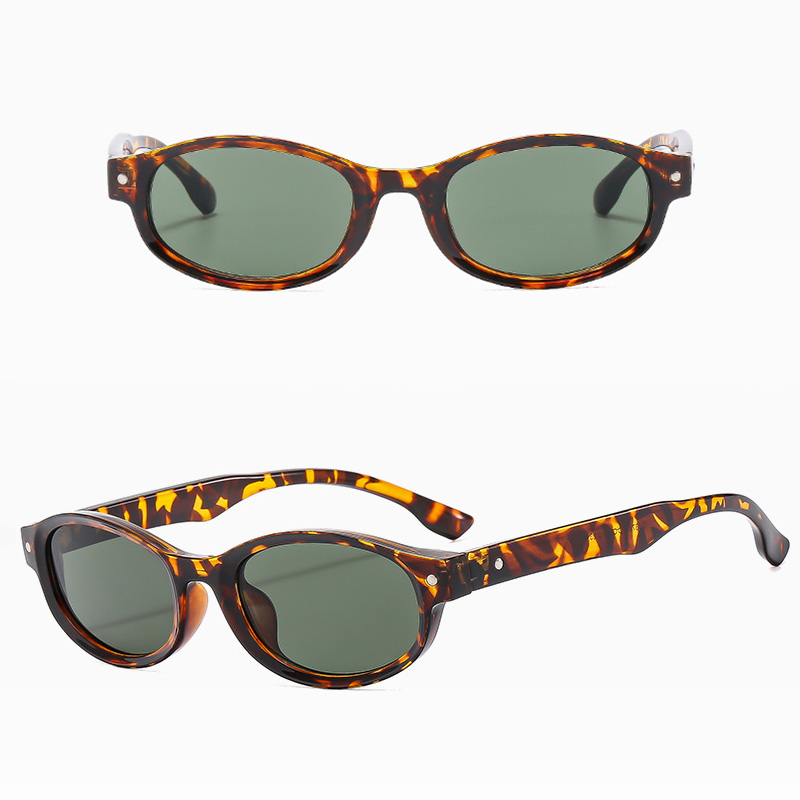
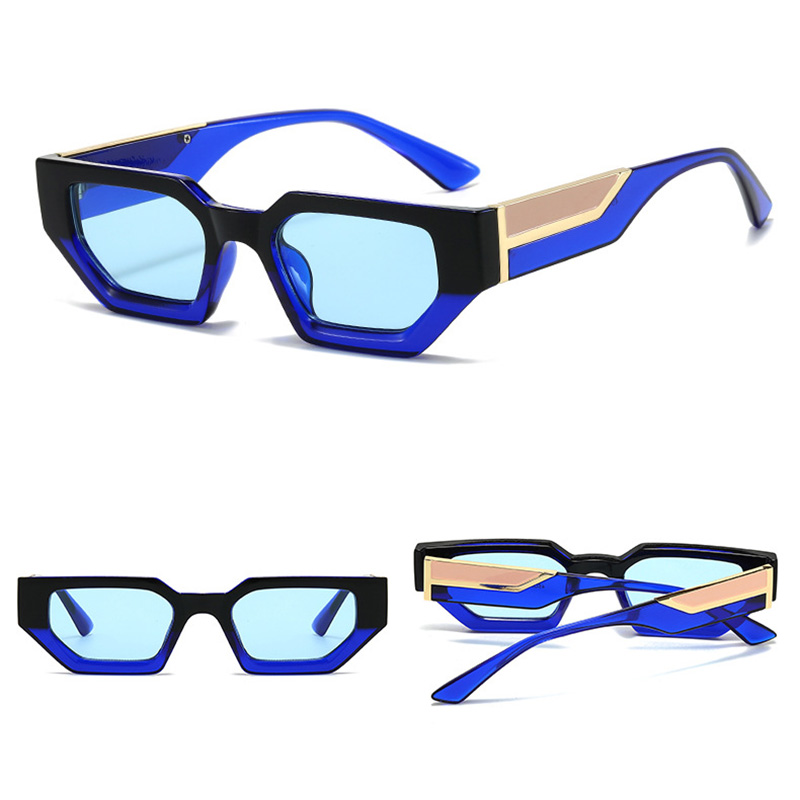
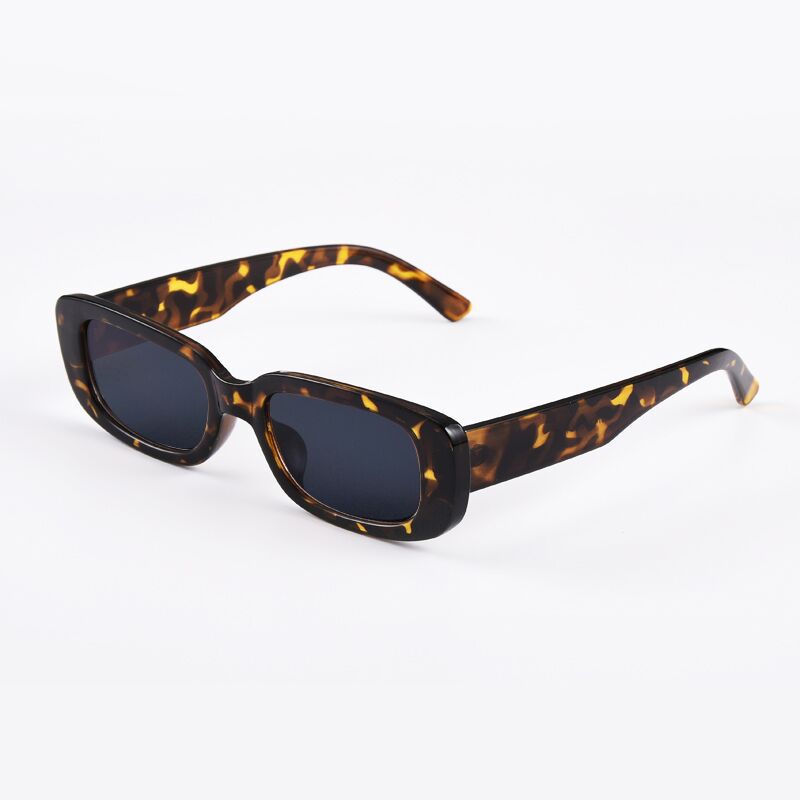
Struggling to choose the right frame material? The options seem endless, and a wrong choice can impact your brand's quality, style, and bottom line. You need clarity.
The best eyeglass frame material[^1] depends on your target market, price point, and brand identity. For fast-fashion, plastics like TR90 are ideal. For premium or classic lines, acetate offers superior quality. For performance, metals like titanium are unmatched. Each has unique benefits.
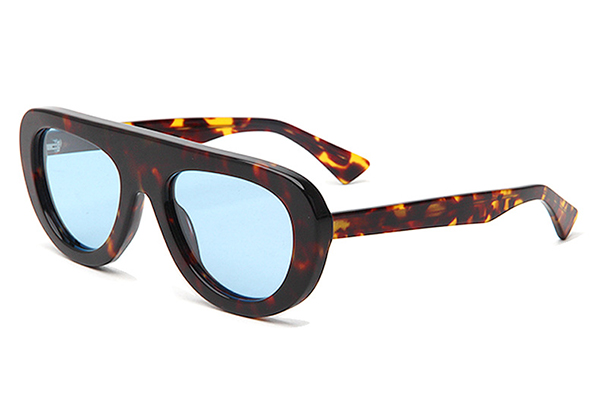
Choosing the right material is one of the most critical decisions you'll make when developing a new eyewear collection. It affects everything from the manufacturing cost and durability[^2] to how your customers perceive your brand's value. As someone who has worked with hundreds of brands, I've seen firsthand how a material choice can make or break a product line. It’s not just about looks; it's about matching the physical product to your brand promise. Let's break down the most common materials to help you make an informed decision that aligns perfectly with your business goals.
What Makes Acetate, Plastic, and Metal Frames Different?
Confused by terms like acetate[^3], TR90[^4], and titanium[^5]? Understanding the fundamental differences is the first step to choosing the right material for your brand's next bestseller.
The key difference lies in their origin and properties. Acetate is a plant-based plastic[^6] known for rich colors. Standard plastics like polycarbonate[^7] are injection-molded for efficiency. Metals like titanium[^5] and stainless steel offer superior strength and a lightweight feel. Each serves a different market segment[^8].
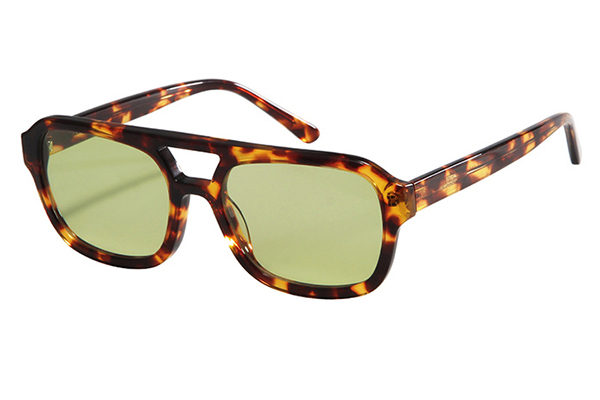
To truly grasp the options, we need to go deeper than just the surface appearance. When I consult with new clients, especially those targeting specific markets like fast fashion or luxury, the material conversation is paramount. For instance, a brand like Victoria's, which focuses on fashion sunglasses[^9] under $3, would benefit greatly from the versatility and cost-effectiveness of plastics. On the other hand, a higher-end brand needs the premium feel and longevity of acetate[^3]. The core difference is how they are made and what that means for the final product.
Material Deep Dive
-
Acetate (Cellulose Acetate): This is a plant-based plastic[^6], made from cotton and wood pulp. It's known as a premium material because it's hypoallergenic[^10] and incredibly versatile in terms of color. Colors are embedded within the material itself, not painted on. This means the patterns and hues won't fade or peel. This is perfect for high-end brands that want to offer classic, timeless styles with a rich, luxurious finish.
-
Plastics (PC, TR90[^4]): These are petroleum-based and typically injection-molded. This process is fast and efficient, making it ideal for large-volume production and fast-fashion markets. TR90[^4] is a thermoplastic famous for its flexibility[^11], durability[^2], and light weight. While fantastic for sport and budget-friendly lines, the color is often a surface application, which can wear off over time.
| Feature | Acetate | Plastic (PC/TR90[^4]) | Metal (Titanium/Steel) |
|---|---|---|---|
| Origin | Plant-Based (Cotton) | Petroleum-Based | Natural Element |
| Feel | Premium, Substantial | Lightweight, Flexible | Ultra-light, Strong |
| Best For | High-end fashion, classic styles | Fast fashion, sport, budget lines | Performance, minimalist, premium |
| Coloring | Embedded, long-lasting | Surface coated, can fade | Plated or Anodized |
How Do You Choose the Right Frame Material for Your Customers?
Your customers have different needs and lifestyles. Are you choosing a frame material that speaks directly to them, or are you just guessing what they might want?
Match the material to the end-user's lifestyle. For active user[^12]s, choose flexible and durable TR90[^4]. For office professionals, lightweight titanium[^5] or classic acetate[^3] works best. For fashion-forward buyers, the rich color possibilities of acetate[^3] are a perfect fit.
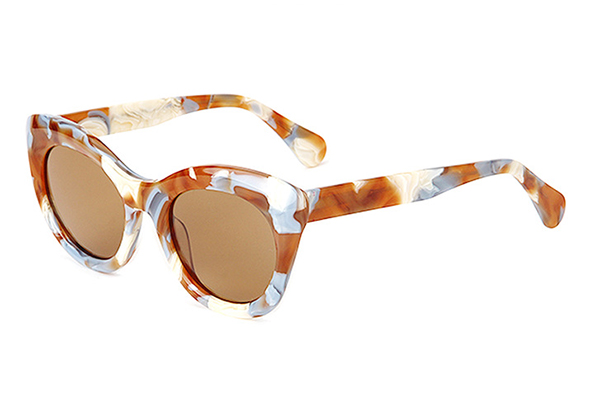
Thinking from your customer's perspective is the secret to building a successful eyewear line. When we develop a new collection with a partner, we don't just talk about trends; we talk about the person who will wear these glasses every day. Will they be running a marathon, sitting in board meetings, or creating content for social media? The answer dictates our material choice. For example, a customer like Lee, sourcing for a large retail group like BOOHOO, needs a wide variety of styles. This means we would likely propose a mix of materials, with cost-effective plastics for trendy, high-turnover items and perhaps some acetate[^3] pieces for a more "premium basics" collection within their range. The goal is to provide a solution for every potential customer they serve.
Matching Material to Lifestyle
-
The Active User: This customer needs frames that can keep up. They prioritize durability[^2], flexibility[^11], and a lightweight feel.
- Top Choice: TR90[^4]. Its ability to bend without breaking and its feather-light comfort[^13] make it the champion for sports and active lifestyles. It can withstand being dropped, tossed in a gym bag, and exposed to sweat without losing its shape.
- Secondary Choice: Polycarbonate (PC). Also very impact-resistant and lightweight, making it great for protective and sport-oriented eyewear.
-
The Fashion-Forward Trendsetter: This buyer, like Victoria's typical customer, wants style, color, and uniqueness. They see eyewear as a key accessory.
- Top Choice: Acetate. No other material offers the depth of color, layering, and unique patterns that acetate[^3] does. Because the color is part of the material, you can create stunning tortoise, marble, and gradient effects that look and feel high-end. It’s the perfect canvas for making a fashion statement.
-
The Business Professional: This user values comfort[^13], subtlety, and a premium look[^14]. They wear their glasses all day.
- Top Choice: Titanium. It’s incredibly strong yet unbelievably lightweight, offering the ultimate in all-day comfort[^13]. Its minimalist aesthetic projects a modern, sophisticated, and professional image. Stainless steel is a great, slightly more cost-effective alternative.
Which Frame Material Offers the Best Durability, Comfort, and Style?
You want to offer a product that looks great, feels comfort[^13]able, and lasts. But with so many materials, how do you know which one truly delivers on all fronts?
For balanced excellence, acetate[^3] is a top contender, offering great style and durability[^2]. For pure durability[^2] and comfort[^13], titanium[^5] is unmatched. For trendy styles at a competitive price, modern plastics like TR90[^4] offer good durability[^2] and comfort[^13].
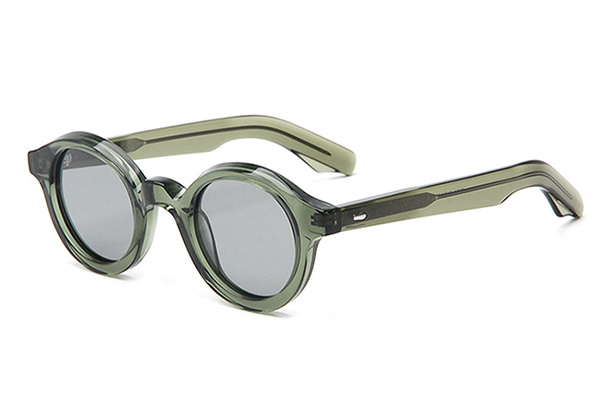
This is a question I get all the time. Brands want the "perfect" material, but the truth is, it's a trade-off. What you gain in one area, you might sacrifice in another. My experience has shown that the biggest mistake is choosing a material based on only one factor, like cost. For example, a cheap plastic frame might hit a low price point, but if the color peels off after a few months, it damages your brand's reputation. This is why I always bring up the insight about plastic versus acetate[^3]. The paint on a plastic frame is a surface layer. With daily wear, sweat, and sun exposure, it can fade, chip, or peel. Acetate's color, however, is a part of its very structure. It runs through the entire material. You can polish away a scratch, and the color will be just as vibrant underneath. This inherent quality is a powerful selling point for a brand focused on longevity and value.
Comparing Key Attributes
Let's break it down with a simple rating system.
| Material | Durability | All-Day Comfort | Style & Color |
|---|---|---|---|
| Acetate | High | Good | Excellent |
| TR90[^4] Plastic | Very High | Excellent | Good |
| PC Plastic | Good (Impact) | Good | Good |
| Titanium | Excellent | Excellent | Good (Minimalist) |
| Stainless Steel | Very High | Very Good | Good (Minimalist) |
- Durability: Titanium is the king of durability[^2], being corrosion-resistant and incredibly strong. TR90[^4] is a close second due to its flexibility[^11]. Acetate is also very durable, but can become brittle if exposed to extreme temperatures over long periods.
- Comfort: Comfort is mostly about weight. Titanium is the lightest, making it the winner for all-day wear. TR90[^4] is also exceptionally light. Acetate has more heft, which some users prefer as it feels more substantial and premium, but it is heavier than the others.
- Style: This is where acetate[^3] shines. Its potential for rich, unique, and layered colors is unmatched. It's the go-to for designers looking to create a signature look. Plastics offer a wide range of solid colors and finishes, perfect for sporty or bold modern designs, while metals offer a sleek, minimalist, and professional aesthetic.
What Are the Most Common Questions About Eyeglass Frame Materials?
When sourcing eyewear, you probably have a lot of specific questions. Concerns about allergies, care, and which plastic is "better" are common, and getting clear answers is vital.
Common questions cover allergies (choose titanium[^5] or acetate[^3]), flexibility[^11] (TR90[^4] is best), and care (avoid harsh chemicals on all frames). Understanding these details helps you build trust and provide better information to your own customers.
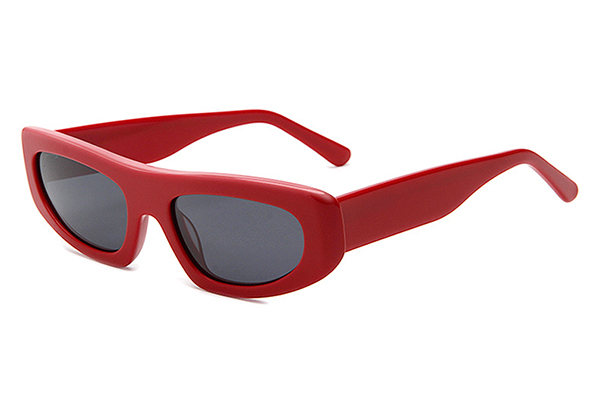
Over the years, I've answered thousands of questions from buyers. They worry about the details because they know their customers will. A buyer like Lee, who must meet strict compliance standards like Prop65 for a major retailer, needs to know everything about the material's composition and safety. Providing clear, honest information is part of our job as a manufacturing partner. It’s not just about selling frames; it’s about providing peace of mind. Let’s tackle some of the most frequent questions I hear from brand owners and procurement managers.
Frequently Asked Questions (FAQ)
1. Are metal frames hypoallergenic[^10]?
Not all of them. Frames made from nickel alloys can cause skin irritation for some people. If hypoallergenic[^10] properties are a priority, you must choose titanium[^5]. It is 100% biocompatible and is the same material used in medical implants. High-quality stainless steel is also a very safe and often hypoallergenic[^10] option.
2. What is the real difference between TR90[^4] and regular plastic (Polycarbonate/PC)?
While both are plastics, they serve different purposes.
- TR90[^4] is a thermoplastic known for being incredibly flexible, durable, and lightweight. Think of it as a "memory" plastic; you can bend it, and it will return to its original shape. This makes it perfect for kids' eyewear and sports glasses.
- Polycarbonate (PC) is known for its superior impact resistance. It's less flexible than TR90[^4] but tougher against shattering, which is why it's the standard material for safety and protective goggles.
3. How should my customers care for acetate[^3] frames?
Acetate is a fantastic material, but it requires a little care. Advise your customers to avoid leaving their glasses in a hot car, as extreme heat can cause the material to warp slightly. They should also avoid harsh chemicals like acetone (nail polish remover) or alcohol-based cleaners, which can damage the glossy finish. A simple cleaning with a microfiber cloth and lens spray or mild soap and water is all that's needed.
Are There Sustainable and Specialty Materials for Eyewear?
In today's market, customers are increasingly conscious of their environmental impact. Is your brand keeping up by exploring eco-friendly and innovative material options for your eyewear?
Yes, the industry is moving towards sustainability. Materials like bio-acetate[^3] (made with a bio-based plasticizer), recycled plastics, and certified sustainable wood are becoming popular. These options allow brands to build a powerful eco-conscious story.
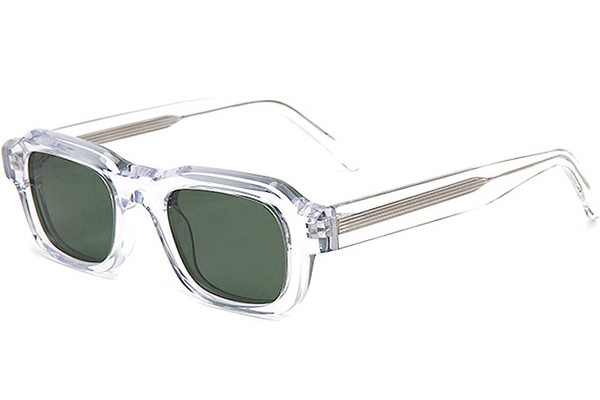
The conversation around materials is no longer just about cost and performance; it's also about purpose. I’m seeing more and more brands, especially those targeting millennial and Gen Z consumers, asking for sustainable options. Offering an eco-friendly collection isn't just good for the planet—it's a powerful marketing tool that can differentiate your brand from the competition. We've invested in developing supply chains for these materials because we believe this is the future of the industry. It allows our partners to tell a story that goes beyond style and connects with customers on a deeper, value-driven level.
Exploring the Future of Frames
-
Bio-Acetate: This is a more environmentally friendly version of traditional acetate[^3]. It replaces the standard oil-based plasticizers with ones derived from renewable, bio-based sources. It retains all the premium qualities of regular acetate[^3]—rich colors, luxurious feel, and durability[^2]—while reducing the carbon footprint. It’s the perfect choice for a premium brand that wants to add a layer of sustainability to its identity.
-
Recycled Materials: We can now source high-quality plastics made from recycled sources, such as rPET (recycled water bottles) or recycled fishing nets. These materials are perfect for creating sporty and casual sunglasses. They allow brands to actively participate in the circular economy and offer a product that is both stylish and part of the solution to plastic waste.
-
Specialty Materials: Beyond sustainability, there are other specialty materials that can create a unique niche for your brand.
- Wood/Bamboo: Offers a natural, one-of-a-kind aesthetic. Each frame has a unique grain, making it a piece of art. They are lightweight and appeal to eco-conscious consumers who value natural beauty.
- Carbon Fiber: Known for its incredible strength-to-weight ratio, this material is used in aerospace and high-performance sports cars. In eyewear, it creates an ultra-lightweight, extremely strong, and distinctly modern, high-tech look.
Conclusion
Choosing the right frame material is crucial for your brand's identity and success. By understanding the options, you can align your products with your target market and build a stronger brand.
[^1]: Explore the best materials for eyeglass frames to enhance your brand's quality and style.
[^2]: Explore the most durable materials to ensure long-lasting eyewear products.
[^3]: Discover why acetate is favored for its premium quality and vibrant colors.
[^4]: Learn about TR90's flexibility and durability, ideal for sports and active lifestyles.
[^5]: Find out how titanium offers unmatched strength and lightweight comfort for eyewear.
[^6]: Understand the advantages of using eco-friendly plant-based plastics in eyeglass frames.
[^7]: Explore polycarbonate's impact resistance and its applications in protective eyewear.
[^8]: Learn how to tailor frame materials to meet the needs of various customer segments.
[^9]: Discover the ideal materials for creating stylish and trendy fashion sunglasses.
[^10]: Explore hypoallergenic options to ensure comfort for sensitive skin.
[^11]: Understand the importance of flexibility in choosing materials for active users.
[^12]: Learn about frame materials that cater specifically to the needs of active individuals.
[^13]: Learn about the factors that contribute to comfort in eyeglass frame materials.
[^14]: Find out which materials can help you create a sophisticated and premium eyewear line.
Share:


Post time: Jan-23-2026