Struggling to navigate US sunglass regulations? Non-compliance can block your market access, leading to costly delays and rejections. Understanding these standards is essential for a smooth and successful import process.
The ANSI Z80.3 standard is the primary US regulation for nonprescription sunglasses. It sets requirements for UV protection, optical clarity, flammability, and impact resistance, which includes the mandatory drop ball test to ensure lens safety and durability for consumer use.
Getting your sunglasses into the US market feels like a big challenge. You have a great product, but then you hear about all these technical rules and standards. It can be confusing and a little scary. You worry that one missed detail could get your entire shipment stuck at customs. As a manufacturer, I've seen this happen, and it's a major headache for any brand owner. But it doesn't have to be that way. Once you understand the core requirements, you can build a process that ensures every pair of sunglasses you produce is ready for the market. This knowledge turns a potential problem into a real competitive advantage. Let's break it down together.
What Are the Key Requirements for Nonprescription Sunglasses Under ANSI Z80.3[^1]?
Are you worried your sunglasses might not meet the specific technical demands of the US market? This uncertainty can be stressful, especially when a lot of money is on the line.
ANSI Z80.3[^1] has four main pillars: optical quality[^2], UV/light transmittance[^3], flammability, and impact resistance[^4]. For optical quality[^2], it limits distortion. For transmittance[^3], it ensures proper UV blocking. It also requires frames to be non-flammable and lenses to pass a drop ball test[^5].
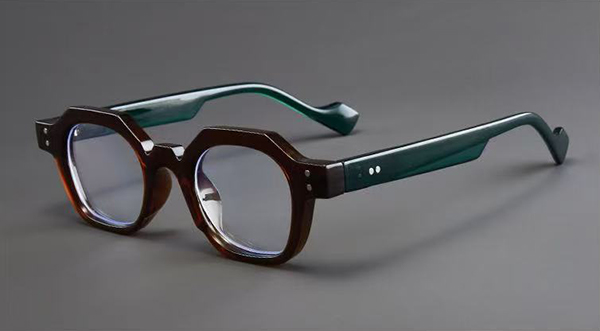
When we make sunglasses for our clients, especially those targeting the United States, we focus on these core areas to guarantee compliance. It's not just about passing a final test; it's about building quality into every step. We’ve learned that a simple checklist approach works best to make sure nothing gets missed. For example, the drop ball test[^5] is a big one. It's a specific requirement for the US market that many new buyers don't know about. We have to make sure every lens can withstand the impact of a steel ball dropped from a specific height. This directly affects material choice and lens thickness. Understanding these details from the start prevents costly failures later.
Here’s a breakdown of the key areas:
1. Optical and Transmittance Properties
This part of the standard makes sure the sunglasses don't distort the wearer's vision and provide the right protection.
- Refractive Power & Astigmatism: The lenses shouldn't act like prescription lenses. They must be optically neutral to prevent headaches or eye strain.
- Prismatic Power: This ensures both lenses are aligned correctly, so you don't see double or feel disoriented.
- UV Transmittance: Lenses must block most UVA and UVB rays. This is where the "UV400[^6]" or "100% UV protection[^7]" claim comes from.
2. Physical and Durability Requirements
These tests ensure the sunglasses are safe to wear and won't easily break.
- Flammability: The frame materials must be slow-burning to give a person time to remove them in case of accidental exposure to fire.
- Impact Resistance: This is a critical test for the US market. A 5/8-inch steel ball is dropped onto the lens from a height of 50 inches. The lens cannot fracture. This is the "drop ball test[^5]" that requires a formal report for US imports.
How Does ANSI Z80.3[^1] Compare to Global Standards like ISO 12312-1?
Selling sunglasses in different countries can be very confusing. Each market seems to have its own rules, and you don't want to pay for unnecessary tests or get compliance wrong.
ANSI Z80.3[^1] is the US standard. ISO 12312-1[^8] is the accepted international standard in Europe, Australia, and many other regions. While very similar on UV protection[^7], they differ on impact resistance[^4] requirements, where the US is stricter.
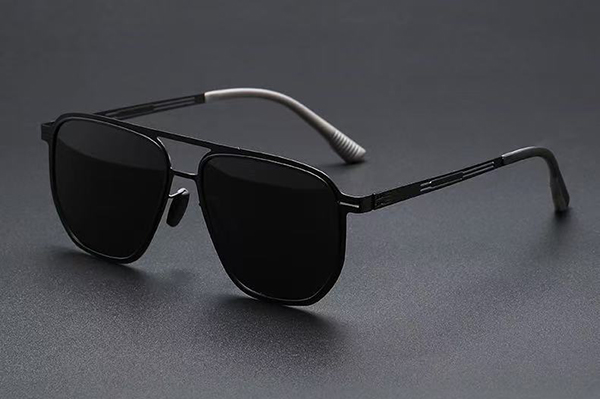
Over the years, we've had to become experts in navigating these different standards for our clients. A buyer from the US needs a drop ball test[^5] report, which is specific to ANSI Z80.3[^1]. But a buyer from Germany, who follows the ISO standard, doesn't require it in the same way. The key is to understand the main differences so you can create one product that satisfies multiple markets where possible. For instance, by designing our sunglasses to pass the ANSI Z80.3[^1] impact test, they often automatically meet the less strict requirements of other standards. This saves our clients time and money. It’s also interesting to note that some clients from Australia ask about ANSI Z87.1. We have to explain that Z87.1 is for safety and protective goggles, not fashion sunglasses. This shows how important it is to know which standard applies to your specific product.
| Feature | ANSI Z80.3[^1] (USA) | ISO 12312-1[^8] (International/EU) |
|---|---|---|
| Primary Region | United States | Europe, Australia, and most other countries |
| Impact Resistance | Mandatory. Lenses must pass a drop ball test[^5]. | Not mandatory for all sunglasses. A more robust level of impact resistance[^4] is optional. |
| UV Protection | Specifies limits for UVA and UVB transmittance[^3]. | Very similar to ANSI Z80.3[^1], with detailed categories for lens filters. |
| Labeling | Requires specific information on labeling and product tags. | Has its own specific labeling requirements, including the filter category number. |
What Is a Practical Checklist for ANSI Z80.3[^1] Compliance in Manufacturing?
You know the standards, but how do you actually apply them in production? Without a clear process, it's easy for small mistakes to lead to a failed batch and major losses.
A good checklist starts with sourcing compliant raw materials. Then, implement in-process quality control checks[^9]. Finally, conduct batch testing[^10], including the drop ball test[^5], and keep detailed documentation for every order.
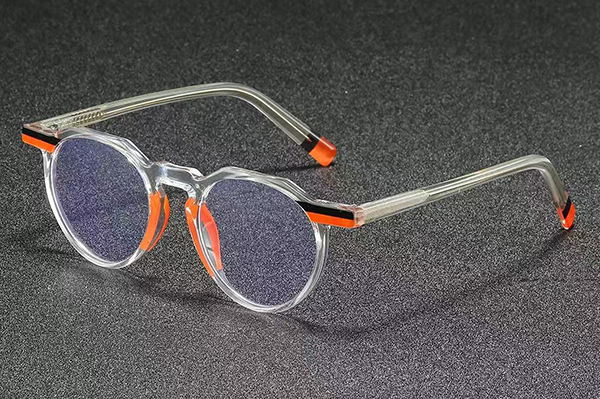
In our factory, a checklist isn't just a piece of paper; it's our production roadmap[^11]. It’s how we promise clients like Victoria, a US brand owner, that her sunglasses will be compliant every time. We learned early on that you can't just inspect for quality at the end. You have to build it in. For example, our checklist has a specific item for verifying the UV protection[^7] level of raw lens materials before they are even cut. This prevents an entire production run from failing the transmittance[^3] test later. This systematic approach gives our clients peace of mind. They know their investment is safe because we have a documented process to ensure every pair of sunglasses meets the strict requirements of ANSI Z80.3[^1].
Phase 1: Pre-Production
- Material Verification: Confirm that lens and frame materials have test reports from the supplier showing they meet UV and flammability requirements.
- Design Review: Check the design for potential weak spots. Are the lenses too thin? Is the frame design likely to fail the drop ball test[^5]?
Phase 2: During Production
- Lens Cutting & Fitting: Ensure there is no stress on the lens when it's inserted into the frame, as this can cause it to fail the impact test.
- In-Process Optical Tests: Use a lensmeter to randomly sample lenses during the run to check for unwanted refractive power[^12] or distortion.
Phase 3: Post-Production & Final QC
- Batch Testing: Select a statistical sample from the finished batch to perform the key tests.
- Drop Ball Test: This is the final and most important check for the US market. Conduct the test and record the results.
- Documentation: Compile all reports—from raw material certificates to the final drop ball test[^5] report—into a compliance file for the order.
What Are Common Failure Points Under ANSI Z80.3[^1]?
Are you worried your new sunglass design[^13]s might unexpectedly fail compliance tests? A design flaw can lead to expensive re-tooling and production delays after a critical test failure.
The most common failures are in the impact resistance[^4] (drop ball) test due to thin lenses or brittle frames. Other frequent issues include failing UV protection[^7] levels or optical distortions from poor lens molding and coating.
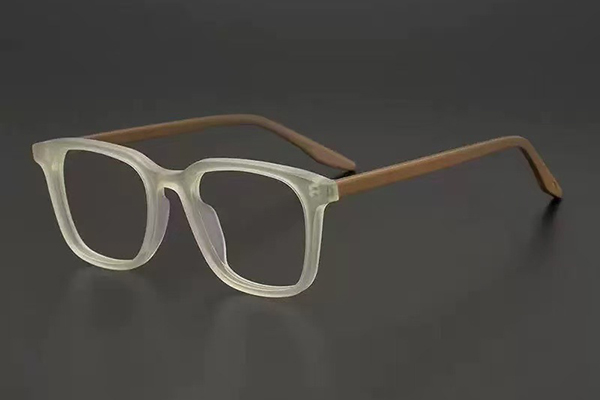
I remember one of our first big orders for the US. We thought the design was great, but a number of pairs failed the drop ball test[^5]. The lenses were just a little too thin at the edges. It was a tough lesson, but it taught us to analyze every design for compliance risks before we even make a mold. Now, we know exactly what to look for. For example, some recycled plastics can become brittle and crack under impact. Or, a beautiful mirror coating might be applied unevenly, causing optical distortion. By knowing these common traps, we can guide our clients to make small design adjustments that ensure a smooth production run and a fully compliant product.
Impact Resistance Failures
- Why it happens: Lenses are too thin (especially below 2.0mm), the material is too brittle, or the frame puts stress on the lens.
- How to prevent it: Use high-quality polycarbonate or other impact-resistant materials. Ensure lens thickness is adequate and the frame's lens groove is properly sized.
Optical Failures (Distortion & Haze)
- Why it happens: Poor quality injection molds, inconsistent lens coatings, or low-grade raw materials can cause haziness or visual distortion.
- How to prevent it: Use high-precision steel molds. Implement strict quality control during the coating process. Source lens materials from reputable suppliers.
UV Transmittance Failures
- Why it happens: The lens material does not contain enough UV-blocking additive. Sometimes, a factory might try to cut costs here.
- How to prevent it: Always demand a certificate for your lens material and conduct your own random tests with a UV spectrometer to verify the supplier's claims.
How Do You Communicate Safety Standards to Your Customers?
You've invested in making a compliant, safe product. But how do you use this to build trust and stand out from competitors who just make vague claims?
Clearly state "100% UV Protection" or "UV400[^6]" and mention compliance with ANSI Z80.3[^1] on your packaging and product listings. This transparency builds consumer trust[^14] and justifies a premium quality perception.
We always advise our clients to think of compliance as a marketing tool. It’s not just a technical requirement; it's a story you can tell your customers. When you can honestly say your sunglasses meet a recognized safety standard like ANSI Z80.3[^1], you are telling them you care about their eye health and safety. This is a powerful message. We help our clients prepare the right wording for their packaging, hang-tags, and online stores. For example, simply adding a line like "Impact-resistant lenses tested to US standard ANSI Z80.3[^1]" can make a huge difference. It turns a checkbox item into a real selling point that builds brand credibility and helps customers feel confident in their purchase.
On the Product Itself
- Stickers and Etchings: A removable sticker on the lens saying "UV400[^6] Protection" is common. Some brands also lightly etch "UV Protection" on the lens.
On the Packaging and Inserts
- Box/Case: Print "Provides 100% UVA/UVB Protection" and "Conforms to ANSI Z80.3[^1] safety standards" directly on the box.
- Hang-Tag/Booklet: Use the hang-tag to explain what ANSI Z80.3[^1] means in simple terms, like "Built for durability and optical clarity."
In Your Digital Marketing
- Product Descriptions: Don't just list features. Explain the benefits. Instead of "ANSI Z80.3[^1] compliant," write "Independently tested to meet US safety standards[^15] for clarity and impact resistance[^4], so you can wear them with confidence."
- Content: Write a blog post or create a short video explaining why UV protection[^7] and impact resistance[^4] are important. This positions your brand as a knowledgeable and trustworthy expert.
Conclusion
Navigating ANSI Z80.3[^1] is key to US market success. By understanding its requirements, comparing it globally, and integrating compliance into your process, you can deliver safe, high-quality sunglasses confidently.
[^1]: Explore this link to understand the ANSI Z80.3 standard, crucial for ensuring your sunglasses meet US regulations.
[^2]: Understanding optical quality is essential for producing sunglasses that provide clear vision and comfort.
[^3]: Learn about transmittance to ensure your sunglasses provide adequate UV protection and visual clarity.
[^4]: Discover the importance of impact resistance in sunglasses to guarantee safety and compliance with US standards.
[^5]: Find out how the drop ball test ensures lens safety and durability, a key requirement for US market entry.
[^6]: Explore the significance of UV400 in sunglasses to ensure maximum UV protection for consumers.
[^7]: Learn about UV protection in sunglasses to ensure your products effectively shield consumers from harmful rays.
[^8]: Learn about ISO 12312-1 to understand international standards and how they compare to ANSI Z80.3.
[^9]: Explore quality control checks to ensure your sunglasses meet safety and compliance standards.
[^10]: Learn about batch testing to ensure every production run meets ANSI Z80.3 compliance.
[^11]: Discover how a production roadmap can streamline compliance and quality assurance in sunglasses.
[^12]: Understanding refractive power helps prevent visual distortion, ensuring a comfortable wearing experience.
[^13]: Understanding design considerations is crucial for creating compliant and market-ready sunglasses.
[^14]: Explore strategies to build consumer trust through transparency and compliance in your sunglasses.
[^15]: Learn about safety standards to ensure your sunglasses are compliant and safe for consumers.
Share:


Post time: Jan-12-2026