Sourcing sunglasses for the EU market can feel complex. One mistake and your shipment could be rejected, costing you time and money. Understanding the CE mark[^1] is your key to success.
The CE mark[^1] on sunglasses shows that the product meets the European Union's health, safety, and environmental standards. It is a declaration by the manufacturer that the sunglasses comply with all essential requirements, especially for UV protection[^2], making them legal to sell within the European Economic Area (EEA)[^3].
I've been in the eyewear business since 2012, and I've seen it all. The CE mark[^1] is more than just two letters printed on a temple arm; it's a promise. It's a sign of quality and a critical requirement for anyone serious about selling in Europe. But many people, even seasoned buyers, don't fully grasp what it entails or how to verify it. This guide will walk you through everything you need to know, so you can source with confidence and avoid costly mistakes. Let's dive into what this symbol of compliance really means for you.
Is the CE Mark Really a 'Passport' to the European Market?
You want to sell your sunglasses in Europe, but the entry barrier seems high. Without the right credentials, your products can get stuck at customs, turning a potential profit into a major headache. Think of the CE mark[^1] as your product's official passport for entry.
Yes, the CE mark[^1] acts as a product's passport for the European Economic Area. It signals to customs and authorities that your sunglasses meet all required EU directives. This allows for the free movement and sale of the product within the 27 EU member states and other associated countries.
When we say the CE mark[^1] is a "passport," we mean it quite literally in a commercial sense. The whole point of the European Single Market[^4] is to allow the free movement of goods, services, capital, and people. For goods like sunglasses, the CE mark[^1] is the system that makes this possible. It's a harmonized standard[^5] that, once met, is accepted everywhere within the EEA. This means you don't have to get your sunglasses certified individually by Germany, then France, then Spain. One valid CE mark[^1]ing covers them all. This is where working with a certified factory provides incredible efficiency. We handle the complex compliance work so your product has its passport ready from day one. Without it, your product is effectively an undocumented traveler, likely to be turned away at the border.
| Aspect | Sunglasses with CE Mark | Sunglasses without CE Mark |
|---|---|---|
| Market Access | Unrestricted access to the entire EEA market. | Blocked from entering the EEA; risk of seizure. |
| Customs | Smooth clearance process. | Shipments detained, returned, or destroyed. |
| Retailers | Readily accepted by reputable distributors and stores. | Rejected by legitimate retail partners. |
| Legal Status | Fully legal to be sold to consumers. | Illegal to be placed on the market. |
Why Do UV Protection and Legal Compliance Matter So Much?
You might think any pair of dark lenses protects your customers' eyes. But selling non-compliant sunglasses can lead to legal trouble, product recalls[^6], and severe damage to your brand's reputation. Prioritizing UV protection and legal compliance[^7] is simply non-negotiable for a serious business.
It matters because it's about safety and trust[^8]. The CE mark guarantees the sunglasses provide adequate UV protection[^2], safeguarding consumers' eyes from harmful radiation. Legally, it's mandatory for sale in the EU, and non-compliance can result in fines and a total loss of market access[^9].
A few years ago, a potential client came to us in a panic. They had sourced a large batch of trendy sunglasses from a supplier they found online for an incredibly low price. The shipment arrived in Europe and was immediately flagged and seized by customs. The products had no CE mark[^1]ing and failed basic UV tests. They lost their entire investment and, more importantly, their relationship with a major retail partner. This story is all too common. The market is flooded with cheap, uncertified products that offer little more than colored plastic in a frame. They don't protect the eyes; in fact, by causing the pupils to dilate, they can let in more harmful UV radiation. As a brand owner or buyer, your name is on the final product. Choosing a certified factory isn't just about ticking a box. It's about protecting your customers, your brand, and your business from disaster. It’s the most direct way to show you are a serious, reliable partner.
What Specific Standards Do CE Certification Tests Actually Verify?
The term "certified" can feel vague and uncertain. You're not always sure what is actually being tested, which makes it hard to judge the true quality and safety of a product. Let's break down the specific, rigorous tests a pair of sunglasses must pass to earn its CE mark[^1].
CE certification for sunglasses primarily verifies compliance with the EN ISO 12312-1 standard. This includes tests for UV transmittance (blocking UVA and UVB rays), optical quality[^10] (no distortion), physical robustness, and ensuring the frame materials are non-toxic and safe for skin contact.
To get the CE mark[^1], sunglasses can't just look good; they have to perform under scientific scrutiny. The EN ISO 12312-1 standard[^11] is the key benchmark. At our factory, every batch destined for Europe undergoes a series of checks based on these requirements. It's not just about a final inspection; quality is built into the process. We start with certified raw materials and conduct tests throughout production. This ensures that every pair of sunglasses that leaves our facility is ready for the European market. It provides the "certainty" that savvy buyers like Victoria and Lee look for. Here is a simplified breakdown of what’s being tested:
| Test Category | What It Checks For | Why It Is Important for Your Customers |
|---|---|---|
| UV Transmittance | How much UVA and UVB radiation passes through the lens. | Prevents long-term eye damage like cataracts and macular degeneration. This is the core safety function. |
| Optical Clarity | Checks for distortion, refractive power, and prism effects. | Ensures the wearer sees clearly without distortion, preventing headaches, eye strain, and potential accidents. |
| Impact Resistance | The ability of the lens and frame to withstand impact. | Provides a basic level of safety during normal use, ensuring the sunglasses won't easily break or shatter. |
| Material & Surface Quality | Ensures materials are non-toxic and frames are free of sharp edges. | Prevents allergic reactions, skin irritation, and physical cuts or scrapes from a poorly finished product. |
How Can You Spot Proper Labeling and Avoid Counterfeit Marks?
You see a CE mark[^1] on a sample, but can you really trust it? Counterfeit marks are unfortunately common and can give you a false sense of security, leading you to import a non-compliant product. Knowing what to look for is a simple skill that protects your business.
A genuine CE mark[^1] has a specific, legally defined design and proportion. It should be visibly and legibly affixed to the sunglasses, usually on an inner temple arm. Be very wary of marks that look distorted or are paired with the fake "China Export" logo, a common counterfeit tactic.
This is an area where a little knowledge goes a long way. The genuine CE mark[^1] is based on two overlapping circles, and the letters have a specific geometry. The most common look-alike is the so-called "China Export" mark, where the letters C and E are placed very close together. It looks similar at a quick glance, but it's meaningless and designed to deceive. An honest manufacturer will never use it.
However, the best way to verify compliance goes beyond just looking at the logo on the product. As a buyer, you have the right to ask for the documentation that proves certification. You should always request the Declaration of Conformity (DoC)[^12] from your supplier. This is a formal, one-to-two-page document signed by the manufacturer, stating that the product complies with all applicable EU directives. It will list the specific standards (like EN ISO 12312-1) the product meets and should include the name and address of the manufacturer. If a supplier is hesitant or unable to provide this document, it's a major red flag.
What Additional Information Should You Find Beyond Just the Logo?
The CE logo is there, but what else should you be looking for on the product or its packaging? Missing information can still be a sign of a non-compliant or low-quality product, even if the CE mark[^1] itself looks correct. A fully compliant product provides a complete set of information.
Besides the CE mark[^1], you should find the manufacturer's name/brand and address[^13], the lens filter category number[^14] (0-4), and any specific use limitations. This information is legally required and demonstrates the manufacturer's transparency and commitment to full compliance.
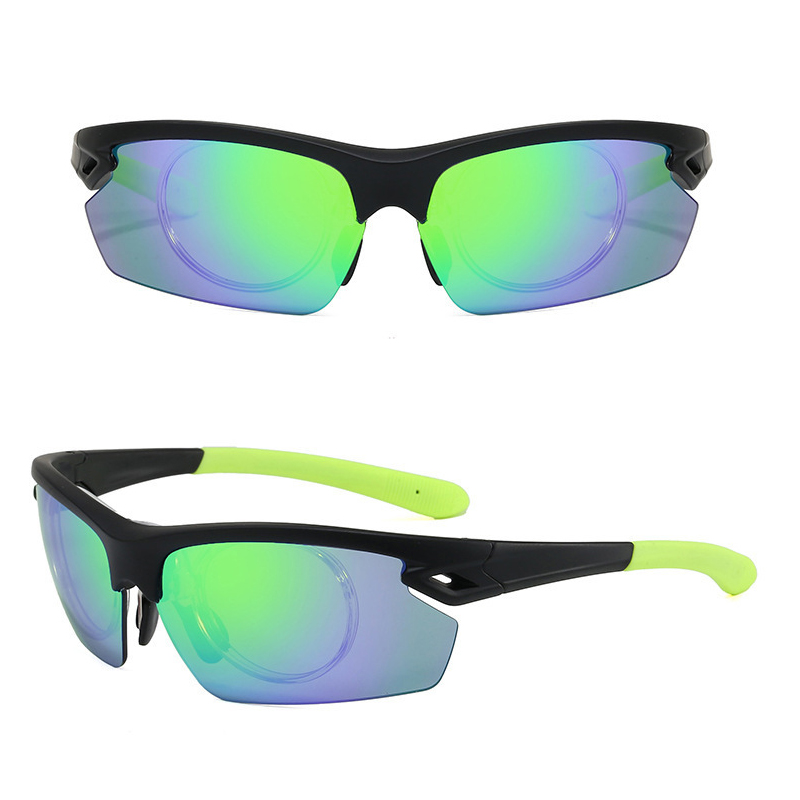
Think of this extra information as the supporting cast for the CE mark[^1]. It provides crucial context for the end-user and demonstrates the manufacturer’s professionalism. When I inspect a final product, these are the details I confirm are present and correct. Each piece of information serves a purpose for safety and transparency.
- Manufacturer Identification: The name and address of the manufacturer or their authorized EU representative must be included. This ensures traceability[^15]. If there’s a problem with the product, authorities and consumers need to know who is responsible.
- Filter Category: This is one of the most helpful pieces of information for a consumer. The number, ranging from 0 to 4, indicates how dark the lenses are and for what conditions they are suitable. It should be clearly marked.
| Filter Category | Light Transmission | Recommended Use |
|---|---|---|
| Cat. 0 | 80-100% | Fashion, indoor use, or overcast days. Very light tint. |
| Cat. 1 | 43-80% | Low sun exposure, partly cloudy days. |
| Cat. 2 | 18-43% | Medium sun exposure, general purpose. |
| Cat. 3 | 8-18% | Strong sun exposure, suitable for beach and mountain use. |
| Cat. 4 | 3-8% | Exceptional sun, glaciers, high altitudes. Not for driving. |
- Use Limitations: For certain categories, warnings are mandatory. For example, all Category 4 sunglasses must be marked as "not suitable for driving and road use." All sunglasses should also indicate they are not for direct observation of the sun.
Conclusion
The CE mark[^1] is your non-negotiable sign of safety, quality, and market access[^9] for sunglasses in the EU. Choosing certified suppliers who understand these details is simply smart business.
[^1]: Understanding the CE mark is crucial for ensuring your sunglasses meet EU standards, allowing legal sales and avoiding costly mistakes.
[^2]: Discover the health benefits of UV protection in sunglasses and how it safeguards consumers' eyes from harmful radiation.
[^3]: Learn how the EEA facilitates free trade and why the CE mark is essential for accessing this lucrative market.
[^4]: Learn how the European Single Market facilitates the free movement of goods like sunglasses across EU member states.
[^5]: Explore how harmonized standards ensure consistent quality and safety for products like sunglasses across the EU.
[^6]: Learn about the potential financial and reputational damage caused by selling non-compliant sunglasses.
[^7]: Avoid legal issues and market access problems by ensuring your sunglasses meet all EU compliance requirements.
[^8]: Build consumer confidence by prioritizing safety and trust through compliance with EU standards.
[^9]: Gain insights into how the CE mark opens doors to the EU market, allowing unrestricted sales across member states.
[^10]: Find out how optical clarity is assessed to prevent distortion and ensure a comfortable viewing experience for users.
[^11]: Explore the specific tests and requirements sunglasses must meet under this standard to ensure quality and safety.
[^12]: Understand the importance of the DoC in verifying compliance with EU directives and ensuring product authenticity.
[^13]: Ensure product traceability and accountability by verifying the presence of the manufacturer's details on sunglasses.
[^14]: Discover how filter categories help consumers choose the right sunglasses for different light conditions and activities.
[^15]: Ensure accountability and consumer safety by understanding the role of traceability in the supply chain.
Share:


Post time: Mar-16-2026