Struggling to find a supplier with consistent quality[^1]? Poorly made frames can damage your brand. Understanding the manufacturing equipment is the first step to choosing a reliable partner.
The core equipment for eyeglass manufacturing includes CNC machines for acetate, injection molding machines for plastic frames like TR90, and forming presses for metal. Finishing equipment like polishers, hinge inserters, and lens edgers are also essential for a high-quality final product.
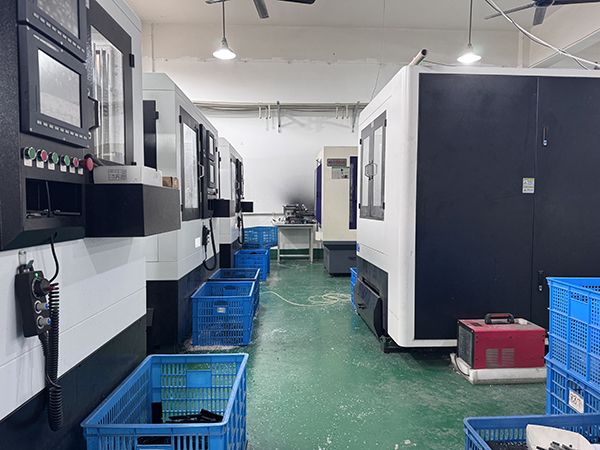
When I first started in this industry, I was amazed by the number of machines involved. It's not just about a single production line. It's a symphony of specialized equipment working together. A client's success often depends on whether their supplier has the right instruments for that symphony. Understanding these machines empowers you to ask the right questions and make better sourcing decisions. It helps you see beyond the sample and understand the true capability of a potential partner. Let's explore the key pieces of equipment you should know about.
What Core Machinery Fabricates Different Eyeglass Frames?
Choosing a frame material without knowing the machine behind it is a risk. This can lead to weak products and unhappy customers. Let's look at the essential fabrication machines.
Core fabrication relies on three main types of machinery. CNC machines carve acetate and metal. Injection molding machines produce plastic frames. Forming presses are used to shape metal components.
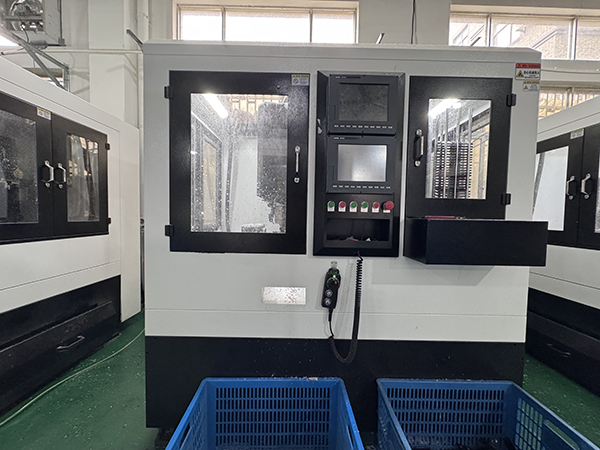
The type of frame you want to produce directly dictates the primary machine we use. It’s the heart of the production process. For a brand owner like Victoria who focuses on fashionable acetate or metal styles, understanding the precision of a 5-axis CNC machine is key. For a buyer like Lee, who needs large quantities of durable plastic frames, the efficiency and consistency of our injection molding machines are more important. I remember a client who wanted the quality of acetate but the cost-effectiveness of injection molding. We discussed using injected sheets[^2], a newer process that bridges this gap. This kind of solution is only possible when you have a deep understanding and a wide range of core machinery.
CNC (Computer Numerical Control) Machines
CNC machines are essential for high-precision work[^3], especially with materials like acetate and metal. They use computer programs to cut and shape materials with incredible accuracy. This is how we achieve intricate designs and a perfect fit.
Injection Molding Machines
For plastic frames, like those made from TR90 or polycarbonate[^4], the injection molding machine is king. It melts plastic pellets and injects them into a mold. This process is fast, efficient, and perfect for producing large volumes of identical, durable frames.
Forming Presses
Metal frames often require forming presses. These machines use high pressure to bend and shape metal wires and sheets into the desired frame components, like bridges and temples.
| Machine Type | Primary Material | Key Benefit | Ideal For |
|---|---|---|---|
| CNC Machine | Acetate, Aluminum, Titanium | High Precision, Design Flexibility | Premium, custom-designed fashion frames |
| Injection Molding | TR90, PC, Ultem | High Volume, Consistency, Cost-Effective | Sport sunglasses, kids' glasses, budget-friendly lines |
| Forming Press | Stainless Steel, Monel | Strength, Durability | Classic wire-rimmed and metal eyeglass frames |
How Are Eyeglass Frames Finished and Assembled?
A perfectly shaped frame can be ruined by a poor finish. Scratches, weak hinges, or misaligned lenses tell your customers the product is cheap, hurting your brand's reputation.
High-quality finishing and assembly depend on specialized equipment. This includes barrel and hand polishers[^5] for a smooth surface, riveting machines for secure hinges, and automated edgers for precise lens fitting.
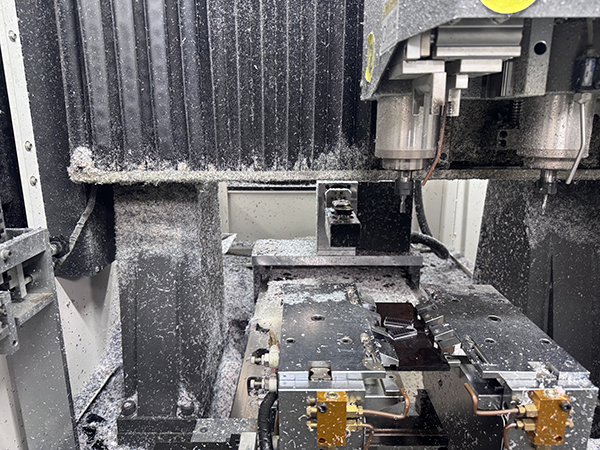
The finishing stage is where a good frame becomes a great one. It's all about the details. I've seen brands fail because their previous supplier cut corners here. For example, a client came to us with frames that had loose hinges after just a few weeks of use. Their old factory was inserting them by hand with inconsistent pressure. We showed them our semi-automated riveting machines, which ensure every hinge is secure and operates smoothly. This commitment to finishing technology provides the reliability that brand owners need. It’s the difference between a one-time purchase and a loyal customer for your brand.
Polishing Equipment
After fabrication, frames are rough. We use a multi-stage polishing process. First, frames go into a large tumbling barrel with wood chips and polishing paste for several days. This smooths out all the major rough spots. For a premium, glossy finish, especially on acetate, the final step is hand-polishing with a buffing wheel. This brings out the material's true color and luster.
Hinge and Assembly Tools
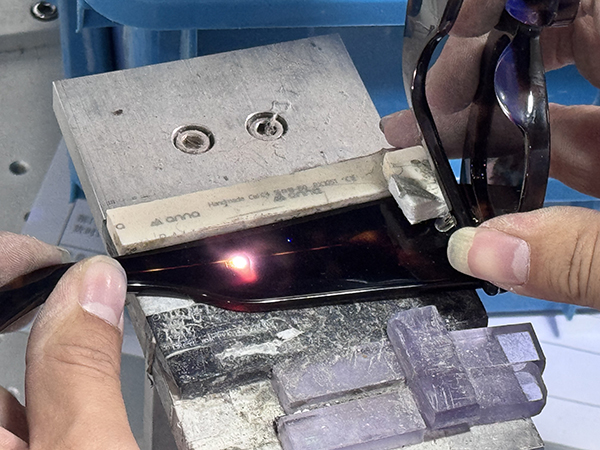
Secure hinges are non-negotiable. We use specialized riveting or heat-insertion machines to embed hinges firmly into the frames. This ensures a durable, long-lasting connection between the frame front and the temples. Precision jigs and alignment tools are then used during final assembly to ensure everything is perfectly straight and symmetrical.
Lens Edging and Mounting
For complete eyewear, we use automated lens edgers[^6]. These machines trace the inside of the frame and cut the lens to the exact shape and size needed. This precision is crucial for a secure fit, preventing lenses from rattling or popping out. It's especially important for prescription-ready frames.
What Technology Trends Are Shaping Eyewear Manufacturing?
Your business can fall behind if your supplier uses outdated technology. Slow production and inconsistent quality[^1] from old machines can make you lose ground to more innovative competitors.
The key technology trends are automation, smart manufacturing, and material science[^7]. Automation increases precision and speed, while smart manufacturing uses data for quality control. New materials offer enhanced durability and sustainability.
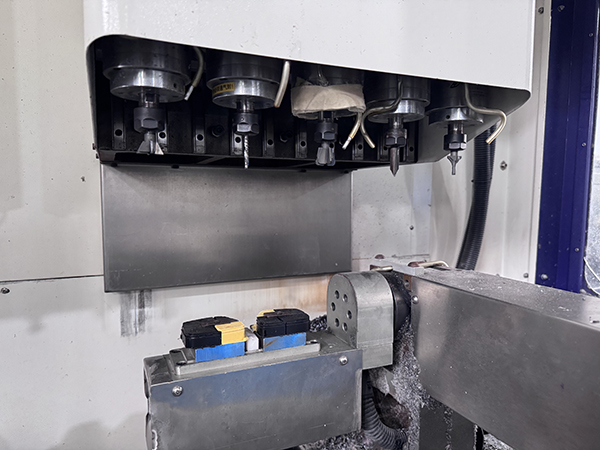
We are constantly looking for ways to improve our processes. Adopting new technology is a big part of that. Recently, we invested in an automated spray-painting line. This not only speeds up production but also ensures a perfectly even coat on every single frame, something that is difficult to achieve manually. This level of consistency is what our customers, especially those with strict branding guidelines, really appreciate. Smart manufacturing is another area we are exploring. By adding sensors to our injection molding machines, we can monitor temperature and pressure in real-time. This helps us catch potential defects before they happen, reducing waste and ensuring every frame meets our high standards. These advancements aren't just about being modern; they are about delivering a better, more reliable product to you.
Automation and Robotics
From automated CNC loaders to robotic arms for sorting and assembly, automation is reducing human error and increasing efficiency. This leads to more consistent quality[^1] and faster production lead times, which are critical for meeting tight deadlines for clients like Lee's BOOHOO group.
Smart Manufacturing (Industry 4.0)
This involves integrating digital technology into the factory floor. We use systems that monitor machine performance and production data in real-time. This allows us to predict maintenance needs, optimize workflows, and maintain a digital record for quality control. This level of traceability is increasingly important for compliance with standards like ISO9001.
Advancements in Materials
Technology isn't just about machines; it's also about the materials we use. We are seeing major advancements in bio-acetates, recycled plastics, and new lightweight metal alloys[^8]. Having the right equipment allows us to work with these innovative materials, offering our clients more sustainable and high-performance options for their collections.
How Do You Choose the Right Equipment-Savvy Supplier?
It is hard to know if a supplier's factory is as good as their marketing photos. Choosing the wrong partner can lead to production nightmares, missed deadlines, and poor-quality products.
Choose a supplier by verifying their equipment list and certifications. Look for modern, well-maintained machinery, a clean and organized factory floor, and quality management certifications like ISO9001. Ask about their quality control processes.
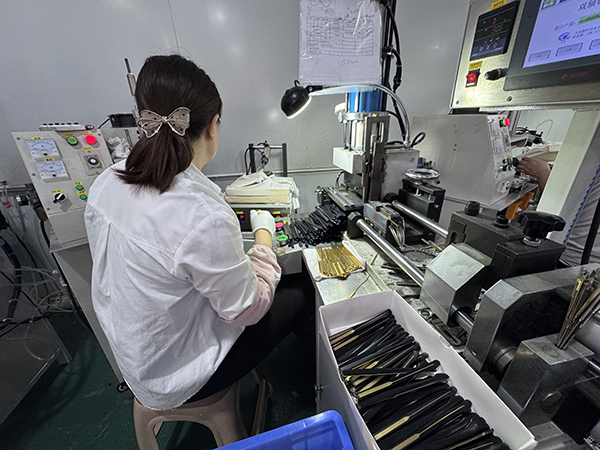
When potential clients visit our factory, either in person or through a virtual tour, I don't just show them our finished sunglasses. I walk them through the entire production line. I point out our new 5-axis CNC machine[^9]s and explain how they allow for more complex designs. I show them the quality control station at the end of each line. A good manufacturer is proud of their equipment and transparent about their processes. Don't just ask a supplier if they can make your product. Ask them how they will make it. What specific machines will be used? What quality checks are in place? A confident and capable partner will have clear answers. A hesitant one might be a red flag. This approach helps you find a true partner, not just a vendor.
Key Sourcing Considerations:
- Equipment Modernity: Are their machines new and well-maintained, or old and worn out? Modern equipment often means higher precision and efficiency.
- In-House Capabilities: Do they perform all processes in-house, or do they outsource critical steps like coating or polishing? In-house control generally leads to better quality management.
- Certifications: Look for certifications like ISO9001, which indicates a standardized quality management system. For specific markets, check for compliance reports like FDA or Prop65 test results.
- Cleanliness and Organization: A clean, well-organized factory floor is often a sign of a well-managed and efficient operation.
| What to Ask a Potential Supplier | What a Good Answer Looks Like | Red Flag |
|---|---|---|
| Can you show me your production line for [material]? | "Yes, let's do a video call. I'll show you our injection molding department and the specific machine we'd use." | "We can't show the factory floor for proprietary reasons." |
| What is your quality control process at the fabrication stage? | "We have checks after each major step. For CNC, we measure tolerances every 50 units." | "We check the final product before shipping." |
| Do you have an ISO9001 certification[^10]? | "Yes, we can send you a copy of our current certificate." | "We follow the standards, but we are not certified." |
What Does the Future Market for Eyewear Manufacturing Look Like?
Planning your product line without knowing market trends is like sailing without a map. You might miss huge opportunities or invest in products with declining demand, hurting your business growth.
The eyewear market is set for strong growth, driven by demand for sustainable products, blue-light-blocking glasses, and smart eyewear[^11]. Manufacturers with advanced, flexible equipment will be best positioned to serve these growing segments.
We see these trends directly from the inquiries we receive. Five years ago, almost no one asked about bio-acetate. Today, it's a key part of conversations with many European and American brands. We've had to adapt our equipment and processes to handle these new materials effectively. Similarly, the rise of e-commerce has led to more requests for smaller, more frequent orders with high levels of customization. Our flexible production lines, which can be changed over quickly, are designed to meet this need. The future market belongs to manufacturers who are not just producers, but also agile partners. By investing in the right technology, we ensure that we can grow and adapt alongside our clients, helping them capitalize on what's next.
Key Market Growth Drivers:
- Sustainability: Consumers are increasingly demanding products made from eco-friendly materials like recycled plastics or plant-based acetates. Manufacturing these materials often requires specialized equipment settings and expertise.
- Health and Wellness: The growing awareness of eye strain from digital screens is fueling a massive demand for anti-blue light glasses[^12]. This requires high-quality lens coating technology.
- Personalization and Customization: The "one-size-fits-all" model is fading. Brands want to offer unique colors, finishes, and even custom-engraved details. This requires flexible manufacturing processes and precise machinery.
- Smart Eyewear: While still a niche, the integration of technology into glasses is a significant long-term trend. This will require manufacturers to develop capabilities in electronics integration and assembly. Investing in a forward-thinking supplier today prepares your brand for the products of tomorrow.
Conclusion
Understanding manufacturing equipment is vital. It empowers you to select a capable supplier, ensure product quality, and build a stronger, more reliable brand for the future.
[^1]: Consistent quality is crucial for maintaining brand reputation and customer satisfaction. Learn how to identify suppliers who can deliver this consistently.
[^2]: Injected sheets offer a cost-effective alternative to traditional acetate frames. Explore how this innovation bridges quality and affordability.
[^3]: Precision ensures perfect fit and intricate designs in eyewear. Discover how high-precision work elevates product quality and customer satisfaction.
[^4]: TR90 and polycarbonate are known for durability and flexibility. Learn why these materials are popular choices for plastic eyeglass frames.
[^5]: Polishing is crucial for a smooth, glossy finish. Discover how these tools improve the aesthetic and tactile quality of eyeglass frames.
[^6]: Automated lens edgers ensure precise lens fitting, crucial for comfort and functionality. Explore their role in enhancing eyewear quality.
[^7]: These trends enhance efficiency, quality, and sustainability in manufacturing. Discover how they shape the future of the eyewear industry.
[^8]: These materials offer sustainability and performance. Explore how they meet consumer demand for eco-friendly and high-quality eyewear.
[^9]: 5-axis CNC machines offer precision and design flexibility, essential for creating complex eyeglass frames. Learn how they enhance manufacturing capabilities.
[^10]: ISO9001 ensures standardized quality management, crucial for consistent product quality. Learn why this certification matters in supplier selection.
[^11]: Smart eyewear integrates technology for enhanced functionality. Explore how this trend is shaping the future of the eyewear industry.
[^12]: These glasses protect against digital eye strain, a growing concern. Discover why they are becoming a popular choice among consumers.
Share:


Post time: Feb-11-2026