Are you worried your sunglasses don't offer real protection? A simple accident can cause serious eye injury. Sourcing eyewear with the right features is critical for your brand's success.
Truly effective protective sunglasses combine certified impact resistance[^1] with 100% UV400 protection[^2]. Key features include durable lens materials like polycarbonate, along with specialized coatings for anti-fog, scratch-resistance, and clear vision. These elements ensure comprehensive safety and performance.
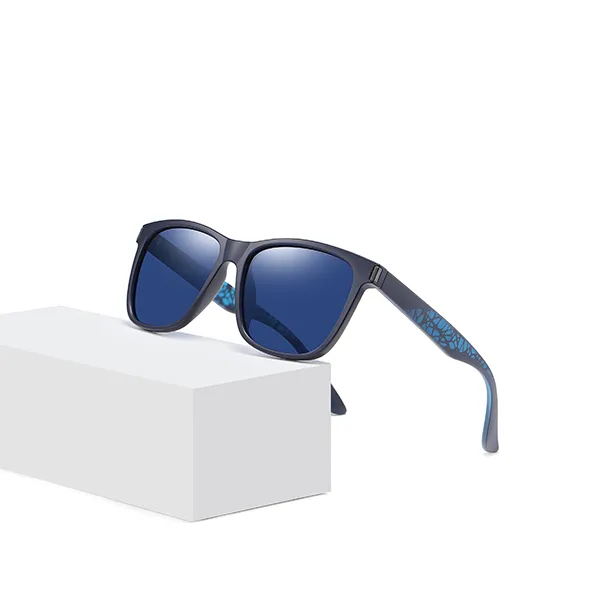
I’ve been in the eyewear manufacturing business for over 20 years. Every day, I see new, flashy styles come and go. But it's interesting, the classic models like metal aviators, wayfarers, and simple sport wraps always sell the best. Customers might ask for new colors, but the core styles remain timeless. While style is obviously important for any brand, the real value for many customers is the protection behind the lenses. It's the part they can't see, but it's what keeps them safe. Let's break down what really matters when sourcing protective eyewear.
What's the Difference Between UV Protection and Impact Resistance?
Are you confused by all the safety jargon? Selling a product without understanding its safety ratings can damage your brand's reputation. Let's clarify the two most important standards.
UV protection shields eyes from harmful sun rays, preventing long-term damage like cataracts. Impact resistance, tested under standards like ANSI Z87.1, protects against physical hazards like flying debris. Both are crucial, but they address entirely different risks.
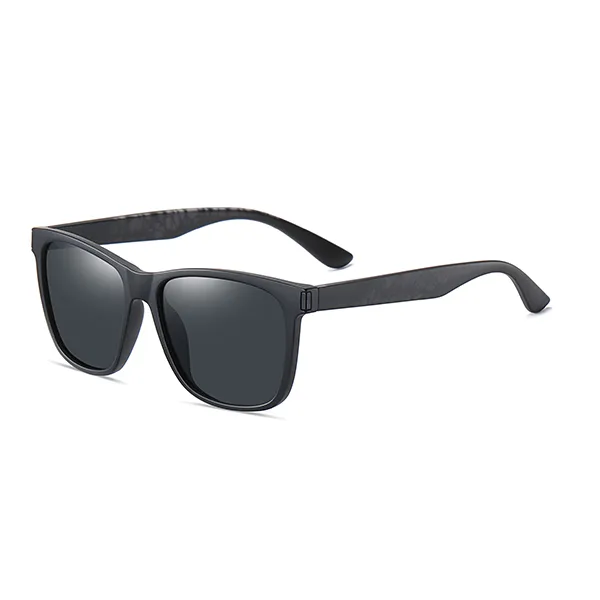
When you're sourcing sunglasses, you need to think about two separate kinds of safety. One is invisible, and the other is very physical. Both are non-negotiable for a quality product.
UV Protection: The Invisible Shield
First, let's talk about ultraviolet (UV) light. It's the invisible radiation from the sun that causes sunburn. Over time, it can seriously damage the eyes, leading to problems like cataracts or macular degeneration. A "UV400" rating means the lenses block 99% to 100% of UVA and UVB rays. This should be a standard feature in any pair of sunglasses you sell. It’s a fundamental health feature, not a luxury add-on.
Impact Resistance: The Physical Barrier
Impact resistance is completely different. This is about protecting the eyes from physical objects. We're talking about dust, wood chips, pebbles, or any other debris that could fly toward the face. Standards like ANSI Z87.1 in the U.S. and EN 166 in Europe define what makes a pair of glasses "safety rated." They undergo tests, including being hit by a small steel ball at high speed. This is what separates a fashion accessory from true protective equipment.
| Feature | UV Protection | Impact Resistance |
|---|---|---|
| Purpose | Blocks harmful UV rays | Protects from physical impact |
| Standard | UV400 (blocks 99-100%) | ANSI Z87.1+, EN 166 |
| Risk Covered | Sunburn, cataracts, cancer | Debris, projectiles, dust |
| Common In | All quality sunglasses | Safety glasses, sport eyewear |
Which Lens Materials Offer the Best Clarity and Durability?
Does choosing the wrong lens material lead to customer complaints about distortion or breakage? Your brand needs lenses that perform reliably. Here's how to select the best materials.
Polycarbonate lenses are the top choice for protective eyewear. They offer superior impact resistance and natural UV blocking. For premium optical clarity, Trivex is another excellent, lightweight option. Both materials significantly outperform standard plastic or glass lenses in terms of safety.
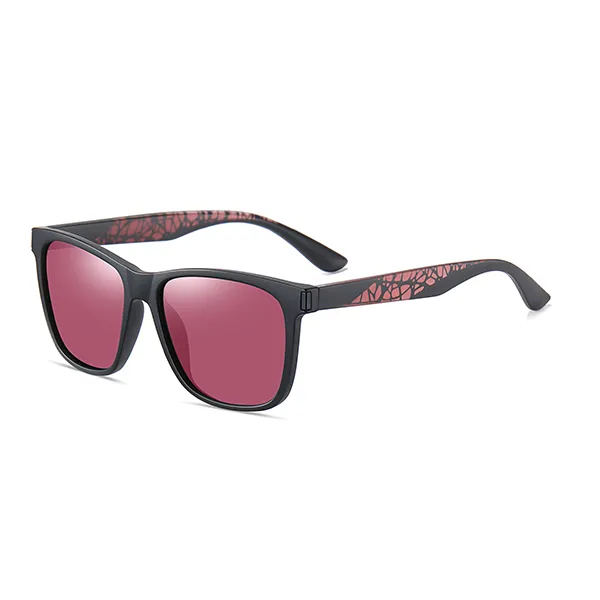
The material of the lens is the heart of any protective eyewear. A great frame is useless if the lens shatters or distorts vision. For any application where safety is a concern, there are really only two mainstream choices you should consider for your product line.
Polycarbonate: The Industry Standard for Safety
Polycarbonate is a remarkable material. It’s incredibly strong and shatter-resistant, which is why it's used for everything from police riot shields to astronaut helmets. It is more than 10 times more impact-resistant than standard plastic or glass lenses. It’s also very lightweight and comfortable for all-day wear. A huge bonus is that polycarbonate naturally blocks 100% of UV rays, so the protection is built into the material itself, not just a coating that can wear off. This makes it the go-to material for most safety and sport sunglasses.
Trivex: The Premium Alternative
Trivex is a newer material that offers similar impact resistance to polycarbonate. Its main advantage is superior optical clarity. Vision through a Trivex lens is often sharper with less distortion, which can be a great selling point for high-end sports or precision work. It is also the lightest lens material available. While it can be more expensive, Trivex is an excellent choice for premium lines where optical perfection is a key feature.
| Material | Impact Resistance | Optical Clarity (Abbe Value) | UV Protection | Weight |
|---|---|---|---|---|
| Polycarbonate | Excellent | Good (~30) | Inherent 100% | Very Light |
| Trivex | Excellent | Excellent (~45) | Inherent 100% | Lightest |
| CR-39 Plastic | Poor | Very Good (~58) | Coating Needed | Standard |
How Do Lens Coatings Enhance Performance and Longevity?
Are foggy, scratched, and smudged lenses frustrating your customers? These common issues can lead to negative reviews. Special coatings solve these problems and add significant value to your product line.
Lens coatings are essential for performance. An anti-scratch coating protects the lens surface, extending its life. An anti-fog treatment maintains clear vision in changing temperatures. And a hydrophobic coating[^3] repels water and oil, making lenses easy to clean.
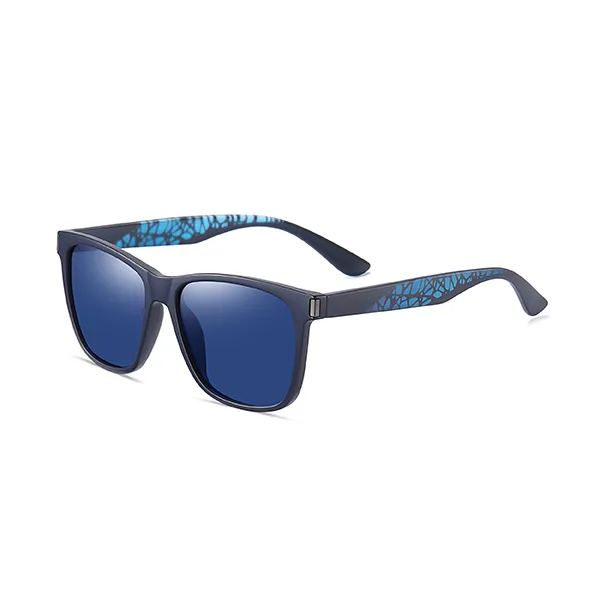
A great lens material is only the beginning. Modern lens coatings are what elevate a good pair of protective sunglasses to a great one. These microscopic layers are applied to the lens to add specific performance benefits that users can really feel. Offering these features can be a major differentiator for your brand.
Scratch-Resistant Hard Coats
Polycarbonate is a very tough material, but it is also relatively soft, making it prone to scratching. A scratch-resistant coating[^4], also called a hard coat, is essential. This coating is a clear layer that hardens the lens surface, protecting it from the scuffs and scratches of daily use. For eyewear used in a workshop or on a construction site, this coating is absolutely necessary to ensure the product has a reasonable lifespan.
Anti-Fog Coatings
Fogging is a huge problem, especially for people who are physically active or move between different temperature environments. An anti-fog coating works by absorbing moisture and preventing it from condensing into tiny droplets that obscure vision. This is a critical safety feature for athletes, industrial workers, and anyone who wears a mask, as it ensures vision remains clear when it matters most.
Hydrophobic and Oleophobic Treatments
Hydrophobic and oleophobic coatings create an ultra-smooth surface on the lens. "Hydrophobic" means it repels water, causing droplets to bead up and roll right off. "Oleophobic" means it repels oil, which makes it much harder for fingerprints and smudges to stick. This combination keeps the lenses clearer for longer and makes them incredibly easy to wipe clean. It’s a premium feature that customers who work outdoors or play sports will really appreciate.
Why Do Different Environments Require Specialized Sunglass Features?
Is selling a one-size-fits-all product limiting your market? Customers in specific industries and sports have unique needs. Meeting those needs with specialized features opens new revenue streams.
Specialized features adapt protective eyewear to specific tasks. For construction, this means side shields[^5] and dust dams[^6]. For water sports, polarized lenses[^7] that cut glare are essential. These targeted designs enhance safety and performance, making them indispensable for niche markets.
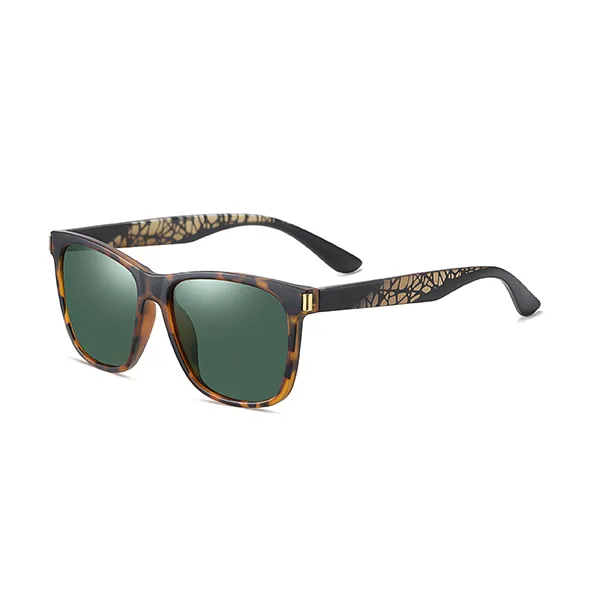
Not all protection is the same. The dangers on a construction site are very different from the dangers on a lake. As a brand, offering specialized eyewear shows that you understand your customers' specific needs. This builds trust and allows you to serve niche markets effectively.
For Construction and Industrial Use
In dusty or debris-filled environments, standard sunglasses aren't enough. Look for wraparound designs that offer more peripheral coverage. Many industrial models also include removable foam gaskets, or "dust dams[^6]," that create a seal around the eyes to keep airborne particles out. Side shields are another critical feature, providing lateral protection from splashes and flying objects. These models must be fully compliant with safety standards like ANSI Z87.1+.
For On-Water and Driving Activities
For anyone who spends time on the water, on the snow, or behind the wheel, glare is the biggest enemy. Glare is concentrated light that reflects off flat surfaces like water or a wet road. Polarized lenses are specifically designed to filter out this horizontal glare. This doesn't just make vision more comfortable; it dramatically improves safety by reducing eye strain and revealing details that would otherwise be hidden.
For Sports and High-Exertion Activities
Athletes need eyewear that stays in place, no matter what. Key features for sports sunglasses include rubberized nose pads and temple tips that provide a secure grip, even with sweat. Lightweight and durable frame materials like TR90 are also popular because they can bend without breaking. Many sport designs also incorporate ventilation channels in the frame or lens to improve airflow and prevent fogging during intense activity.
How is the Protective Eyewear Market Evolving?
Do you still think safety glasses are bulky and ugly? That old mindset is costing you sales. The market has changed. Understanding new trends is key to capturing modern buyers.
The market is blending safety with style. Consumers now demand protective eyewear that looks like fashionable sunglasses. This trend allows workers and athletes to wear the same pair on and off the job, creating a huge opportunity for versatile, attractive designs.
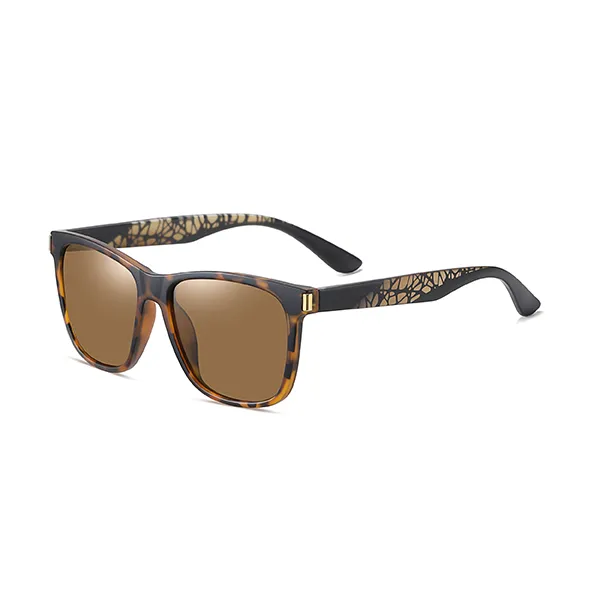
The protective eyewear industry is no longer just about function. Style and consumer values are playing a much bigger role, and this is creating exciting opportunities for brands. The line between work-wear and everyday-wear is blurring, and eyewear is a perfect example of this shift.
The Rise of "Safety-Style"
The biggest trend by far is the convergence of safety and lifestyle design. People no longer want to wear a clunky pair of safety goggles at work and then switch to a stylish pair of sunglasses afterward. They want one pair that does both. This is why we're seeing a huge demand for ANSI-rated protection in classic, fashionable frames like aviators and wayfarers[^8]. This is exactly what I've seen in my 20 years of experience—when you combine a timeless style with modern protective features, you get a product that has massive appeal.
Demand for Sustainable Materials
More and more, consumers and corporate buyers are asking about the environmental impact of their products. This has led to a growing interest in sustainable materials for eyewear[^9] frames. Options like recycled plastics, bio-based polymers[^10] derived from castor beans, and even wood are becoming more popular. Offering an eco-friendly collection can be a powerful way for your brand to stand out and connect with environmentally conscious customers.
Customization and Private Labeling
Finally, brands want to make these products their own. The demand for private label protective eyewear is stronger than ever. Businesses want to add their own logos, choose custom frame and lens colors, and create unique packaging. They want to offer their customers a product that is not only safe and stylish but also fully represents their brand identity. This is where a partnership with an experienced OEM/ODM manufacturer becomes essential.
Conclusion
Modern protective sunglasses blend certified safety with popular styles. Understanding lens materials, coatings, and market trends is crucial for sourcing products that your customers will trust and love.
[^1]: Understanding certified impact resistance helps ensure your sunglasses can withstand physical hazards, offering essential protection for your eyes.
[^2]: Learn why 100% UV400 protection is crucial for blocking harmful UV rays, preventing long-term eye damage like cataracts.
[^3]: Discover how hydrophobic coatings repel water, keeping lenses clear and easy to clean, enhancing user experience.
[^4]: Find out how scratch-resistant coatings protect lenses from daily wear, extending their lifespan and maintaining clarity.
[^5]: Understand how side shields provide lateral protection, crucial for environments with flying debris and splashes.
[^6]: Learn how dust dams create a seal around the eyes, keeping out airborne particles in dusty environments.
[^7]: Explore how polarized lenses reduce glare, improving safety and comfort for activities like driving and water sports.
[^8]: Learn why wayfarers are a staple in eyewear fashion, offering a blend of style and functionality that appeals to many.
[^9]: Explore eco-friendly materials like recycled plastics and bio-based polymers, appealing to environmentally conscious consumers.
[^10]: Explore the use of bio-based polymers in eyewear, offering a sustainable alternative to traditional materials.
Share:


Post time: Mar-12-2026