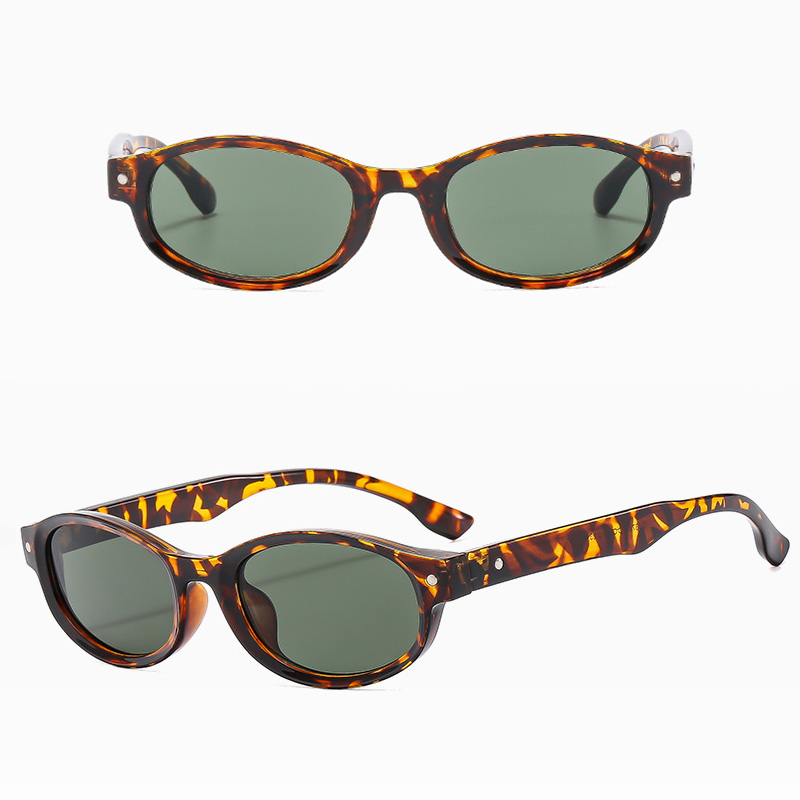
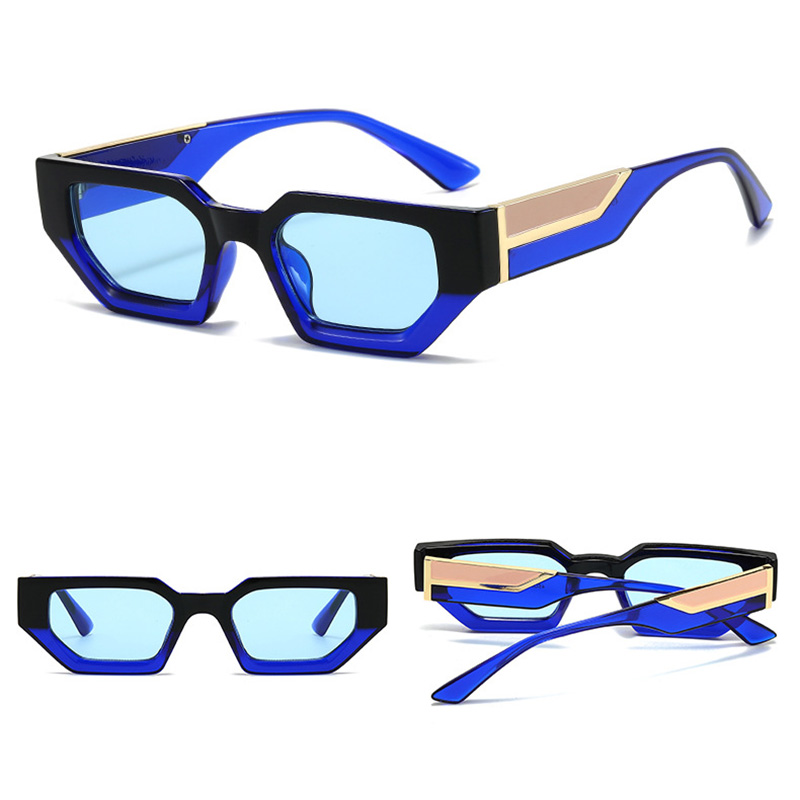
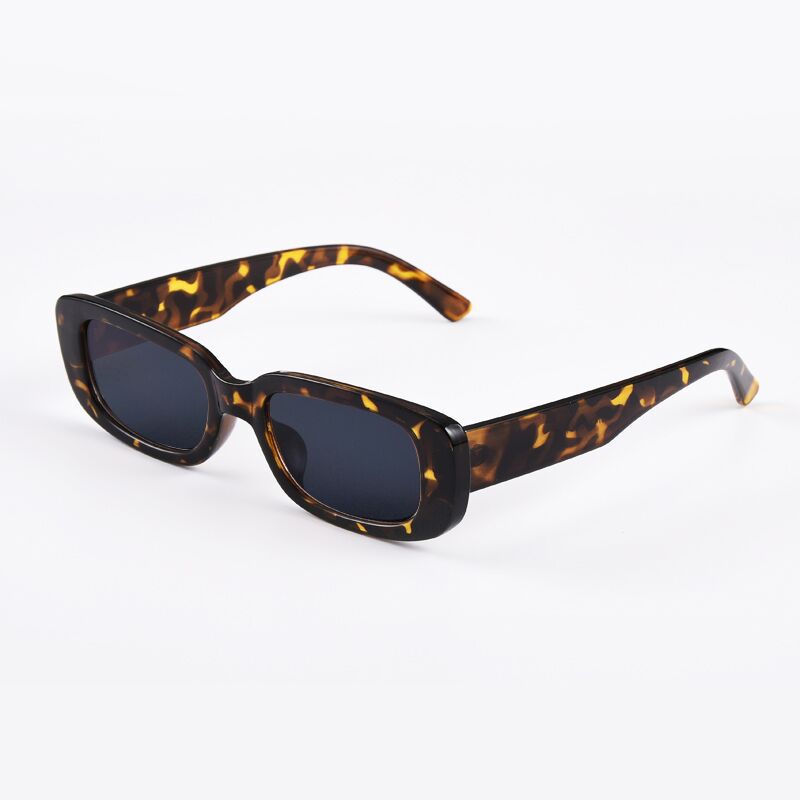
Struggling to find reliable acetate frame suppliers[^1]? High costs, inconsistent quality, and long delays can hurt your business. Understanding the Chinese manufacturing landscape is key to finding the right partner.
The best acetate frame suppliers in China are often located in industrial clusters like Duqiao[^2], which offer lower costs and faster production due to integrated supply chains and modern technology. In contrast, areas like Shenzhen provide high-end craftsmanship but at a higher cost and lower capacity.
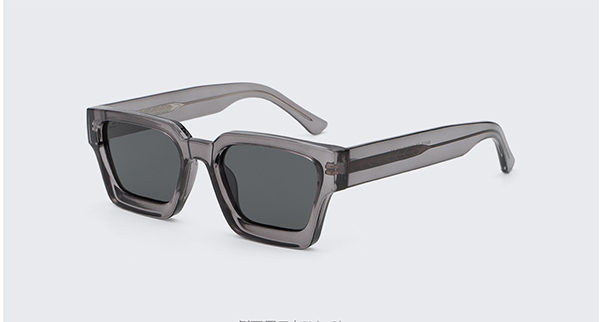
Now that you have a general idea, let's look closer at the details. Knowing the differences between materials, production hubs, and service levels will help you make a much smarter sourcing decision for your brand. This information can be the difference between success and failure.
What makes acetate frames so special?
You want to offer frames that are durable, stylish, and have rich colors. But many materials feel cheap or break easily. This makes it hard to build a premium brand.
Acetate frames are special because they are crafted from large sheets of plant-based plastic[^3]. This process allows for deep, vibrant colors and unique patterns. The material is also strong, lightweight, and hypoallergenic, making it a premium choice for high-quality eyewear.
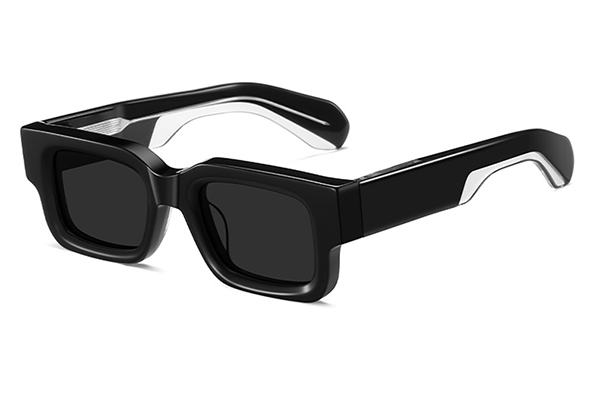
Let's dive deeper into the material itself. Traditional acetate, or cellulose acetate, is made from cotton and wood pulp. It’s a natural and renewable material. We create frames by cutting shapes from large, colorful sheets of this acetate. The pieces are then tumbled with wood chips and hand-polished. This labor-intensive process is what gives traditional acetate[^4] frames their seamless look, warm feel, and luxurious finish. It’s a mark of true craftsmanship.
However, a new method is changing the game: injection acetate[^5]. I’ve seen this innovation up close in Zhejiang. This process doesn't require the traditional seven-day baking time for the raw material. Instead, the acetate is injected into molds. This dramatically increases production speed and lowers costs, making it perfect for brands that need large quantities and fast turnarounds without sacrificing quality. It's a modern solution to a classic product.
How do different Chinese manufacturing hubs affect your production?
You found a supplier, but production is slow and costs are surprisingly high. Delays are frequent, and you don't know why. This uncertainty makes it hard to manage your inventory.
The location of your supplier in China matters a lot. Hubs like Duqiao have a highly integrated supply chain[^6], leading to lower costs and faster production. In contrast, dispersed areas like Shenzhen can have higher costs and slower output due to logistical inefficiencies.
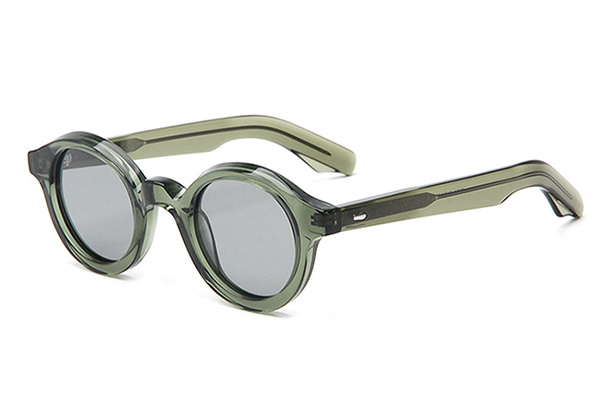
When I first started in this business, I learned quickly that not all manufacturing cities are the same. The difference between sourcing from Duqiao and Shenzhen is a perfect example.
The Power of an Industrial Cluster: Duqiao
In places like Duqiao, Zhejiang, the entire eyewear industry is concentrated in one area. This is what we call an industrial cluster. You can find everything from raw material suppliers and parts manufacturers to electroplating and packaging companies, all within a short distance. This close collaboration means resources are shared, and services work together efficiently. We've invested in advanced CNC equipment here, allowing us to reach a monthly output of 80,000 pairs. This high level of standardization is ideal for e-commerce brands with large,orders. Plus, factory and land costs are about one-third of what they are in Shenzhen, which lowers operational expenses.
The Workshop Approach: Shenzhen
Shenzhen, on the other hand, is known for its high-end, skilled artisans. However, the industry is very spread out. Production often relies on small, specialized workshops. A single pair of glasses might have to travel between several different workshops to be completed. This increases transportation time and logistics costs. High rent and high labor costs, which can be up to 40% of the total price, make it difficult to scale production. A typical factory’s monthly output might only be 7,000 to 8,000 pairs.
Here is a simple breakdown:
| Feature | Duqiao (Zhejiang) | Shenzhen |
|---|---|---|
| Overall Cost | 30-40% Lower | Higher |
| Supply Chain | Highly Integrated Cluster | Dispersed Workshops |
| Production Capacity | High (e.g., 80,000 pairs/month) | Low (e.g., 7,000 pairs/month) |
| Labor & Factory Cost | Low | High |
| Logistics | Efficient, Centralized | Inefficient, Fragmented |
| Best For | Bulk orders, e-commerce, speed | High-end, small-batch craftsmanship |
How much customization can you really get from Chinese suppliers?
You have a great design for your brand, but suppliers have high MOQs or limited customization options[^7]. You feel forced to compromise on your vision, which stops your brand from standing out.
The level of customization depends on the supplier's location and business model. Suppliers in integrated hubs like Duqiao often offer more flexibility, including lower MOQs and one-stop services, while traditional workshop areas in Shenzhen may have stricter requirements.
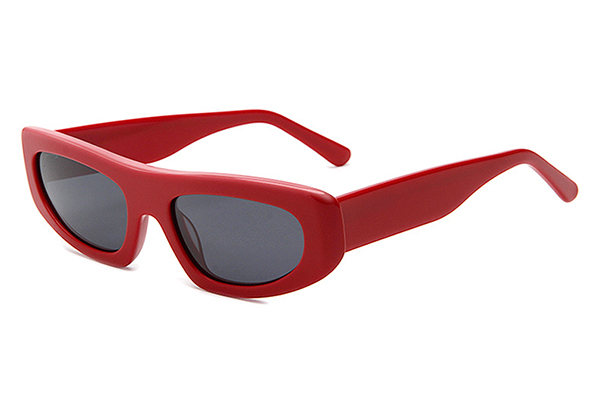
Offering custom solutions is at the heart of what we do. Many of our clients, like Victoria from the US, want to build their own private label brand. They need a partner who can handle OEM (Original Equipment Manufacturer) and ODM (Original Design Manufacturer) services smoothly. This is another area where the manufacturing location makes a huge difference.
In Duqiao, the integrated supply chain[^6] and lower operational costs give us incredible flexibility. For many of our acetate styles, we can support small-batch customization without extra mold fees. This is a big deal for new or growing brands that want to test designs without a huge investment. In Shenzhen, the typical minimum order quantity (MOQ) for a custom acetate frame is around 3,000 pairs. We know that's not feasible for everyone. Our one-stop service in Duqiao means we handle everything from initial design sketches to production and final testing, all under one roof. This simplifies the process for you and reduces your costs.
How can you ensure your acetate frames meet international standards?
You worry about product quality and safety compliance. A failed inspection could mean a huge financial loss and serious damage to your brand's reputation. It's a constant source of stress.
Ensuring compliance involves working with a supplier who has a robust quality control system and is familiar with international standards like FDA, CE, and ISO. Look for factories with documented processes, in-house testing, and experience exporting to your target market.
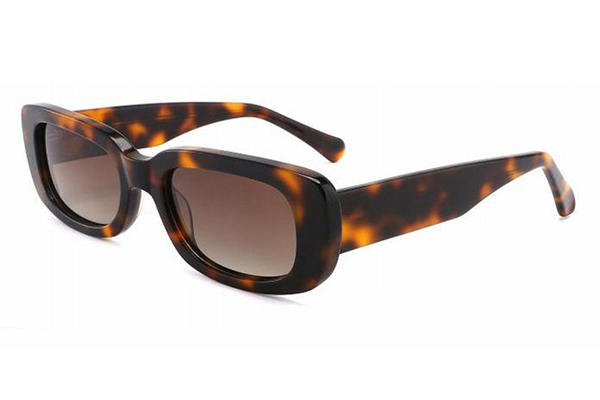
Quality is not negotiable. For our partners like Lee in the UK, who supplies major retail groups, compliance is everything. He needs us to meet BV factory audit standards and perform Prop65 testing on every shipment. For our US clients, FDA compliance is mandatory. A reliable supplier doesn't just say they have quality control; they live it.
Our quality assurance process is built into every step of production. It starts with inspecting the raw acetate sheets to ensure color consistency and material integrity. During production, we perform checks after cutting, tumbling, and polishing. Before anything leaves our factory, a final, rigorous inspection ensures every pair of glasses meets the standards we’ve agreed upon. We are certified with FDA, LFGB, and ISO9001 because we know this is critical for building trust and ensuring the success of our partners in the United States, Europe, and all over the world. We provide all the necessary documentation to make your import process smooth and worry-free.
What's next for the acetate eyewear market?
The market is always changing. You're afraid of falling behind on new trends, materials, and production methods. Staying competitive feels like a constant battle against a fast-moving target.
The future of acetate eyewear is about combining classic style with modern technology and sustainability. Expect more eco-friendly materials[^8], faster production methods like injection molding[^9], and a greater demand for suppliers who offer both quality and flexibility.
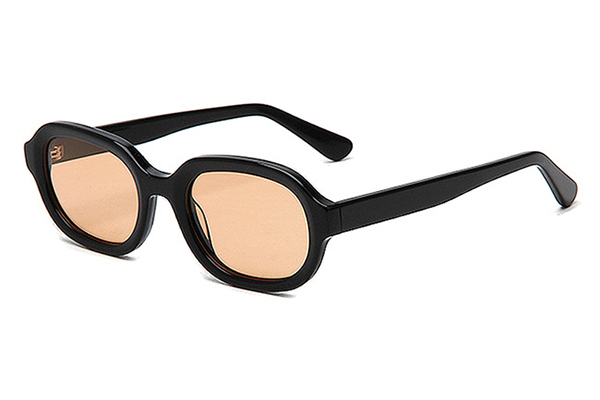
Looking ahead, I see a few key trends shaping the future of acetate eyewear. The first is sustainability. More and more consumers want to know where their products come from. This has led to the development of bio-acetate[^10], which is made from even more renewable and biodegradable sources. It offers the same premium feel with a smaller environmental footprint.
The second major trend is the technology I mentioned earlier: injection acetate[^5]. This innovation is making high-quality acetate frames more accessible. The faster production time allows brands to be more agile, responding quickly to new fashion trends without being locked into long lead times. Finally, the market demands partners, not just suppliers. Brands need a manufacturer who understands their vision and can provide flexible, reliable, and high-quality service. As a manufacturer, our goal is to stay ahead of these trends, investing in new materials and technologies to help our partners succeed.
Conclusion
Choosing the right acetate supplier means understanding the landscape. Look for partners in efficient hubs like Duqiao who use modern tech and offer the flexible, quality-focused service[^11] your brand needs.
[^1]: Finding reliable suppliers is crucial for maintaining quality and consistency in your product line, ensuring customer satisfaction and brand reputation.
[^2]: Industrial clusters offer integrated supply chains, reducing costs and production time, which is beneficial for scaling your business efficiently.
[^3]: Plant-based plastic is eco-friendly, offering durability and vibrant colors, making it a sustainable choice for premium eyewear.
[^4]: Understanding traditional acetate production helps in appreciating the craftsmanship and quality that goes into making high-end eyewear.
[^5]: Injection acetate speeds up production and reduces costs, making it ideal for brands needing quick turnarounds without compromising quality.
[^6]: An integrated supply chain streamlines production, reduces costs, and improves efficiency, crucial for competitive pricing and timely delivery.
[^7]: Customization options allow brands to create unique designs, enhancing brand identity and meeting specific customer preferences.
[^8]: Eco-friendly materials appeal to environmentally conscious consumers, enhancing brand image and meeting sustainability goals.
[^9]: Injection molding offers faster production and cost efficiency, allowing brands to quickly adapt to market trends and demands.
[^10]: Bio-acetate is a sustainable material option, appealing to eco-conscious consumers and aligning with global sustainability trends.
[^11]: Flexible, quality-focused service ensures that suppliers can meet specific brand needs, providing high-quality products tailored to market demands.
Share:


Post time: Feb-03-2026