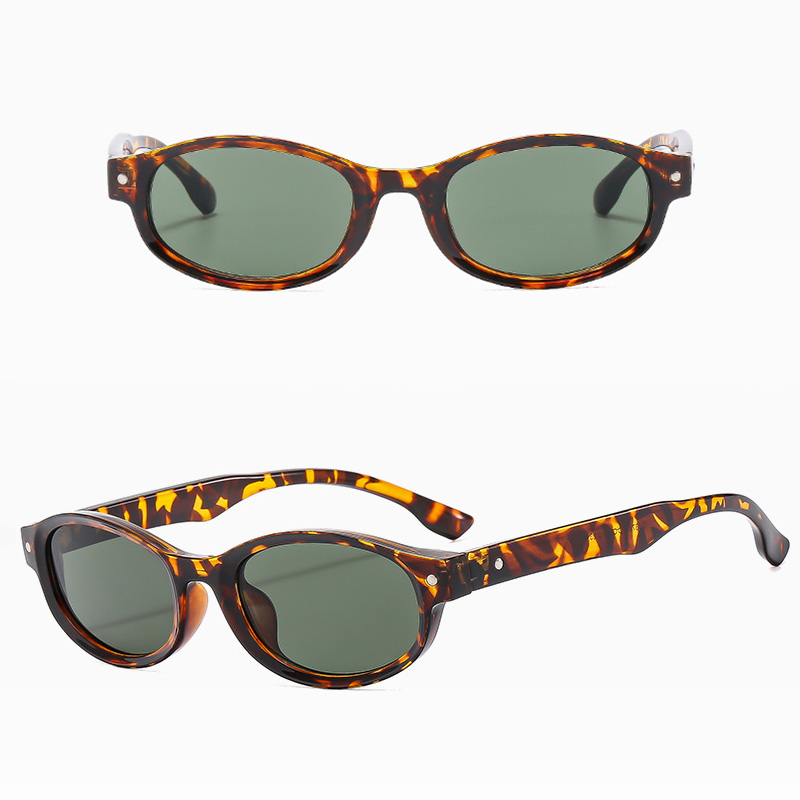
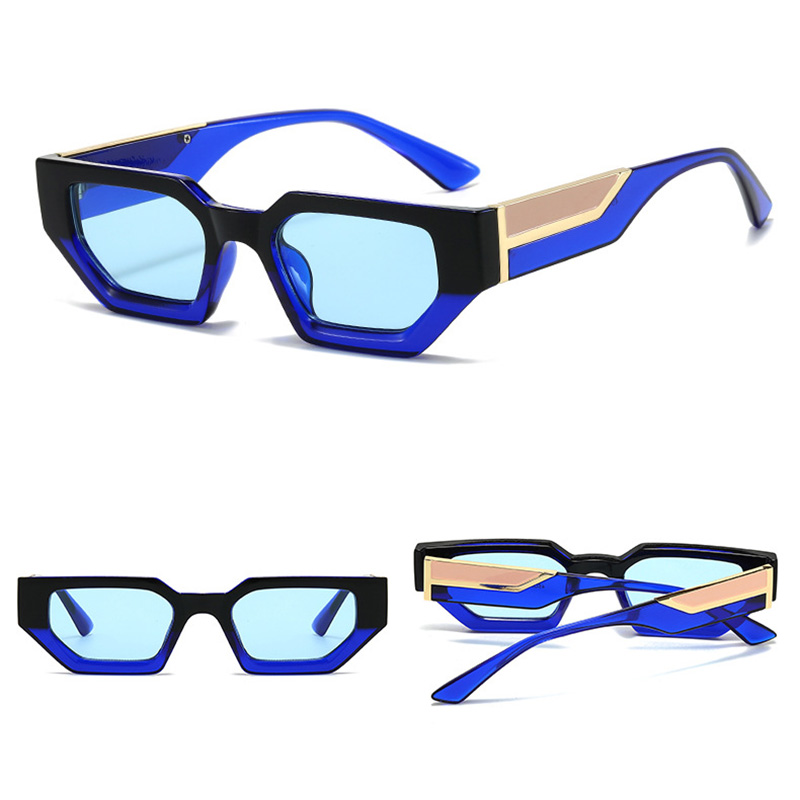
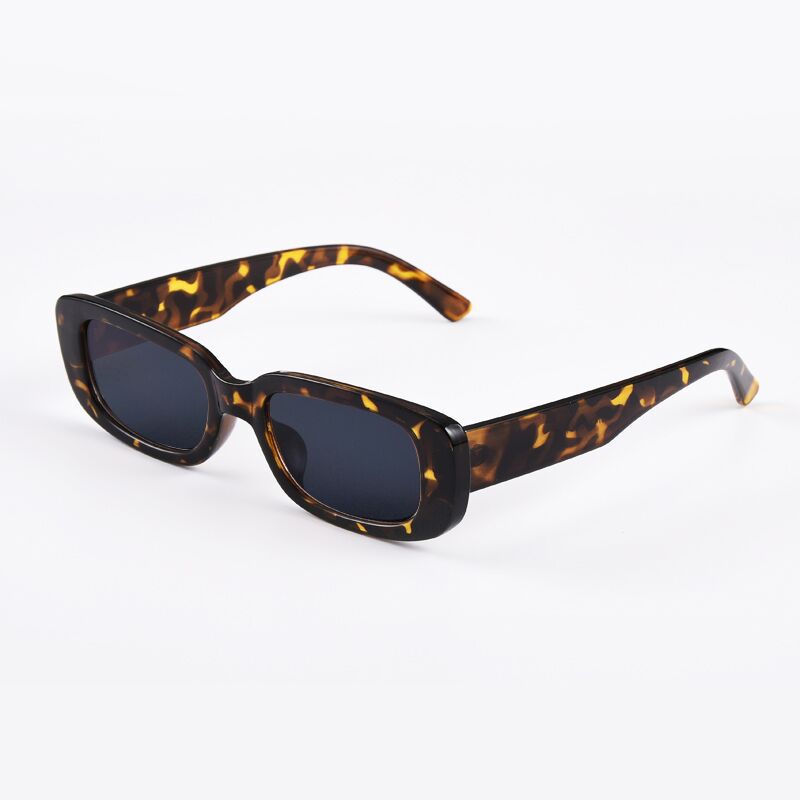
Struggling to choose between plastic and metal frames? You want a stylish look but feel overwhelmed by the options. It's a common problem, but the answer might surprise you.
The best choice between plastic and metal frames depends on your personal needs, lifestyle, and fashion preferences. Plastic frames offer more design flexibility[^1] and color options[^2], while metal frames provide a sleek, minimalist look[^3] and a different kind of durability. Neither is universally better.
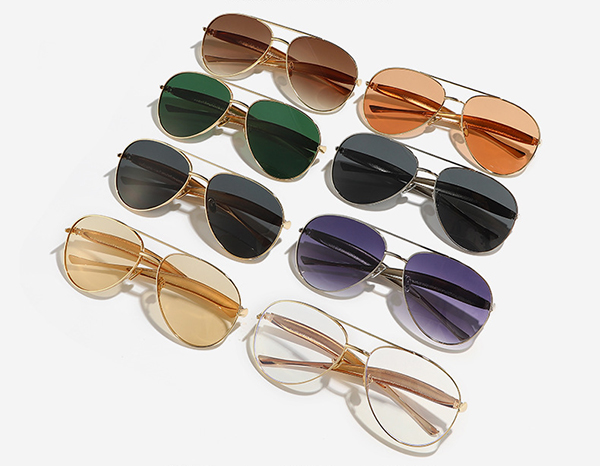
Choosing the right material for your eyeglass frames can feel like a huge decision. I've been in the eyewear business for over a decade, and I've seen trends come and go. The truth is, the "best" material is the one that's best for you. It's not just about looks; it's about comfort, durability[^4], and how the frames fit into your daily life. Let's break down what you really need to know to make a confident choice, moving beyond just what's popular this season and focusing on what will serve you well in the long run.
What's The Real Market Split Between Frame Materials?
Wondering which material truly dominates the eyewear world? You see both plastic and metal everywhere, making it hard to tell which is more popular. The numbers might clarify things for you.
Plastic frames make up the majority of the market, holding about a 70% share[^5]. The remaining 30% is a mix of various metals like stainless steel[^6] and titanium[^7], along with other niche materials. This dominance is largely due to plastic's versatility and cost-effectiveness.
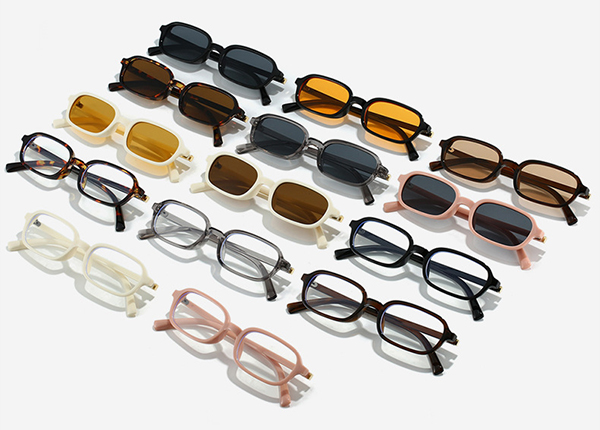
When you look at the big picture, plastic is the clear volume leader. I've seen this firsthand in my factory's production orders year after year. It's not just one type of plastic, though. This category includes materials like standard acetate, which allows for rich, layered colors, and TR-90, a super flexible and lightweight thermoplastic. The remaining 30% is where things get interesting. This slice of the market includes classic metals like stainless steel, premium options like titanium, and even aluminum alloys. The popularity of plastic versus metal often swings with fashion cycles. One year, bold, colorful[^8] acetate frames are all the rage. The next, minimalist metal frames take over. For years, I've noticed a general trend: women often lean towards the expressive styles of plastic frames, while men frequently prefer the classic, sturdy feel of metal.
| Material Category | Market Share (Approx.) | Common Examples | Key Characteristics |
|---|---|---|---|
| Plastic | 70% | Acetate, TR-90[^9], Ultem | High versatility, wide color range, cost-effective |
| Metal & Other | 30% | Stainless Steel, Titanium, Aluminum | Sleek aesthetic, lightweight options, durable |
How Do Plastic And Metal Compare On Cost And Durability?
Are you worried about breaking your new glasses or overspending on them? It's a classic trade-off: you want frames that last, but you also need them to fit your budget.
Plastic frames, like acetate and TR-90[^9], generally offer better cost-effectiveness and impact resistance[^10]. Metal frames, especially titanium[^7] and stainless steel[^6], are known for their structural strength, thin profiles, and resistance to corrosion, though they often come at a higher price.
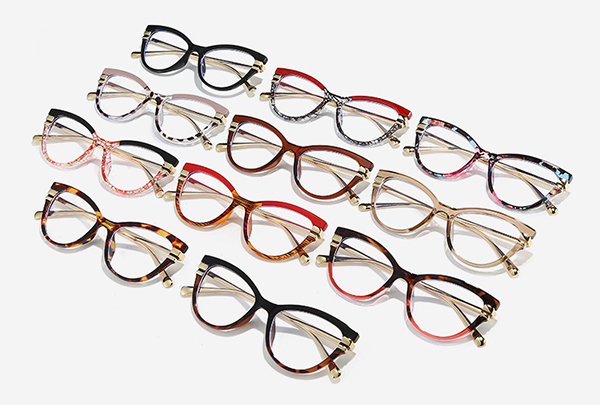
The choice between affordability and durability isn't always straightforward because each material has different strengths. From my experience manufacturing both, plastic frames are often the go-to for cost-effectiveness. Materials like acetate are fantastic because they are tough and can handle being dropped without easily breaking. They are "impact resistant." On the other hand, certain metal frames are incredibly strong in a different way. Titanium, for example, is famous for its high strength-to-weight ratio[^11] and resistance to bending and corrosion. It won't snap easily, but a hard impact could dent it. Stainless steel is another great metal option that balances strength and cost. It’s a battle between plastic’s ability to absorb shock and metal’s ability to resist bending and maintain its shape over time. The best choice really comes down to what kind of "tough" you need for your daily life.
| Feature | Plastic Frames (e.g., Acetate, TR-90[^9]) | Metal Frames (e.g., Stainless Steel, Titanium) |
|---|---|---|
| Cost | Generally more affordable | Mid-range to premium |
| Impact Resistance | High (resists shattering on impact) | Lower (can dent or deform) |
| Structural Strength | Good (can be thick and sturdy) | Excellent (resists bending and breaking) |
| Corrosion Resistance | Excellent | Good to Excellent (Titanium is superior) |
What New Trends Are Shaping Frame Materials?
Feeling like frame technology is standing still? You might think it's all about the same old plastic and metal. But big changes are happening behind the scenes, driven by new consumer demands.
Two major trends are pushing the eyewear market forward: a growing demand for sustainable, eco-friendly materials[^12] and the rapid integration of technology into frames. This includes bio-plastics, recycled materials, and smart glasses with built-in features.
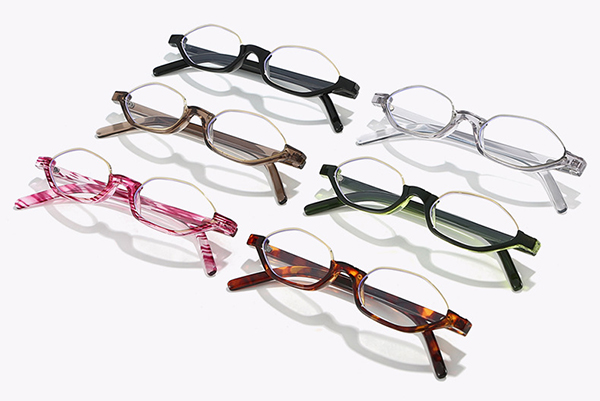
As a manufacturer, I'm seeing a huge shift in what brands and their customers are asking for. Sustainability is no longer a niche interest; it's a core requirement for many. We're getting more and more requests for materials like bio-acetate[^13], which is made from renewable sources like wood pulp, and frames made from recycled plastics. Consumers want to feel good about their purchases. At the same time, technology is completely changing what a pair of glasses can do. We're moving beyond simple vision correction. The rise of smart glasses[^14] means integrating electronics like speakers, microphones, and even small displays directly into the frame. This requires materials that are not only strong and lightweight but can also house these components without being bulky. It's an exciting challenge that forces us to innovate with both plastics and metals to meet these new functional demands.
How Do Lifestyle And Age Affect The Best Frame Choice?
Do you think any frame material will work for your lifestyle? Choosing frames based only on looks can lead to discomfort or damage. Your daily activities and even your age are crucial factors.
Active individuals and children benefit from flexible and durable materials like TR-90[^9] or memory metal[^15]. For professional settings or those with sensitive skin, lightweight and hypoallergenic materials[^16] like titanium[^7] are often the preferred choice, offering comfort and a sophisticated look.
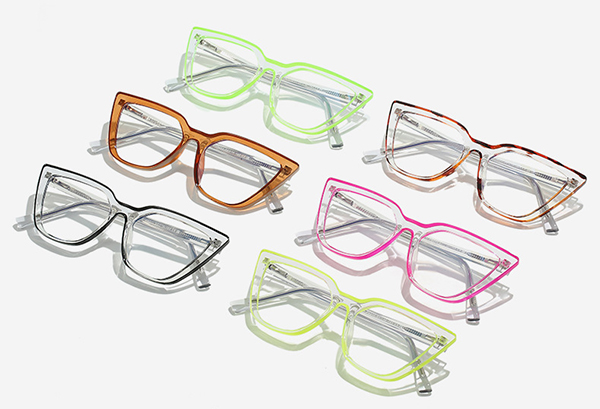
The right material has to match the wearer. I always advise clients to think about who will be using the glasses. For kids, or even adults who play sports, you need something that can take a beating. TR-90[^9] plastic is amazing for this; you can practically twist it in a knot, and it will spring back to shape. Memory metal offers a similar benefit in a metal frame. These materials provide peace of mind. On the other hand, for someone working in an office all day, comfort and appearance are key. A heavy frame can cause headaches and leave marks on your nose. This is where lightweight titanium[^7] shines. It's incredibly light and also hypoallergenic, making it perfect for people who have skin sensitivities to certain metals. The material choice is a practical one that directly impacts how comfortable and suitable the glasses are for your day-to-day life.
What Personal Factors Should Guide Your Final Decision?
Feeling stuck trying to balance budget, style, and comfort? The perfect frame isn't just one thing; it's a combination of factors unique to you. Making the right choice requires a personal checklist.
Your final decision should balance your budget, potential allergies (like nickel), your prescription lens thickness[^17], and your desired aesthetic. Thicker plastic frames can hide heavy lenses better, while sleek metal frames offer a minimalist style.
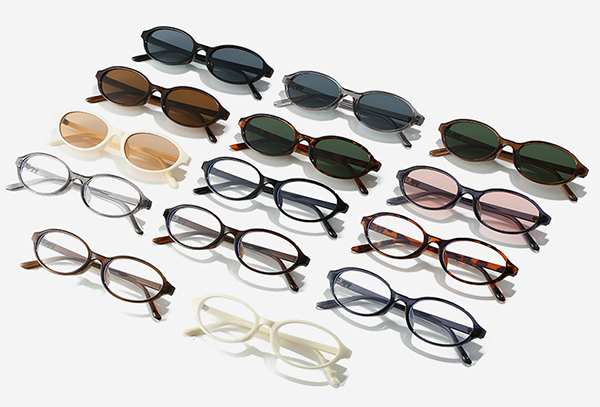
In the end, it all comes down to a personal calculation. There is no single "best" material. First, what's your budget? This will immediately narrow your options. Second, do you have any allergies? Some people react to the nickel found in certain metal alloys, making hypoallergenic options like titanium[^7] or most plastics a safer bet. Third, consider your prescription. If you have thick, heavy lenses, a bolder plastic frame, like acetate, can do a much better job of concealing the lens thickness[^17] and balancing the weight. A thin metal frame might make the lenses look more prominent. Finally, what look are you going for? Do you want bold and colorful, or sleek and professional? Plastic offers endless possibilities for shape and color, while metal excels at minimalist and classic designs. Weigh these four points, and you'll find the frame that is genuinely the best fit for you.
| Decision Factor | Considerations for Plastic | Considerations for Metal |
|---|---|---|
| Budget | Generally more budget-friendly options available. | Can range from affordable (stainless steel[^6]) to premium (titanium[^7]). |
| Allergies | Naturally hypoallergenic. | Check for nickel-free[^18] or hypoallergenic options like titanium[^7]. |
| Lens Thickness | Excellent for concealing thick, high-prescription lenses. | Thin frames may accentuate lens thickness[^17]. |
| Aesthetic | Bold, colorful, and highly versatile in shape. | Sleek, minimalist, classic, and professional. |
Conclusion
Ultimately, neither plastic nor metal is better; they just offer different benefits. The best frame is the one that fits your face, your lifestyle, and your personal style.
[^1]: Explore how design flexibility in frames can enhance your personal style and comfort.
[^2]: Discover how diverse color options can help you express your unique fashion sense.
[^3]: Learn why a sleek, minimalist design might be the perfect choice for a modern aesthetic.
[^4]: Understand the importance of comfort and durability in choosing frames that suit your lifestyle.
[^5]: Find out why plastic frames dominate the market and what advantages they offer.
[^6]: Discover the durability and sleek design benefits of stainless steel frames.
[^7]: Explore titanium's lightweight and hypoallergenic properties for comfortable wear.
[^8]: Find out how bold, colorful frames can make a fashion statement and reflect your personality.
[^9]: Learn about TR-90's flexibility and lightweight properties that make it ideal for active lifestyles.
[^10]: Understand why impact resistance is crucial for frames that withstand daily wear and tear.
[^11]: Learn how a high strength-to-weight ratio contributes to durable yet lightweight frames.
[^12]: Explore how eco-friendly materials contribute to a greener planet and responsible fashion.
[^13]: Learn about bio-acetate's renewable properties and its role in sustainable eyewear.
[^14]: Discover the innovative features of smart glasses that enhance functionality beyond vision correction.
[^15]: Explore how memory metal's flexibility and durability make it ideal for active lifestyles.
[^16]: Understand the significance of hypoallergenic materials for sensitive skin and comfort.
[^17]: Discover how different frame materials can accommodate and conceal lens thickness effectively.
[^18]: Learn why nickel-free frames are essential for those with metal allergies.
Share:


Post time: Feb-10-2026