Finding the right sunglasses supplier in China can feel overwhelming. The wrong partner can lead to delays and quality issues, but knowing the key manufacturing hubs simplifies your search immensely.
The main sunglasses manufacturing hubs in China[^1] are Zhejiang (Wenzhou, Taizhou), Fujian (Xiamen, Quanzhou), Guangdong (Shenzhen, Dongguan), Jiangsu (Danyang), and Jiangxi (Yingtan). Each region specializes in different areas, from cost-effective mass production to high-end, design-focused eyewear.
Navigating the vast landscape of Chinese manufacturing isn't easy. You have to understand that not all suppliers are the same. Each major production area has its own unique strengths, weaknesses, and specializations. Choosing the right one depends entirely on what your business needs most, whether it's speed, price, quality, or cutting-edge design. Let's break down these five key regions so you can find the perfect manufacturing partner for your brand.
Why Choose Wenzhou and Taizhou in Zhejiang for Sunglasses?
Struggling with tight budgets and the need to get products to market fast? Sourcing often forces a choice between price and speed, but what if you could have both?
Wenzhou and Taizhou in Zhejiang[^2] province are the powerhouses for cost-effective and fast-turnaround sunglasses[^3]. This region has a highly mature supply chain, making it perfect for brands that need competitive pricing[^4] and rapid production, especially for plastic, TR90, and metal frames.
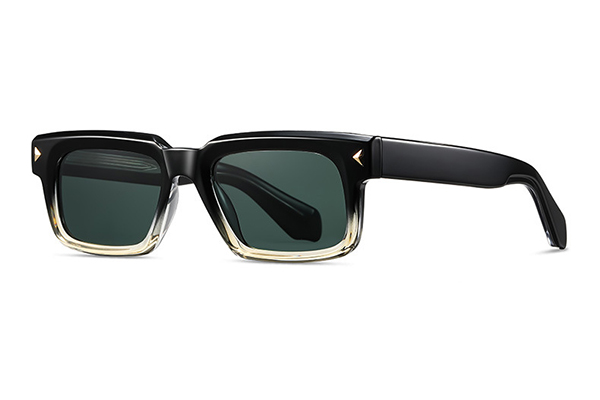
As a manufacturer, our own operations are centered right here in Taizhou and Wenzhou. We chose this area for a reason: it offers an unbeatable combination of speed and value. For clients like Victoria, who runs a fashion brand in the US and targets a sub-$3 price point, this region is ideal. We can produce large quantities quickly, helping her keep up with trends without breaking the bank. The industrial ecosystem is so well-developed that everything from raw materials to packaging is just around the corner, which cuts down on delays and costs. Recently, Taizhou has also seen a boom in new acetate factories. This is a game-changer because it now allows us to offer high-quality acetate frames at a much better price than traditional hubs like Shenzhen. For customers who want that premium feel without the premium price tag, this is a fantastic development.
Duqiao (Taizhou) vs. Shenzhen for Acetate Frames[^5]
| Feature | Duqiao (in Taizhou) | Shenzhen (in Guangdong) |
|---|---|---|
| Labor & Production | Low labor costs. CNC machines enable high output (up to 80,000 pairs/month). | High labor costs (up to 40% of total cost). Manual work leads to low output (7-8,000 pairs/month). |
| Operational Costs | Low factory rent (1/3 of Shenzhen). Government support for industrial parks. | Extremely high factory rent due to land scarcity. Production is spread across small workshops. |
| Supply Chain | Complete, integrated industry cluster. All processes are nearby, reducing logistics costs. | Fragmented supply chain. Parts are moved between many small workshops, increasing transport costs. |
| Overall Cost & MOQ | 30-40% lower overall cost. Supports small-batch customization without mold fees. | Higher overall cost. Requires large MOQs, often starting at 3,000 pairs per style. |
Is the Quality from Xiamen and Quanzhou in Fujian[^6] Worth the Wait?
Do you want to source premium, high-end sunglasses[^7] but get nervous about long production times? Waiting half a year for an order can feel like a big risk for your business.
Yes, for brands where quality is the top priority, the wait is often worth it. Xiamen and Quanzhou in Fujian[^6] province are famous for their exceptional craftsmanship and high-end materials. Just be prepared for much longer lead times, often six months or more.
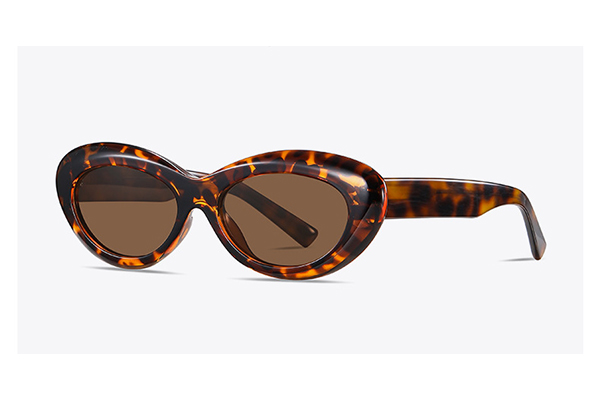
I've had experiences sourcing from Fujian, and the quality is truly on another level. The attention to detail in the polishing, assembly, and materials is remarkable. This is where you go for that top-tier, luxury feel. However, the process is very different from Zhejiang. Based on my experience, you need to plan for at least a six-month lead time. This isn't because they are slow, but because they are meticulous. The communication process for confirming order details, selecting materials, and approving samples is incredibly thorough. This lengthy process ensures that the final product is perfect, but it's not suitable for everyone. This region is best for established brands, luxury boutiques[^8], or anyone who plans their inventory well in advance and whose customers are willing to pay a premium for superior craftsmanship. It’s a completely different business model compared to the fast-fashion-oriented production[^9] in Zhejiang.
Are Shenzhen and Dongguan in Guangdong[^10] the Best for Fast Fashion?
Does your brand live and die by the latest trends, but your current supplier is always one step behind? You risk missing out on key market opportunities and looking outdated.
Absolutely. Shenzhen and Dongguan in Guangdong[^10] province are the undisputed design and fast-fashion centers for eyewear in China. Their proximity to Hong Kong gives them direct access to global trends, and they have a deep pool of design talent, making them perfect for fashion-forward brands.
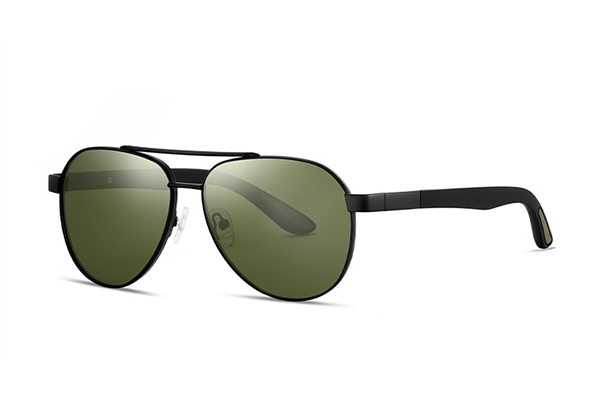
If you need a design that is fresh, bold, and on-trend, Shenzhen is the first place to look. The city is a hub of creativity, and designers there are always experimenting with new shapes, materials, and concepts. It’s the perfect place to develop prototypes and get inspiration for your next collection. However, there's a catch when it comes to production, especially for materials like acetate. As I mentioned earlier, the manufacturing costs in Shenzhen are very high. Labor is expensive, factory rent is through the roof, and the production process is often fragmented across many small, specialized workshops. This makes scaling up production both costly and inefficient. So, while Shenzhen is fantastic for design innovation[^11], you might find it more practical to get your designs finalized there and then bring the mass production to a more cost-effective region like Taizhou, which now has the capability to produce quality acetate frames at a fraction of the cost.
Why Is Danyang in Jiangsu[^12] the Capital of Optical Lenses?
You've found a great supplier for frames, but what about the lenses? Inconsistent lens quality can damage your brand's reputation, as this is the most critical component for eye protection.
Danyang, known as the "Spectacles City of China[^13]," is the global center for optical lens production[^14]. It has a massive, highly specialized supply chain that produces virtually every type of lens imaginable, offering unmatched variety and competitive pricing[^4] due to its immense scale.
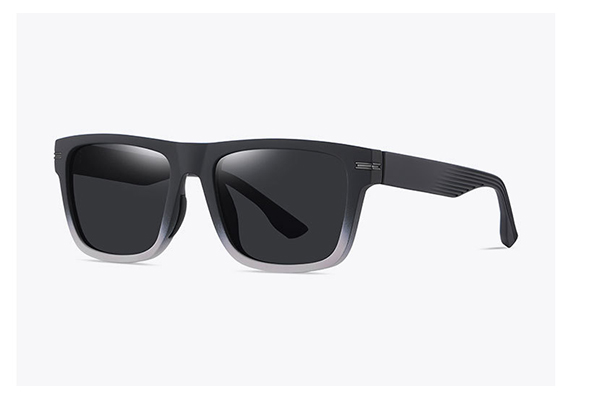
You simply cannot talk about eyewear in China without mentioning Danyang. The scale of the industry there is staggering. While many cities produce frames, Danyang's dominance is in lenses. Whether you need standard UV400 lenses for sunglasses, polarized lenses, photochromic lenses, blue light blocking lenses for computer glasses, or even prescription lenses, Danyang is the source. The city's entire economy is built around the optical industry, creating an ecosystem that drives down costs and fosters innovation in lens technology. In our factory in Zhejiang, we often source our lenses directly from suppliers in Danyang. This allows us to focus on what we do best—frame manufacturing—while ensuring we provide our clients with high-quality, reliable lenses from the best source in the country. For any business in the eyewear industry, understanding Danyang's role is crucial, as it powers the supply chain for nearly everyone else.
Should You Consider the Emerging Zone of Yingtan in Jiangxi[^15]?
Are you finding that costs in the established manufacturing hubs are creeping up? You're likely looking for the next frontier to source cost-effective products without a major drop in quality.
Yes, Yingtan in Jiangxi[^15] province is an emerging manufacturing zone[^16] worth watching. Backed by government support, it is being developed as a "new" glasses capital, offering highly competitive pricing[^4] due to lower labor and operational costs, making it an attractive alternative.
Yingtan is the newcomer on the block, and it represents an interesting opportunity. The local government is investing heavily to build a modern eyewear industrial park, aiming to replicate the success of other hubs but at a lower cost base. The primary advantage here is price. Land, labor, and general operating expenses are significantly lower than in the coastal provinces like Zhejiang and Guangdong. This makes it a very compelling option for buyers who are extremely price-sensitive, like large-volume retailers or promotional product companies. However, it's important to be realistic. As an emerging zone, the supply chain is not as deep or mature as in Taizhou or Danyang. You might find there are fewer experienced factories or specialized suppliers for certain components. Sourcing from Yingtan is a strategic move for businesses willing to be early adopters[^17]. It's a chance to build strong relationships with new factories and secure a long-term cost advantage, but it may require more hands-on management to navigate the developing ecosystem.
Conclusion
Choosing the right Chinese sunglasses manufacturer depends entirely on your brand's priorities. Each region offers distinct advantages, whether you need cost, speed, premium quality, or cutting-edge design for your business.
[^1]: Understanding the key manufacturing hubs helps you identify the best region for your specific needs, whether it's cost, speed, or quality.
[^2]: These regions offer a mature supply chain for cost-effective and fast production, ideal for brands needing competitive pricing and rapid turnaround.
[^3]: Finding manufacturers that offer both cost-effectiveness and speed can help you meet market demands without compromising on budget.
[^4]: Achieving competitive pricing is key to maintaining profitability while offering attractive prices to customers.
[^5]: Comparing these regions helps you decide where to produce acetate frames based on cost, labor, and production efficiency.
[^6]: These regions are known for exceptional craftsmanship and high-end materials, making them ideal for premium sunglasses despite longer lead times.
[^7]: For brands prioritizing quality, sourcing from regions known for high-end craftsmanship ensures superior products.
[^8]: Fujian's meticulous craftsmanship and high-end materials make it ideal for luxury boutiques seeking premium products.
[^9]: Fast-fashion production is crucial for brands needing to quickly adapt to trends, making certain regions more suitable.
[^10]: These areas are design and fast-fashion centers, perfect for brands needing to stay ahead of trends with innovative designs.
[^11]: Shenzhen's design talent and access to global trends make it a hub for innovative and trendy eyewear designs.
[^12]: Danyang's massive supply chain and specialization in lenses make it a global leader, offering variety and competitive pricing.
[^13]: Understanding Danyang's role in the optical industry helps you leverage its resources for lens production.
[^14]: Knowing the best place for lens production ensures you get high-quality lenses, a critical component for eyewear.
[^15]: As an emerging zone with lower costs, Yingtan offers a new opportunity for cost-effective production, backed by government support.
[^16]: Emerging zones offer cost advantages and new opportunities, ideal for businesses looking to reduce expenses.
[^17]: Being an early adopter in emerging zones can secure long-term cost advantages and build strong supplier relationships.
Share:


Post time: Feb-04-2026