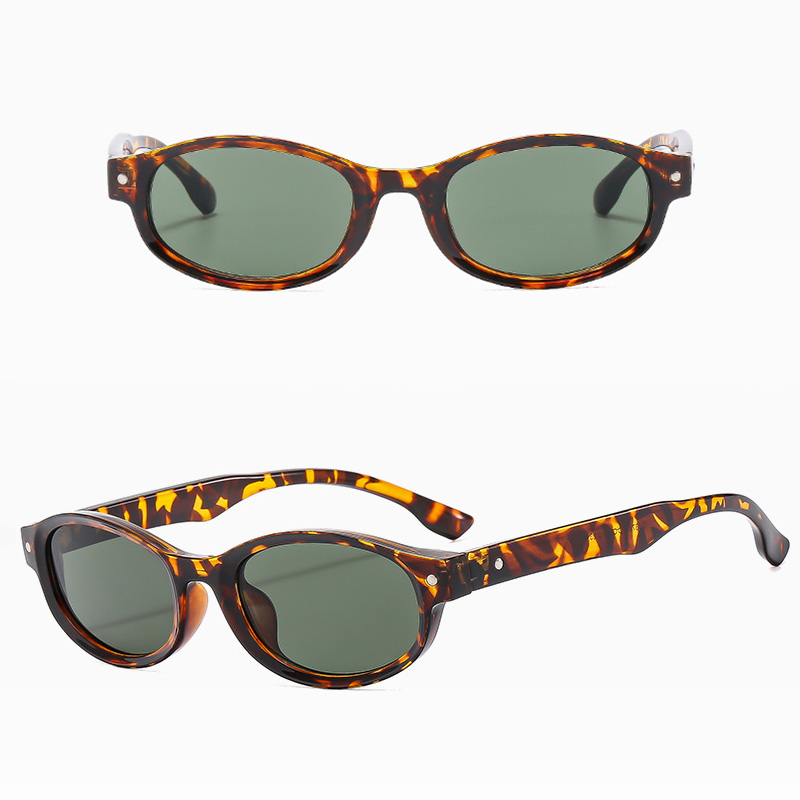
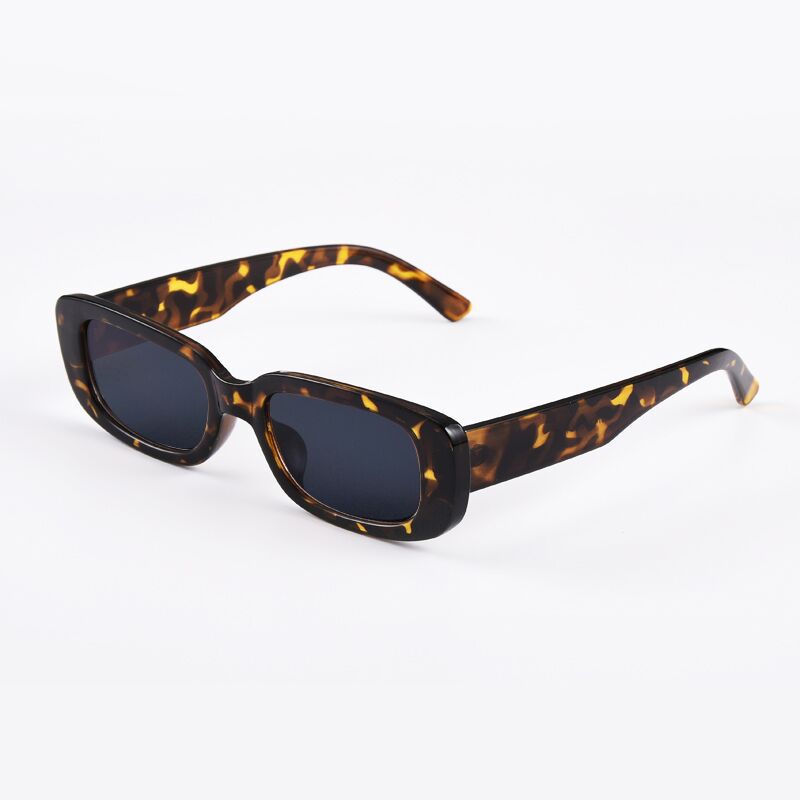
Purchasing eyewear, particularly sunglasses, is a significant industry in China, driven by its global market share and export dominance. Understanding where the main manufacturing regions are located can provide insights into the supply chain, labor dynamics, and future trends.
Introduction
Definition of Sunglasses Manufacturing
- Components: Sunglasses are composed of frames, lenses, and various coatings. Frames can be made of plastic, metal, or acetate, while lenses are often made of polycarbonate or UV-protective glass.
- Types: Sunglasses are categorized as luxury, sport, fashion, and budget, each with distinct features and target markets.
Significance of China in Global Manufacturing
- Global Market Share: China is a major producer of eyewear, contributing significantly to the global market. It is the primary supplier of sunglasses to many countries.
- Export Dominance: Chinese manufacturers ship vast quantities of sunglasses to markets worldwide, driven by efficient production and competitive pricing.
Why Location Matters
- Supply Chain Efficiency: Proximity to raw materials and ports enhances supply chain efficiency.
- Labor and Material Accessibility: Close access to labor and materials reduces costs and speeds up production.
Image Placeholder
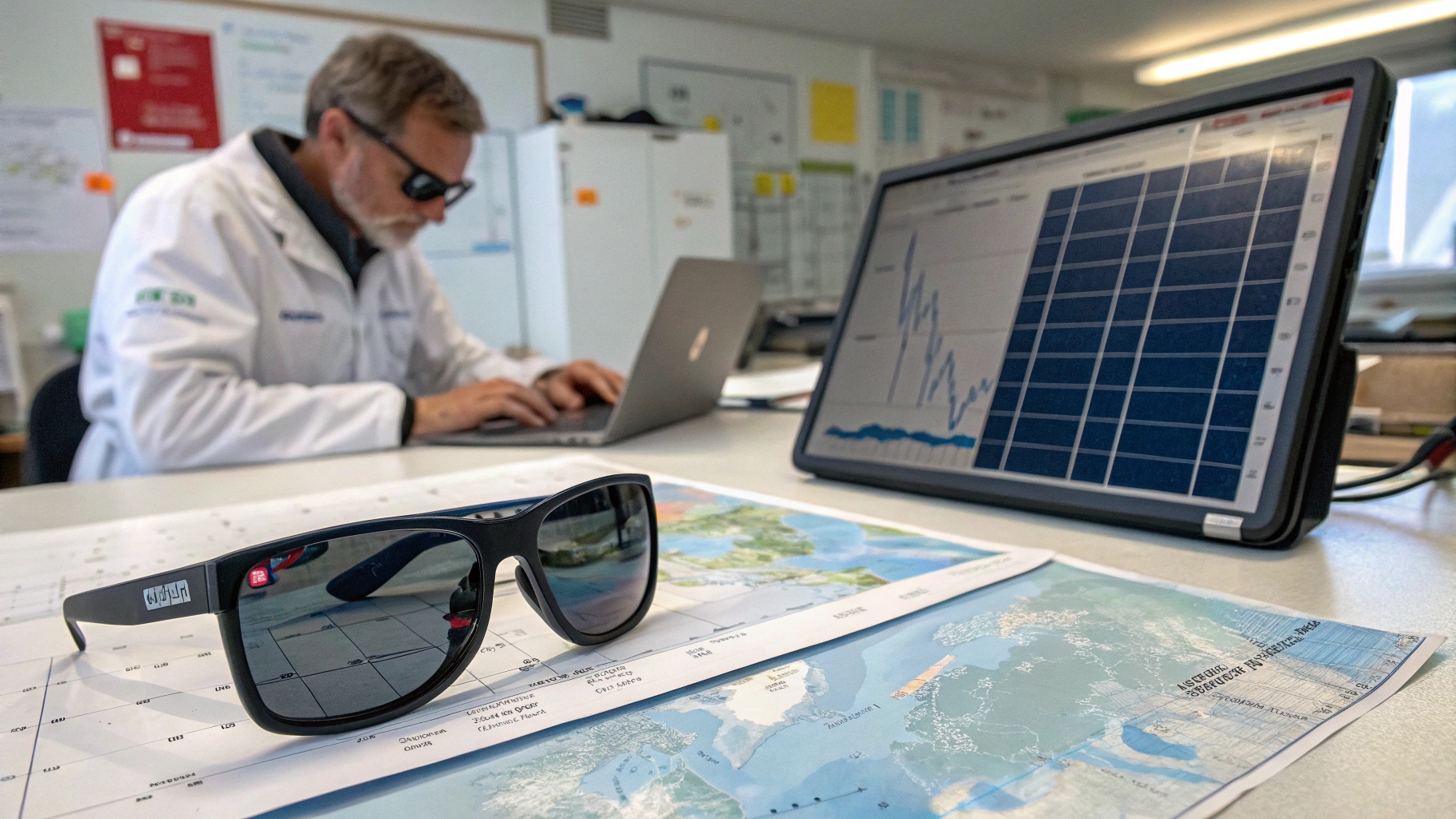
Historical Development of Sunglasses Manufacturing in China
Early Industry (1980s-1990s)
- Initial OEM (Original Equipment Manufacturing) Focus: Chinese factories began manufacturing sunglasses by assembling components from foreign brands.
- Coastal Regions as Early Hubs (Guangdong, Zhejiang): Early manufacturing hubs focused in coastal areas, which had easier access to materials and ports.
Growth Phase (2000s-2010s)
- Shift from OEM to ODM/OEM: Upstream manufacturers started designing and manufacturing sunglasses, even when they didn't have their own brand names (ODM) or when they manufactured for both established and new brands (OEM).
- Rise of Domestic Brands (BOLON, LOOK): These brands began to dominate the market, leading to a shift in consumer preferences and increased domestic production.
- Expansion into Tier-2 and Tier-3 Cities: Domestic brands expanded into smaller cities, increasing the market's reach and competitiveness.
Recent Trends (2020s – Present)
- Smart Glasses & Sustainable Materials: The industry is moving towards integrating technology and using eco-friendly materials.
- Automation and Industry 4.0 Influence: Factories are adopting smart technologies and automation to enhance efficiency and reduce costs.
Image Placeholder

Key Manufacturing Regions in China
Pearl River Delta (Guangdong, Shenzhen, Dongguan)
- Strengths:
- Largest Production Capacity: The Riyadh River Delta has the highest production capacity in China.
- Strong Electronics Supply Chain: Many factories are close to Shenzhen, which is a hub for electronics and smart technology.
- Proximity to Hong Kong: Easier export through Hong Kong.
- Major Players:
- Luxottica (factories in Shenzhen): A global leader in eyewear manufacturing.
- Local OEMs (e.g., Xiamen Yoha Sunglasses): Numerous local manufacturers that produce high-volume export-oriented sunglasses.
- Specializations:
- High-volume, Export-Focused: Produces a large number of sunglasses for export.
- Fast Fashion & Electronics-Integrated Eyewear: Incorporates smart features and rapid design changes.
Yangtze River Delta (Wenzhou, Shanghai, Hangzhou)
- Strengths:
- Precision Manufacturing: High precision standards for higher-end products.
- Established Eyewear Industrial Clusters: Significant experience and expertise in eyewear manufacturing.
- Strong Logistics: Proximity to major ports like Shanghai, providing easy access to global markets.
- Major Players:
- Wenzhou eyewear manufacturers (e.g., Formosa Optical): Specializes in precision manufacturing.
- International Brands’ Subcontractors: Works closely with international brands as subcontractors.
- Specializations:
- Metal & Acetate Frames: Strong focus on metal and acetate frames.
- Luxury & Designer Brand Subcontracting: Handles a large portion of luxury and designer brand orders.
Fujian (Xiamen, Quanzhou)
- Strengths:
- Lower Labor Costs: Compared to Guangdong, Fujian offers lower labor costs.
- Strong Raw Material Supply: Local supply of plastics and metal for frames.
- Major Players:
- Local OEMs (B2B-Focused): Many manufacturers focus on providing components to larger brands.
- Specializations:
- Budget & Mid-Range Sunglasses: Produces budget and mid-range sunglasses for a wide market.
Emerging Regions (Hunan, Sichuan, Chongqing)
- Why They Matter:
- Government Incentives for Inland Manufacturing: Government offers tax breaks and subsidies to attract manufacturing.
- Lower Operational Costs: Generally lower operational costs compared to coastal hubs.
- Limitations:
- Weaker Supply Chains: Inland regions have less developed supply chains compared to coastal areas.
- Less Skilled Labor: May lack the skilled labor required for high-quality manufacturing.
Image Placeholder

Factors Influencing Manufacturing Locations
Supply Chain & Logistics
- Proximity to Ports (Shanghai, Shenzhen): Easy access to major ports enhances logistics and export capabilities.
- Domestic Material Sourcing (Acetate from Zhejiang, Plastics from Fujian): Local raw material supply reduces transportation costs and delays.
Labor Considerations
- Cost Differences (Guangdong vs. Inland Provinces): Coastal regions have higher labor costs but offer more skilled workers.
- Technical Skills (Wenzhou): Areas like Wenzhou have a strong focus on metal and acetate frames, requiring skilled technicians.
Government & Policy Impact
- Special Economic Zones (SEZs) and Tax Breaks: These zones offer incentives for manufacturing, attracting new investments.
- Environmental Regulations: Increased environmental regulations are driving manufacturers to use eco-friendly materials and practices.
Technology & Automation
- Factories Adopting 3D Printing & AI for Design: Shenzhen-based factories are leaders in smart technologies.
- "Smart Factories" in Shenzhen vs. Labor-Intensive Inland Hubs: Coastal regions have adopted more advanced technologies, while inland areas remain labor-intensive.
Image Placeholder

Challenges & Future Trends
Challenges
- Rising Wages in Coastal Regions: Higher labor costs in traditional hubs can affect competitiveness.
- US/EU Tariffs Affecting Export Competitiveness: Trade restrictions can impact export volumes.
- Environmental Compliance Pressures: Increasing environmental regulations are forcing manufacturers to adopt greener practices.
Future Outlook
- Shift toward Value-Added (Smart Eyewear, Branded Production): The industry is moving towards integrating technology and creating high-end products.
- Relocation of Some Factories to Southeast Asia (Vietnam, Cambodia): Cost savings and market access are driving some manufacturers to relocate.
- Sustainability: The use of biodegradable materials and eco-friendly coatings is becoming more prevalent.
Image Placeholder

Conclusion & Key Takeaways
- Most Dominant Region: Pearl River Delta (Guangdong) – highest output, export focus.
- Emerging Alternatives: Inland regions (e.g., Hunan) and Southeast Asia for cost-saving.
- Future Trends: High-end automation, smart eyewear, and green manufacturing.
These images will help illustrate the different aspects discussed in the blog post. You can replace the placeholder URLs with actual image URLs or add the images directly in your Word document.
May-27-2025
Share:


Post time: May-27-2025