Finding a reliable and quality sunglasses manufacturer in China involves several steps, from understanding the market dynamics to establishing effective long-term partnerships. This comprehensive guide will walk you through the various stages and considerations in this process.
Understanding the Market
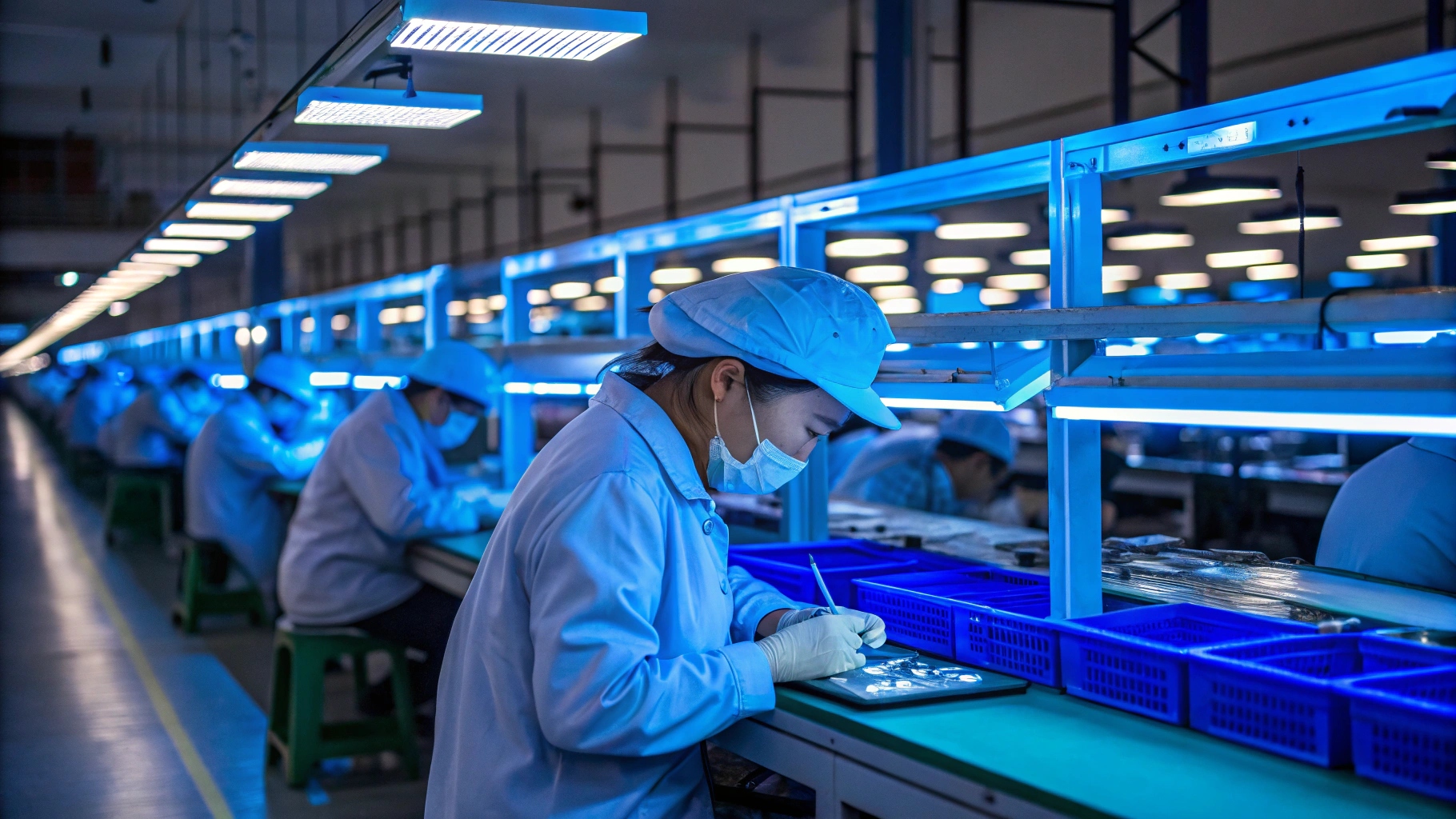
China's sunglasses industry is a global powerhouse, known for rapid growth and innovation.
Overview of China's Sunglasses Industry
-
Historical Growth and Development: Over the past few decades, China's sunglasses industry has evolved from small-scale operations to sophisticated manufacturing hubs. This growth has been fueled by technological advancements and increased demand for quality eyewear globally.
-
Major Players in the Market: Several large entities dominate the landscape, including prominent manufacturers that supply to both local and international brands. Companies like Essilor and Luxottica have set the standard for quality and innovation within the market.
-
Export Statistics and Global Influence: China is one of the largest exporters of sunglasses, with significant influence on global fashion trends and technological innovations in eyewear. Its products are known for competitive pricing and a wide range of options.
Key Manufacturing Regions
-
Wenzhou: Known as a manufacturing hub for budget-friendly eyewear, Wenzhou offers a vast array of products and competitive pricing, attracting many international buyers who prioritize cost-effectiveness.
-
Shenzhen: Proximity to technology and innovation makes Shenzhen a hotspot for cutting-edge design and manufacturing. The city's manufacturers often incorporate advanced technologies into their sunglasses, including features like polarized and photochromic lenses.
-
Xiamen: Focuses on high-quality production with an emphasis on craftsmanship and design, making it suitable for luxury brands seeking premium partnerships.
-
Danyang: A specialty area for lenses and frames, Danyang offers opportunities to source both components and finished products.
Current Market Trends
-
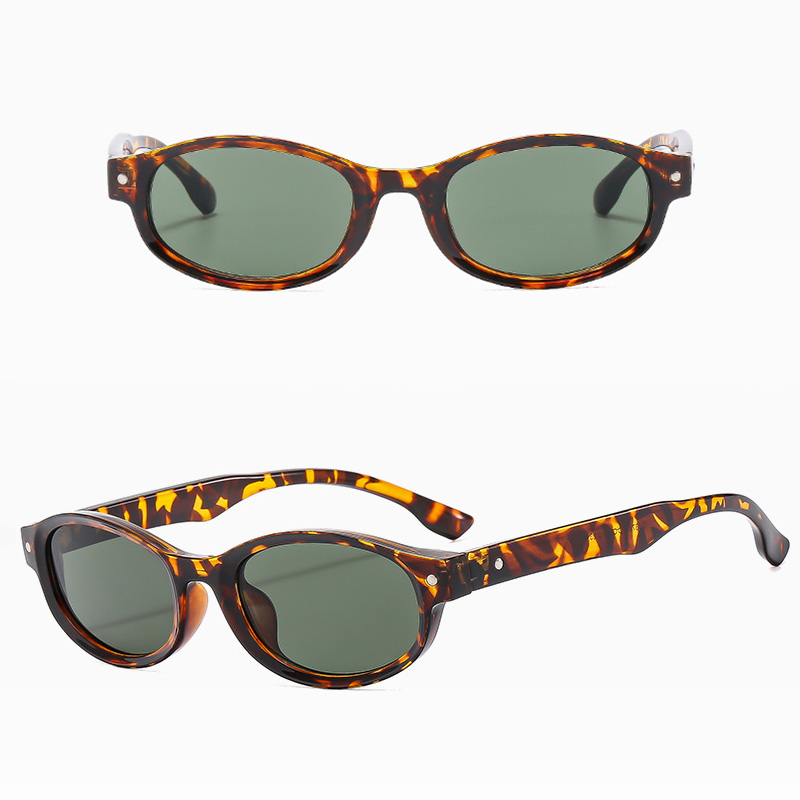
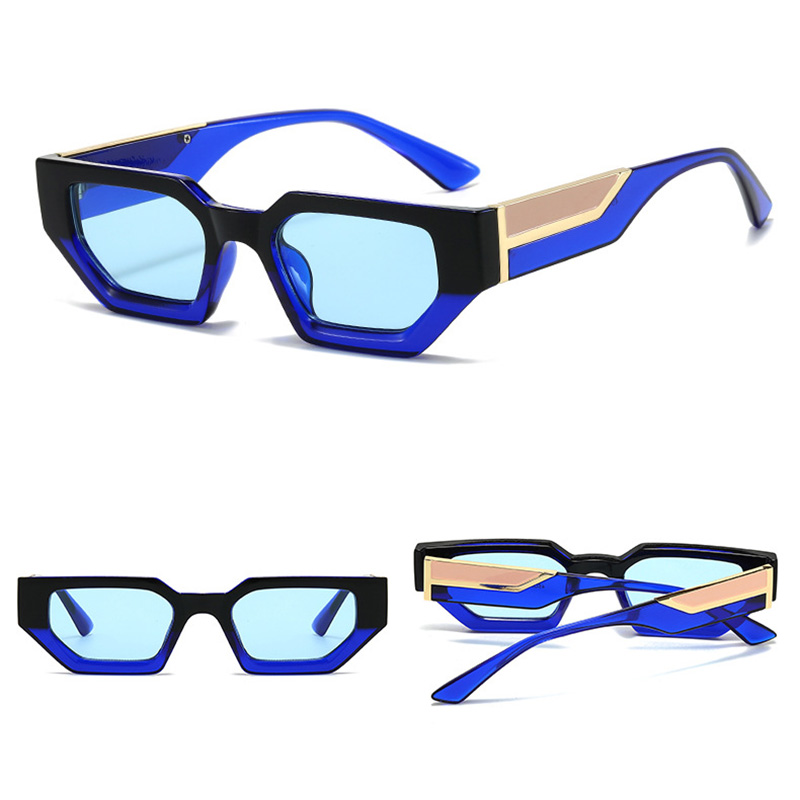
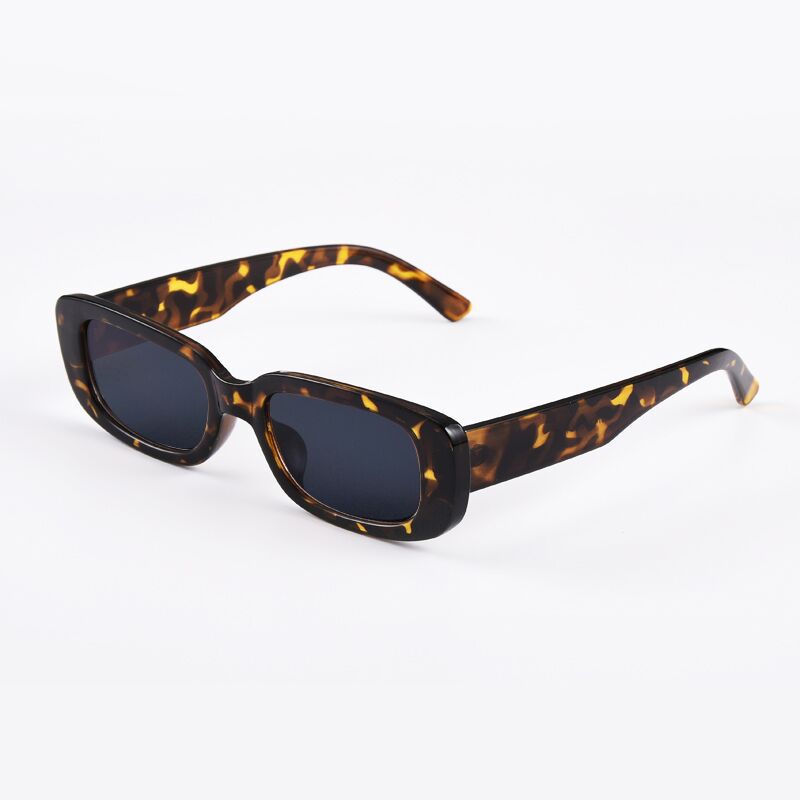
Trends in Eyewear Design: Minimalistic designs, vintage styles, and customization options are currently trending. Consumers are demanding personalized sunglasses that fit their unique styles and needs.
-
Technological Advancements: Integration of smart technology like built-in UV sensors and Bluetooth connectivity is on the rise, driven by increasing consumer demand for multifunctional eyewear.
-
Sustainable and Eco-Friendly Materials: There's a growing trend toward using recycled materials and sustainable practices, reflecting global concerns over environmental impact. Manufacturers are increasingly adopting eco-friendly production methods to appeal to environmentally conscious consumers.
Identifying Potential Manufacturers
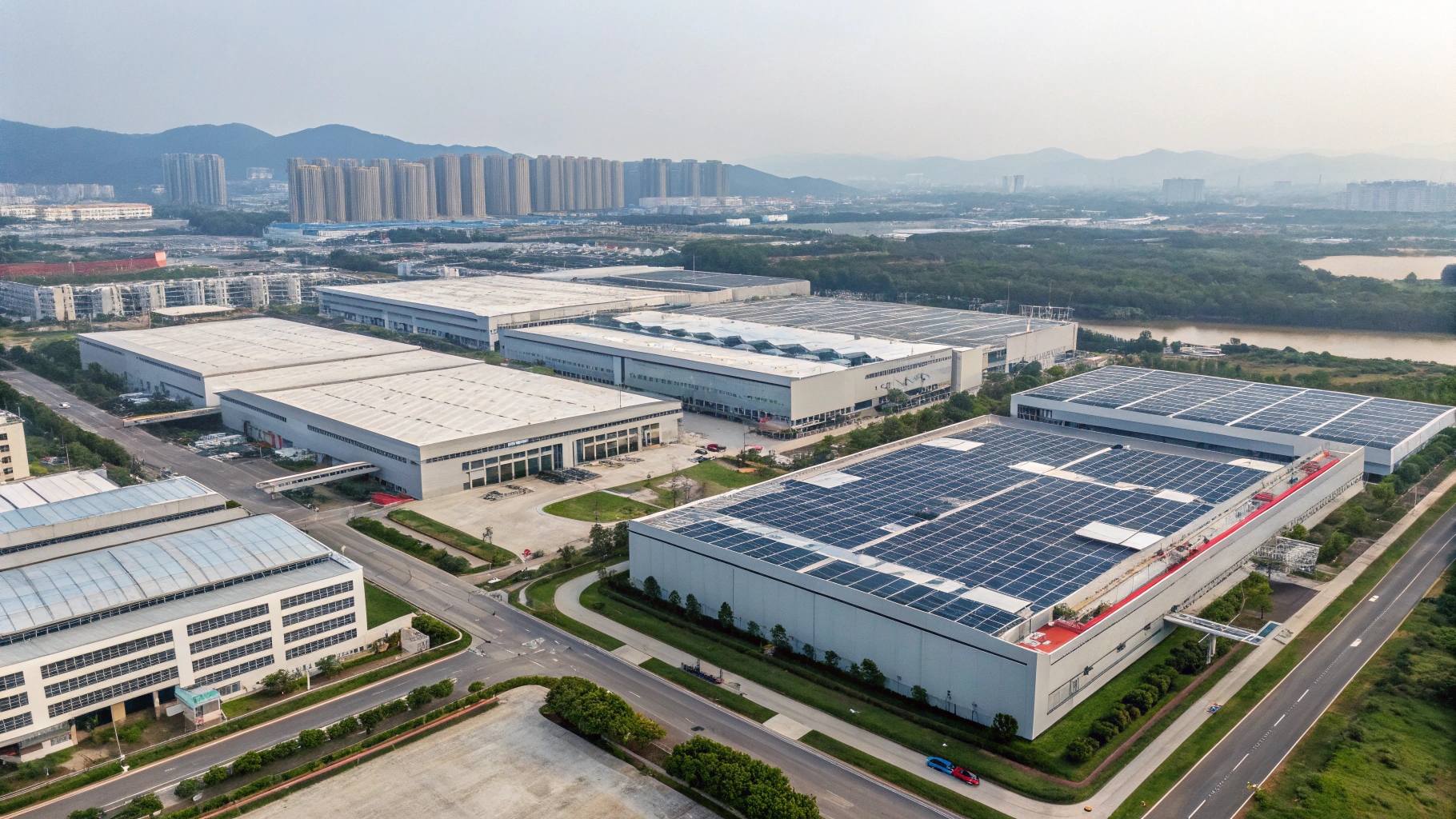
Finding the right manufacturer requires leveraging various platforms and resources.
Online Platforms
-
Alibaba: A leading global e-commerce website with extensive listings of verified manufacturers. Buyers can access product catalogs, compare prices, and read reviews.
-
Made-in-China: Features a directory of verified manufacturers with a focus on quality assurance and export capabilities, making it ideal for international procurement.
-
Global Sources: Connects international buyers with reputable suppliers through a streamlined interface, offering detailed supplier profiles and sourcing news.
-
1688.com: A subsidiary of Alibaba, this platform caters primarily to Chinese buyers. It's a valuable resource for those who can navigate in Chinese, offering direct access to local manufacturers and often lower domestic prices.
Trade Shows and Exhibitions
-
Canton Fair: One of the oldest and largest trade fairs in China, where manufacturers showcase their products, allowing for direct interaction with potential suppliers.
-
Hong Kong Optical Fair: Known for highlighting the latest innovations in eyewear design and technology, making it a must-attend event for anyone in the optical industry.
-
China International Optics Fair (CIOF): Offers a comprehensive view of the optical industry, featuring a wide range of eyewear and optical technology.
-
SILMO Shanghai: Bridges Chinese manufacturers with international buyers, focusing on optical advancements and market trends.
Industry Directories and Networks
-
China National Light Industry Council Directory: Provides a vetted list of manufacturers across various light industries, ensuring reliability and quality.
-
Eyewear Industry Associations: These groups offer networking opportunities and resources that can assist in locating high-quality manufacturers.
-
Networking Groups on Platforms Like LinkedIn: Joining industry-specific groups can provide insights into reputable manufacturers and connect you with professionals who can offer recommendations.
Evaluating Manufacturers
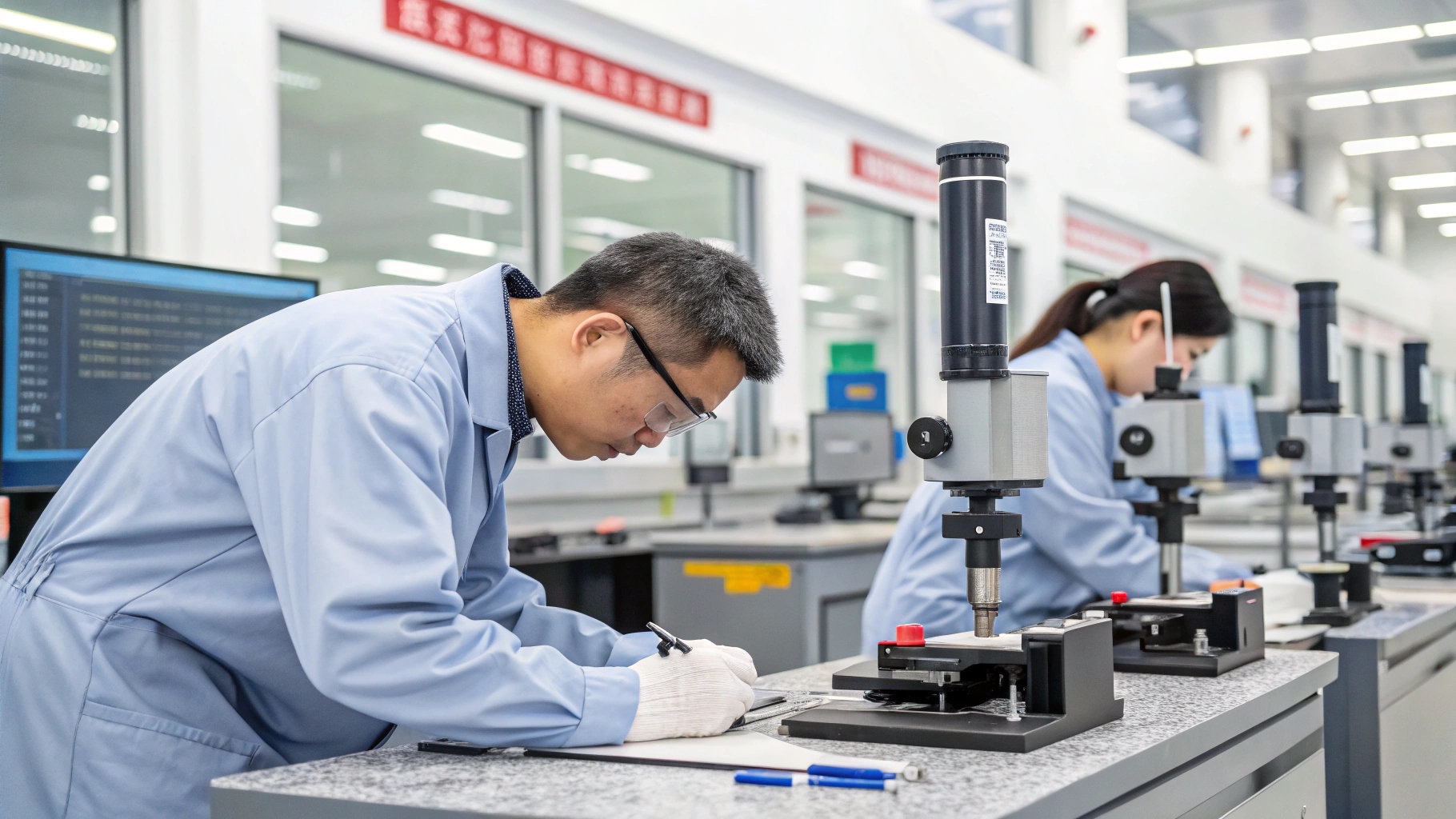
Evaluation of potential manufacturers is crucial to ensure quality and fit for your needs.
Quality Standards
-
Product Certification (e.g., CE, FDA): Ensures that products meet international health, safety, and environmental protection standards.
-
Material Quality: The choice of materials can affect the durability, cost, and appeal of sunglasses. High-quality materials often correlate with longer-lasting and aesthetically pleasing products.
-
Quality Control Processes: Assess the rigor of manufacturers' quality control to ensure consistent product standards. Look for manufacturers with ISO certifications as a sign of robust quality management systems.
-
Compliance with Environmental Regulations: Important for businesses committed to sustainability; ensures that manufacturing practices adhere to environmental laws.
Production Capacity
-
Scalability: Evaluate the manufacturer’s ability to scale production to meet growing demands while maintaining quality.
-
Types of Sunglasses Produced: Ensure that the manufacturer has experience in producing the specific styles you are interested in, from fashion-forward to sport-specific.
-
Customization Capabilities: Check if the manufacturer allows for product customization to suit your brand's unique specifications and customer preferences.
Cost Analysis
-
Pricing Structures: Understand the pricing model to determine cost-effectiveness. Lower initial costs could lead to higher expenses due to quality issues.
-
Cost of Materials: Different materials come with different price tags, influencing production costs and potential retail pricing.
-
Shipping and Logistics Costs: Factor in these costs, as they can significantly impact the overall budget, especially for international shipments.
Customer Reviews and Case Studies
-
Testimonials from Previous Clients: Provide insights into the manufacturer’s reliability and service quality.
-
Case Studies of Successful Partnerships: Highlight how the manufacturer has helped brands achieve their goals, serving as a benchmark for partnership potential.
-
Third-Party Reviews: Offer unbiased perspectives on the manufacturer’s performance and reputation.
Conducting Due Diligence

Due diligence is vital in establishing trust and verifying credibility.
Company Audits
-
Financial Stability Assessments: Investigate financial health to ensure the manufacturer can sustain operations long-term.
-
Operational Audits: Evaluate the efficiency and effectiveness of the manufacturer’s operations.
-
Ethical Standards and Labor Practices: Verify adherence to ethical labor practices to align with corporate social responsibility goals.
Visiting Manufacturing Facilities
-
Arranging Factory Tours: Tours provide firsthand insights into operations and manufacturing quality.
-
Meeting with Management and Staff: Facilitates open communication and helps establish trust.
-
Observing Production Lines: Offers a glimpse into the actual conditions and production processes, which can reveal a lot about product quality and efficiency.
Verifying Business Licenses and Credentials
- Ensure the legitimacy and operating rights of the manufacturer to avoid scams or legal issues.
Negotiating Terms

Negotiation involves securing terms that benefit both parties.
Minimum Order Quantities (MOQs)
- Understand minimum purchase levels to balance inventory costs and manufacturing commitment.
Pricing and Payment Terms
-
Negotiating Discounts for Bulk Orders: Leverage larger orders for better pricing.
-
Payment Methods and Terms: Flexible solutions can ease financial strain and improve cash flow.
-
Managing Currency Exchange Risks: Proactive strategies protect against exchange rate fluctuations impacting profitability.
Lead Times and Delivery Schedules
-
Establishing Realistic Timelines: Ensure timelines meet business needs without compromising quality.
-
Contingency Plans for Delays: Prepare for potential disruptions to minimize impact on supply chains.
-
Shipping and Logistics Arrangements: Efficient logistics planning can reduce costs and delivery times.
Warranty and After-Sales Service
-
Warranty Terms and Conditions: Define clear terms to protect against manufacturing defects.
-
After-Sales Support Structure: Ensures any issues post-sale are handled effectively, maintaining customer trust.
-
Handling Returns and Defects: Clear processes for returns bolster customer satisfaction and reduce administrative burdens.
Building a Long-term Partnership
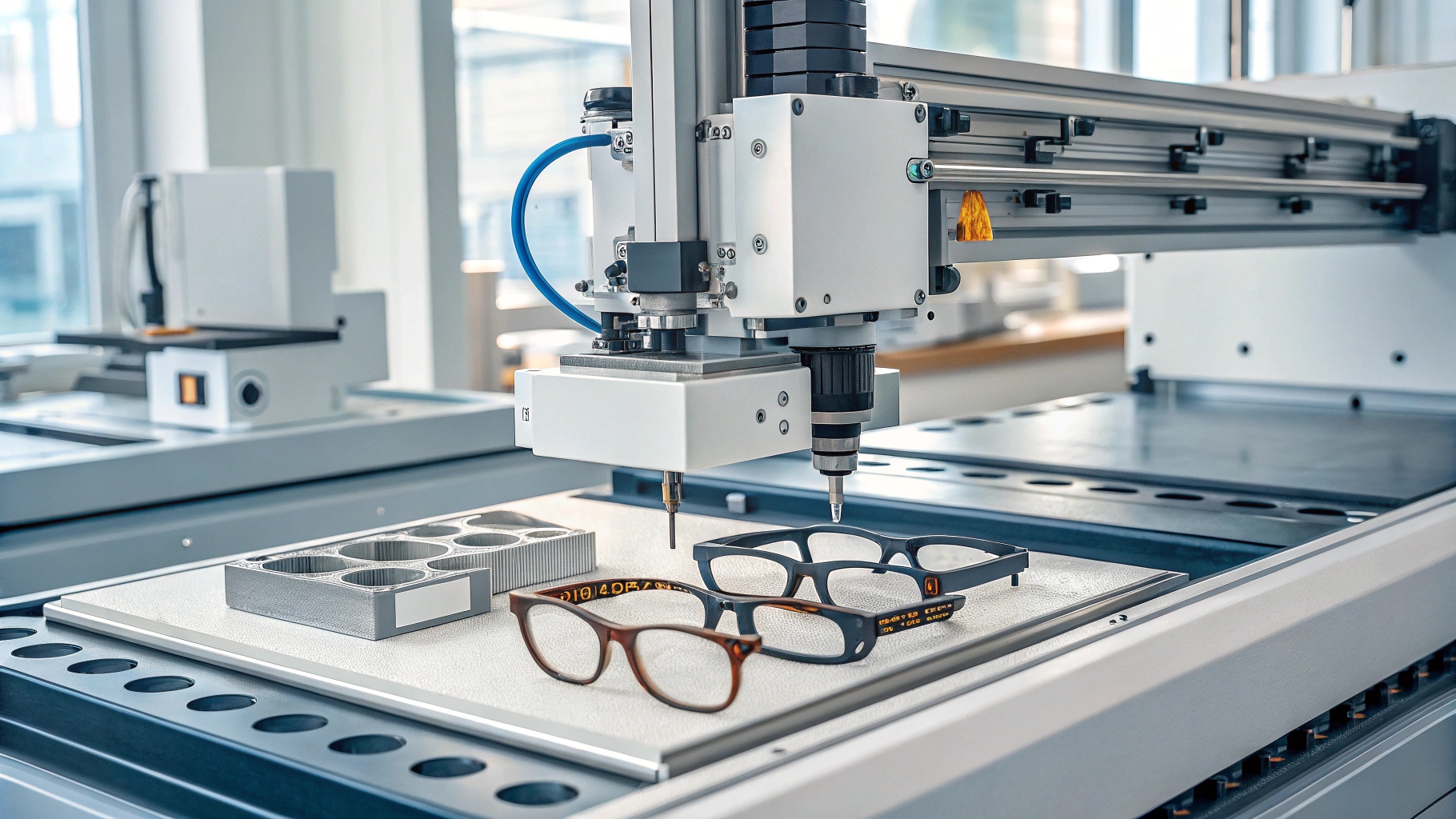
Cultivating a long-term relationship with a manufacturer can lead to mutual growth and benefits.
Communication and Language
-
Overcoming Language Barriers: Language differences can be mitigated through translation services or hiring bilingual staff.
-
Utilizing Translation Services: Professional translation services can prevent miscommunications and ensure clarity in agreements.
-
Maintaining Consistent Communication: Regular updates and transparent communication help mitigate risks and align expectations.
Cultural Considerations
-
Understanding Business Etiquette: Familiarity with local customs and etiquette can facilitate smoother interactions and partnerships.
-
Recognizing Holidays and Cultural Events: Awareness of and respect for cultural practices can foster goodwill and rapport.
-
Building Relationships and Trust: Taking the time to develop strong relationships can lead to more fruitful business dealings.
Regular Quality Checks
-
Establishing Quality Check Protocols: Implement systematic checks to maintain high product standards.
-
Scheduling Periodic Inspections: Regular inspections can prevent quality degradation and ensure consistency.
-
Continuous Feedback Loops: Open lines of communication for feedback can drive ongoing improvements and innovation.
Contract Renewal and Renegotiation
-
Evaluating Partnership Performance: Regular assessments can inform contract renewal decisions and highlight areas for improvement.
-
Negotiating Contract Renewals: Review and renegotiate terms to reflect evolving needs and priorities.
-
Exploring New Opportunities for Collaboration: Ongoing dialogue can uncover new avenues for partnership expansion and innovation.
Conclusion: Sourcing sunglasses manufacturers in China involves understanding market dynamics, evaluating potential partners, conducting due diligence, and fostering solid relationships. By following these steps, businesses can navigate the complexities of manufacturing in China to build successful and sustainable partnerships.
Share:


Post time: Jun-04-2025