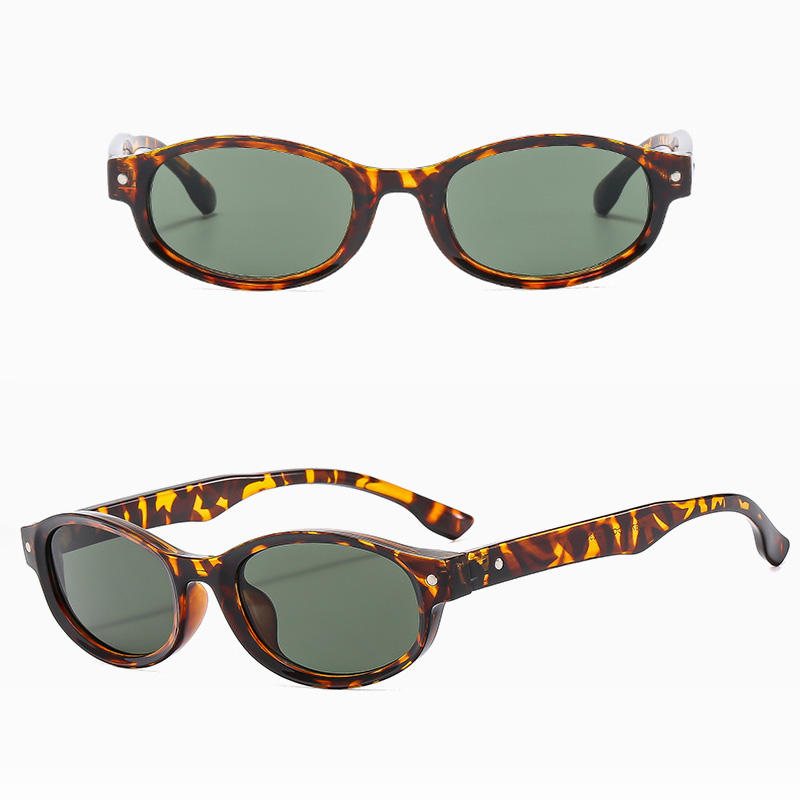
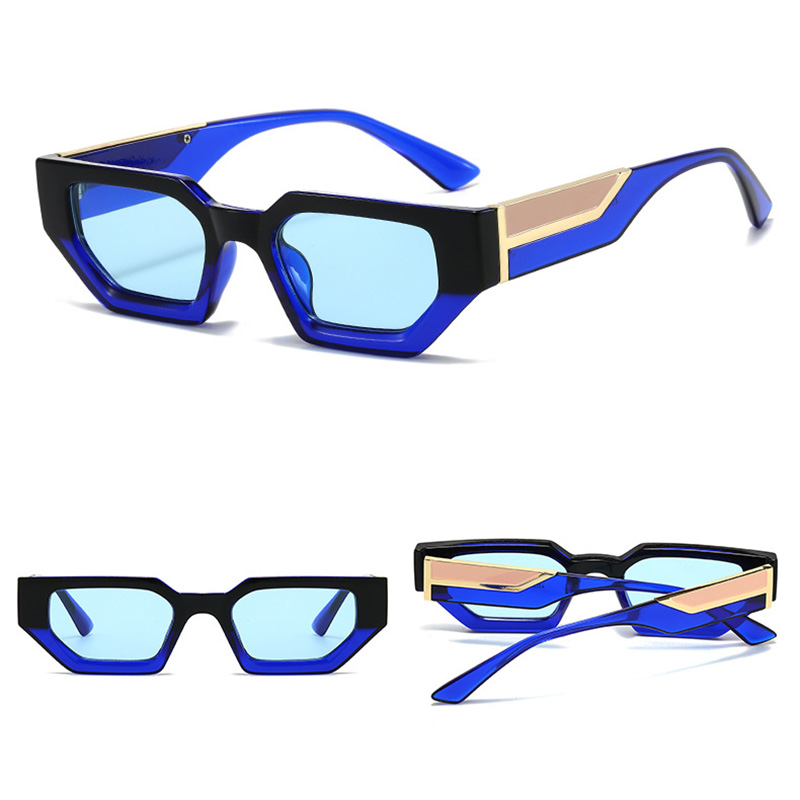
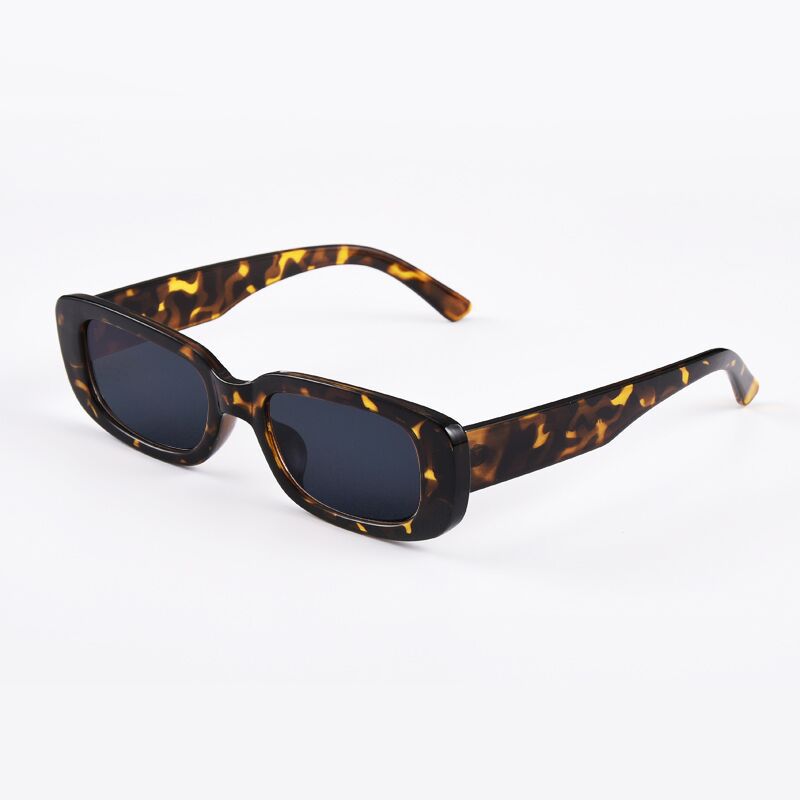
wholesale full Acetate eyewear/sunglasses
Finding reliable sources for wholesale full acetate eyewear can feel overwhelming when you're navigating dozens of suppliers, inconsistent quality, and confusing material claims. The wrong choice means dissatisfied customers, costly returns, and damaged brand reputation. I've spent years helping brands and wholesalers source acetate sunglasses and optical frames — and I've learned that understanding the material is the first step toward smarter procurement.
Wholesale full acetate eyewear refers to sunglasses and optical frames made entirely from cellulose acetate — a plant-derived, hypoallergenic thermoplastic prized for its rich colors, comfortable fit, and premium feel. When sourced correctly, full acetate frames offer superior quality that justifies higher retail margins compared to standard plastic alternatives.

But "acetate" is one of the most misunderstood terms in eyewear procurement. Not all acetate is created equal, and not every frame labeled "acetate" is truly full acetate. Below, I'll walk you through what separates genuine full acetate eyewear from imitations, how to evaluate suppliers, and how to build a profitable wholesale acetate collection without the common pitfalls.
What Makes Full Acetate Eyewear Different from Other Frame Materials?
Buyers often ask me why acetate frames cost more than PC or TR90. The confusion makes sense — from a distance, a well-polished injection-molded frame can look similar. But the moment a customer picks up a full acetate frame, the difference is unmistakable. And that difference is exactly what drives repeat purchases and higher perceived brand value.
Full acetate eyewear is crafted from cellulose acetate sheets that are cut, shaped, and hand-polished — a process fundamentally different from injection molding.[^1] This sheet-cut manufacturing method gives acetate its signature depth of color, layered patterns, and substantial feel that injection-molded materials simply cannot replicate.

How Acetate Compares to PC, TR90, and Metal Frames
Understanding the material landscape helps you position acetate eyewear correctly in your product lineup. Here's a breakdown I share with every new wholesale partner:
| Feature | Full Acetate | PC (Polycarbonate) | TR90 | Metal |
|---|---|---|---|---|
| Manufacturing | Sheet-cut & hand-finished | Injection-molded | Injection-molded | Stamped or wire-formed |
| Weight | Medium | Light | Very light | Varies |
| Color Depth | Rich, layered, unique patterns | Solid or surface-coated | Solid or matte | Limited to plating |
| Hypoallergenic | Yes | Varies | Yes | Depends on alloy |
| Adjustability | Excellent (heat-adjustable) | Limited | Moderate | Excellent |
| Perceived Value | Premium | Budget to mid-range | Mid-range | Mid to premium |
| Durability | High (but can scratch) | High impact resistance | Very flexible | Prone to bending |
| Price Point (Wholesale) | Higher | Lowest | Low-mid | Mid-high |
Why Full Acetate Commands Premium Pricing
The cost difference comes down to three factors:
-
Raw material quality. Italian Mazzucchelli and Japanese acetate sheets are the industry benchmarks.[^2] Even Chinese-produced acetate sheets have improved significantly, but the base material still costs substantially more than PC or TR90 pellets.[^3]
-
Labor-intensive production. A full acetate frame goes through cutting, tumbling, hand-polishing, and multiple quality-control stages. I've seen production timelines of 2–4 weeks just for the frame body — compared to minutes for an injection-molded PC frame.
-
Color and pattern uniqueness. Acetate sheets can be layered to create tortoiseshell, horn, gradient, and marbled effects that look rich and organic. Each batch can vary slightly, which means your collection has a distinctiveness that mass-produced plastic frames lack.
Key takeaway for buyers: If your target market values craftsmanship, unique aesthetics, and comfort, full acetate eyewear delivers measurable perceived value. If your customers are purely price-driven, PC or TR90 may serve them better — and that's perfectly fine. Knowing your end consumer guides the right material choice.
How Do You Identify Genuine Full Acetate Eyewear When Sourcing?
This is where many first-time acetate buyers get burned. I've had clients come to me after receiving shipments of frames marketed as "acetate" that were actually injection-molded cellulose propionate (CP) or even standard plastic with an acetate-look coating. The look might be passable in photos, but the feel, durability, and adjustability are completely different.
Genuine full acetate eyewear can be identified through material weight, visible color layering in cross-sections, a distinctive polished surface with depth, and the ability to be reshaped with gentle heat. Verification at the sourcing stage — through samples, factory audits, and material certifications — is critical.

Physical Tests You Can Perform on Samples
Before committing to a large wholesale order, I always recommend requesting physical samples and performing these checks:
- Weight test. Full acetate frames feel noticeably heavier than PC or TR90 frames of similar size. This density comes from the cellulose acetate material itself.
- Smell test. When lightly sanded or heated, acetate has a mild, slightly sweet vinegar-like scent.[^4] Injection-molded plastics smell more chemical or acrid.
- Heat flexibility. Apply gentle heat (warm water or a frame heater at around 60–70°C). Genuine acetate becomes pliable and can be reshaped.[^5] PC and most other plastics do not respond the same way.
- Cross-section examination. Look at the temple tips or inside of the frame where material is exposed. Genuine sheet-cut acetate shows layered color patterns running through the entire material — not just on the surface.
- Surface polish. Full acetate frames that have been properly tumble-polished have a deep, almost glass-like luster. This differs from the slightly waxy or uniform shine of injection-molded alternatives.
Supplier Documentation to Request
Physical tests help, but professional verification starts before samples arrive:
- Material origin certificates. Ask where the acetate sheets come from. Reputable suppliers will name their sheet providers or at least confirm the acetate grade.
- Production process documentation. A genuine acetate manufacturer should be able to describe (or show) their sheet-cutting, milling, and polishing process. If the process sounds like standard injection molding, that's a red flag.
- Third-party testing reports. For markets like the EU and US, ask for compliance documentation — REACH, FDA nickel-release standards for metal components, and UV400 testing for sunglasses lenses.[^6] These are documents buyers should always verify independently.
My advice: Never skip the sample stage. I've seen catalog photos that look identical for genuine acetate and CP imitations. Spending a few dollars on pre-production samples can save thousands in returns and reputation damage.
What Should You Look for in a Wholesale Acetate Eyewear Supplier?
Not every factory that produces eyewear can produce quality full acetate eyewear. The machinery, skill sets, and quality control processes are different. I've seen factories that excel at TR90 production but produce subpar acetate frames — rough edges, uneven polish, poor hinge alignment. Supplier selection for acetate requires a more focused evaluation.
The best wholesale acetate eyewear suppliers combine proven manufacturing capability with flexible order structures, ready stock availability, and the willingness to accommodate small-batch customization such as logo placement and colorway adjustments.
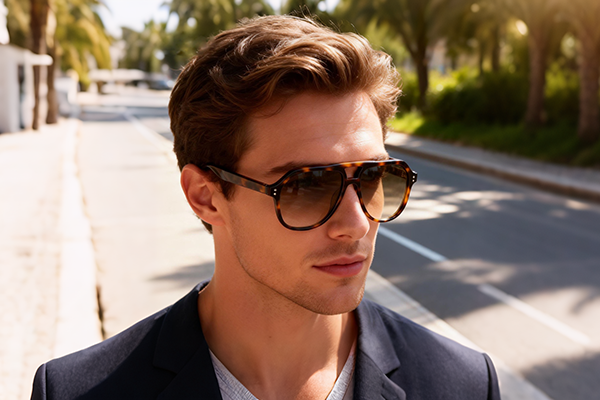
Key Evaluation Criteria
When I help clients select acetate eyewear suppliers, I walk them through this checklist:
-
Production specialization. Does the factory have dedicated acetate production lines? Sheet-cutting, CNC milling, barrel tumbling, and hand-polishing require specific equipment. A generalist injection-molding factory adding acetate as an afterthought is risky.
-
Stock availability and variety. For wholesalers who need to test the market or offer diverse collections, ready-stock programs are invaluable. A supplier with sufficient acetate inventory lets you mix styles and colors without committing to large MOQs per SKU.
-
Customization flexibility. Most wholesale buyers want at least logo engraving or printing. Some need custom colorways or exclusive patterns. Find out the supplier's minimums for logo customization — some factories accommodate very small quantities, which lets you test a branded acetate line without major upfront investment.
-
Quality consistency. Ask about defect rates and quality inspection procedures. Acetate frames are susceptible to issues like:
- Uneven polishing (dull spots or over-polished areas)
- Hinge misalignment (the frame doesn't sit level)
- Color variation beyond acceptable tolerance between batches
- Surface scratches from poor handling during production
-
Market experience. A supplier familiar with your target market understands regulatory requirements and aesthetic preferences. Frames selling well in the US market may differ from European preferences in size, bridge width, and color trends.
Red Flags to Watch For
| Red Flag | Why It Matters |
|---|---|
| Cannot provide physical samples | Suggests no actual production capability |
| Claims "acetate" but quotes injection-mold pricing | Likely selling CP or coated plastic |
| No clear QC process described | Higher defect risk in your shipments |
| Refuses to share material origin | May be using substandard acetate sheets |
| Very high MOQ with no stock option | Limits your ability to test and iterate |
How Can You Build a Profitable Wholesale Acetate Eyewear Collection?
Buying acetate frames is one thing. Building a collection that actually sells is another. I've watched clients order beautiful frames that sat in inventory because they didn't plan their assortment strategically. The margin advantage of acetate only materializes when you align product selection with market demand.
A profitable wholesale acetate eyewear collection balances classic silhouettes with trend-driven colorways, offers a range of price points within the acetate tier, and includes both sunglasses and optical frames to maximize sell-through across retail channels.

Assortment Strategy
Here's the framework I recommend to wholesalers building their first or fifth acetate collection:
Core Styles (60% of collection)
- Classic shapes: wayfarers, rounds, cat-eye, aviator-inspired acetate
- Neutral colors: black, dark tortoiseshell, brown gradient
- These are your reliable sellers — they move consistently across seasons and demographics
Trend Styles (30% of collection)
- Current color trends: translucent frames, bold two-tone layering, pastel acetate
- Oversized or geometric shapes that reflect current fashion cycles
- These attract new customers and generate social media engagement
Statement Pieces (10% of collection)
- Bold patterns, unusual color combinations, limited-run designs
- Higher price point, lower volume — but they create brand identity and attract attention at trade shows or in retail displays
Sunglasses vs. Optical Frames
Don't overlook the optical frame market. Many wholesalers focus exclusively on sunglasses, but acetate optical frames have strong year-round demand:
- Sunglasses drive seasonal peaks (spring and summer) and impulse purchases
- Optical frames generate steady, repeat business — especially from optician partnerships and online eyewear retailers
- Crossover pieces — acetate frames sold as both sun and optical with interchangeable lenses — can simplify your inventory
Pricing and Margin Considerations
Full acetate eyewear typically supports 2x–4x wholesale-to-retail margins depending on your market positioning. The key is communicating the material's value to your downstream buyers:
- Emphasize the handcrafted production process
- Highlight the hypoallergenic, plant-derived material origin
- Showcase the color depth and uniqueness that mass-produced frames can't match
- Provide proper product descriptions and material information your retailers can use with end consumers
Frequently Asked Questions
What is the typical MOQ for wholesale full acetate eyewear?
MOQ varies widely by supplier. Some factories require 300–500 pieces per style for custom production. However, suppliers with ready-stock programs — like ours — allow mixed-style orders with much lower per-SKU minimums, making it practical to test new acetate styles without heavy inventory commitment.
Can I get custom logos on small acetate eyewear orders?
Yes. Many suppliers offer logo engraving, printing, or embossing on acetate frames at relatively low minimum quantities. This is ideal for brand owners testing a new line or wholesalers serving private-label clients. Always request logo placement samples before confirming bulk production.
How do I ensure UV protection in wholesale acetate sunglasses?
UV protection comes from the lens, not the frame material. Ensure your supplier provides UV400-rated lenses and can supply third-party test certificates. For markets like the US and EU, compliance with ANSI Z80.3 and EN ISO 12312-1 standards respectively is essential.[^7] Always verify these documents independently.
Are full acetate frames suitable for all face shapes and sizes?
Acetate frames can be produced in virtually any shape and size, making them versatile across face types. The heat-adjustable nature of acetate also means opticians can fine-tune the fit for individual customers — a significant selling point over rigid injection-molded frames.
How should acetate eyewear be stored and shipped to maintain quality?
Acetate frames should be stored away from excessive heat and direct sunlight, which can cause warping or color fading over time.[^8] Ship with individual protective pouches or cases, and use partitioned packaging to prevent surface scratching. Proper handling during storage and transit directly impacts the premium appearance your customers expect.
Conclusion
Wholesale full acetate eyewear represents one of the strongest value propositions in the eyewear market today — combining premium aesthetics, customer comfort, and healthy profit margins. The key to success lies in understanding what genuine full acetate is, knowing how to verify it, choosing a capable and flexible supplier, and building a strategically balanced collection.
Whether you're a brand owner developing a signature acetate line or a wholesaler expanding into premium frames, the material rewards careful sourcing. I work with buyers across North America, Europe, and Oceania who source acetate sunglasses and optical frames from our ready-stock inventory — with the flexibility to mix styles, customize logos, and order in quantities that make sense for their business.
Ready to explore our full acetate eyewear collection? Reach out today with your target styles and quantities, and let's build a selection that fits your brand and your market.
[^1]: "Jacob Hamman -- How to Make (almost) Anything", https://fab.cba.mit.edu/classes/863.15/section.Harvard/people/Hamman/week7.html. Technical literature on eyewear manufacturing describes acetate frames as produced from solid sheets by cutting, milling, tumbling, and polishing, whereas polycarbonate and TR90 frames are typically injection-molded, making the two routes materially distinct. Evidence role: mechanism; source type: research. Supports: Acetate eyewear is generally produced from solid sheets by cutting, milling, tumbling, and polishing, while many other plastic frames are injection-molded.. Scope note: The distinction is a general manufacturing characterization, and some hybrid or alternative processes exist.
[^2]: "Materials and processing", https://www.mazzucchelli1849.it/pages/materials-and-processing. Industry surveys and eyewear trade sources commonly identify Mazzucchelli and Japanese acetate-sheet manufacturers as long-established reference suppliers for premium acetate frames. Evidence role: expert_consensus; source type: other. Supports: Mazzucchelli and Japanese acetate sheet producers are widely cited in eyewear trade contexts as reference-quality suppliers.. Scope note: Benchmark status is a market perception rather than a standardized technical ranking, and other suppliers may meet comparable specifications.
[^3]: "Acetate vs TR90 vs Plastic Glasses: What Fits a Wide Face", https://woolet.co/en/blog/acetate-vs-tr90-glasses. Polymer market and materials-cost comparisons indicate that cellulose acetate sheet for eyewear typically carries a higher unit cost than commodity polycarbonate or TR90 pellets, although prices vary by grade, order volume, and region. Evidence role: statistic; source type: research. Supports: Cellulose acetate sheet feedstock is generally more expensive than commodity polycarbonate or TR90 pellet feedstock.. Scope note: Cost comparisons are time-sensitive and depend on specification, sheet thickness, and supplier; no single price ratio applies universally.
[^4]: "Vinegar syndrome", https://en.wikipedia.org/wiki/Vinegar_syndrome. Materials-science descriptions note that cellulose acetate may emit a mild acetic or vinegar-like odor under heating or mechanical working, which is associated with its acetate chemistry and plasticizers. Evidence role: mechanism; source type: research. Supports: Cellulose acetate may release a mild acetic or vinegar-like odor under heating or mechanical working.. Scope note: Odor is a qualitative field indicator and not a definitive test of full acetate composition.
[^5]: "Thermal Properties of Plasticized Cellulose Acetate and Its β ...", https://pmc.ncbi.nlm.nih.gov/articles/PMC8122600/. Polymer and opticianry sources state that cellulose acetate softens when heated, typically within a warm-water or frame-heater range, allowing opticians to adjust frame fit; the exact working temperature depends on plasticizer content and formulation. Evidence role: mechanism; source type: research. Supports: Cellulose acetate softens when heated within a warm-water or frame-heater range, allowing adjustment.. Scope note: The 60–70°C range is approximate, and excessive heat can distort or damage frames.
[^6]: "Guidance Document For Nonprescription Sunglasses", https://www.fda.gov/regulatory-information/search-fda-guidance-documents/guidance-document-nonprescription-sunglasses-guidance-industry. Government regulatory sources describe REACH obligations in the EU and FDA-linked nickel-release and sunglass labeling requirements in the US, while UV400 testing is a common performance claim for sunglasses lenses. Evidence role: general_support; source type: government. Supports: EU and US markets have regulatory documentation relevant to eyewear, including REACH, nickel-release standards, and UV protection claims.. Scope note: Compliance requirements vary by product type, metal component, and market; cited documents do not by themselves certify a specific supplier.
[^7]: "Does the ANSI Z80.3 nonprescription sunglass and fashion ...", https://pubmed.ncbi.nlm.nih.gov/2381685/. Standards bodies identify ANSI Z80.3 as a US sunglass performance standard and EN ISO 12312-1 as the European standard for non-prescription sunglasses, covering UV protection and related optical requirements. Evidence role: general_support; source type: institution. Supports: ANSI Z80.3 and EN ISO 12312-1 are recognized sunglasses standards in the US and EU respectively.. Scope note: Standards compliance depends on testing and product class, and the standards are not specific to acetate frames.
[^8]: "Influence of Weathering on the Degradation of Cellulose ...", https://pmc.ncbi.nlm.nih.gov/articles/PMC10302732/. Conservation and polymer-degradation literature reports that cellulose acetate is sensitive to prolonged heat and ultraviolet exposure, which can lead to dimensional distortion and color change, especially in thin or plasticizer-rich articles. Evidence role: mechanism; source type: research. Supports: Cellulose acetate is sensitive to prolonged heat and ultraviolet exposure, which can cause dimensional distortion and color change.. Scope note: Storage recommendations are preventive; degradation rates depend on formulation, exposure duration, and environmental conditions.
Share:


Post time: Oct-28-2026