Struggling with fog, glare, or a poor fit in your goggles? Bad gear can ruin your performance and even be unsafe. Let me help you find the perfect pair.
To choose the right goggles, first identify your primary sport. Then, consider key features like lens technology[^1] (polarized, photochromic), anti-fog capabilities, and overall fit with your helmet[^2] or eyewear. Matching these elements to your specific activity ensures optimal performance and protection.
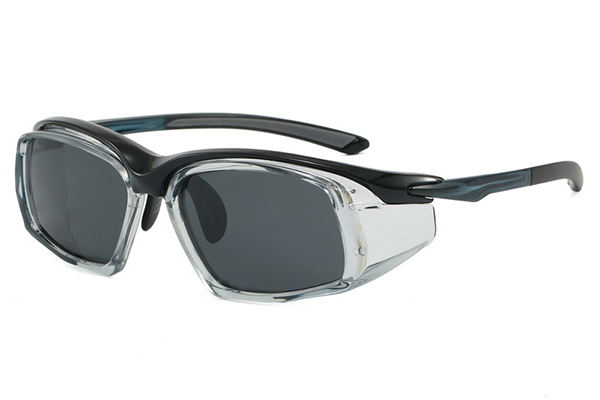
I've been in the eyewear business for over a decade, and I've seen how the right pair of goggles can completely change someone's experience. It's not just about looking cool; it's about safety, comfort, and performance. Getting the details right is crucial. So, let's break down exactly what you need to look for, starting with the most important features for your specific sport.
Understanding Key Features: How to Select Goggles for Different Sports?
Ever used goggles that just didn't feel right for your sport? The wrong features can lead to constant adjustments, fogging, and frustration. Let's match the right features to your activity.
For snow sports, prioritize dual-lenses and wide peripheral vision. For water sports like swimming, focus on a hydrodynamic design[^3] and a strong, watertight seal. For motorsports or cycling, impact resistance and dust protection are absolutely critical. Each sport demands a unique combination of features.
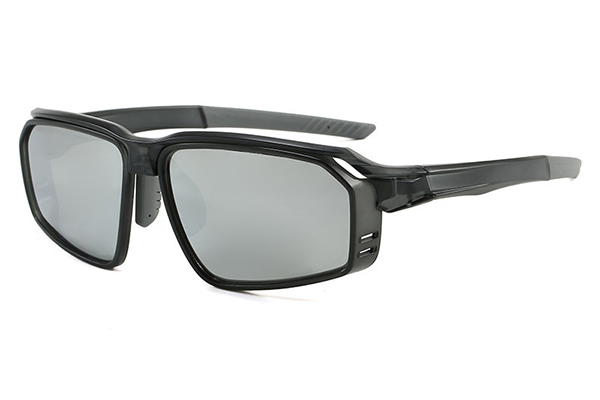
Choosing the right features starts with understanding the environment of your activity. A goggle designed for a swimmer is fundamentally different from one made for a snowboarder because their challenges are completely different. One needs to keep water out and reduce drag, while the other needs to fight fogging in cold temperatures and protect from wind and impact.
Key Feature Breakdown by Sport
Let’s look at a simple breakdown to make this clearer. Different activities have different non-negotiable features.
| Sport | Key Features | Why It Matters |
|---|---|---|
| Skiing/Snowboarding | Dual-lens, ventilation[^4], wide peripheral vision | Prevents fogging, allows airflow, and provides a full view of the terrain. |
| Swimming | Watertight seal, hydrodynamic shape, anti-fog | Keeps water out, reduces drag for speed, and maintains clear underwater vision. |
| Motocross/Cycling | Impact resistance, dust filters, tear-off system[^5] | Protects eyes from flying debris, keeps dust out, and allows for quick clearing of mud. |
| Tactical/Safety | Ballistic-rated impact resistance[^6], full seal | Provides maximum protection from high-velocity impacts and airborne particles. |
For example, the dual-lens system in ski goggles creates a thermal barrier between the cold outside air and the warm air from your face. This simple design is one of the most effective ways to stop condensation from forming. For swimming, the silicone gasket must create a perfect seal around your eye socket to be effective. It's all about matching the tool to the job.
Comparing Lens Technologies: Tinted, Polarized, and Photochromic Options?
Is glare from snow or water ruining your vision? Constantly switching goggles as the sun goes in and out is a pain. Modern lens technology[^1] offers a much better solution.
Tinted lenses reduce brightness, polarized lenses[^7] cut glare from reflective surfaces like water and snow, and photochromic lenses automatically adjust their tint based on UV light exposure. Choosing the right one depends on your environment and how much light conditions change during your activity.
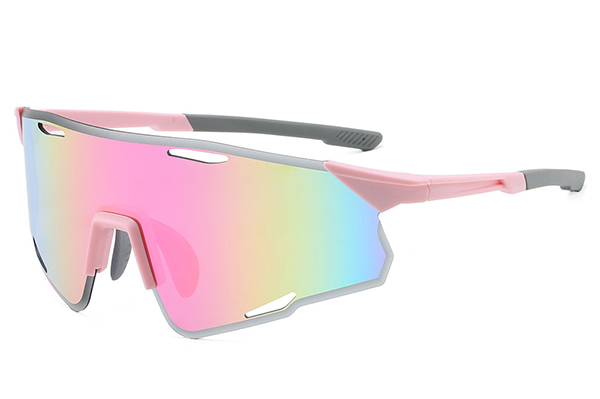
The lens is the heart of your goggle, and the technology inside it can make or break your day. It’s not just about the color; it’s about how the lens manages light to give you the best possible vision. Understanding the main types of lenses will help you pick the perfect pair for your typical conditions.
A Closer Look at Lens Types
Each lens technology[^1] is designed to solve a specific problem related to light.
-
Tinted Lenses: This is the most basic technology. The color of the tint filters light in different ways. Darker tints like grey or black are for bright, sunny days. Lighter tints like yellow or rose are for low-light conditions, as they enhance contrast and make it easier to see bumps and details in the snow or on the trail.
-
Polarized Lenses: These lenses have a special filter that blocks the intense, horizontal light that reflects off surfaces like snow, water, and asphalt. This is what we call glare. By cutting glare, polarized lenses[^7] reduce eye strain and dramatically improve clarity and contrast.
-
Photochromic Lenses: I find this technology fascinating. As a manufacturer, we've seen a huge increase in demand for these. Photochromic lenses automatically adjust their level of tint based on their exposure to UV light. In bright sun, they darken. In overcast conditions or indoors, they lighten. This makes them incredibly versatile for all-day adventures where light conditions can change in an instant.
| Lens Technology | Best For | How It Works |
|---|---|---|
| Tinted | Consistent light conditions (sunny or cloudy) | A colored dye in the lens filters specific wavelengths of light. |
| Polarized | Bright, high-glare environments (water, snow) | A chemical filter blocks horizontal light waves (glare). |
| Photochromic | Changing light conditions (all-day use) | Molecules in the lens react to UV radiation, causing them to darken or lighten. |
Solutions for Lens Fogging: Design and Maintenance Tips for Clear Vision?
Nothing is more frustrating or dangerous than your goggles fogging up mid-activity. Wiping them just makes it worse. Let’s look at how to keep your vision crystal clear.
To prevent fogging, look for goggles with a factory-applied anti-fog coating, dual-lens construction, and good ventilation[^4]. Avoid wiping the inside of the lens, as this can remove the coating. Proper care and allowing goggles to air dry is also essential for maintaining clear vision.
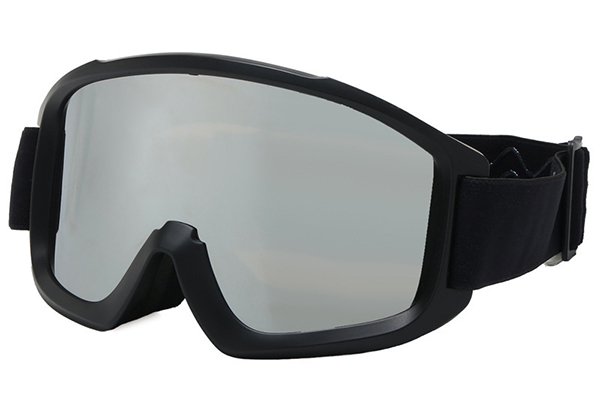
Fog happens because of a temperature and humidity difference between the inside and outside of your goggle lens. The warm, moist air from your face condenses into tiny droplets when it hits the colder surface of the lens. The good news is that modern goggles are built with several features to fight this.
Built-in Anti-Fog Solutions
- Dual Lenses: As I mentioned earlier, creating a thermal barrier with two lenses is a primary defense against fogging, especially for snow sports.
- Ventilation: Vents along the top, bottom, and sides of the goggle frame allow warm, moist air to escape and fresh, dry air to enter. This airflow is critical for keeping the inner lens surface dry.
- Anti-Fog Coatings: Many of our clients specifically request a high-quality anti-fog coating[^8]. This is a treatment applied to the inside of the lens. It's a hydrophilic (water-loving) chemical that prevents water from beading up. Instead, it spreads the moisture into an ultra-thin, transparent film that you can see right through.
The Anti-Fog vs. Waterproof Dilemma
Here’s an interesting fact from the factory floor: an anti-fog coating[^8] and a waterproof coating cannot exist on the same lens surface. They are chemical opposites. An anti-fog coating[^8] works by attracting and spreading water, while a waterproof coating works by repelling it. Some specialized marine or water sports goggles may have a hydrophobic (water-repelling) coating on the outside to shed water, but the inside will always be treated for anti-fog. There are even different types of waterproof coatings, such as those specially designed to resist corrosion from saltwater, which is another distinct feature.
Goggle Fit and Compatibility: Ensuring Comfort with Helmets and Eyewear?
Do your goggles pinch your nose or leave a gap with your helmet? A bad fit is uncomfortable and compromises your safety. Let's ensure your next pair fits perfectly.
To ensure a good fit, check the frame size against your face and helmet. Look for adjustable straps and multi-layer face foam for comfort. If you wear prescription glasses, you will need to find specific "Over The Glasses" (OTG) models designed with extra space.
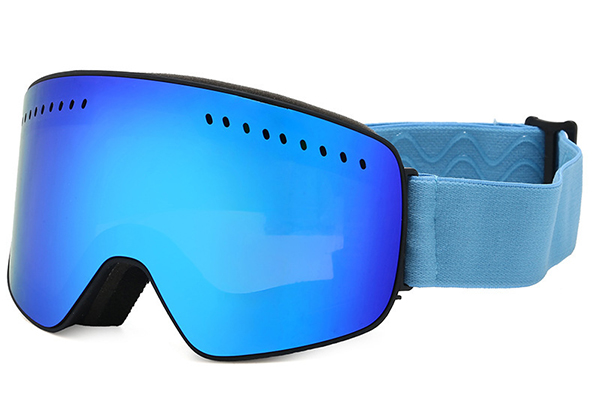
A goggle can have the best lens technology[^1] in the world, but if it doesn't fit your face properly, it's useless. A poor fit leads to discomfort, distraction, and gaps in protection. Finding that perfect, seamless fit is non-negotiable for both performance and safety.
Key Elements of a Great Fit
- Frame Size and Shape: Goggles come in different sizes. You want a frame that sits comfortably on your face without creating pressure points, especially on the bridge of your nose. It should seal evenly against your skin with no gaps.
- Face Foam: Quality goggles use multi-layer face foam. Typically, this includes a dense layer for structure, a softer middle layer for cushioning, and a soft, fleece-like top layer that sits against your skin and wicks away moisture.
- Strap System: The strap should be wide, easily adjustable, and have a bead of silicone on the inside. That silicone grips your helmet or beanie and prevents the strap from sliding up or down.
Integrating with Helmets and Glasses
- Helmet Compatibility: The dreaded "goggle gap[^9]" is the exposed strip of forehead between the top of your goggles and the brim of your helmet. This is not only a bad look but also a fast track to brain freeze. When trying on goggles, always do it with your helmet on to ensure a seamless fit.
- Over The Glasses (OTG): If you wear prescription glasses, you can't just jam any goggle over them. You need to look for models specifically labeled "OTG." These goggles are designed with a larger internal volume and have small channels cut into the frame and foam to accommodate the arms of your eyeglasses without pressing them into your temples.
Frequently Asked Questions About Goggles and Eye Protection?
Still have questions about goggle care or UV protection[^10]? Uncertainty can lead to buying the wrong product or damaging your gear. I’ve compiled the most common questions right here.
Common questions include UV protection[^10], cleaning, and lifespan. Always choose goggles with 100% UV400 protection. Clean lenses with a microfiber cloth, and replace them when the foam degrades, the strap loses elasticity, or the lens is significantly scratched, compromising your vision.
Over the years, I've answered thousands of questions from buyers. Here are some of the most common ones that come up time and time again. Getting these right will help you get the most out of your gear.
Do all goggles offer UV protection[^10]?
No, and this is a critical point. Very cheap, unbranded goggles may not offer adequate protection. Any reputable manufacturer, like us, will ensure their lenses provide 100% protection from harmful UVA and UVB rays, often labeled as UV400. This is a crucial safety feature for protecting your long-term eye health, not a luxury.
How do I clean my goggle lenses without scratching them?
First, gently shake or blow off any large debris like snow or dirt. Never wipe a dry, dirty lens. If you need to clean it, use the microfiber bag that your goggles came in. For the outside, you can wipe gently. For the inside, it's best to dab or blot gently to avoid rubbing off the anti-fog coating[^8]. Afterward, let the goggles air dry completely.
When should I replace my goggles?
There are a few clear signs it's time for a new pair. If the lens has a major scratch in your line of sight, it's time. If the face foam is compressed, deteriorating, or peeling away from the frame, the fit is compromised. Likewise, if the elastic strap is stretched out and won't stay tight, you need a new pair.
Can I wear my prescription glasses under any goggles?
No. You must use a specific "Over The Glasses" (OTG) model. Trying to force a standard goggle over your glasses will be very uncomfortable, create pressure points, and could even damage your glasses or the goggle foam. OTG designs are the only right way to do it.
Conclusion
Choosing the right goggles comes down to matching the sport, lens, and fit to your needs. This ensures your comfort, safety, and performance, letting you focus on your activity.
[^1]: Understanding lens technology is crucial for selecting goggles that enhance visibility and performance in various conditions.
[^2]: A proper fit with your helmet is essential for safety and comfort; learn how to achieve this.
[^3]: A hydrodynamic design reduces drag, making swimming more efficient; discover the best options.
[^4]: Ventilation is key to maintaining clear vision; explore how it works in modern goggles.
[^5]: A tear-off system allows for quick lens cleaning, ensuring clear vision during races.
[^6]: Impact resistance protects your eyes from debris and enhances safety during high-speed activities.
[^7]: Polarized lenses significantly reduce glare, improving clarity and comfort during outdoor activities.
[^8]: An anti-fog coating is essential for clear vision; learn how it functions and its benefits.
[^9]: Understanding the goggle gap helps ensure a seamless fit with your helmet, preventing discomfort.
[^10]: UV protection is essential for long-term eye health; ensure your goggles provide adequate coverage.
Share:


Post time: Jan-27-2026