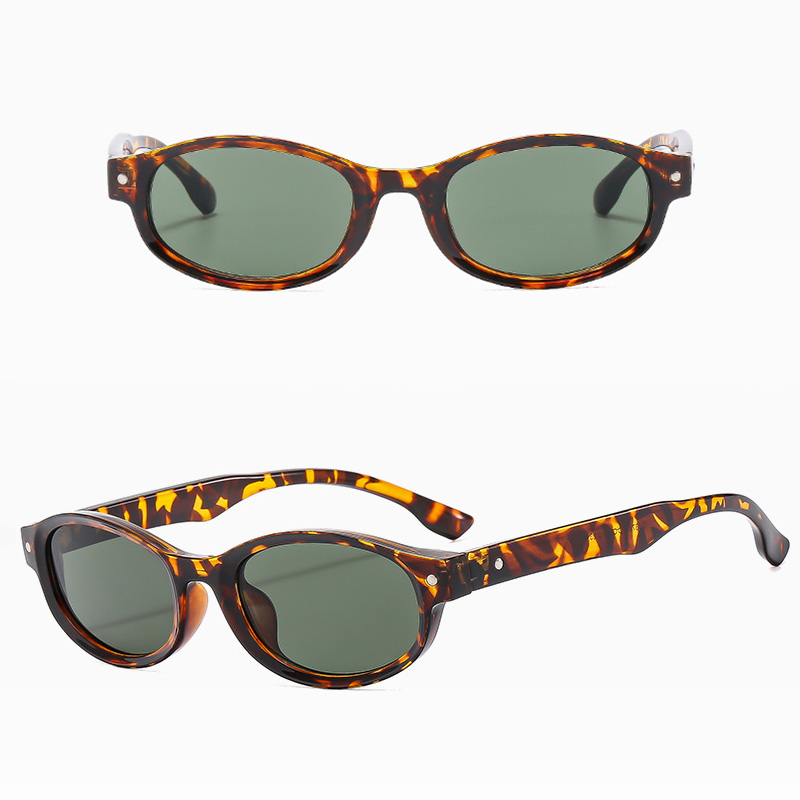
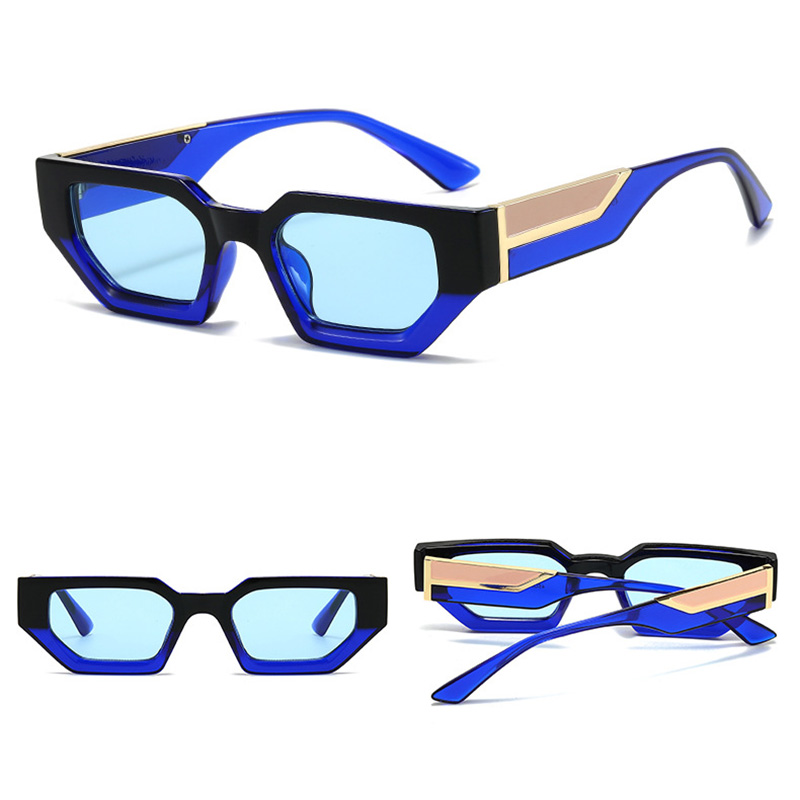
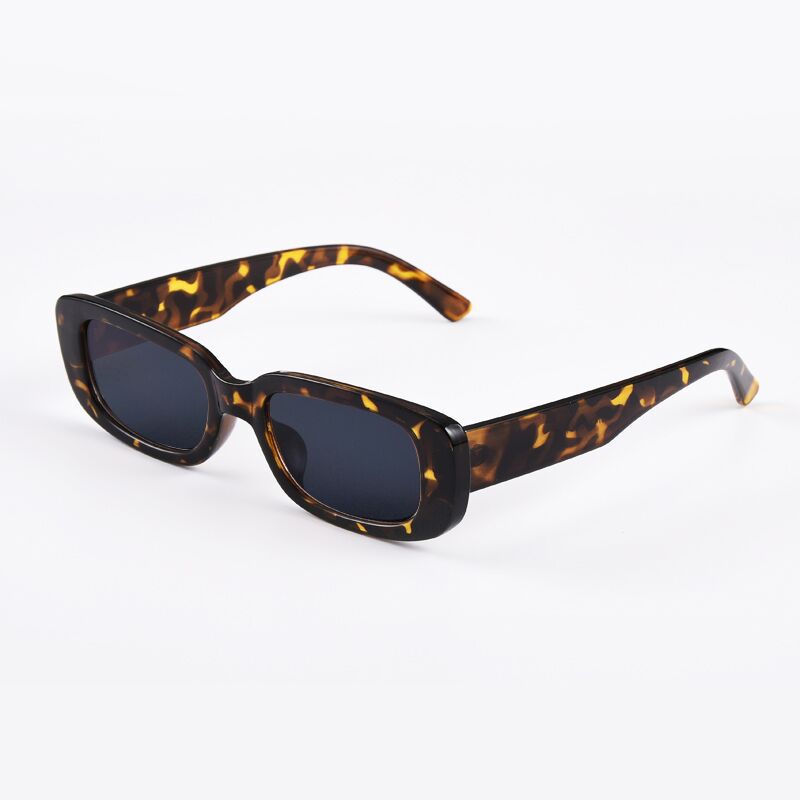
When it comes to choosing eyewear, understanding the nuances between acetate glasses and other types plays a crucial role in making an informed decision. Each material offers unique advantages that cater to different needs, styles, and environmental considerations.
Acetate glasses are renowned for their vibrant colors and flexibility due to their plant-based origins—cellulose acetate. This creates a comfortable yet stylish option. In contrast, other glasses often use materials like plastic and metal that emphasize durability, lightness, and modern design. Each has specific benefits and drawbacks that influence your choice based on lifestyle and personal preference.

Recognizing these differences helps consumers make better purchases, considering factors like environmental impact, aesthetic appeal, and functionality.
Introduction
Distinguishing acetate glasses from other types offers clarity, especially when each material affects various aspects, such as comfort and aesthetic.
Acetate glasses are manufactured from cellulose acetate, a renewable plant-derived material known for flexibility and hypoallergenic properties. They became prominent in the eyewear industry around the 1940s for their ecological benefits and design flexibility. Other glasses, composed of materials like plastics and metals, are prized for their durability, light weight, and minimalist designs. Understanding terms like “thermoplastics” and “metal alloys” clarifies how these materials differ in properties and uses.

These differences are crucial in selecting the eyewear that best matches your lifestyle needs and aesthetic values, influencing consumer decision-making and environmental considerations.
Material Properties
Exploring the material properties of acetate versus other eyewear materials highlights distinct benefits and limitations.
Acetate glasses feature cellulose acetate, known for its renewable base and environmentally friendly attributes. The manufacturing process involves extracting cellulose fibers which are then utilized to create sheets before cutting and shaping them into frames. Acetate's physical characteristics include being lightweight, flexible, and resistant to temperature and humidity changes. Alternative materials like plastics and metals offer unique benefits—the former being moldable through injection and the latter offering rigidity and sheen through metal forging processes.

In comparison, acetate stands out for its environmental benefits and color versatility, while other materials shine in durability and modern manufacturing efficiencies.
Design and Aesthetics
Design and aesthetic excellence can shape the appeal of acetate and other eyewear materials, tailoring them to various tastes.
Acetate allows for highly varied design possibilities, including color variations achieved through embedding and layering techniques. This material can range from subtle patterns to bold prints, offering textures and finish options. Customization, such as personalized engravings and handcrafted elements, enhances their unique appeal. Other materials like plastics offer incredible form flexibility, while metals provide a sleek and minimalist look.

By understanding these aesthetic capabilities, consumers can select eyewear that complements their style, enhancing personal expression and fashion trends.
Durability and Maintenance
Understanding durability and maintenance aspects can greatly impact the longevity and practicality of your eyewear.
Acetate glasses offer moderate scratch and impact resistance, valued for their longevity and ease of maintenance with simple cleaning instructions. Other glasses vary based on the material type; plastics are durable yet flexible, while metals provide stronger resistance to environmental factors. Standard maintenance involves using appropriate cleaning agents and ensuring safe storage to maintain their condition.

By focusing on these aspects, consumers can choose glasses that fit their lifestyle, ensuring lasting quality and performance.
Cost Analysis
A detailed cost analysis reveals insights into pricing strategies and economic factors influencing eyewear choices.
Acetate glasses often incur costs related to sustainable material sourcing and artistic production techniques. As a result, they typically fall into the mid-to-high price range, reflecting their quality and design potential. In contrast, glasses made from plastics and metals vary in cost due to different production efficiencies and the market segment they target. Price factors for acetate include raw material costs and skilled craftsmanship, while other materials benefit from mass-production economies.

Understanding these cost factors helps consumers make decisions aligned with their budgets and desired material benefits.
Market Trends and Consumer Preferences
Market trends and consumer preferences offer insights into popular styles and emerging materials in eyewear.
Acetate glasses are increasingly favoured for their style and comfort, driven by celebrity endorsements and demographic appeal. This preference reflects trends that prioritize both aesthetic and environmental consciousness. Conversely, other materials like plastics and metals benefit from technological enhancements and sustainability movements. Consumers are influenced by evolving design innovations, such as form flexibility and minimalist aesthetics, across diverse materials, considering factors like fashion trends and price sensitivity.

Exploring these dynamics provides perspective into purchasing decisions, reflecting broader market influences and consumer needs.
Conclusion
Recapping the differences between acetate and other glasses provides guidance for informed selections.
Key distinctions include material properties, design versatility, cost implications, and consumer preferences. Acetate is noted for its customization and environmental benefits, while other materials offer robust durability and modern aesthetic possibilities.
Evaluating pros and cons helps determine suitable eyewear, weighing environmental impact, style versus functionality trade-offs, and overall value. As technological and sustainability trends evolve, understanding these differences supports choosing eyewear that meets both present and future demands, aligning with personal and global objectives.
Emerging technologies and market shifts will continue to influence the eyewear landscape, emphasizing sustainability and innovation as pivotal factors in the future industry outlook.
Share:


Post time: Jun-10-2025